







Moment · Ireland
Kilmainham Gaol, Dublin, on a Private Visit Before the Tours
Walk the cells and the Stonebreakers' Yard in silence, where 128 years of Irish prisoners and rebels left their mark.
Two Wings, Two Centuries
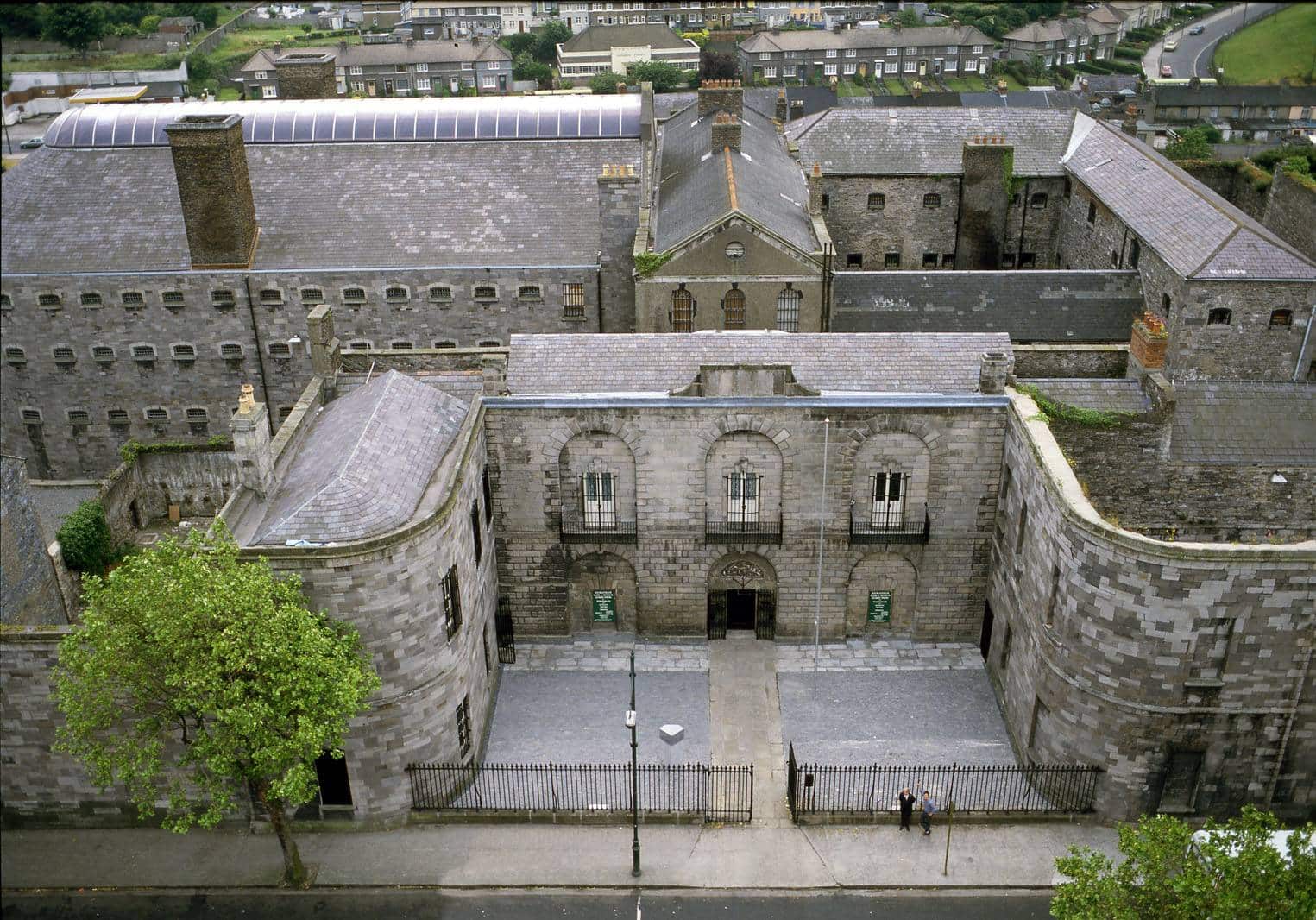
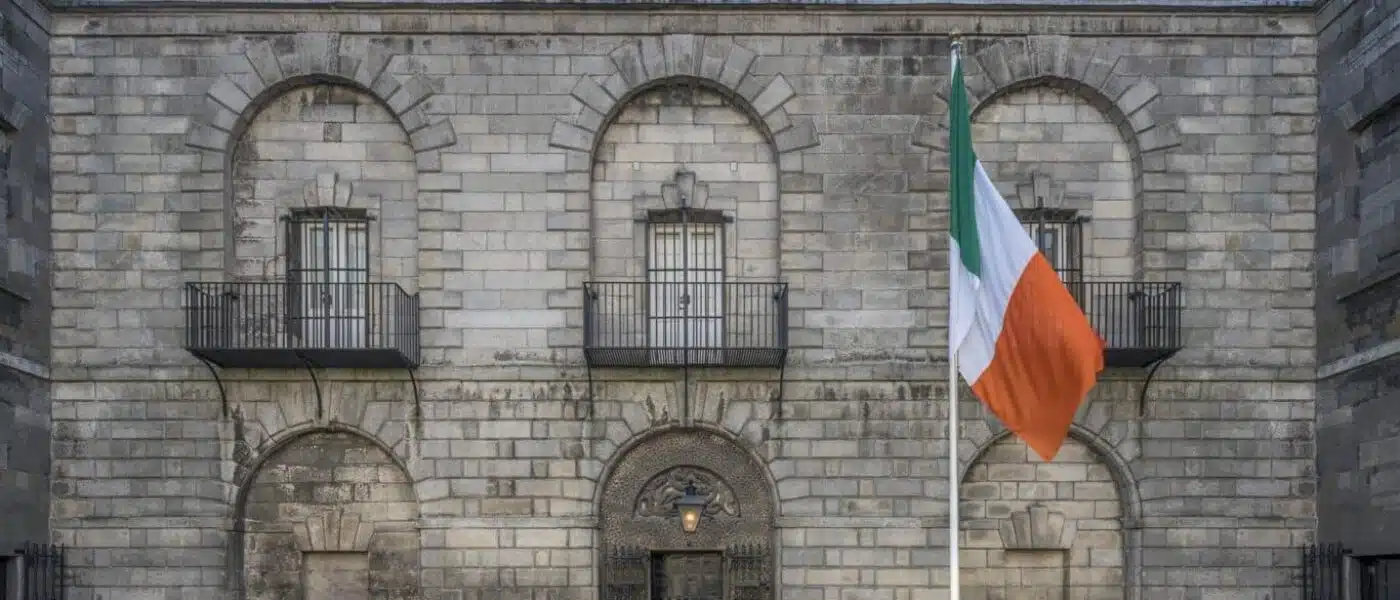
Kilmainham Gaol opened in 1796 and closed in 1924, and in the 128 years between it held petty thieves, Famine survivors, political prisoners and the leaders of every major Irish rebellion. It stands in Kilmainham on the western edge of central Dublin, about two kilometres from Trinity College, a heavy Georgian building behind an arched gate.
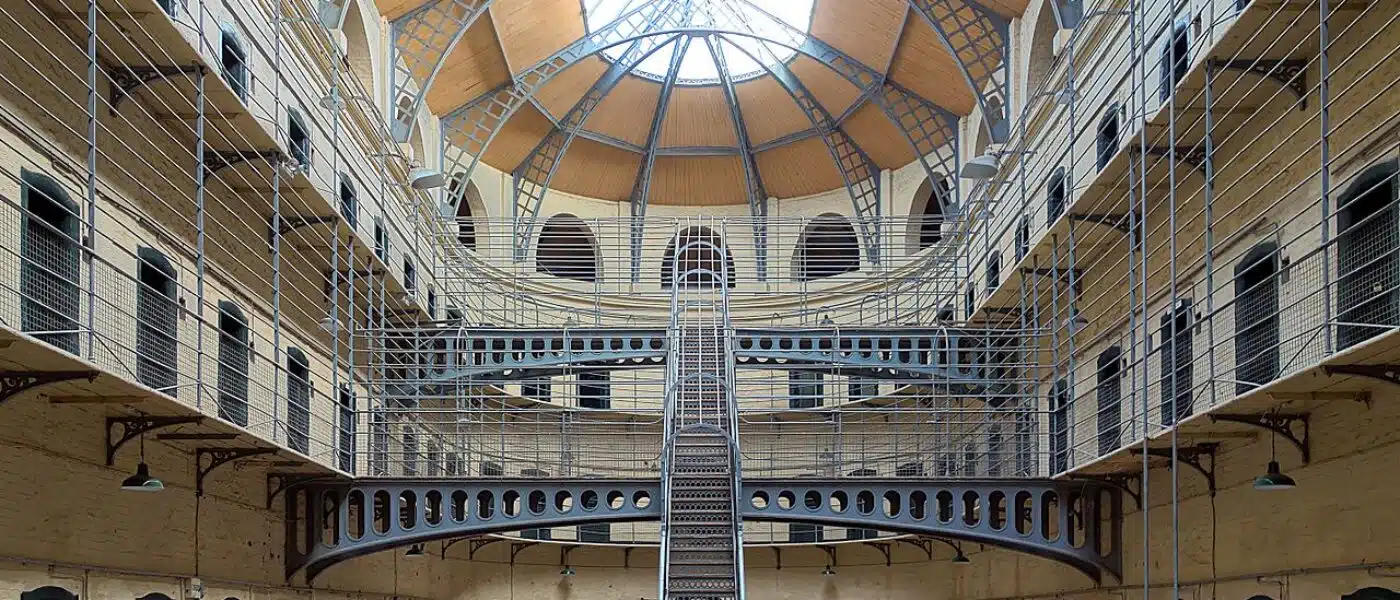
The oldest part is the west wing of 1796: a tight corridor of cells scraped back to raw stone, unglazed windows and a darkness no hour of the day can lift. Up to five people were crammed into cells of just 28 square metres, and in the Famine years some chose to break the law simply to be fed inside. The east wing, added in 1861 to the Pentonville plan, is the one people picture, a soaring Victorian atrium under a vaulted glass roof with three tiers of cells down each side. Its cells held the gaol’s last prisoners, and its story closes the struggle for Irish independence.
From Emmet to 1916
The gaol replaced a patchwork of smaller, older Dublin prisons, and from day one its inmates ranged from children of seven jailed for stealing to men who had led armed risings. The stories of everyday prisoners and of rebels are told together, each given equal weight.
The roll of political prisoners starts with Robert Emmet, executed in 1803, and runs through the Fenians, Charles Stewart Parnell, whose letters to supporters were written in a cell here in 1881, and Countess Markievicz, condemned after 1916 and then spared. The Easter Rising dominates. Patrick Pearse read out the proclamation of an Irish republic outside the General Post Office on Easter Monday, and the fighting lasted six days. Afterward, death sentences were handed to 90 men; fourteen faced the firing squad in the Stonebreakers’ Yard, and Joseph Plunkett wed Grace Gifford in the prison chapel only hours before he died. Public feeling swung hard against British rule, starting the chain of events that brought independence in 1922. The new state found the building too symbolic to keep as a prison and shut it two years later, and it opened as a museum on the Rising’s fiftieth anniversary, in 1966.
No two trips we plan are the same. Yours will be no exception.
Request a quote →Why Go Before the Tours Begin
Standard tours run all day, taking groups of up to 40 along a set route at a set speed, and as one of Dublin’s most visited sights they sell out constantly, especially from late morning to mid-afternoon. Visiting privately before they start, you arrive to an empty building. The west wing in silence feels nothing like the west wing with forty people filing through, and standing alone in the Stonebreakers’ Yard, the past stops being facts on a panel and becomes something you feel.
Your guide moves at your pace. The standard tour covers everything in about an hour; privately, you can dwell on what draws you most, whether that’s 1916, what the Famine meant for ordinary inmates, or the women’s wing and the cell where Markievicz was held, which public groups tend to rush through. It’s a thoughtful, private morning for a couple, friends or a solo traveller.
Chapel, Atrium and Yard
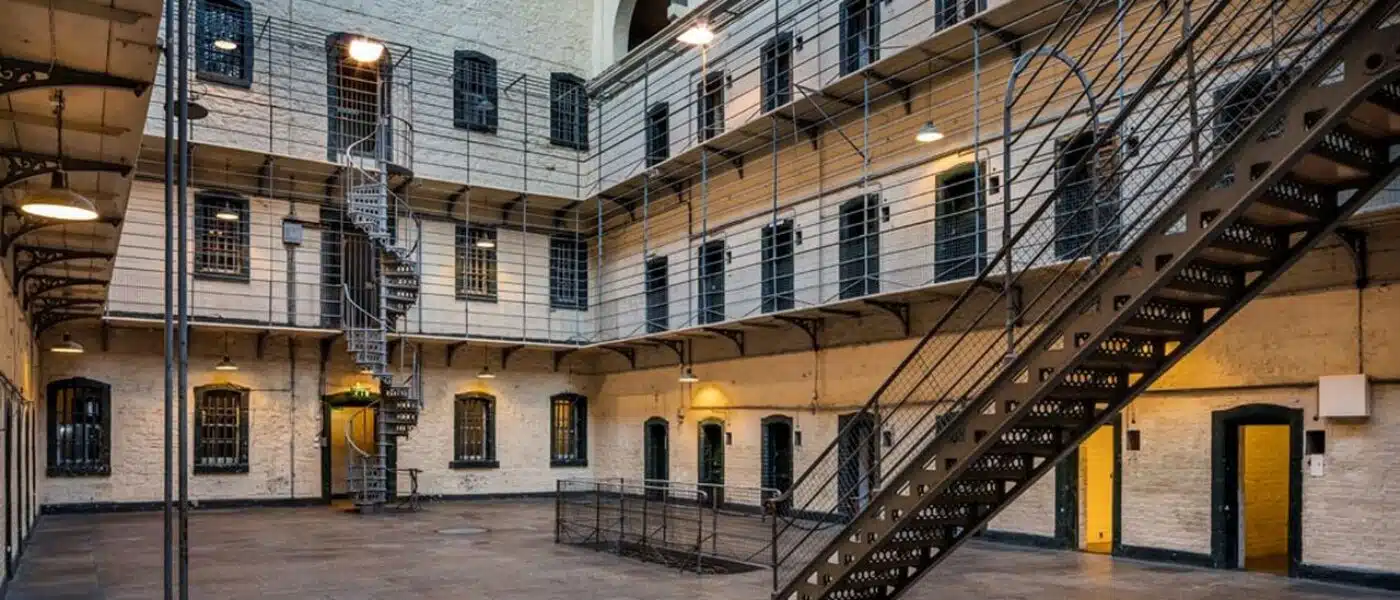
You begin among the first cells of 1796, barely altered, where the cramped passage, heavy doors and open window slits make the atmosphere without any reconstruction. In the small, bare chapel, Plunkett and Gifford were married in the small hours of 4 May 1916, a ten-minute service watched throughout by British soldiers; he was shot before the day was out. The room needs no staging to carry that story.
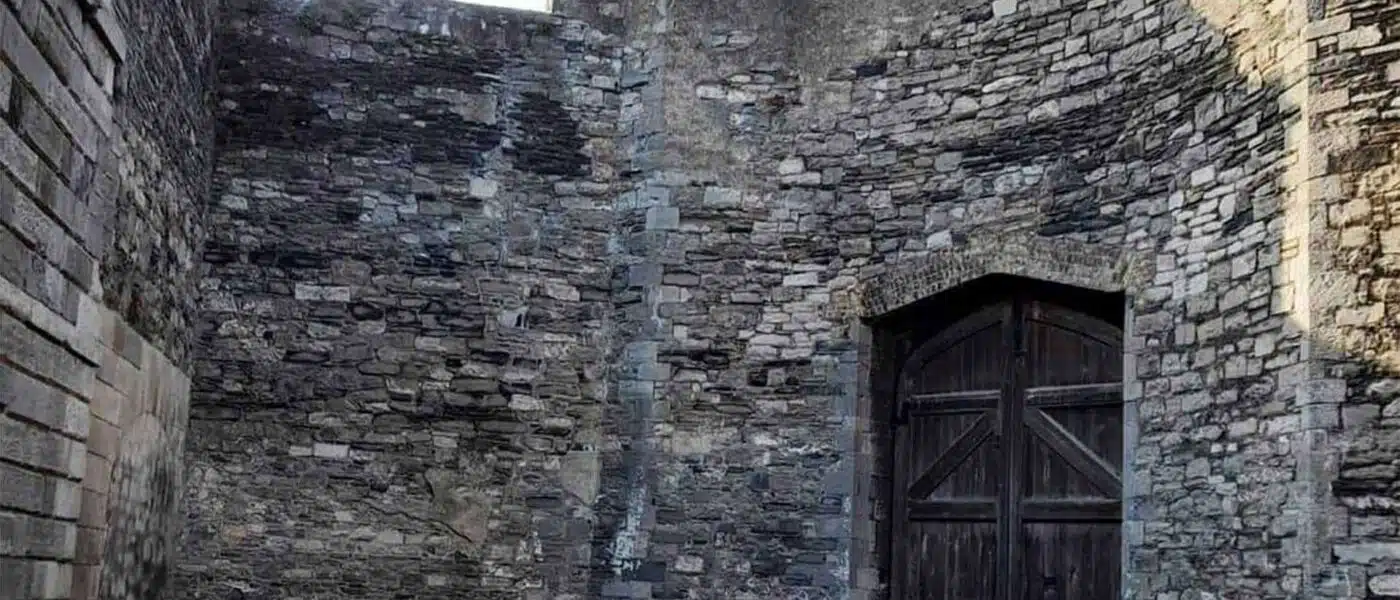
After the old wing, the Victorian atrium is a surprise, three levels of numbered doors climbing toward the glass, the light and the reforming spirit of its Pentonville plan quite different. The visit finishes in the Stonebreakers’ Yard, a cramped, walled space where a cross stands near the place fourteen men were executed across ten May days in 1916, the moment many historians see as the point of no return for Irish independence.
Downstairs, the museum displays prisoners’ letters and possessions, press coverage of the courts-martial and executions and a complete account of the gaol’s history, along with a reconstructed solitary-confinement cell, with multimedia guides throughout. Your Out Of Office LGBTQ+ travel specialist can pair the visit with a welcoming hotel in Dublin.

Your personal travel specialist, from the first conversation to the flight home.
From your first conversation, you’ll have one dedicated expert looking after your trip from start to finish, getting to know you and taking care of every detail along the way. Your journey starts with a complimentary, no-obligation consultation.
More Moments in Ireland
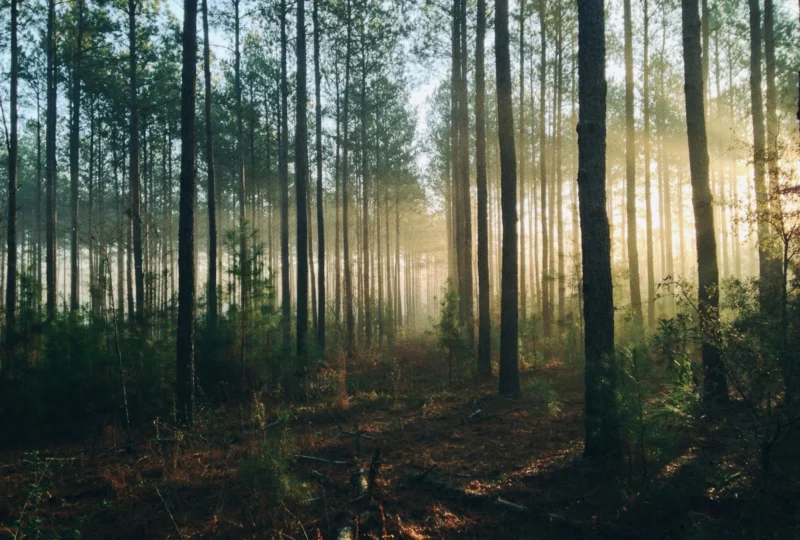
Treetop Ziplines in Tibradden Woods, Dublin Mountains
A Forest on Dublin's Doorstep Tibradden Woods belongs to the historic forest network of the Dublin Mountains, once worked for timber and now cared for as a place for conservation and recreation. Old oaks and conifers shelter foxes, badgers and many woodland birds, and the woods have long been a green escape for Dubliners. A treetop adventure course lets you experience this rich, historic forest from high among its branches.
Discover more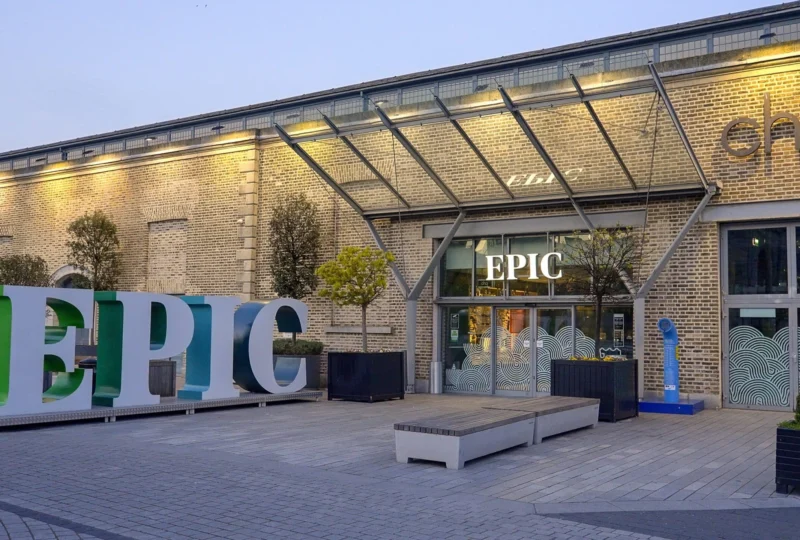
EPIC The Irish Emigration Museum, Dublin, with an Expert Guide
A Passport in the Vaults EPIC occupies the stone-vaulted cellars beneath CHQ on Custom House Quay in Dublin's Docklands, a riverside store for tobacco and wine dating from 1820. Those heavy old vaults give it an atmosphere no purpose-built visitor centre could fake. Everyone receives a small green passport, stamped in each gallery, which captures the shape of the visit: a journey in a set order, from leaving to legacy.
Discover more
Michelin Dining on the Wild Atlantic Way: Aniar and Chestnut
Two Kitchens, One Idea In the West End of Galway, on Lower Dominick Street, Aniar is a small, unfussy room of wood and stone. Dinner runs to 24 courses, each built from whatever the west's farms, wild land, shore and sea gave up that week. A fresh menu is drawn up each morning, so no two nights are the same.
Discover more
We plant trees for every booking
For every booking made with Out Of Office we commit to planting trees in your name to help reduce the impact of travel on future generations. You'll even get a link to see where your trees are planted in the world via our partner Ecologi.


We donate to Rainbow Railroad with every booking
Rainbow Railroad helps LGBTQ+ people escape state-sponsored violence and persecution. A donation goes with every trip we sell, funded by us and never added to your price.


Start Planning Your Trip
Tell us where you would love to go, when you are thinking of travelling and what kind of trip you have in mind. One of our LGBTQ+ travel specialists will create a tailor-made itinerary designed around your destination, style and preferences.
One named specialist, first enquiry to homecoming. No call centre, and nothing is charged until you decide to book.