





Moment · Greece
Akrotiri
Visit the fascinating prehistoric settlement of Akrotiri.
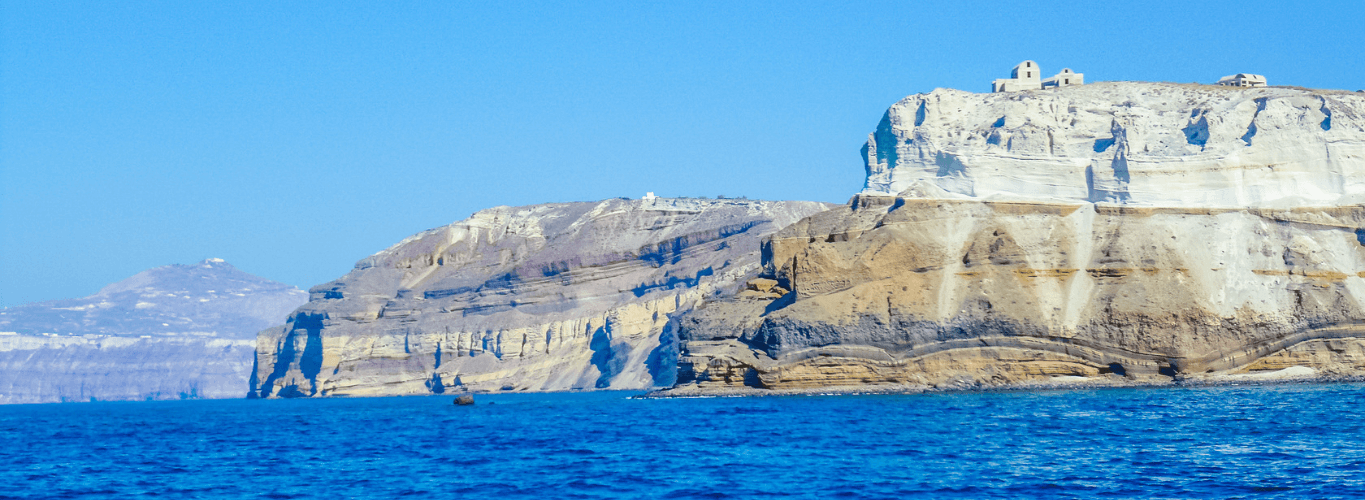
On the southwestern tip of the Greek island of Santorini lies one of the Aegean’s most significant archaeological sites: the ancient city of Akrotiri. This remarkably well-preserved Minoan town was buried under volcanic ash when the island’s famous volcano erupted around 1600 BCE. Today, Akrotiri provides a fascinating window into Bronze Age life in the Cyclades.
When was Akrotiri discovered?
Excavations began at Akrotiri in 1967, spearheaded by Greek archaeologist Spyridon Marinatos. The dig uncovered an elaborate settlement with multi-story buildings, advanced drainage systems, and colourful wall frescoes depicting scenes of nature, people, and mythology. Artefacts like pottery, tools, and furniture remain intact thanks to the layers of ash that covered Akrotiri after the volcano’s eruption. It’s believed that inhabitants were able to evacuate before disaster struck.
Akrotiri reflects features of early Minoan civilisation centred on the nearby island of Crete, including architectural styles and fresco artistry. Narrow cobblestone streets connect the well-planned city dotted with homes and public buildings. Akrotiri clearly was a prosperous port town engaged in trade and cultural exchange throughout the Mediterranean.
What is Akrotiri like now?
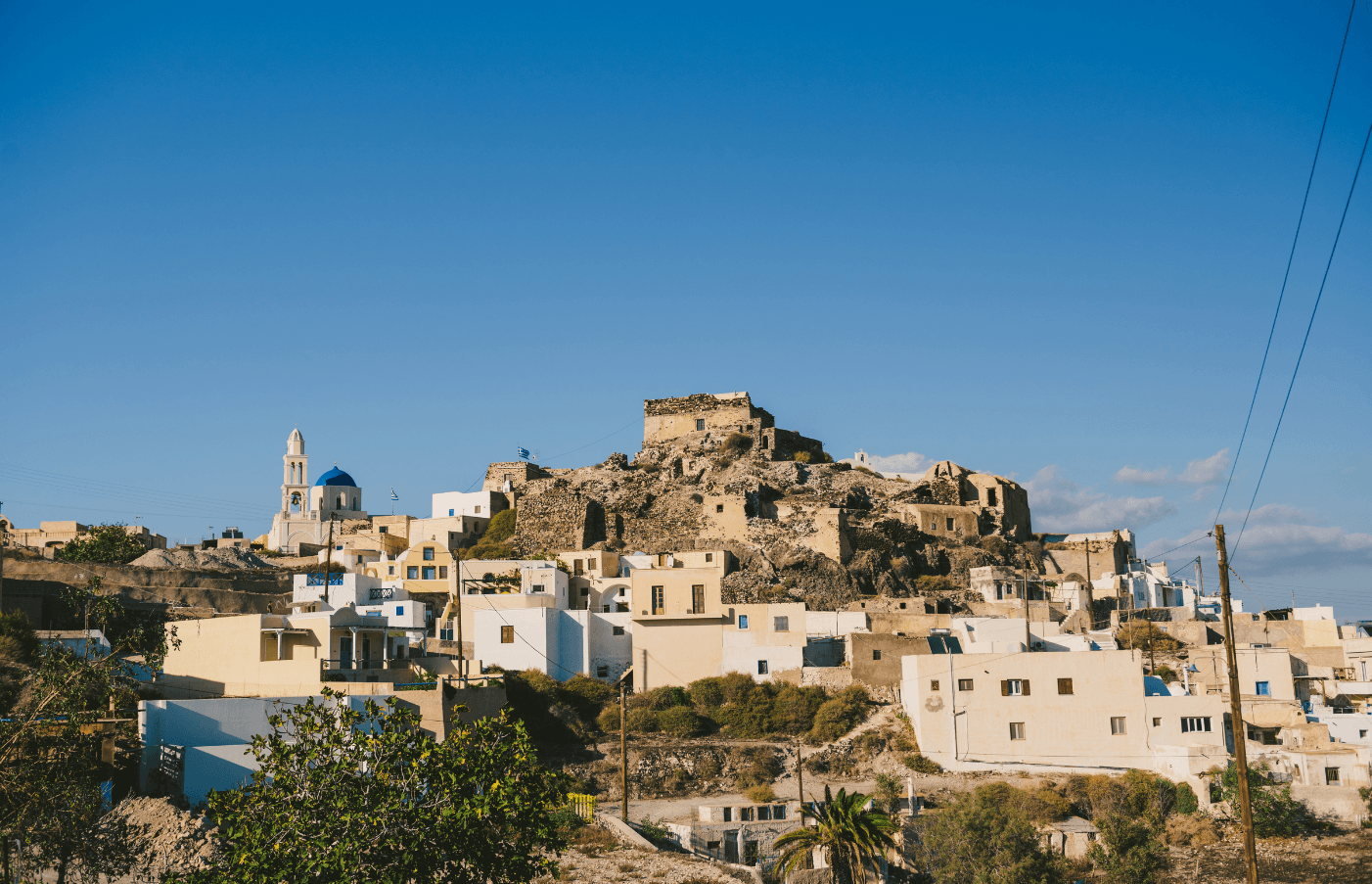
Visitors can view the site’s highlights on guided tours along designated walkways. The famous frescoes now reside mainly in the Museum of Prehistoric Thera, but you can see replicas showcasing their impressive artistry. Sturdy three-story structures give a sense of Akrotiri’s size and urban design, including details like windows, staircases, and clay pipes. Stop inside the “Xeste 3” building to observe millennia-old milling tools, mortars, and eating vessels.
At the southern end stands the renowned House of the Ladies, named for the fresco fragment depicting graceful women in complex robes. This grand villa had around 35 rooms on multiple levels, with an ingenious drainage system to handle water runoff from the roof. Nearby lies the House of the Admirals, one of Akrotiri’s royal residences adorned with elaborate frescoes.
Heading north, you’ll pass the House of the Red Walls before reaching the Central Square. This open marketplace likely hosted public events and rituals in Akrotiri. Continuing past temples and monumental civic buildings, the North House boasts eyecatching frescoes like the Spring Flowers, showing swallows swooping among blooming lilies.
Akrotiri’s West House delivers the most complete fresco programme surviving today, with subjects like monkeys, fishermen, and boys picking saffron crocuses. This villa also retained several upper levels, giving a sense of Akrotiri’s vertical design. The neighbouring House of the Ladies showcases an elaborate toilet drainage system and female figures painted in Minoan fashion.
Your personal travel specialist, from the first conversation to the flight home.
Request a quote →Why is it worth visiting Akrotiri?
After being unearthed from ash after thousands of years, Akrotiri’s ruins transport visitors back to an era when Aegean civilisations prospered through maritime trade and cultural ingenuity.
While roughly a third has been excavated, Akrotiri remains a remarkably intact window into this sophisticated prehistoric society on Santorini.
Wandering the ancient streets today, you can vividly glimpse life in the vibrant Cycladic port town suddenly halted by volcanic forces beyond its inhabitants’ control.

Tell us how you like to travel. We will shape the trip around it.
How long you want to be away, how much you want to move, and what you would rather leave out entirely.
More Moments in Greece
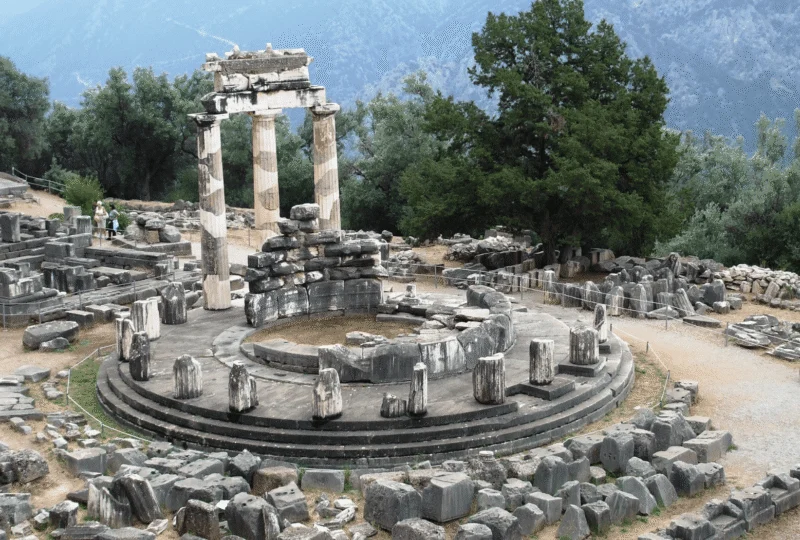
Delphi
Delphi is an ancient Greek city located in the region of Central Greece. It was significant culturally and religiously due to its association with the god Apollo. According to mythology, Apollo spoke to mortals through the Oracle of Delphi, making it a centre of spiritual reverence and awe.
Discover more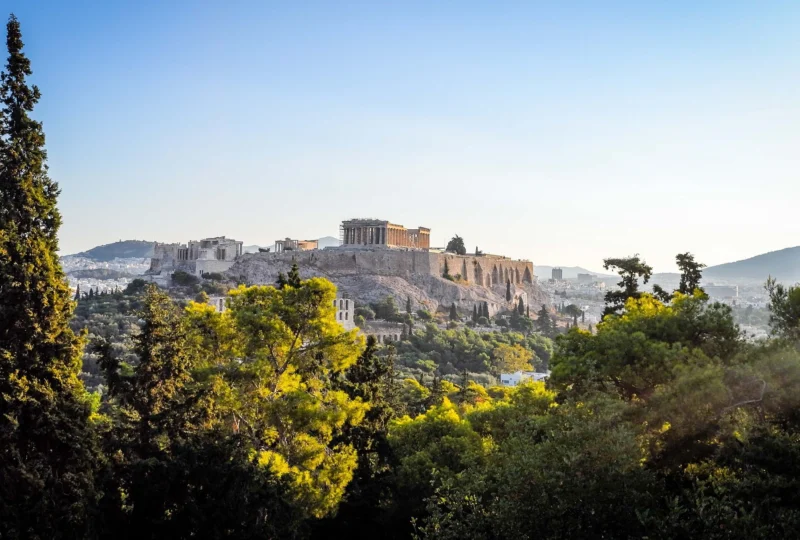
Acropolis of Athens
Visiting the Acropolis of Athens is an awe-inspiring experience. Walk in the footsteps of ancient Greeks and wander among ruins that have witnessed 2,500 years of history. Get ready to explore one of the world's most iconic monuments. The history of the Acropolis As you explore the Acropolis, it's important to remember its long history.
Discover more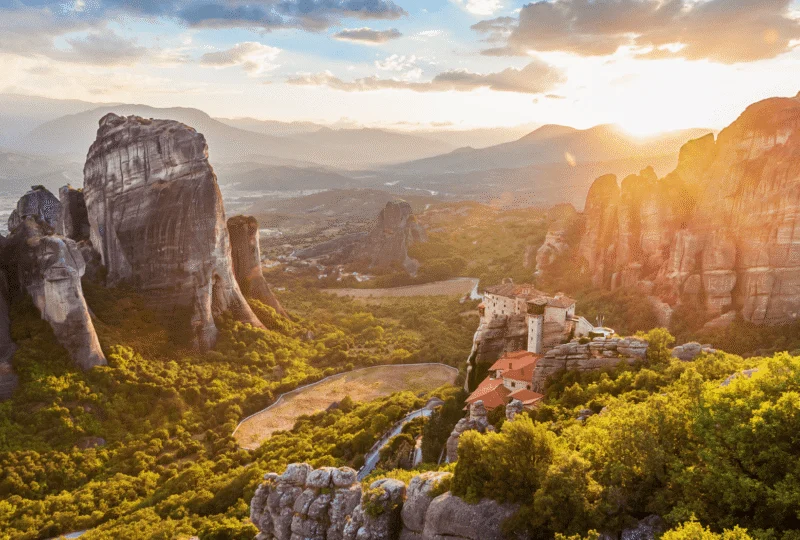
Meteora
Meteora is a stunning geological formation in Greece, made up of soaring sandstone rocks and ancient monasteries. Its name literally translates to “suspended in air” and it's no surprise why. Standing at around 400 metres high, these sheer cliffs stay firmly rooted in the sky, hosting an array of awe-inspiring monasteries. Meteora’s story is truly remarkable - it is both a testament to natural beauty and human resilience.
Discover more
We plant trees for every booking
For every booking made with Out Of Office we commit to planting trees in your name to help reduce the impact of travel on future generations. You'll even get a link to see where your trees are planted in the world via our partner Ecologi.


We donate to Rainbow Railroad with every booking
Rainbow Railroad helps LGBTQ+ people escape state-sponsored violence and persecution. A donation goes with every trip we sell, funded by us and never added to your price.


Start Planning Your Trip
Tell us where you would love to go, when you are thinking of travelling and what kind of trip you have in mind. One of our LGBTQ+ travel specialists will create a tailor-made itinerary designed around your destination, style and preferences.
One named specialist, first enquiry to homecoming. No call centre, and nothing is charged until you decide to book.