




Editorials
First Time in Japan: What to Know Before You Go
Expert planning unlocks the Japan most first-time travelers miss: private temple access, Michelin kaiseki reservations, and seamless LGBTQ-friendly itineraries.
Japan operates differently than anywhere else you’ve traveled. The logistics that make other destinations manageable fall apart here. Restaurant reservations require Japanese phone numbers. Ryokans enforce strict check-in windows with no flexibility. Train station announcements default to Japanese, with English translations that come too late or not at all (the train will be on time, though!). The country rewards preparation and punishes improvisation, which makes first-time independent travel a high-stakes gamble most people lose.
The difference between a good Japan trip and an exceptional one comes down to access, timing, and cultural knowledge. We’ve spent a decade building the relationships and expertise that turn complex logistics into seamless itineraries.
The Access Difference
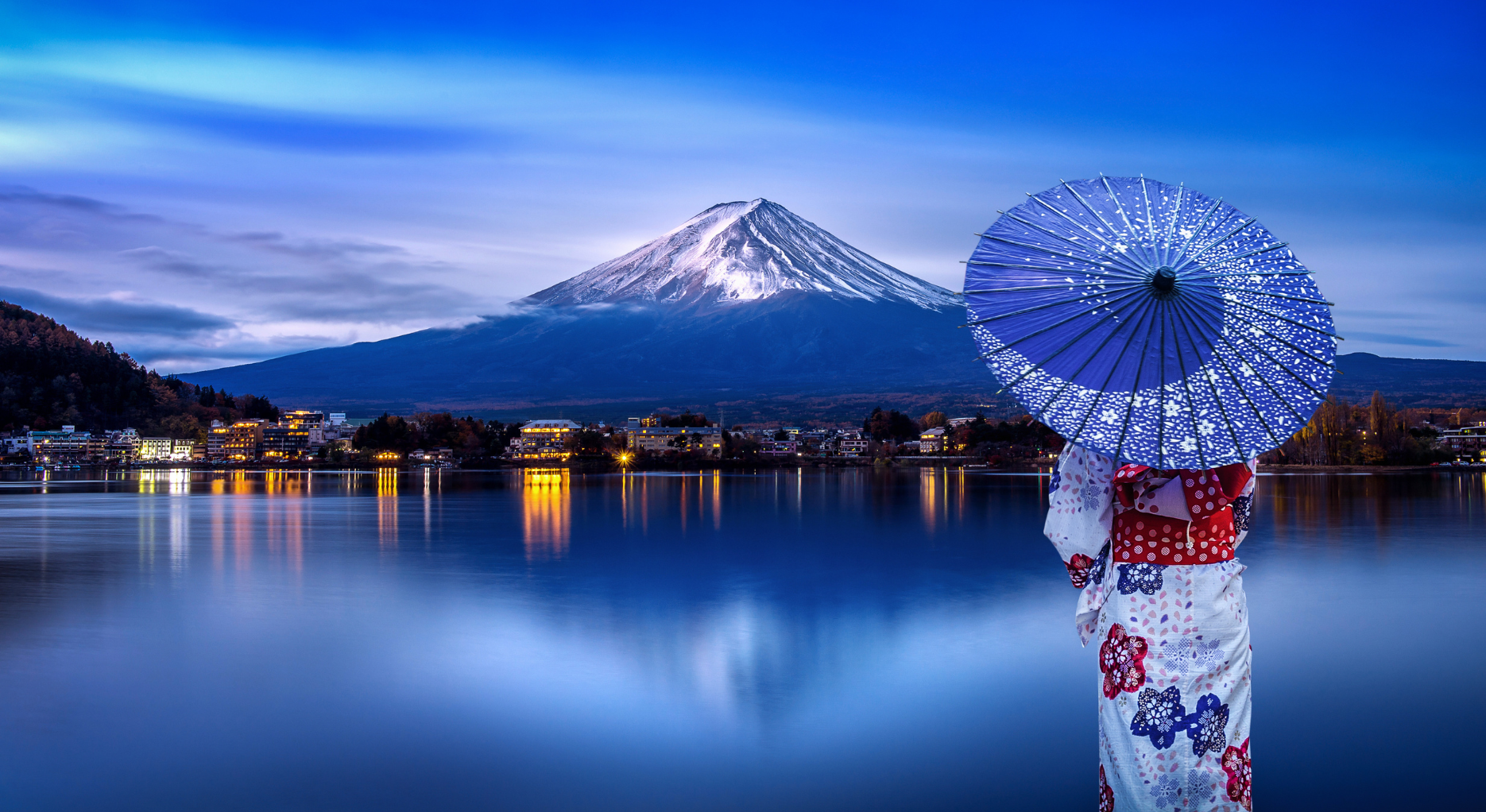
Japan’s best experiences don’t appear on booking platforms. Three-Michelin-star kaiseki restaurants like Kyoto’s Kikunoi or Tokyo’s Kanda accept reservations 2-3 months ahead, require Japanese language confirmation calls, and won’t take bookings from overseas numbers. Temple properties offering traditional Buddhist lodging in Koyasan’s monastery complex don’t list on hotel sites. Tea ceremony masters who studied under previous generation experts work through referral networks, not public advertising.
We maintain direct relationships with kaiseki establishments, ryokan owners, and cultural guides who don’t work with the general public. Our team books in Japanese, manages the deposit payments some properties require, and secures access to experiences that independent travelers can’t reach. You’re not choosing from what’s publicly available.
You’re accessing the network we’ve built over years of client trips. The result: private after-hours access to Kyoto temples before tour groups arrive, kaiseki dinners at establishments that require introductions, sake brewery visits with fourth-generation toji brewers who don’t typically host international guests.
Language as Cultural Gateway
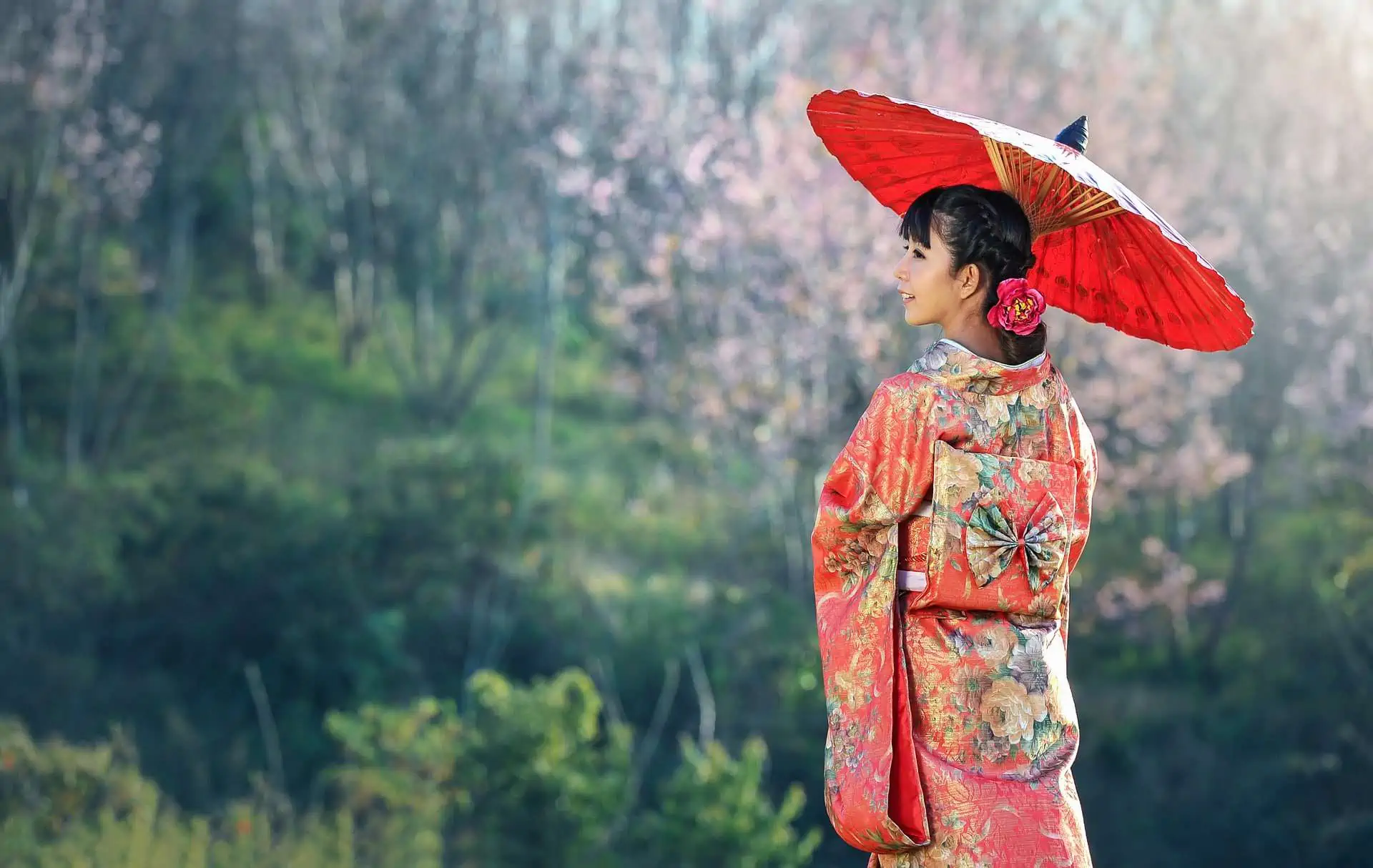
Japanese fluency opens Japan in ways translation apps can’t replicate. Restaurant staff can explain the chef’s philosophy behind each kaiseki course. Ryokan owners share the history of their 200-year-old property and why they source specific ingredients from particular prefectures. Tea ceremony masters articulate the aesthetic principles that make seemingly simple movements profound.
Our guides and partners provide this cultural depth in English. You’re not just seeing temples, you’re understanding why specific architectural choices reflect Buddhist philosophy. You’re not just eating sushi, you’re learning how Edomae techniques differ from Kansai styles and why your chef selected today’s fish from Toyosu Market over other options.
The practical logistics work seamlessly because we handle them in Japanese: coordinating check-in times with transportation schedules, confirming dietary restrictions with kaiseki chefs weeks in advance, arranging private onsen bathing times at properties that typically mandate communal facilities.
Transportation That Actually Works
Japan’s rail system operates with precision that makes ambitious itineraries possible. The Shinkansen covers Tokyo to Kyoto in 2 hours 15 minutes. Trains depart on-time to the second. Reserved Green Car seats offer space, quiet, and comfort that transforms travel time into part of the experience, not just transit between destinations.
We book all train tickets in advance, selecting optimal departure times and reserved seating. Our itineraries build in realistic connection windows, account for station layouts (Tokyo Station has 30+ platforms across multiple levels), and coordinate luggage delivery services so you’re not hauling bags through subway transfers. You receive detailed instructions in English for each connection, plus our 24/7 phone support for the moments when station navigation gets confusing.
Regional transportation requires more coordination. Buses to mountain ryokans run on limited schedules. Some routes need advance reservations. We arrange private car service for routes where public transit doesn’t align with your schedule, particularly for luggage-heavy transfers or when arriving at ryokans during their strict check-in windows.
Accommodation Expertise
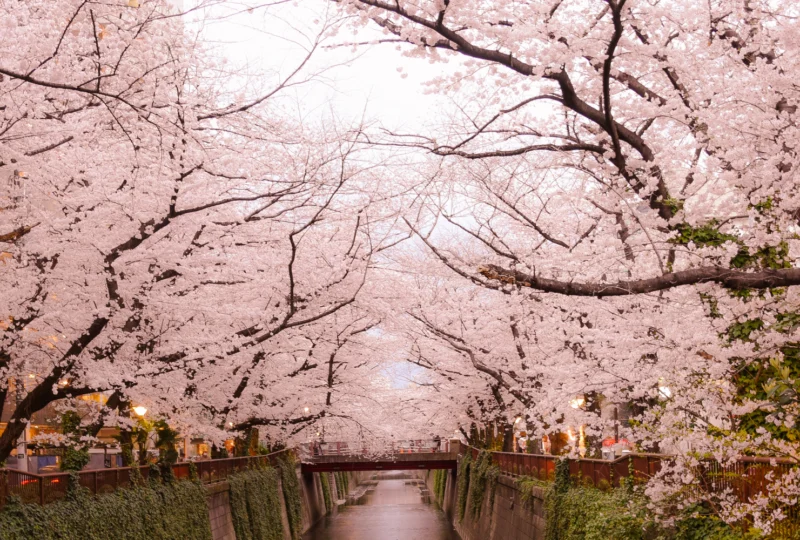
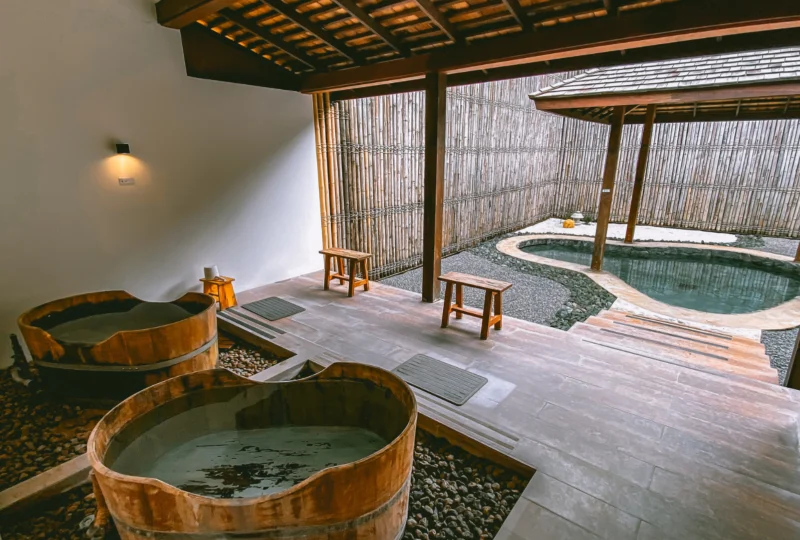
Ryokans operate on different systems than hotels, and the distinctions matter. Check-in windows run 3-5pm because kaiseki dinners begin at 6pm and can’t accommodate late arrivals. Traditional rooms use futon bedding on tatami floors. Onsen bathing follows specific protocols that vary by property. These aren’t obstacles, they’re part of what makes ryokan stays authentic, but they require advance coordination.
We select properties based on a decade of client feedback. Our ryokan partners understand international preferences while maintaining the traditional elements that make these stays special. We confirm onsen policies, arrange private bathing times when needed, and coordinate check-in schedules with your actual arrival logistics. The properties we use have hosted our clients for years and know our standards for service, English communication capability, and flexibility with Western dining preferences.
Tokyo hotels present different considerations. Neighborhoods shift character dramatically. Shinjuku offers energy and convenience but less traditional atmosphere. Marunouchi provides business hotel efficiency near Tokyo Station. Roppongi skews international. We match locations to your actual daily itineraries so you’re not spending 90 minutes commuting to attractions.
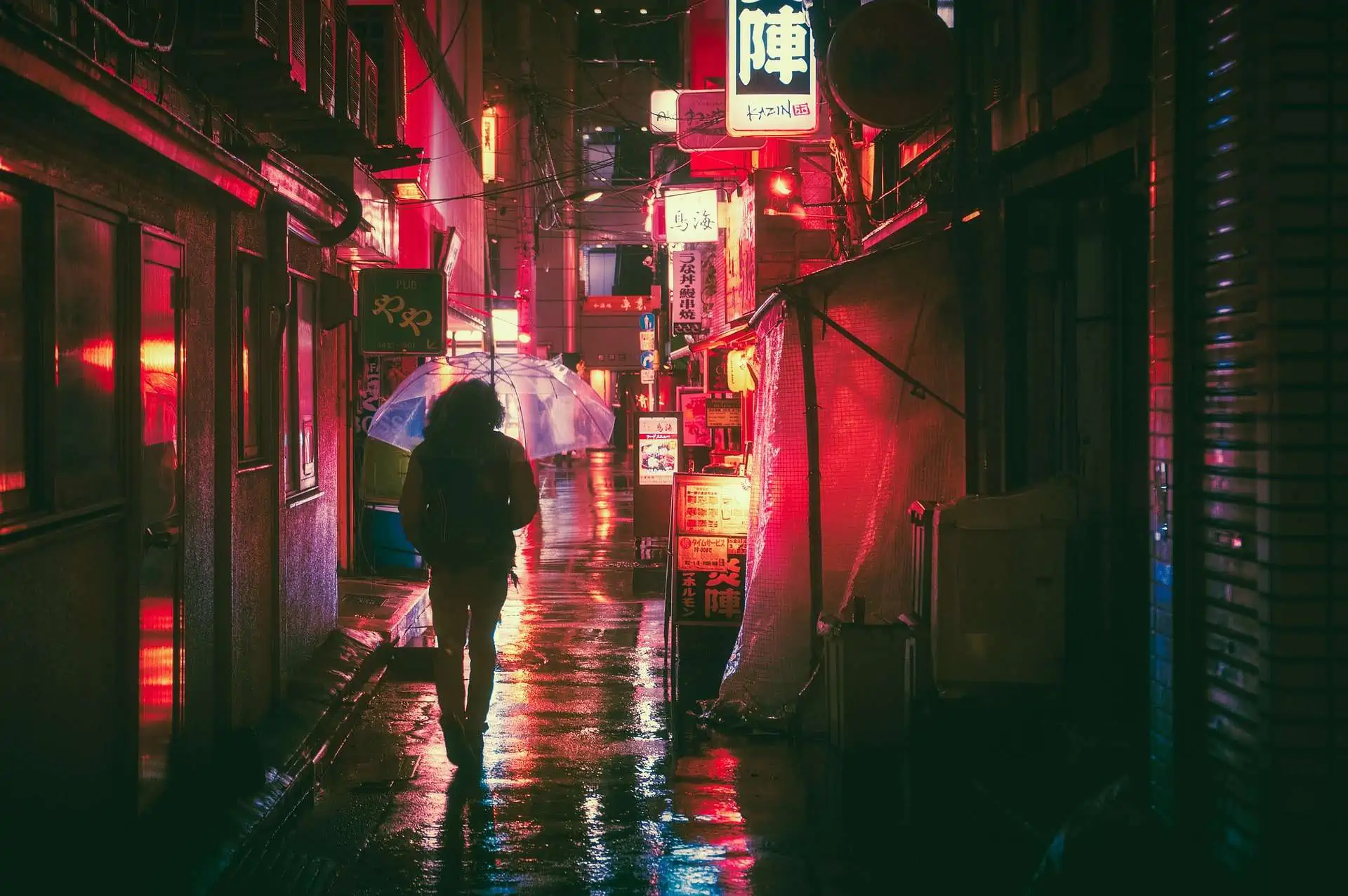
We know where you will be welcome, and where to take more care.
Request a quote →LGBTQ+ Travel in Japan
Japan’s LGBTQ+ landscape doesn’t match Western frameworks, but it offers genuine opportunities for LGBTQ+ travelers who understand the context. Same-sex couples travel safely throughout the country. Major hotels in Tokyo and Osaka accommodate same-sex guests without issue. The challenges come from cultural conservatism rather than hostility: public displays of affection between any couples remain uncommon, traditional ryokans may hesitate at same-sex double occupancy requests, and legal protections don’t extend to foreign same-sex couples.
Prime Minister Sanae Takaichi, who took office in October 2025, opposes same-sex marriage, reflecting the political conservatism that shapes Japan’s current climate. Partnership certificates exist in 530+ municipalities but carry no legal weight for international visitors. Japan remains the only G7 country without same-sex marriage recognition.
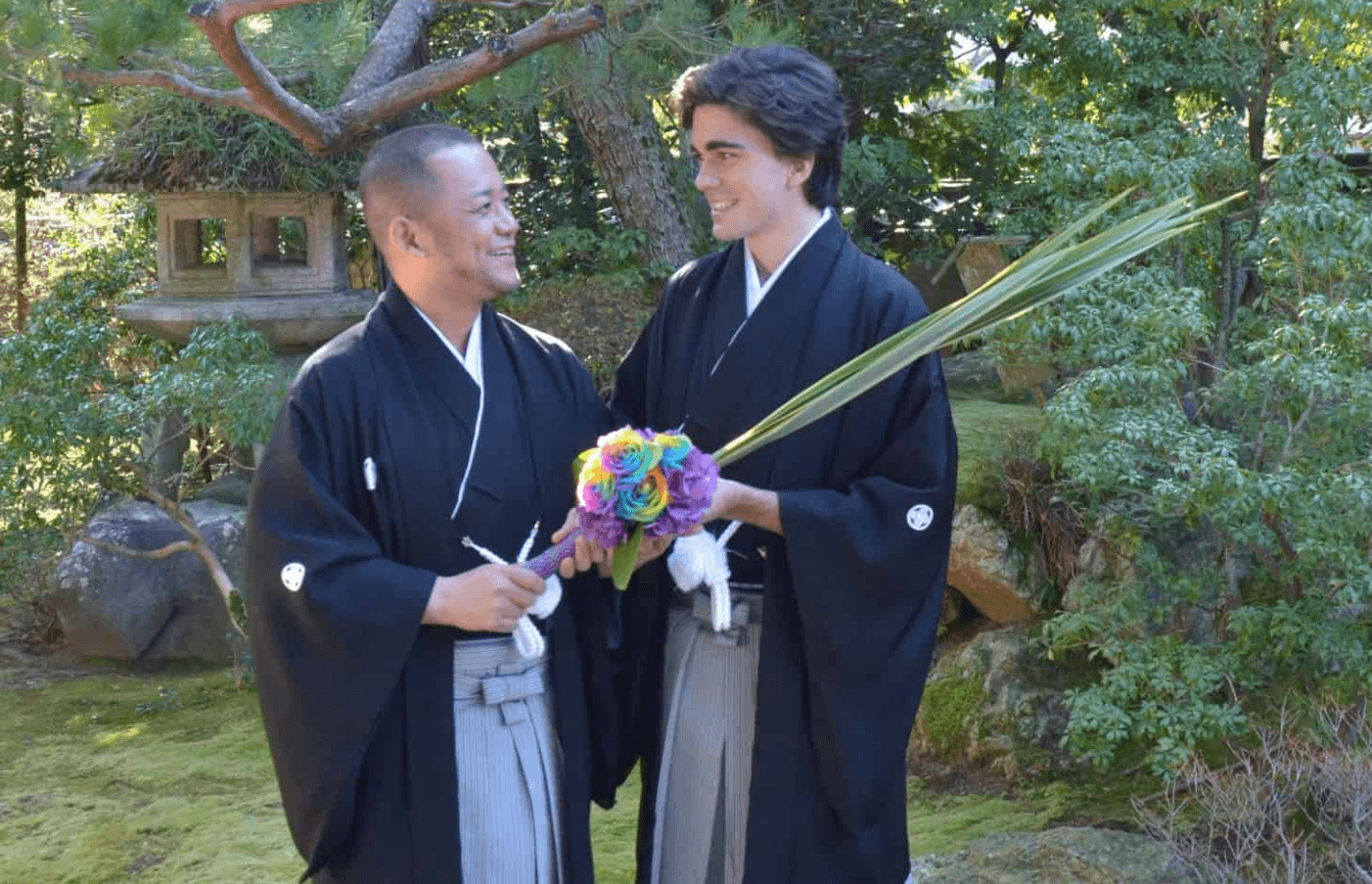
We’ve spent years identifying genuinely welcoming properties through direct experience. Our recommended ryokans accept same-sex couples for double occupancy without hesitation. We arrange private onsen access when communal facilities create complications for same-sex couples or transgender travelers. Our guides understand LGBTQ+ travel dynamics and adjust recommendations based on comfort levels.
Tokyo’s Shinjuku Ni-chome district offers concentrated LGBTQ+ nightlife, though individual bars cater to specific demographics with unstated policies. We connect clients with LGBTQ+ local guides who navigate these spaces effectively and introduce you to venues where international travelers receive genuine welcome.
The key is honest assessment. Japan offers incredible experiences for LGBTQ+ travelers who come with realistic expectations about cultural context. We provide the local knowledge that makes navigation smooth rather than stressful.
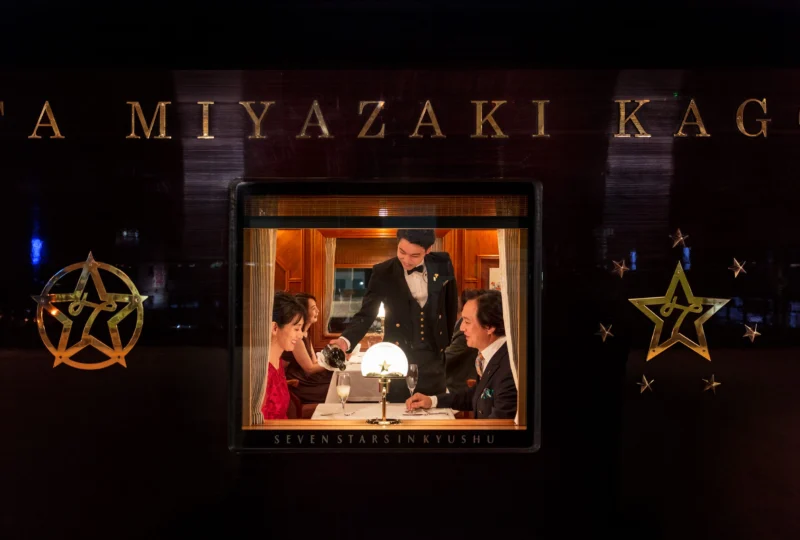
Cultural Knowledge That Enhances Experience
Japanese cultural protocols aren’t barriers, they’re pathways to deeper engagement when you understand the context. Temple and shrine visiting follows specific practices: purification rituals at entrance fountains, proper prayer positions, photography restrictions in certain buildings. Knowing these protocols transforms visits from photo stops into genuine cultural encounters.
Dining etiquette adds meaning to meals. Kaiseki courses arrive in specific sequences reflecting seasonal progression. Sitting positions at traditional restaurants indicate respect for the space and chef. These aren’t arbitrary rules, they reflect aesthetic and philosophical traditions refined over centuries.
Our pre-trip briefings cover the cultural context that matters. We arrange experiences with English-speaking guides who explain why specific practices exist rather than just instructing you to follow them. The tea ceremony masters we work with articulate the principles behind movements that might otherwise seem merely formal.
You’re not performing Japanese culture as an outsider, you’re engaging with it at a level that independent travel rarely reaches.
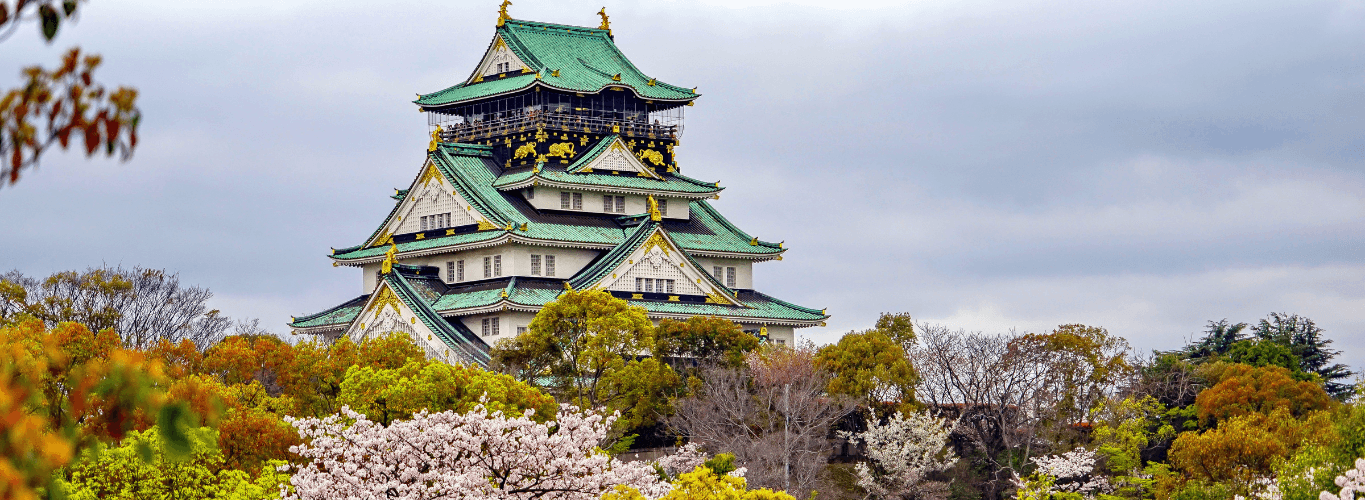
Why Expert Planning Delivers Different Experiences
First-time Japan itineraries fail most often through timing and access issues. Travelers book accommodations in the wrong neighborhoods, miss reservation windows for top restaurants, underestimate the jet lag impact on ambitious first-day schedules, or allocate too many days to Tokyo and not enough to Kyoto and regional destinations.
Japan requires systems knowledge: which neighborhoods make sense for your actual interests, how far in advance specific experiences need booking, which cultural attractions resonate with Western visitors versus the ones that photograph well but disappoint in person, what constitutes realistic daily pacing given meal timing and transportation schedules.
Our planning process starts three to four months before departure. We secure kaiseki reservations the day they open. We build itineraries that flow naturally: temple visits in morning hours before crowds, afternoon timing for neighborhood walks, evening restaurant reservations that account for realistic daily pacing. We arrange the private access and cultural experiences that distinguish exceptional Japan trips from standard ones.
You receive detailed daily instructions, 24/7 phone support, and the confidence that comes from working with specialists who’ve refined these itineraries over hundreds of client trips. The logistics work seamlessly because we’ve made the mistakes already and built the relationships that prevent them from recurring.
The Japan You Actually Want
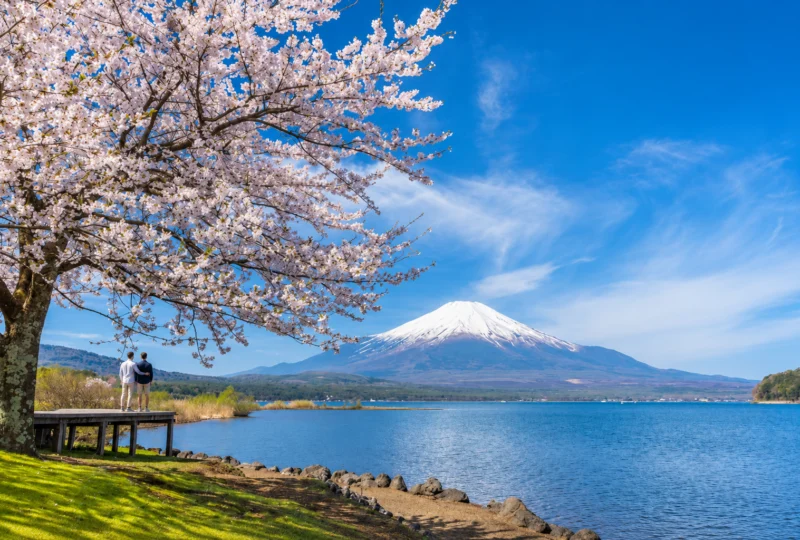
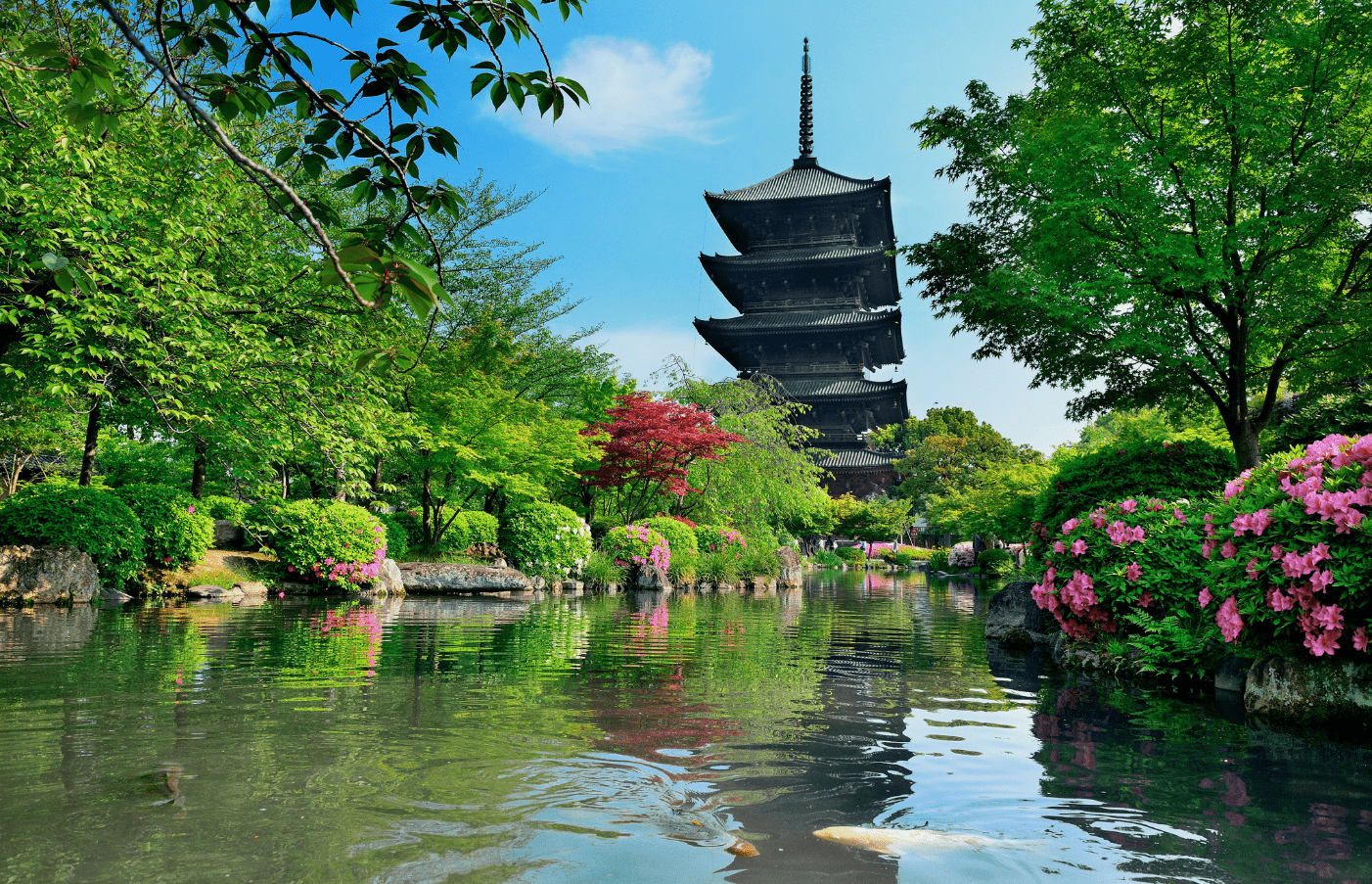
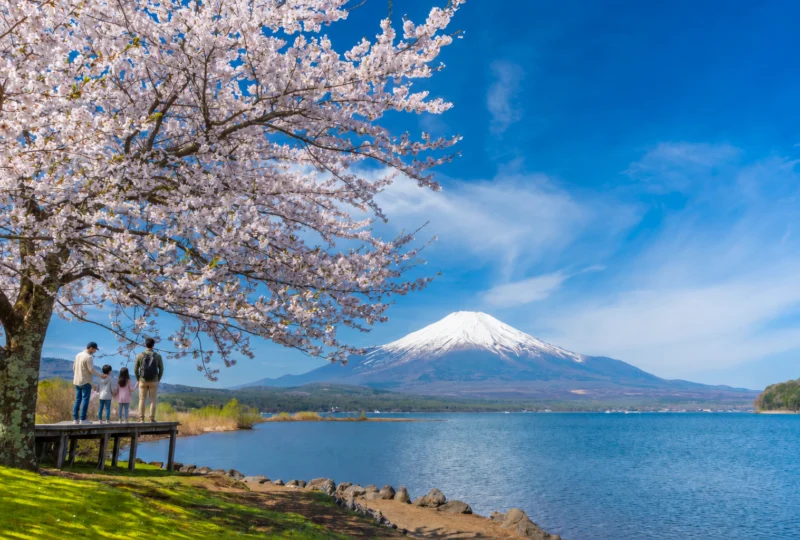
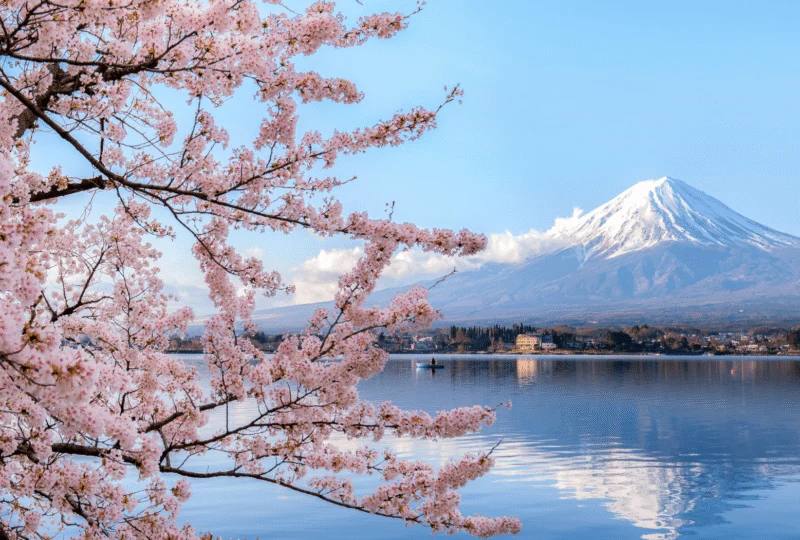
First-time Japan travel should deliver the experiences that made you want to visit: pristine temples in bamboo groves, kaiseki meals where each course reflects seasonal perfection, bullet trains framing Mount Fuji views, traditional ryokans where service anticipates needs before you articulate them.
Expert planning makes these experiences possible at the level they deserve. You get the private temple access, the kaiseki reservations, the ryokan stays, the cultural guides who explain context rather than just pointing at attractions. We handle the coordination that makes complexity invisible and lets you focus on the extraordinary country you came to experience.

On this page
- The Access Difference
- Language as Cultural Gateway
- Cherry Blossom Season in Japan: A Gay Travel Guide
- Transportation That Actually Works
- Cherry Blossom Japan Tour: Tokyo & Kyoto
- Accommodation Expertise
- LGBTQ+ Travel in Japan
- The Best Luxury Sleeper Trains in Asia
- Cultural Knowledge That Enhances Experience
- Why Expert Planning Delivers Different Experiences
- The Japan You Actually Want
New to Out Of Office?
We are a luxury travel company for LGBTQ+ travelers. Everything we sell is tailor-made, planned by one named member of our team throughout, and nothing on this site is a fixed package unless it says so.
Where exclusivity meets inclusivity
Ten years, hundreds of five-star reviews, and a team who will tell you when a destination is not right for the trip you have in mind.
Tell us where your mind keeps going back to. We will do the rest.
A line or two is enough to start. A specialist will pick it up from there.
Stellar service. Stellar products. Stellar people and it gets so much better when you pick up the phone and call.
Anthony S.
Super client centred service. From first contact I have had warm, efficient, friendly and flexible service.
John
I’m confident in giving Out Of Office a 5-star review! They are one of the leaders in this space without a doubt.
Tiberiu

We plant trees for every booking
For every booking made with Out Of Office we commit to planting trees in your name to help reduce the impact of travel on future generations. You'll even get a link to see where your trees are planted in the world via our partner Ecologi.

We donate to Rainbow Railroad with every booking
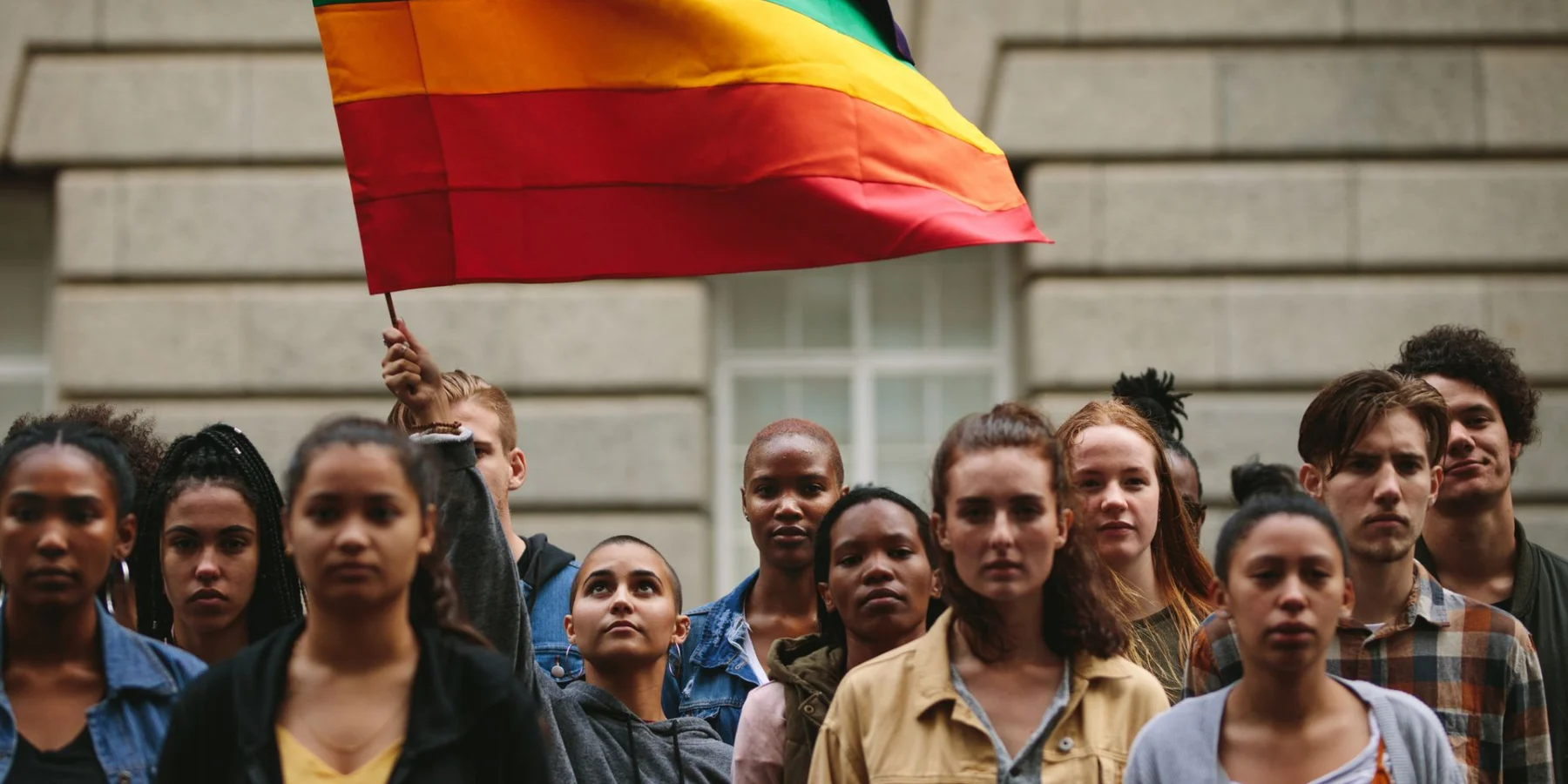
Rainbow Railroad helps LGBTQ+ people escape state-sponsored violence and persecution. A donation goes with every trip we sell, funded by us and never added to your price.

Start Planning Your Trip
Tell us where you would love to go, when you are thinking of traveling and what kind of trip you have in mind. One of our LGBTQ+ travel specialists will create a tailor-made itinerary designed around your destination, style and preferences.
One named specialist, first inquiry to homecoming. No call center, and nothing is charged until you decide to book.