




Moment · Spain
Barcelona’s Gothic Quarter at First Light, Privately Guided
Walk the Barri Gòtic's Roman walls, hidden squares and old Jewish quarter at dawn, before the crowds and the heat arrive.
Two Thousand Years in a Few Streets
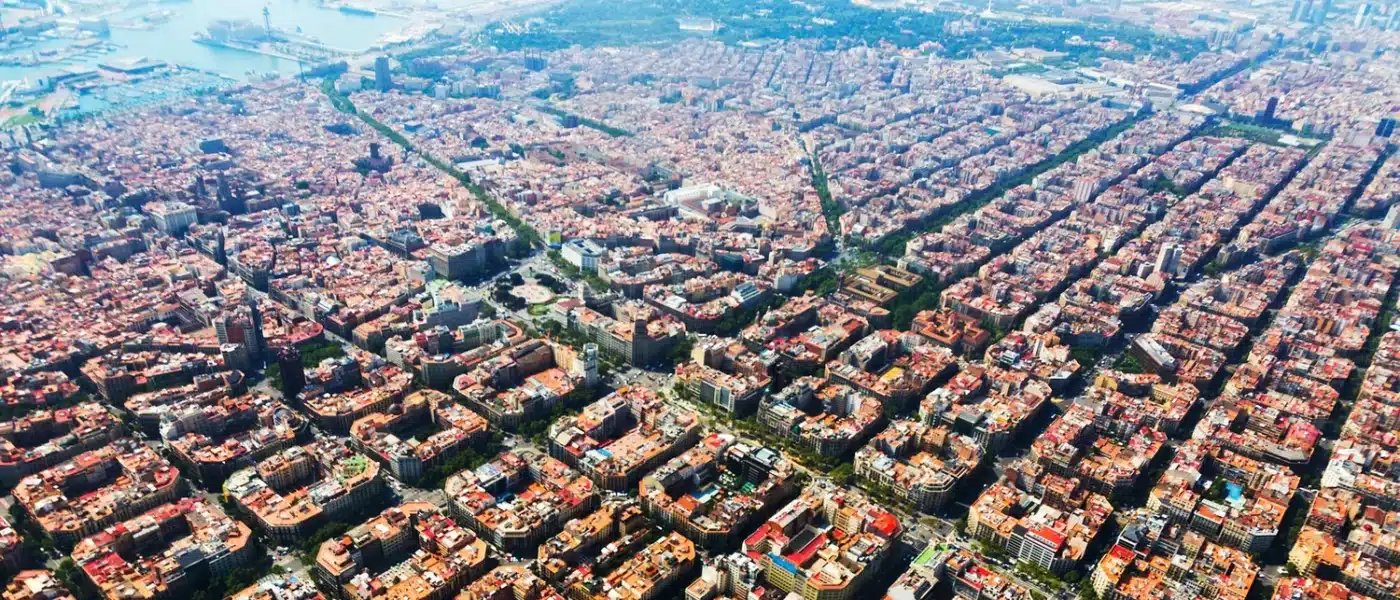
The Barri Gòtic is the heart of old Barcelona. Some of its stones go back to Roman Barcino, with pieces of the ancient wall still standing, and over the centuries it grew into the city’s religious and political center, layered with Romanesque, Gothic, and neo-Gothic buildings. The cathedral, royal palaces, and civic halls are here, many still in use.
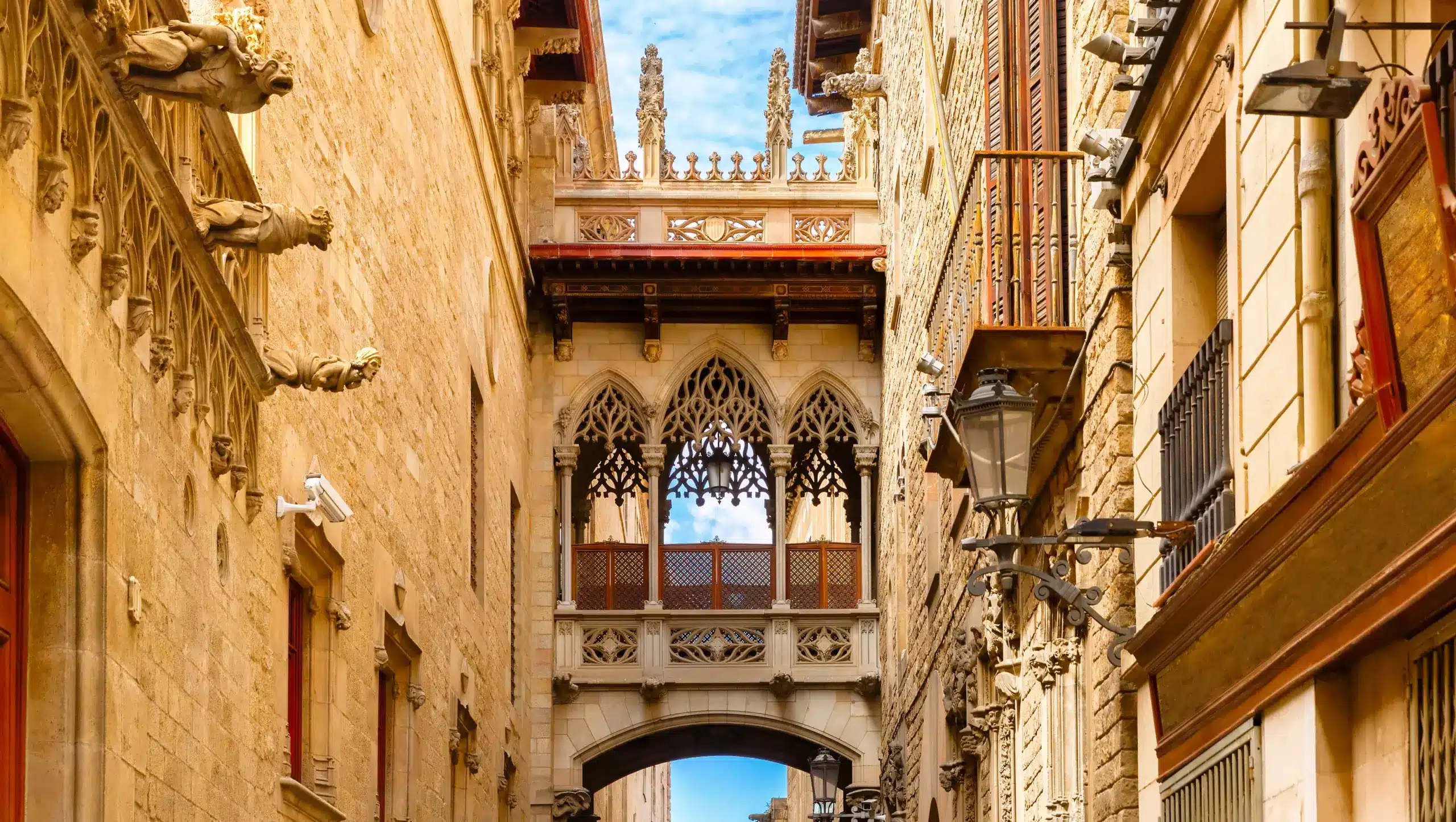
By day the quarter is jammed with tour groups, buskers, and traffic, and favorites like the Pont del Bisbe and Plaça Reial mean weaving through crowds. It’s atmospheric at any hour, but when it’s overrun, you lose the thread of its history. Early morning shows it in a completely different light.
At Your Own Pace
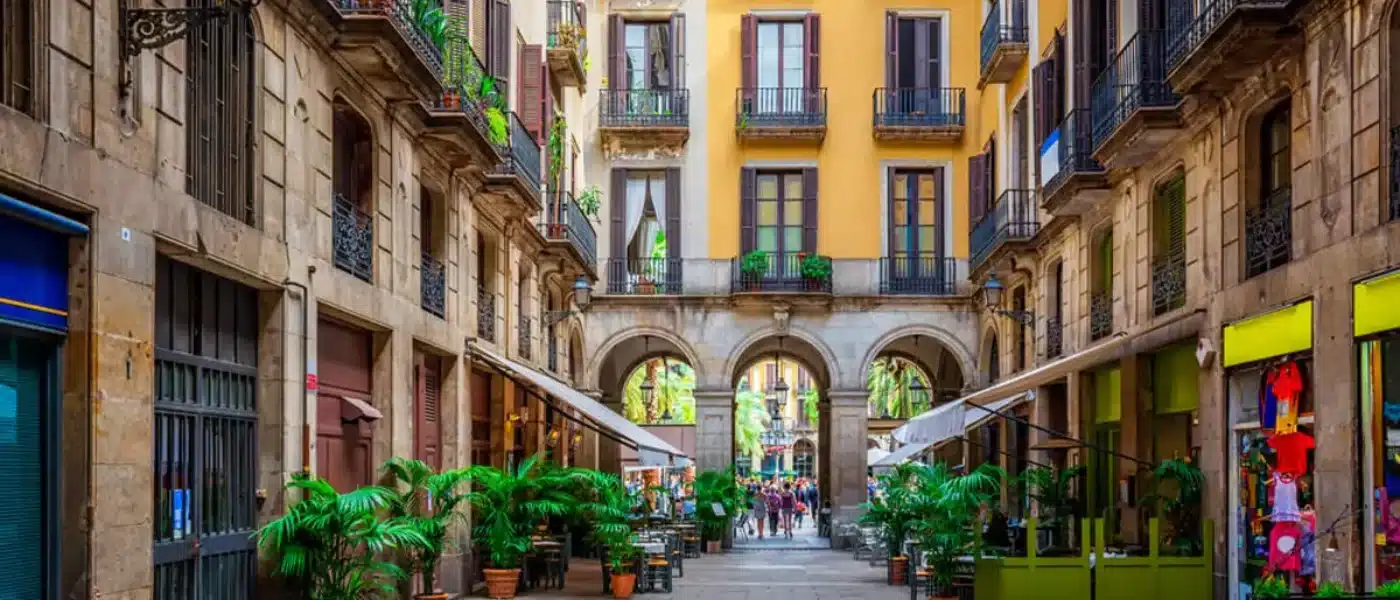
Your guide follows your curiosity. Want longer on the cathedral steps, studying its facade without a crowd of selfie-takers? Easy. Intrigued by an inscription or a carving on a lesser-known building? Your guide is there to explain.
Unlike scripted group tours, the walk bends to you, with context where you want it and space where you’d rather simply look.
Empty streets give you freedom to wander where you like, and an early start beats the midday heat, so your attention stays on the architecture rather than the next rest stop. It’s a lovely start to a Barcelona day for a couple or friends.
Tell us how you like to travel. We will shape the trip around it.
Request a quote →Roman Stones, Hidden Squares, and El Call
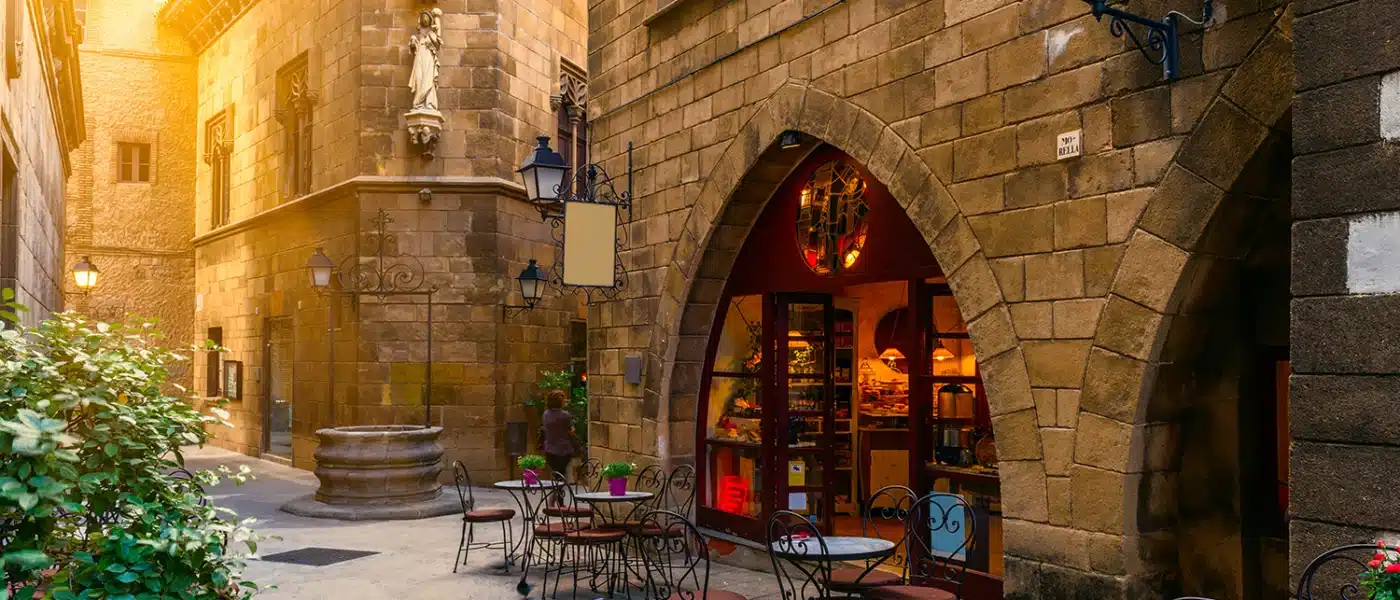
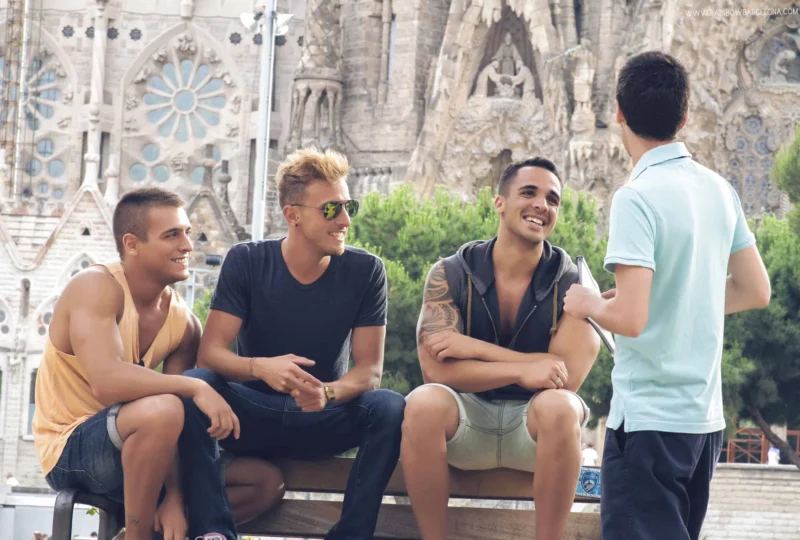
Walks usually begin near Plaça de Catalunya and wind slowly into the tighter streets. You might stop at a stretch of Roman wall where ancient stone meets modern graffiti or slip down a side passage to quiet Plaça del Pi and one of the city’s oldest churches. The cathedral’s spires and gargoyles take on a different character in the early light, and with no lines you can admire its entrance and cloister in peace. The neo-Gothic Pont del Bisbe, usually mobbed by photographers, is almost deserted, so you can appreciate it from every side.
The route carries on into El Call, the old Jewish quarter, where the lanes narrow and the houses lean close and history feels more personal; street names and stones hold traces of the past, and your guide may show you small details like mezuzah marks or the outline of the old synagogue.
Depending on the day, you might also visit hushed Plaça Sant Felip Neri, its walls scarred by bombs, and Plaça Reial, as its cafés are set up for the day.
Space, Quiet, and Better Photos
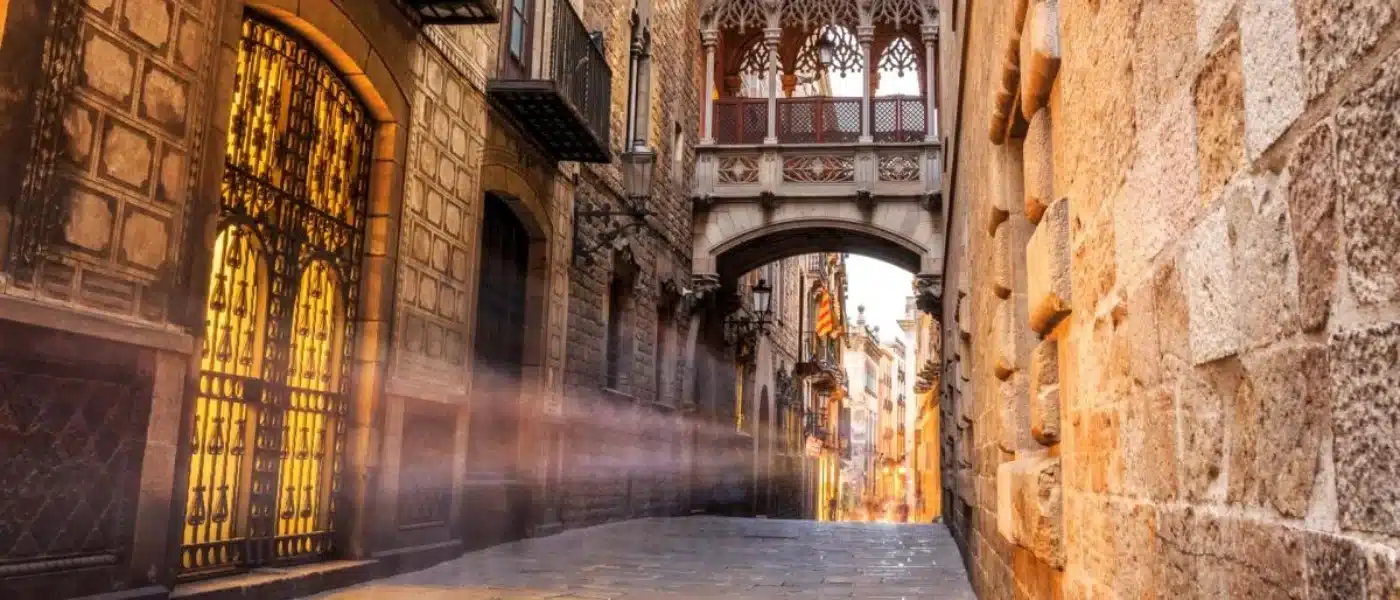
Later on, the sheer numbers, noise, and bustle make it hard to take in the history and the detail, with popular corners clogged and group tours following the same tight routes. At first light you have room and quiet to move freely, listen closely, and ask questions, with no pressure to keep up, and the buildings feel far more approachable. Photography is easier too, the low light bringing out texture and color and the empty streets giving you clear shots of the landmarks.
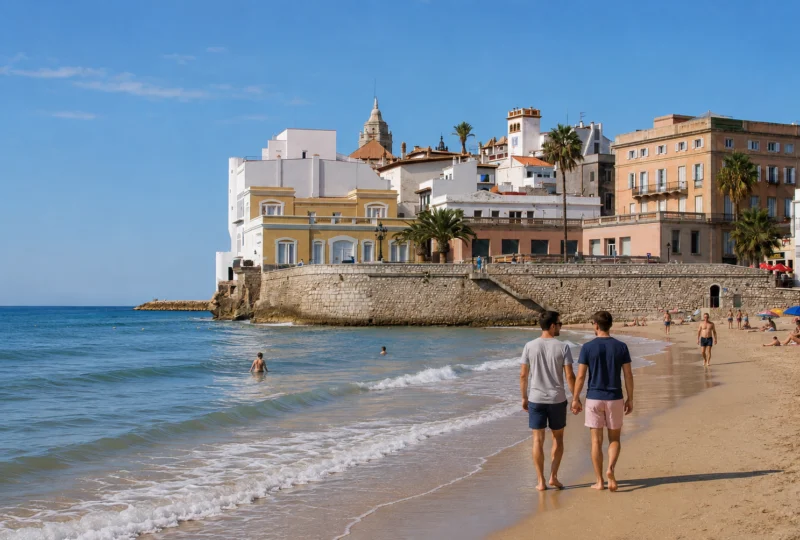
Your Out Of Office LGBTQ+ travel specialist can pair the walk with a welcoming hotel in Barcelona and a day in Sitges, one of Europe’s best-loved LGBTQ+ beach towns, a short trip down the coast, and our Spain guide covers LGBTQ+ rights and travel advice.

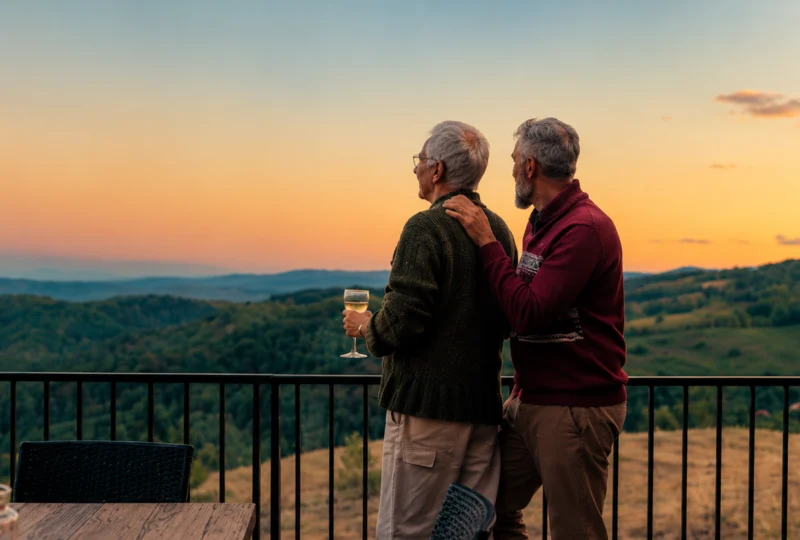
The hard part is not finding a beautiful place. It is finding the right one for you.
Every property we suggest is handpicked by our team. Twenty minutes with a specialist will tell you which ones are worth your time.
More Moments in Spain
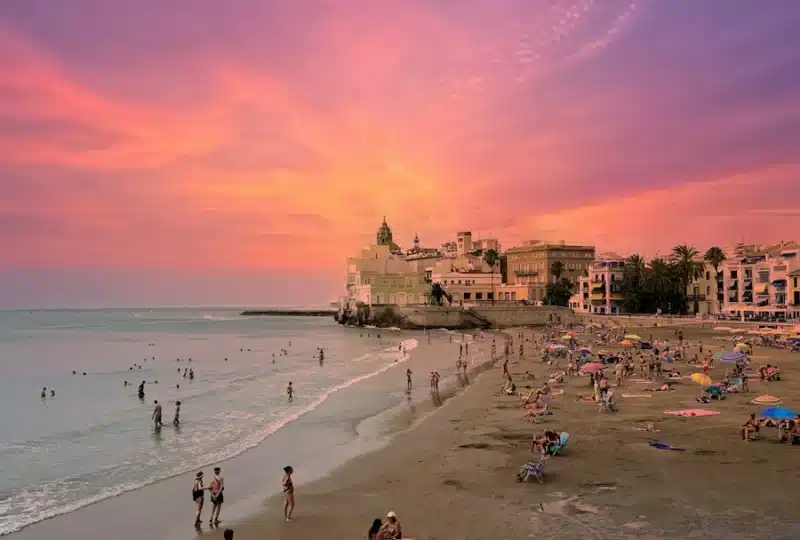
Sitges: Carnival on the Catalan Coast
A Queer Spanish Haven Sitges is a small seaside town around 40 minutes south of Barcelona, with whitewashed streets, a church on a headland, and a long stretch of beaches. Its LGBTQ+ community has been part of the town for generations. For one week each February or early March, before Lent, Sitges hosts Carnival. Hundreds of thousands of visitors arrive for the parades, and the town gives itself over to costume and celebration.
Discover more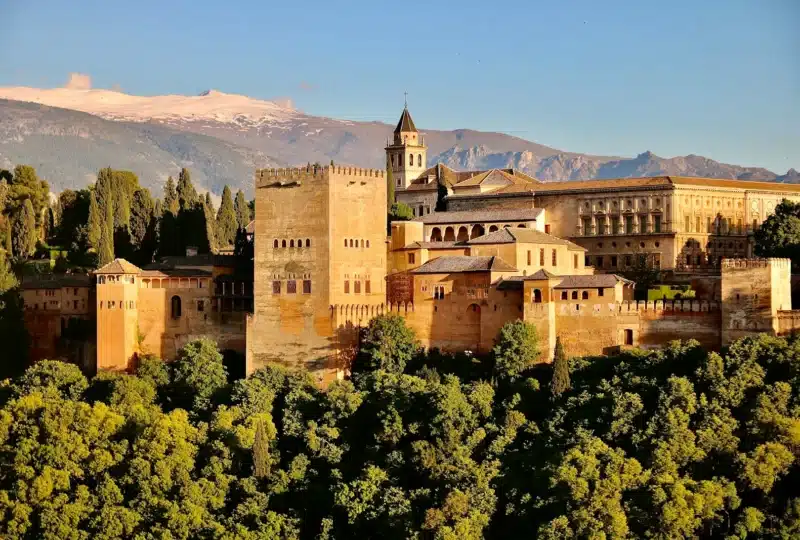
Granada: In the Footsteps of Federico García Lorca
Federico García Lorca was born on June 5, 1898, in Fuente Vaqueros, a village on the fertile plain outside Granada. He became one of the great writers of the twentieth century and the most translated Spanish poet of all time. He was also a gay man, and much of his work carries a longing he could not express openly.
Discover more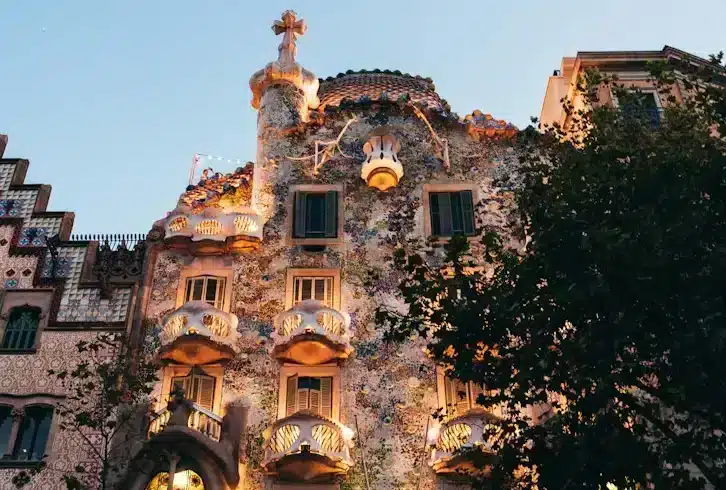
Barcelona: A Private Walk Through Queer History
Barcelona's queer history is easy to miss. Few of its landmarks carry plaques, and much of the story was lived under a dictatorship that treated gay and trans people as a danger to society. In June 1977, two years after Franco's death, around 4,000 people marched along the Rambla in the first major LGBTQ+ demonstration in Spain. Today the city is one of the most welcoming in Europe.
Discover more
We plant trees for every booking
For every booking made with Out Of Office we commit to planting trees in your name to help reduce the impact of travel on future generations. You'll even get a link to see where your trees are planted in the world via our partner Ecologi.

We donate to Rainbow Railroad with every booking
Rainbow Railroad helps LGBTQ+ people escape state-sponsored violence and persecution. A donation goes with every trip we sell, funded by us and never added to your price.

Start Planning Your Trip
Tell us where you would love to go, when you are thinking of traveling and what kind of trip you have in mind. One of our LGBTQ+ travel specialists will create a tailor-made itinerary designed around your destination, style and preferences.
One named specialist, first inquiry to homecoming. No call center, and nothing is charged until you decide to book.