




Moment · Spain
Gaudí’s Palau Güell in Barcelona, on a Private Visit
Explore the early Gaudí masterpiece built exactly as he designed it, from its carriage entrance to a rooftop forest of mosaic chimneys.
Gaudí Before the Fame
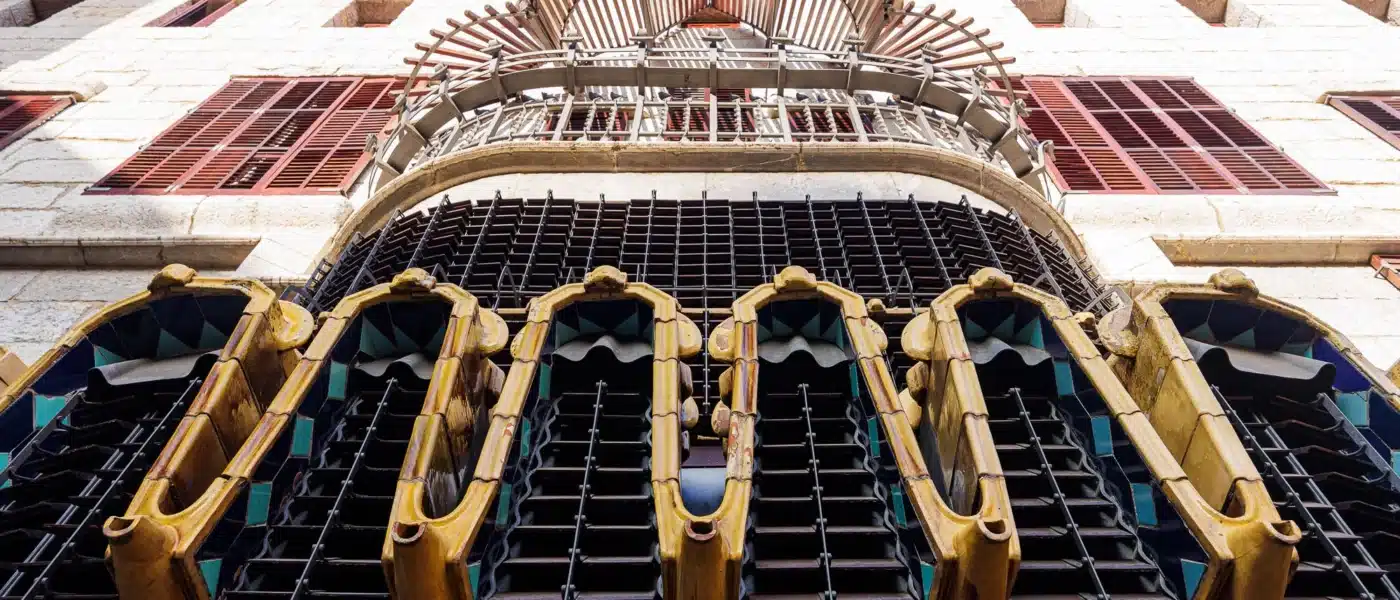
Gaudí finished Palau Güell in 1888, while he was still finding his architectural voice. Built as both a home and a reception hall for the Güell family, it brings together craftsmanship, geometry, and symbolism in an early form of what would later define his great works.
Its innovations, self-supporting roof vaults, an unusual ventilation system, and built-in light wells were largely overlooked by critics at the time, yet many of its ideas, from natural forms to mythological motifs, foreshadow his famous buildings. It’s one of very few Gaudí buildings completed exactly as he designed it.
Built for Intimacy
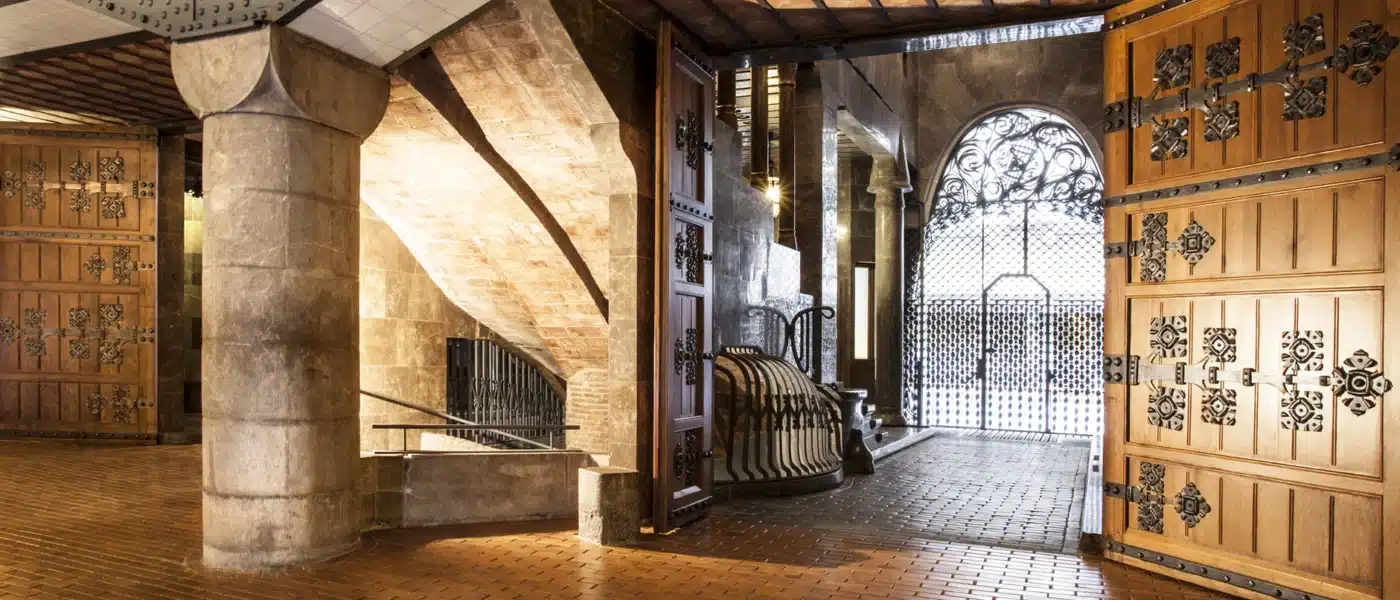
The house was made for intimacy, not spectacle. Its entrance hall, designed for horse-drawn carriages, leads to a narrow inner court where sound and light are carefully controlled, spaces ill-suited to large groups.
With a private guide you move quietly through the rooms, pausing to consider the acoustics of the domed salon or the deliberate alignment of the ironwork, and you can dwell on whatever fascinates you: Gaudí’s structural genius, the social and political world of nineteenth-century Barcelona, and the ceramics, stained glass, and mosaics, all of the highest quality. It’s a rewarding hour for a couple, friends, or a solo design lover.
Rising Through the House
The visit starts outside, where your guide explains the symbolism of the iron grilles, shaped like seaweed yet full of religious and heraldic imagery. Inside, the flow of the house becomes clear: rooms are stacked vertically, not spread out, with a sense of procession and transformation as you climb.
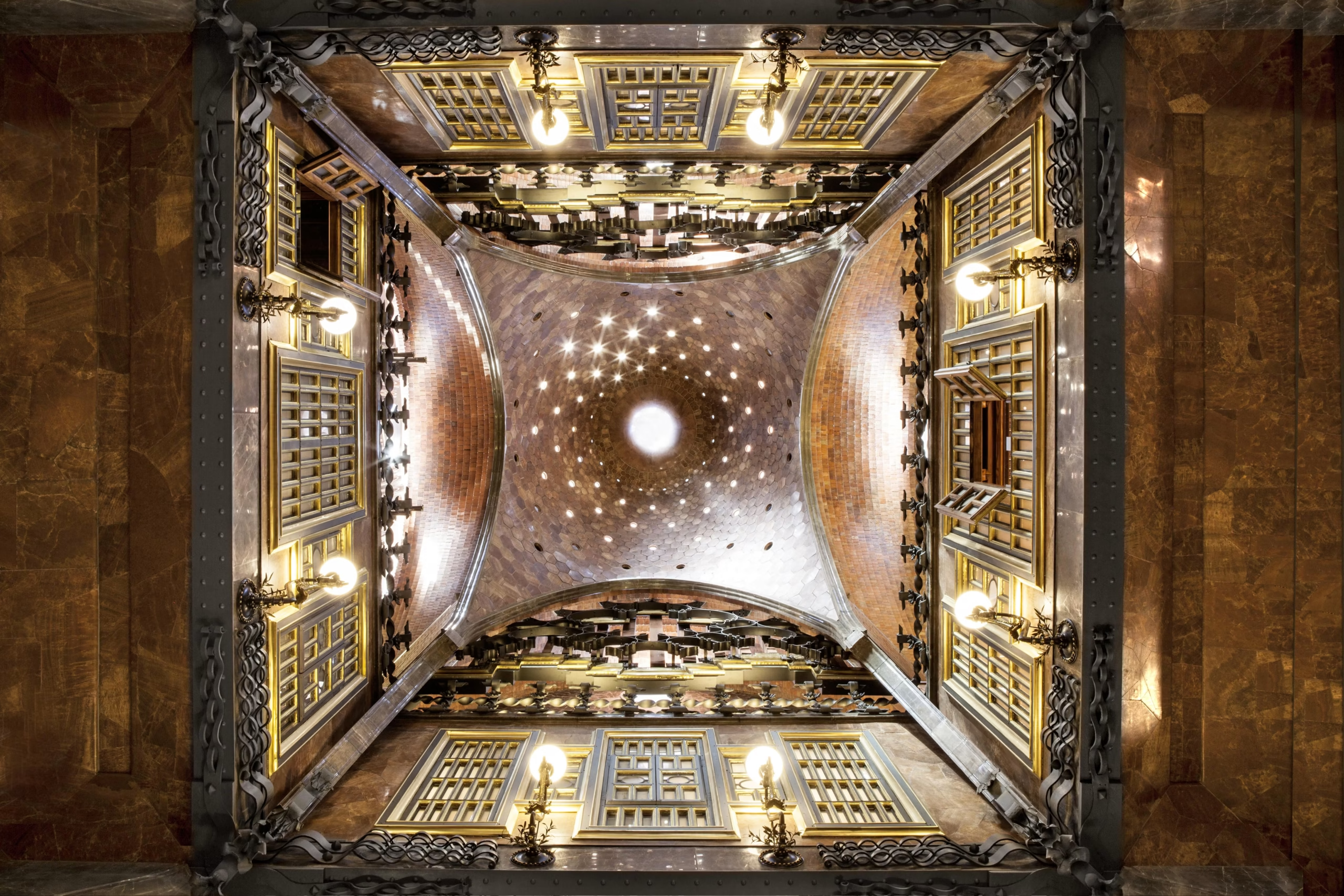
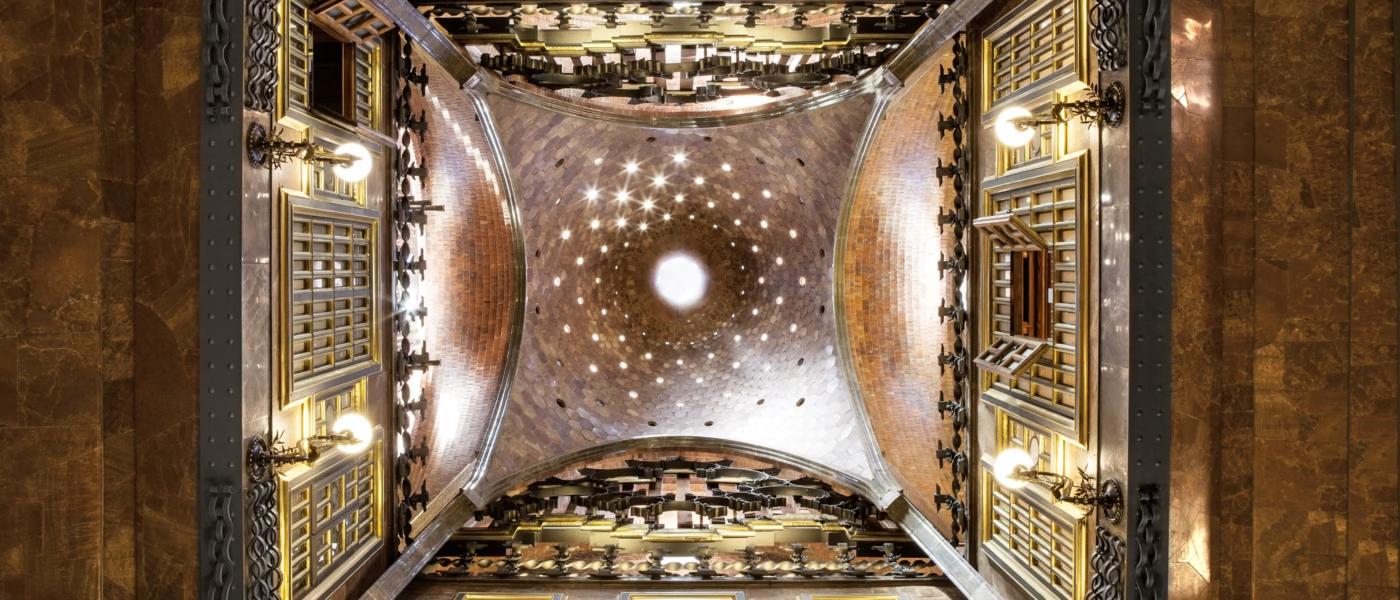
At its heart, the central hall rises three stories to an ornate ceiling pierced with star-shaped openings that scatter daylight in geometric patterns, and a hidden organ chamber once filled it with music from nowhere.
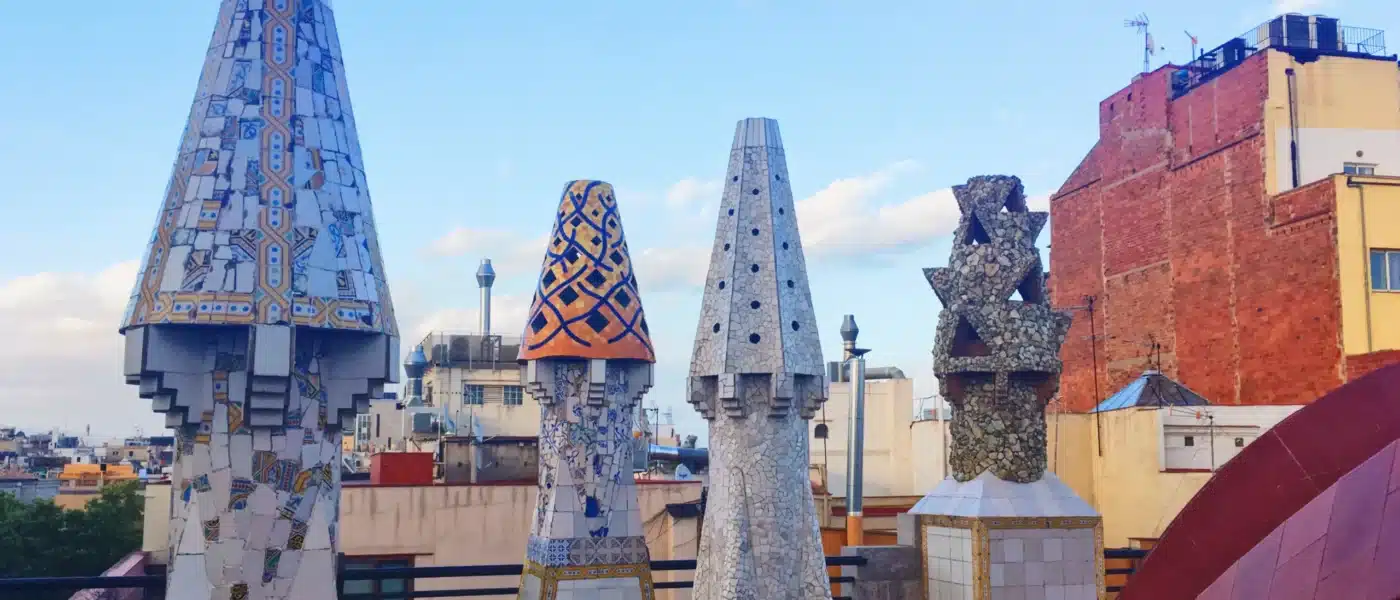
The upper floors hold private salons of rich wood paneling and subtle ornament, a glimpse into the daily life of one of Catalonia’s most powerful families, and at the very top, a terrace of 20 polychrome chimneys ends the upward journey on a playful note.
No two trips we plan are the same. Yours will be no exception.
Request a quote →Context, Not Just an Audio Guide
Standard tickets come with an audio guide, but many visitors still wander without context, missing key features, while crowds bottleneck on the narrow stairs and in the small salons.
Privately, your visit is timed to avoid the busiest hours, and your guide paces it to your interests, making time for the details that set Palau Güell apart from other Gaudí sites, less a script than a conversation.
Your Out Of Office LGBTQ+ travel specialist can combine it with other Gaudí highlights and a welcoming hotel, and our Spain guide covers LGBTQ+ rights and travel advice.
Your personal travel specialist, from the first conversation to the flight home.
From your first conversation, you’ll have one dedicated expert looking after your trip from start to finish, getting to know you and taking care of every detail along the way. Your journey starts with a complimentary, no-obligation consultation.
More Moments in Spain
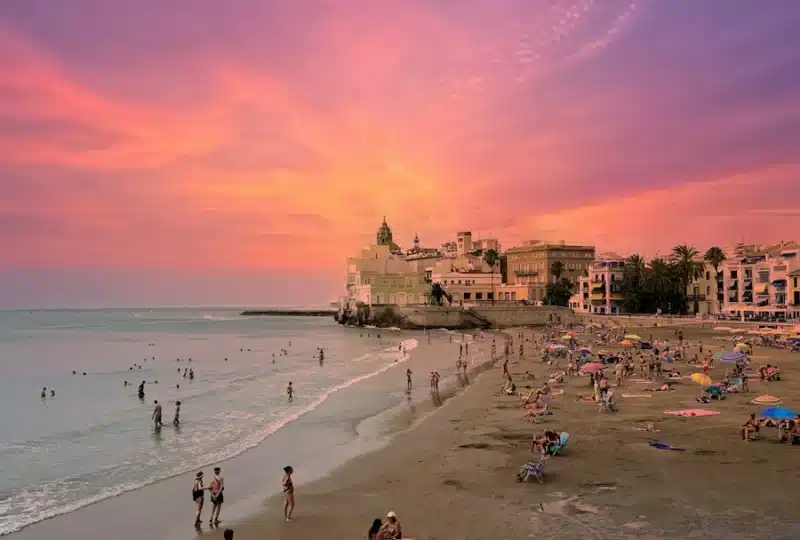
Sitges: Carnival on the Catalan Coast
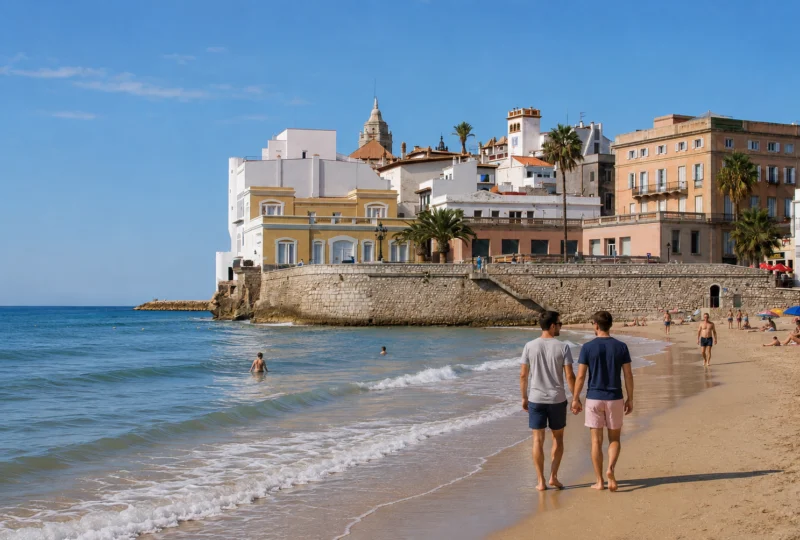
A Queer Spanish Haven Sitges is a small seaside town around 40 minutes south of Barcelona, with whitewashed streets, a church on a headland, and a long stretch of beaches. Its LGBTQ+ community has been part of the town for generations. For one week each February or early March, before Lent, Sitges hosts Carnival. Hundreds of thousands of visitors arrive for the parades, and the town gives itself over to costume and celebration.
Discover more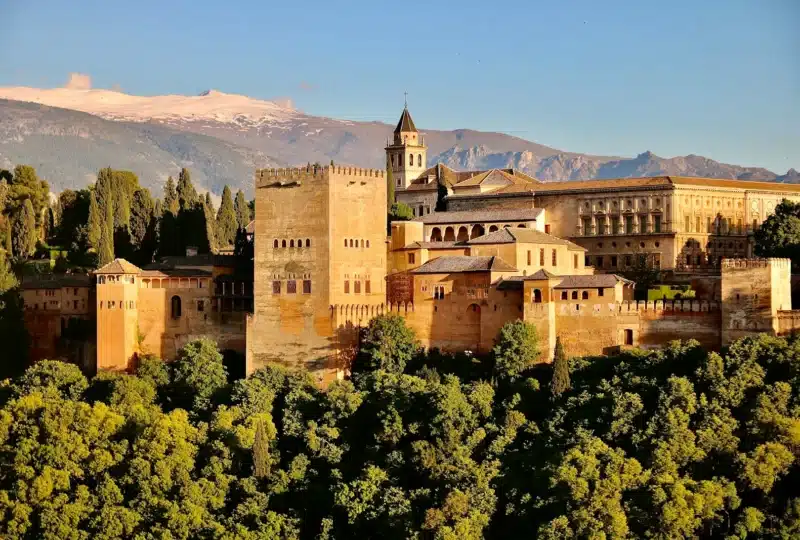
Granada: In the Footsteps of Federico García Lorca
Federico García Lorca was born on June 5, 1898, in Fuente Vaqueros, a village on the fertile plain outside Granada. He became one of the great writers of the twentieth century and the most translated Spanish poet of all time. He was also a gay man, and much of his work carries a longing he could not express openly.
Discover more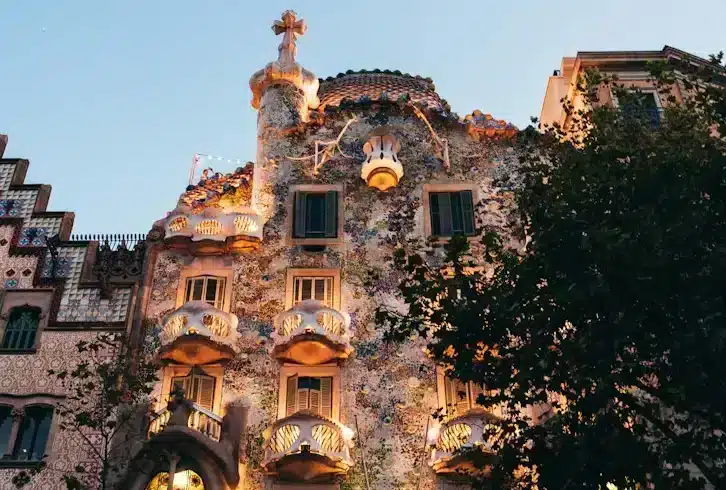
Barcelona: A Private Walk Through Queer History
Barcelona's queer history is easy to miss. Few of its landmarks carry plaques, and much of the story was lived under a dictatorship that treated gay and trans people as a danger to society. In June 1977, two years after Franco's death, around 4,000 people marched along the Rambla in the first major LGBTQ+ demonstration in Spain. Today the city is one of the most welcoming in Europe.
Discover more
We plant trees for every booking
For every booking made with Out Of Office we commit to planting trees in your name to help reduce the impact of travel on future generations. You'll even get a link to see where your trees are planted in the world via our partner Ecologi.

We donate to Rainbow Railroad with every booking
Rainbow Railroad helps LGBTQ+ people escape state-sponsored violence and persecution. A donation goes with every trip we sell, funded by us and never added to your price.

Start Planning Your Trip
Tell us where you would love to go, when you are thinking of traveling and what kind of trip you have in mind. One of our LGBTQ+ travel specialists will create a tailor-made itinerary designed around your destination, style and preferences.
One named specialist, first inquiry to homecoming. No call center, and nothing is charged until you decide to book.