




Editorials
Is Brazil Easy to Travel Around? Planning a Multi-Stop Luxury Trip
From Rio to the Amazon, Fernando de Noronha to Iguazu Falls, here's how to plan a multi-stop luxury trip around Brazil, and which stops are worth the journey.
Brazil is not a destination you can do casually. It is the fifth-largest country in the world, roughly the size of the continental United States, and it contains more variety per square kilometer than almost anywhere on earth. The question is not whether it is worth exploring beyond a single city. It obviously is. The question is how to do it without spending half your trip in airports, and which stops are worth the journey.
The good news is that for a luxury traveler, Brazil is more accessible than its scale suggests. The infrastructure, once you know how to use it, works in your favor.
How to actually get around
Domestic flights are not optional. Brazil’s distances are too vast for any other approach to make sense on a multi-stop itinerary. Rio to Manaus, the gateway to the Amazon, is a four-hour flight. Rio to Iguazu is roughly two hours. Trying to connect these by road or rail would consume days you could be spending on the ground.
The domestic network is solid. LATAM and Gol connect all the major cities with frequent daily services, and São Paulo’s Guarulhos and Congonhas airports serve as the main hubs for onward connections. Rio’s Galeão handles most international arrivals. Within a city or region, a private car and driver is by far the most comfortable way to move around, and rates compare extremely favorably to equivalent services in Europe or the Caribbean.
If you have the budget, private helicopter transfers have become a genuine part of the luxury Brazil experience. The flight from Rio to Angra dos Reis, for example, takes around 20 minutes by helicopter against two hours by road, and the coastal views from the air are a feature in themselves.

Where to start: Rio de Janeiro
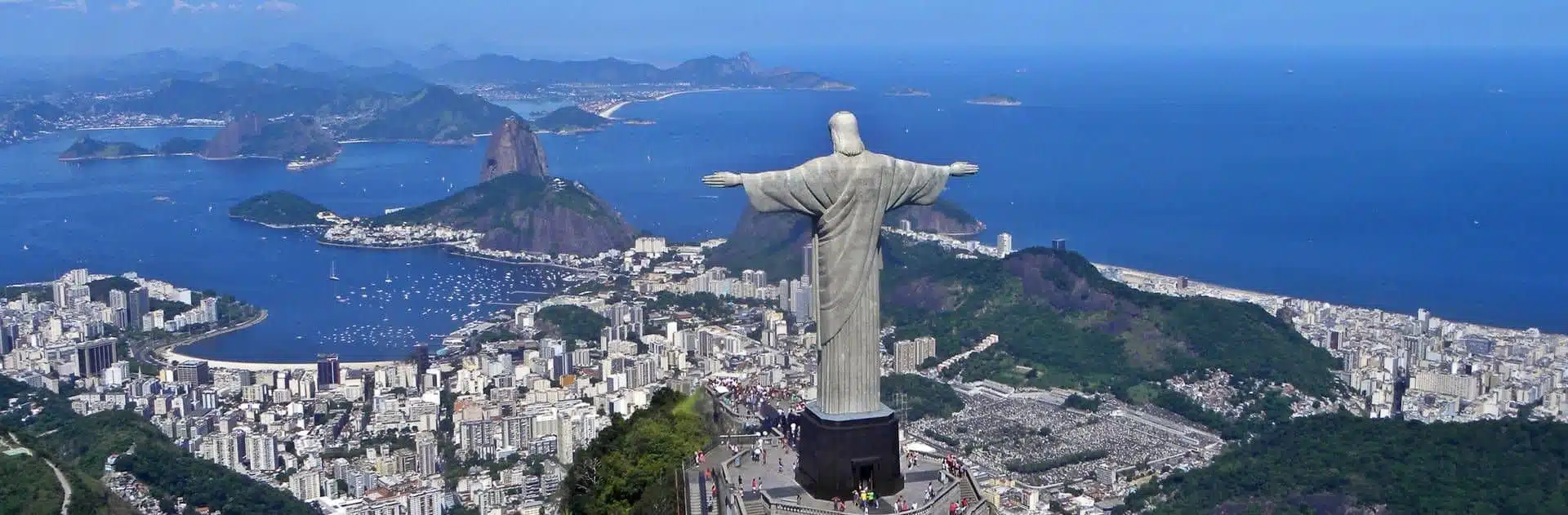
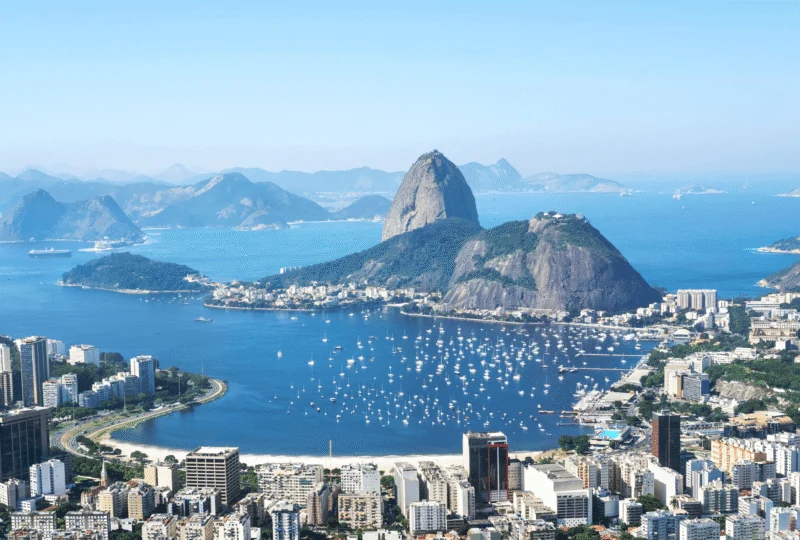
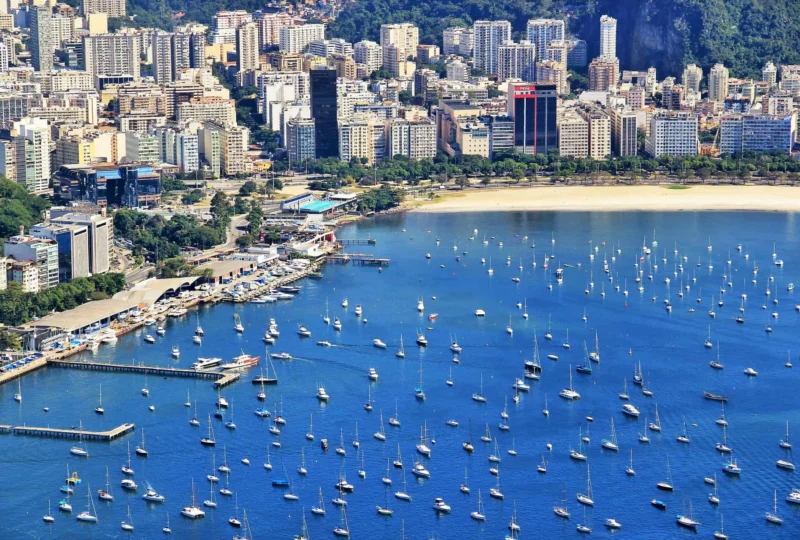
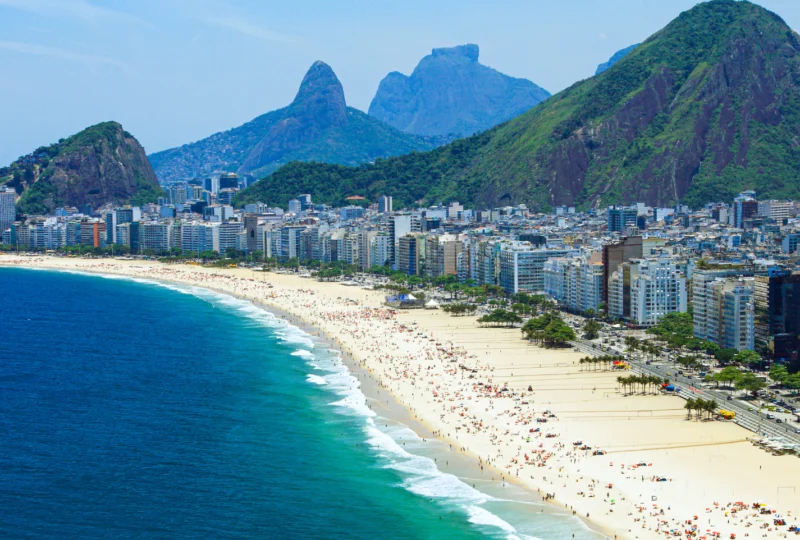
Every Brazil itinerary should open or close in Rio. Not because it is the most convenient hub, though it is, but because it earns its place on its own terms. The city’s geography is genuinely extraordinary. Mountains, rainforest, ocean, and urban neighborhoods all converge in a way that nowhere else on earth replicates.
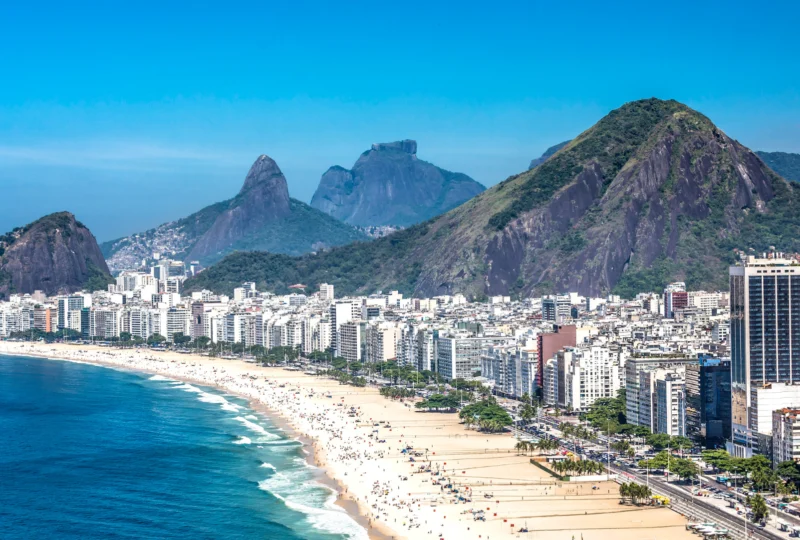
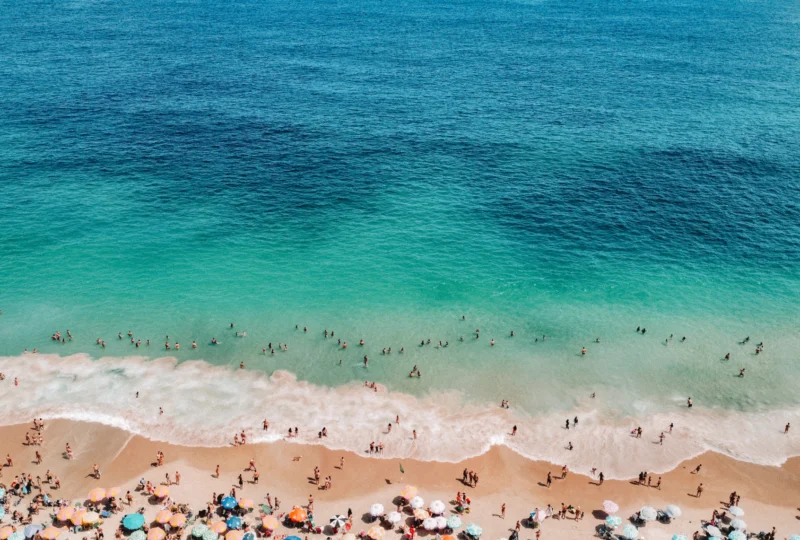
For LGBTQ+ travelers, Rio holds a specific status. Ipanema Beach is the social heart of gay Rio, specifically the stretch around Posto 9 where rainbow flags mark the community’s natural gathering point. Farme de Amoedo, the street that runs from Ipanema toward the beach, is lined with bars and restaurants that draw a predominantly gay crowd from late afternoon onward. The neighborhood does not feel like a designated “gay area” so much as a very comfortable, relaxed part of the city where visibility is simply the norm.
Copacabana, a short walk along the beachfront, has its own LGBTQ+ section near the Belmond Copacabana Palace, which remains the address of choice for anyone who wants to be directly opposite the action during the big concerts or New Year’s Eve. For those who prefer Ipanema’s slightly lower-key energy, the Fasano Rio is hard to beat: a Philippe Starck-designed hotel with a rooftop pool and one of the best ocean views in the city.
Allow at least four nights in Rio. Any less and you are skimming the surface.
São Paulo: worth it or skip it?
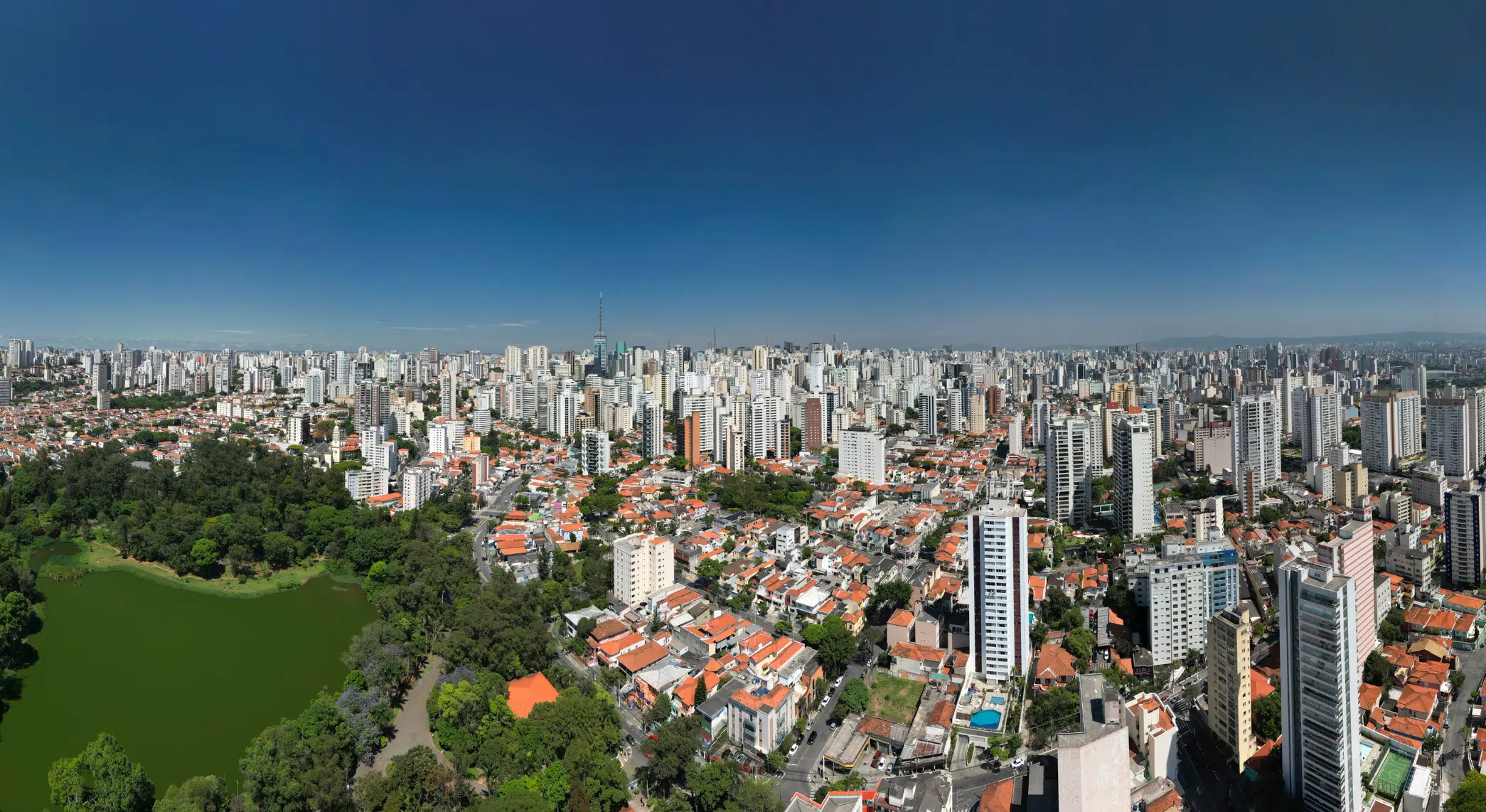
It depends entirely on what you are after. São Paulo is a serious city with South America’s best restaurant scene, world-class contemporary art, and a gay nightlife culture that ranks among the planet’s biggest and most sophisticated. The Pride parade draws several million people and is, by almost any measure, the largest in the world. The gay district around Rua Augusta runs deep, from cocktail bars to circuit parties, and the city’s energy after midnight is like nowhere else in Brazil.
What São Paulo is not is picturesque. It is a vast, dense, relentlessly urban megacity, and if your trip is built around beaches, nature, and the kind of scenery Brazil does better than anywhere, São Paulo asks something of you in return. For a two-week trip with room to breathe, it earns a two-night stop. For a tighter one-week itinerary focused on Rio, Iguazu, and the coast, it is reasonable to leave it for a future trip.

Iguazu Falls: non-negotiable
There is very little to debate here. Iguazu is one of the genuine wonders of the natural world, and no photograph or description adequately prepares you for standing at the edge of it. The falls straddle the border of Brazil and Argentina. The Brazilian side gives you the panoramic view; the Argentine side puts you inside the falls themselves, on elevated walkways that cross directly above the water. Both sides are worth doing. A two-night stay on the Brazilian side, with a day crossing into Argentina, is the standard approach and it works well.
Luxury accommodation options here are excellent. The Belmond Das Cataratas sits inside the national park itself, meaning you have access to the falls after the day visitors have left, which is close to a private experience. For a site that draws millions of tourists a year, the quality of the high-end product around Iguazu is a genuine surprise.
We know where you will be welcome, and where to take more care.
Request a quote →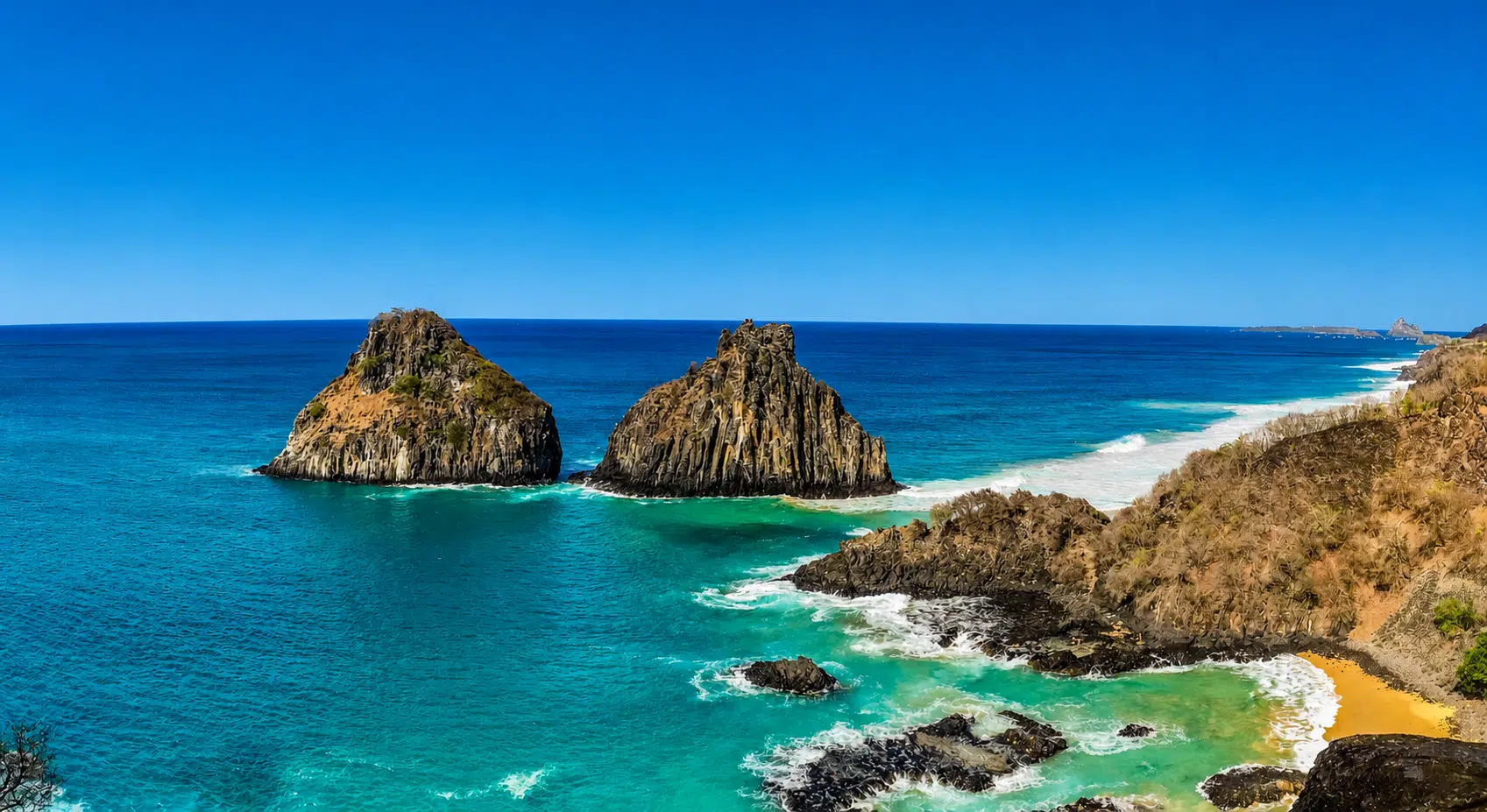
Fernando de Noronha: the one to know
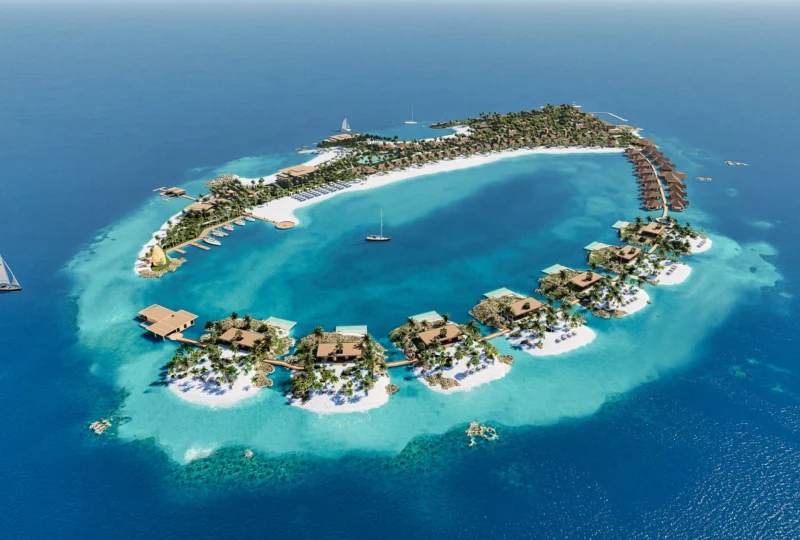
This is where a Brazil trip becomes something that most people outside the country have not done. Fernando de Noronha is a UNESCO-protected volcanic archipelago off Brazil’s northeast coast, accessible by a one-hour flight from Recife, with strictly controlled visitor numbers that keep it as close to unspoiled as a known destination can be.
Baia do Sancho is routinely voted one of the best beaches in the world, and the snorkeling and diving around the islands rank among the best in the Atlantic. There are no large hotels, no chains, no crowds of the kind you find elsewhere. The island’s bars, restaurants, and pousadas are small-scale and uniformly gay-friendly, and the annual Love Noronha festival brings an LGBTQ+ gathering to what is already one of Brazil’s most romantic settings.
The environmental tax is real, as is the daily fee for island access, and you should factor that into the budget. But Noronha is the stop that tends to be the one people talk about most once they are home.
The Amazon: go, but go wisely
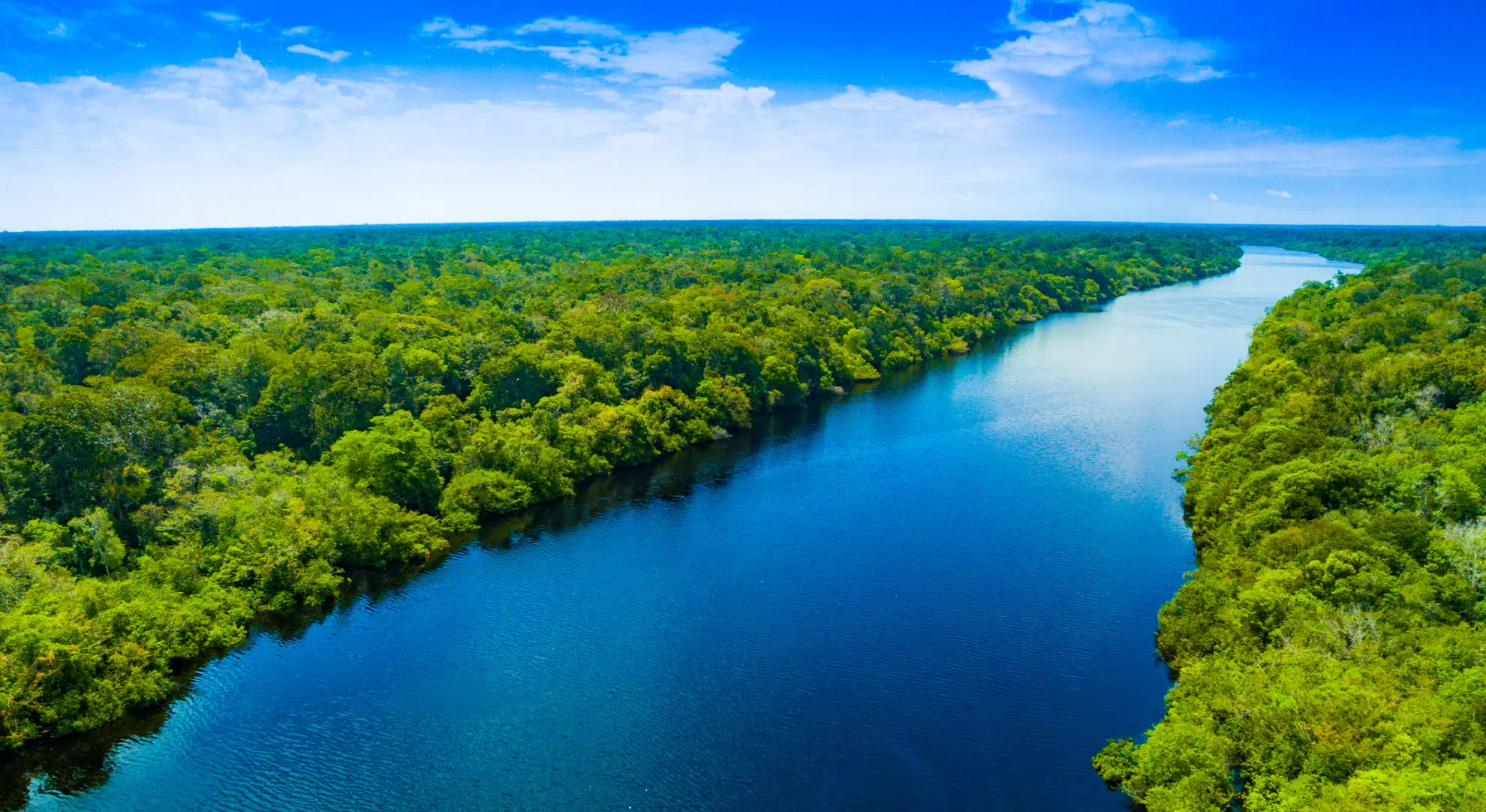
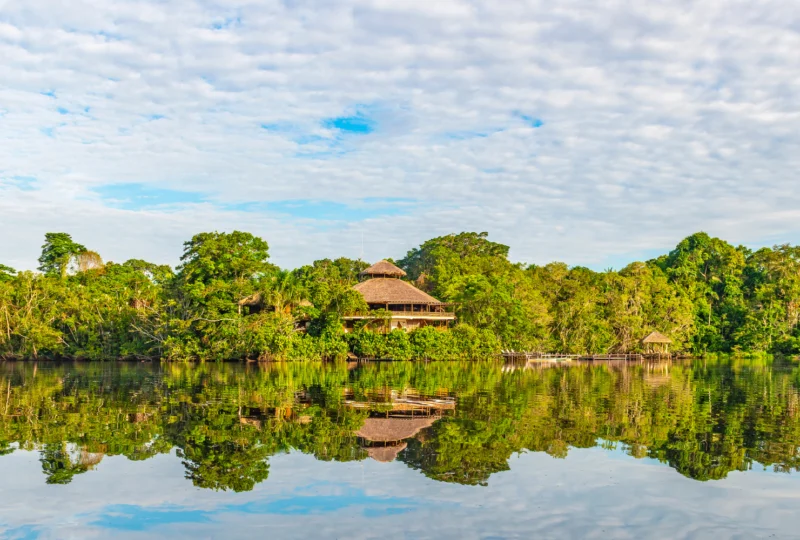
The Amazon is not what most people imagine, and a little local knowledge makes a significant difference to the experience. Manaus, the city most commonly used as a base for Amazon trips, is functional but has limited appeal as a destination in itself. If the budget allows, skip it entirely and fly instead to Alta Floresta in Mato Grosso, a small town that serves as the gateway to Cristalino Lodge, widely considered one of the finest Amazon experiences available.
Getting there takes effort. A flight to Alta Floresta, a 90-minute drive, and a 45-minute boat ride. But the payoff is a lodge with no light pollution, no other boats on the water, and a wildlife density that the more accessible Amazon simply cannot match. The jaguar conservation project at the lodge gives you a genuine chance of a sighting, which the more tourist-heavy Amazon routes largely cannot.
For those on tighter timelines, the Amazon day-trip model from Manaus does exist and is not without merit. But it is the more accessible version of something that rewards proper commitment.

The Pantanal: the wildlife trip Brazil does best
If Noronha is the beach revelation, the Pantanal is the wildlife one. The world’s largest tropical wetland covers a vast area of western Brazil and into Bolivia and Paraguay, and jaguar sightings here are significantly more reliable than in the Amazon. Capybaras, caimans, giant anteaters, and hundreds of bird species are visible with a regularity that makes most game drives elsewhere feel sparse by comparison.
The Pantanal works as a standalone trip or as an add-on after Rio and Iguazu. Fly into Cuiaba, transfer to a quality eco-lodge, and allow three nights minimum. The dry season between July and October produces the best wildlife conditions.
Salvador: the cultural stop that earns its place
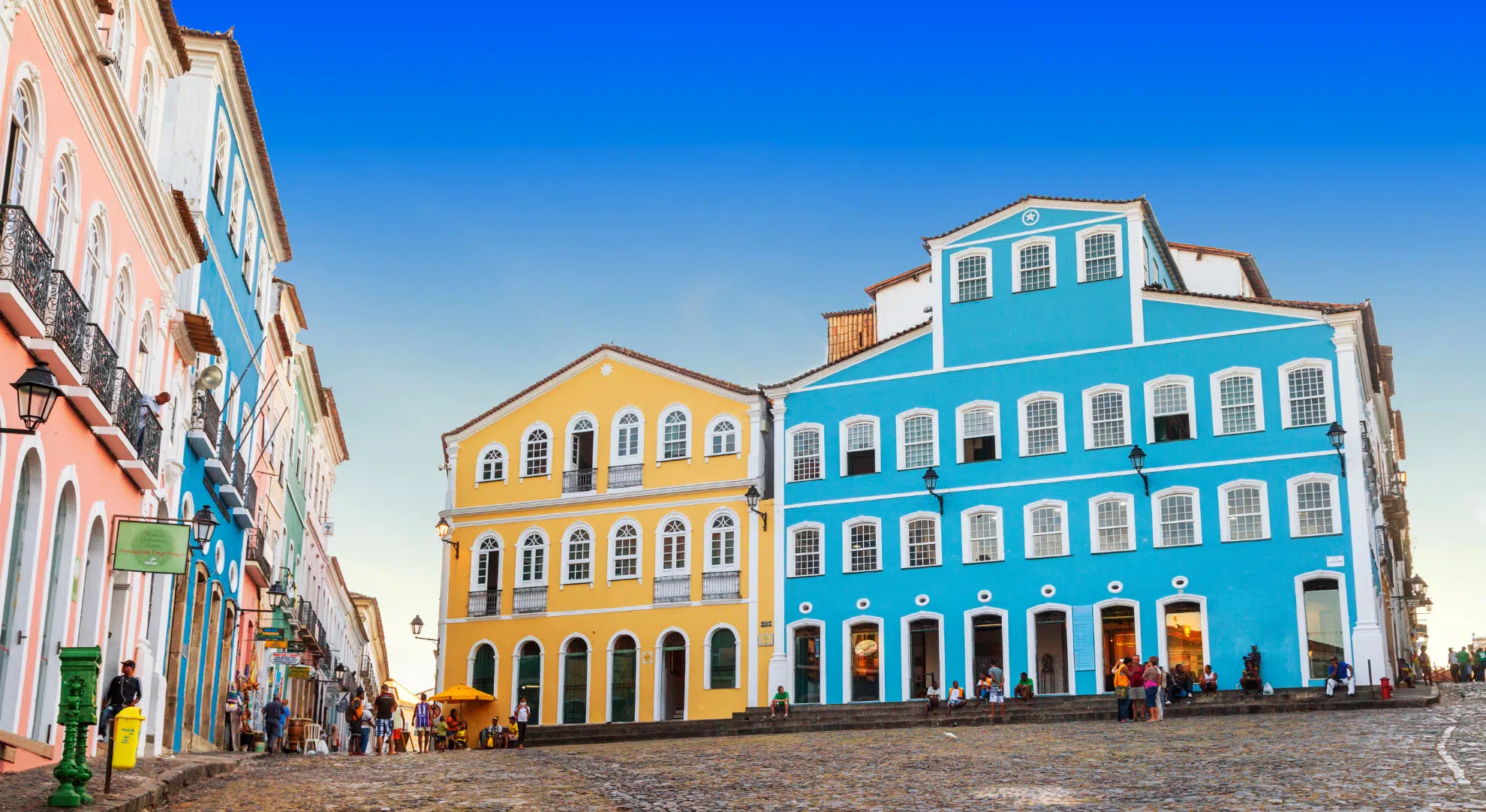
Salvador, the capital of Bahia, is not always on international travelers’ radar but it is one of the most visually and culturally distinctive cities in Brazil. Its Pelourinho district, a UNESCO-listed colonial center, is unlike anything in Rio or São Paulo. The city’s Afro-Brazilian culture, food, and music have a depth and specificity that reward time rather than a passing visit.
For LGBTQ+ travelers, Salvador has a lively and visible gay scene centered around the Rio Vermelho neighborhood, and Carnival here is considered by many Brazilians to rival Rio’s, with a character that is distinctly its own.
The honest answer to the original question
Brazil is not difficult to travel around. It requires planning, a willingness to fly between stops, and a realistic sense of what you can cover in the time available. Trying to do five stops in eight days will produce a trip that feels rushed. Two weeks with three or four carefully chosen stops produces something genuinely extraordinary.
For gay travelers specifically, Brazil’s legal protections, the warmth of its major cities, and the scale of its LGBTQ+ culture make it one of the most compelling destinations in the world right now. The concert series at Copacabana and the São Paulo Pride parade have put that on the global map in a way it perhaps was not before. The country behind those headlines is very much worth the flight.
Ready to start planning your Brazil trip? Contact Out Of Office to speak to a luxury Brazil travel expert.
On this page
- How to actually get around
- Where to start: Rio de Janeiro
- São Paulo: worth it or skip it?
- Rio De Janeiro, Iguazu Falls, Sao Paulo & Florianopolis
- Iguazu Falls: non-negotiable
- Fernando de Noronha: the one to know
- The Amazon: go, but go wisely
- The Pantanal: the wildlife trip Brazil does best
- Salvador: the cultural stop that earns its place
- Rio De Janeiro, Sao Paulo and Salvador
- The honest answer to the original question
New to Out Of Office?
We are a luxury travel company for LGBTQ+ travelers. Everything we sell is tailor-made, planned by one named member of our team throughout, and nothing on this site is a fixed package unless it says so.
Where exclusivity meets inclusivity
Ten years, hundreds of five-star reviews, and a team who will tell you when a destination is not right for the trip you have in mind.
Tell us where your mind keeps going back to. We will do the rest.
A line or two is enough to start. A specialist will pick it up from there.
Stellar service. Stellar products. Stellar people and it gets so much better when you pick up the phone and call.
Anthony S.
Super client centred service. From first contact I have had warm, efficient, friendly and flexible service.
John
I’m confident in giving Out Of Office a 5-star review! They are one of the leaders in this space without a doubt.
Tiberiu

We plant trees for every booking
For every booking made with Out Of Office we commit to planting trees in your name to help reduce the impact of travel on future generations. You'll even get a link to see where your trees are planted in the world via our partner Ecologi.


We donate to Rainbow Railroad with every booking
Rainbow Railroad helps LGBTQ+ people escape state-sponsored violence and persecution. A donation goes with every trip we sell, funded by us and never added to your price.

Start Planning Your Trip
Tell us where you would love to go, when you are thinking of traveling and what kind of trip you have in mind. One of our LGBTQ+ travel specialists will create a tailor-made itinerary designed around your destination, style and preferences.
One named specialist, first inquiry to homecoming. No call center, and nothing is charged until you decide to book.