




Moment · Morocco
Tangier: In the Footsteps of the Literary Exiles
Follow Paul Bowles, William Burroughs and Joe Orton through Tangier's medina to mint tea on the clifftop terraces of Cafe Hafa.
Tangier at the Crossroads
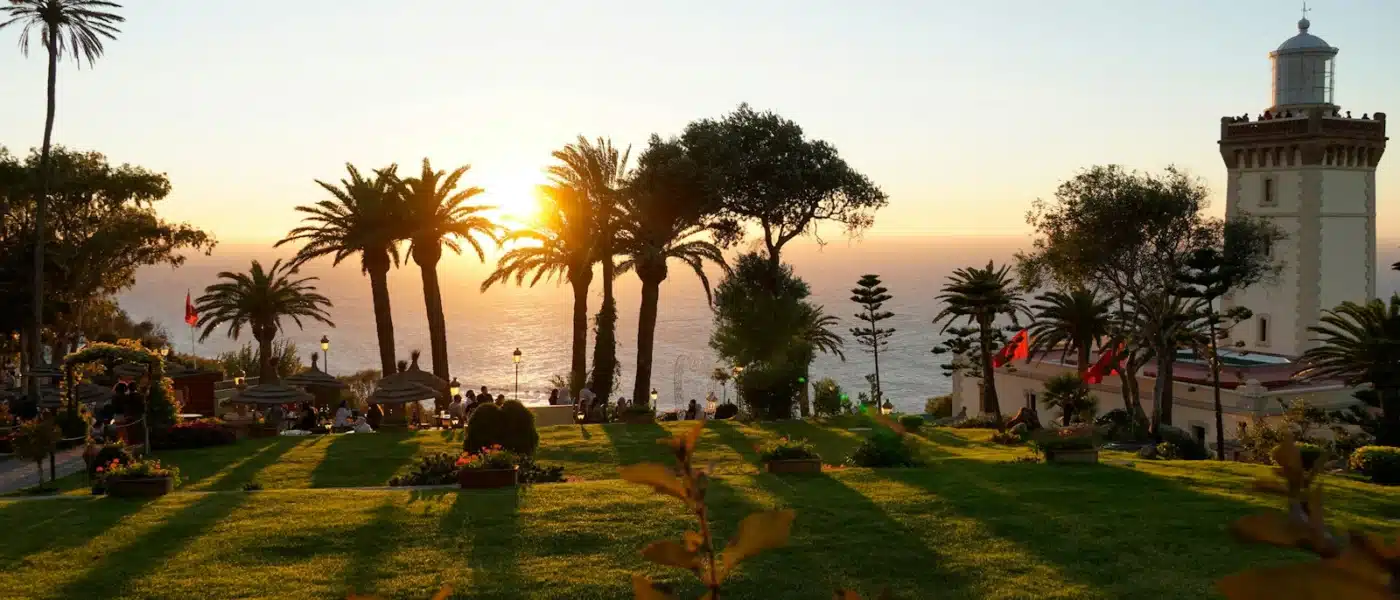
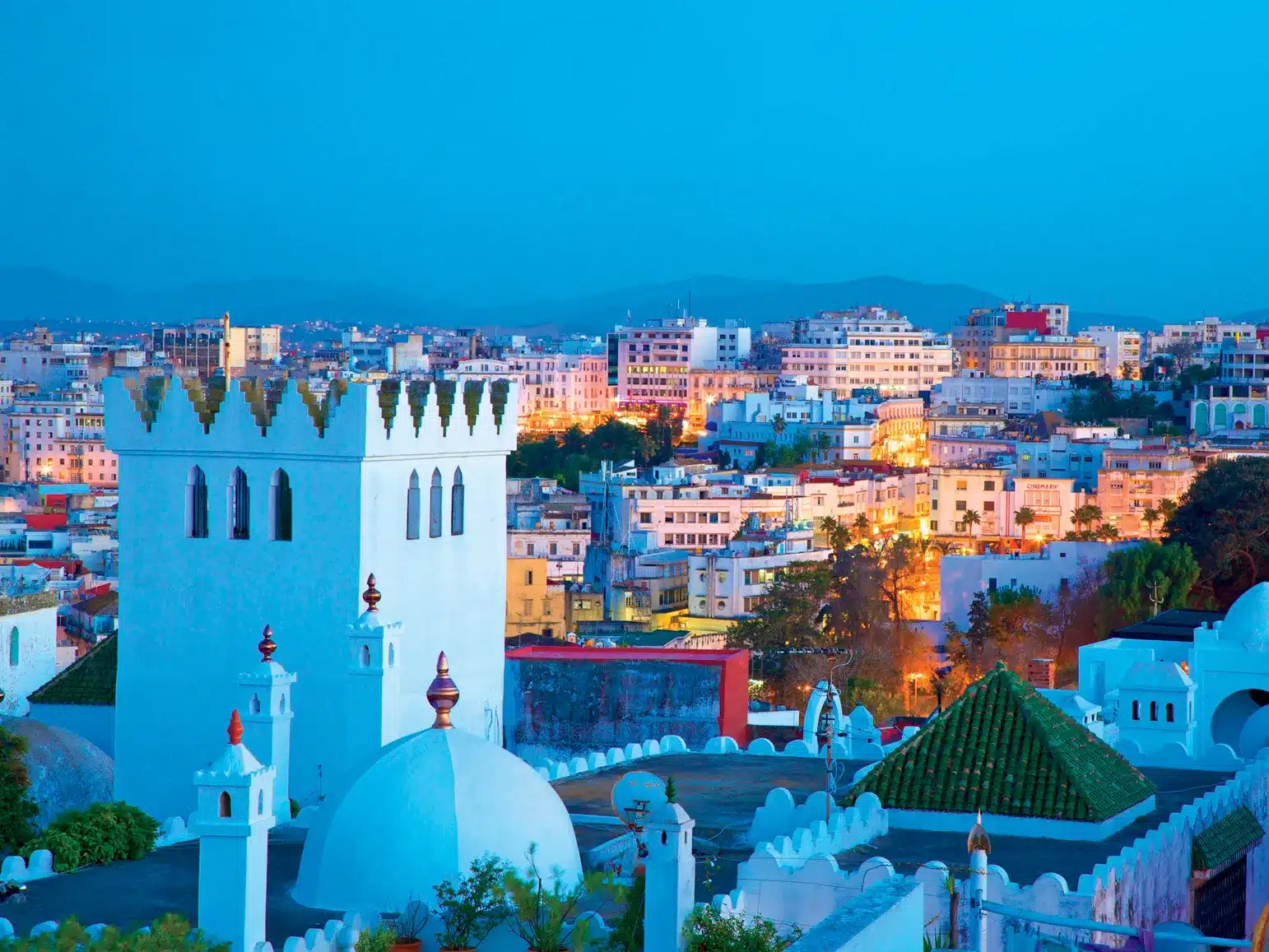
Tangier sits on the northern tip of Africa, looking across the Strait of Gibraltar toward Spain. For centuries it has been a crossroads of cultures, languages, and ideas.
From the 1920s to the 1950s, it was governed as an International Zone, administered by several foreign powers. That legal gray area made it one of the most permissive cities in the world at a time when homosexuality was criminalized across most of Europe and North America.
Writers and artists followed, many of them gay, and the city still carries traces of the life they found here.
Paul Bowles and the American Circle
The American writer and composer Paul Bowles settled in Tangier in 1947 and lived here for the rest of his life. His home became a gathering place for an entire generation of writers and artists who passed through the city.
His wife, the writer Jane Bowles, also made her life here, and both had relationships with people of their own sex. Your guide shows you the streets and cafes connected with their circle.
The American Legation
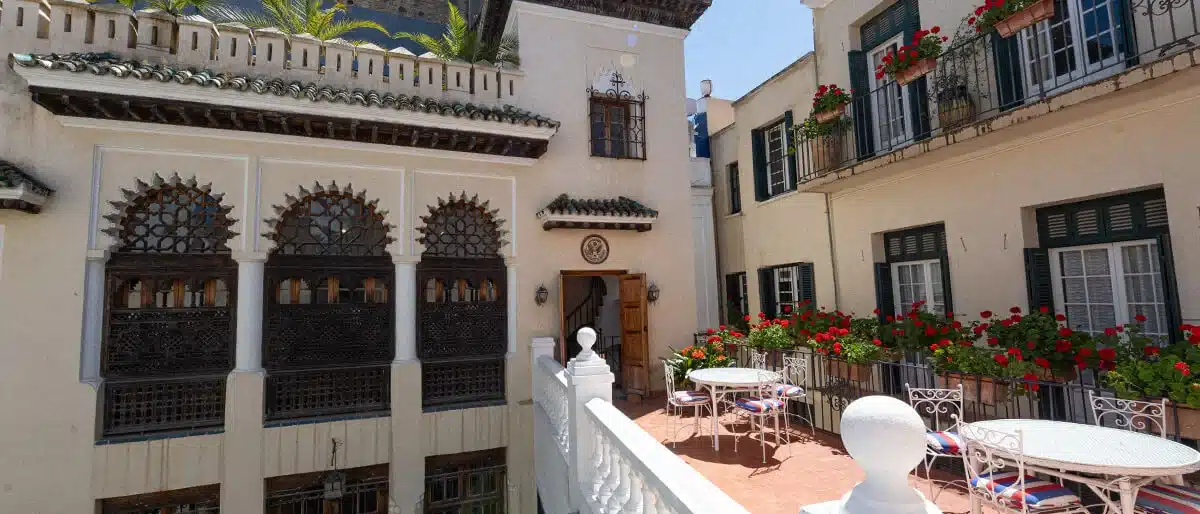
The Tangier American Legation is the first property the United States owned abroad, and it is now a museum and cultural center. Among its rooms is a wing dedicated to Paul Bowles, with photographs, books, and recordings of the Moroccan music he worked to preserve.
For American travelers, it is a striking place to begin, linking the history of the two countries with the story of the writers who came here.
Burroughs, Orton, and Williams
William Burroughs lived in Tangier in the 1950s and wrote much of Naked Lunch here. Tennessee Williams and Truman Capote visited, and the English playwright Joe Orton made three extended stays between 1965 and 1967, recording in his diaries a freedom he could not find in London.
Their stories give the Medina and the hilltop kasbah a different meaning. Your guide brings them to life as you walk.
The hard part is not finding a beautiful place. It is finding the right one for you.
Request a quote →Cafe Hafa and the Kasbah
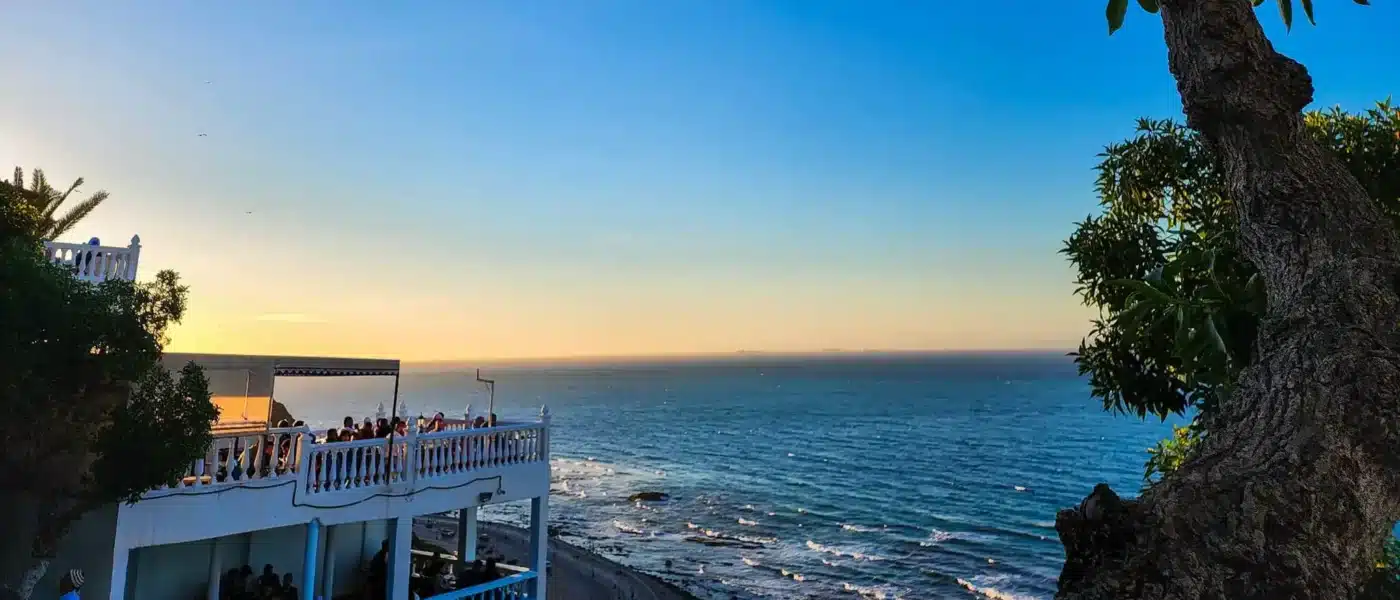
On a cliff above the strait, Cafe Hafa has served mint tea on its terraces since 1921. The Rolling Stones, Bowles and Burroughs are among those said to have sat here, looking out toward Spain.
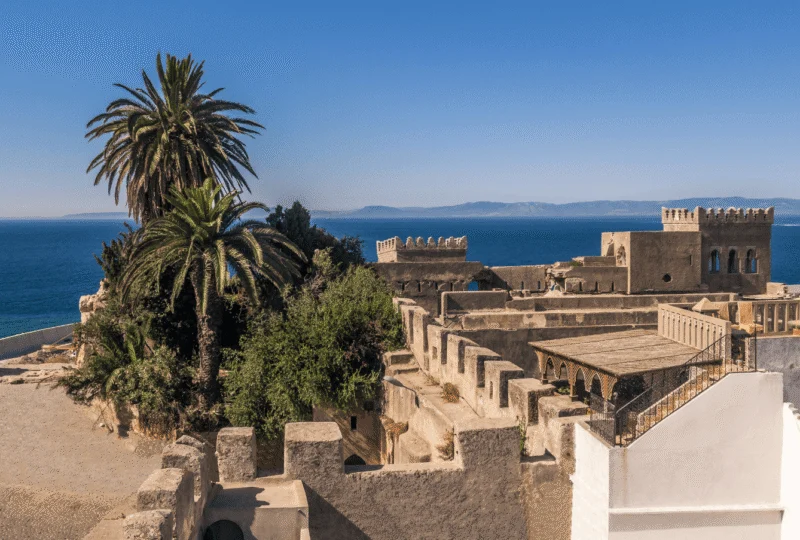
From there, the walk continues into the Kasbah, with its white walls, narrow lanes, and views over the harbor. It is the perfect way to end the afternoon.
Knowing the Law
Same-sex relationships are illegal in Morocco under Article 489 of the Penal Code, with penalties of up to three years in prison. Enforcement against tourists is rare, but discretion is sensible in public, and public displays of affection should be avoided.
Our blog, Gay Travel in Morocco: Law vs. Reality, sets out the reality in detail, along with our advice on where to stay.
Planning Your Tangier Experience
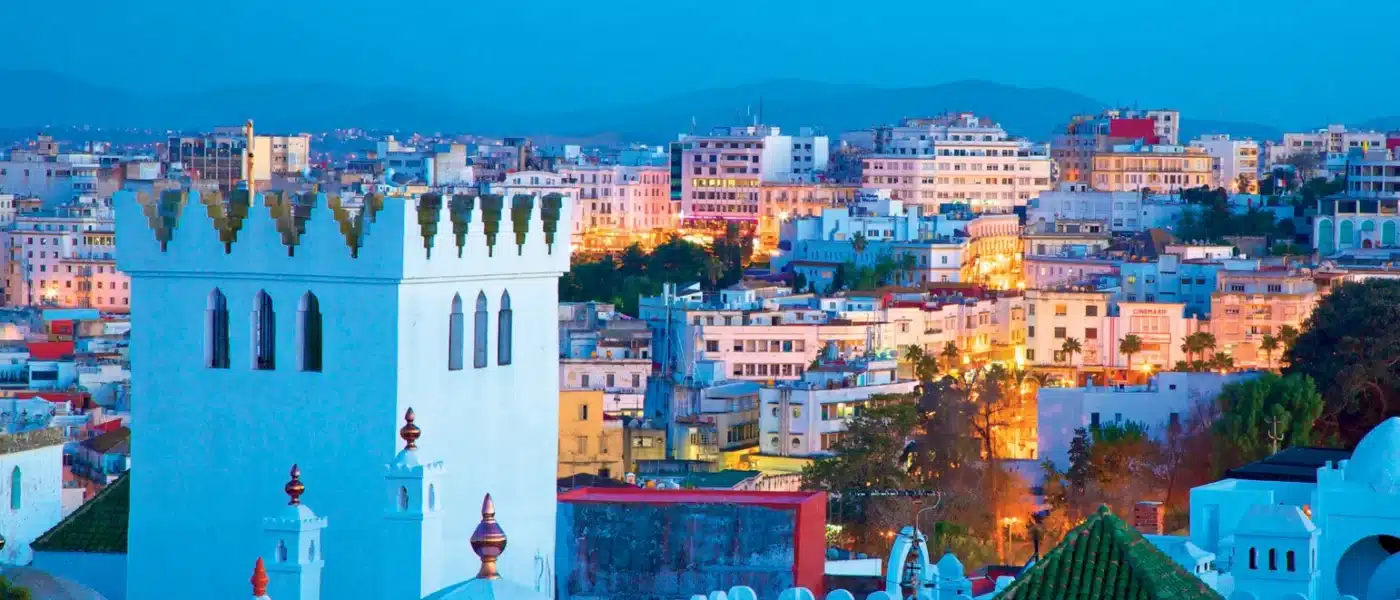
Tangier is a short ferry ride from southern Spain or a high-speed train journey from Rabat and Casablanca. The walk takes most of a day at an unhurried pace, and comfortable shoes are essential in the medina. Spring and fall are the best seasons to visit.
Out Of Office can arrange a private guide who knows the city’s literary history, a hotel we trust, and transfers from Spain or elsewhere in Morocco. For more on the writers who came here, read Morocco’s Hidden Gay History: Yves Saint Laurent to Joe Orton, and ask your LGBTQ+ travel specialist about combining Tangier with Chefchaouen, Fez, or Marrakech on a wider journey through Morocco.
See your complete itinerary before you decide.
Your specialist will bring together every detail of your trip, with clear pricing throughout.
More Moments in Morocco
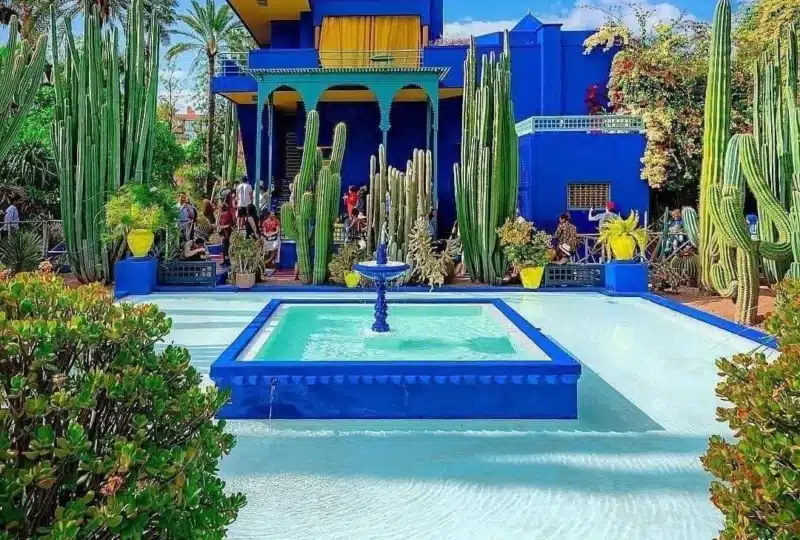
Marrakech: Jardin Majorelle with Yves Saint Laurent and Pierre Bergé
Marrakech's Blue Garden The Jardin Majorelle sits behind high walls in the Gueliz district of Marrakech, a garden of cacti, palms, bamboo and lily ponds set around a villa painted an intense shade of blue. It was created by the French painter Jacques Majorelle from the 1920s. Decades later, it was saved from development by the designer Yves Saint Laurent and his partner, Pierre Bergé, who restored it and made Marrakech their second home.
Discover more
A Private Hammam Ritual in Marrakech
A Civic Institution In Marrakech the hammam isn't a luxury spa but a civic institution. Behind unmarked doors in residential streets and beside mosques, hammams have served for centuries as places of hygiene, routine and social order, and steam still rises from them every day. Having one to yourself changes the mood at once. The chatter and bustle are gone, and the ritual only begins once your body has adjusted to the heat.
Discover more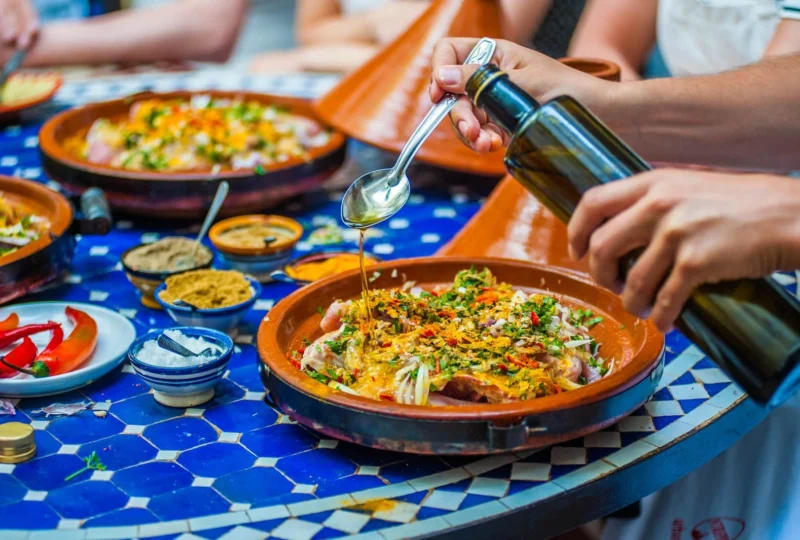
A Private Cooking Class in a Marrakech Riad
Starting at the Market Most classes open with a stroll through a neighborhood market, your chef pointing out what's good today: tomatoes at their peak, the right lamb for long, slow cooking, and spices worth buying whole instead of powdered. Then it's back to the riad, where the kitchen is usually home-sized, set just off the central courtyard and stocked with clay tagines, brass platters and a mortar and pestle polished by long use.
Discover more
We plant trees for every booking
For every booking made with Out Of Office we commit to planting trees in your name to help reduce the impact of travel on future generations. You'll even get a link to see where your trees are planted in the world via our partner Ecologi.

We donate to Rainbow Railroad with every booking
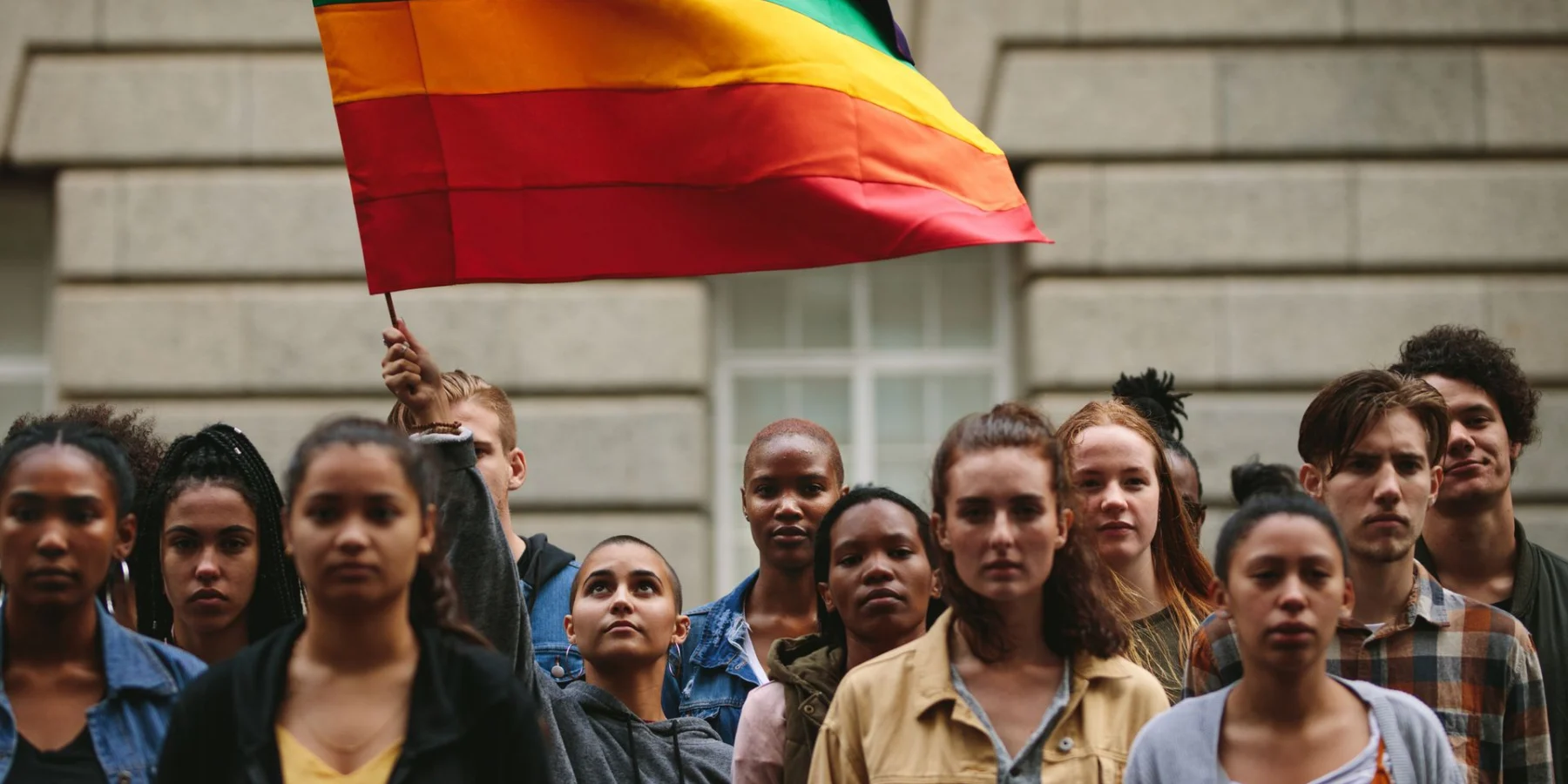
Rainbow Railroad helps LGBTQ+ people escape state-sponsored violence and persecution. A donation goes with every trip we sell, funded by us and never added to your price.

Start Planning Your Trip
Tell us where you would love to go, when you are thinking of traveling and what kind of trip you have in mind. One of our LGBTQ+ travel specialists will create a tailor-made itinerary designed around your destination, style and preferences.
One named specialist, first inquiry to homecoming. No call center, and nothing is charged until you decide to book.