What to see, when to go, and how to plan a luxury first trip to Brazil. Rio, Iguaçu, Salvador, the Amazon, and Brazil's LGBTQ+ scene.
Brazil is the fifth-largest country in the world, half the South American continent, and home to some of the most distinct regional cultures on earth. A first trip can feel overwhelming for that reason. Six different headline destinations would all justify a full week. None of them are quick to reach from each other.
This guide is for travelers thinking about a first trip. It covers what to actually see, how the regions differ, how long to give the country, when to go, and how to plan it. There’s also a dedicated section on Brazil for LGBTQ+ travelers, because what’s easy in some parts of the country is not as easy in others.
The six regions worth knowing
Rio de Janeiro
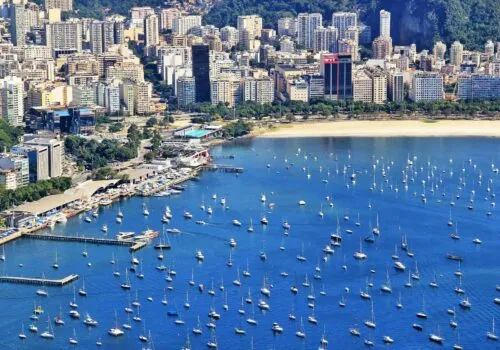
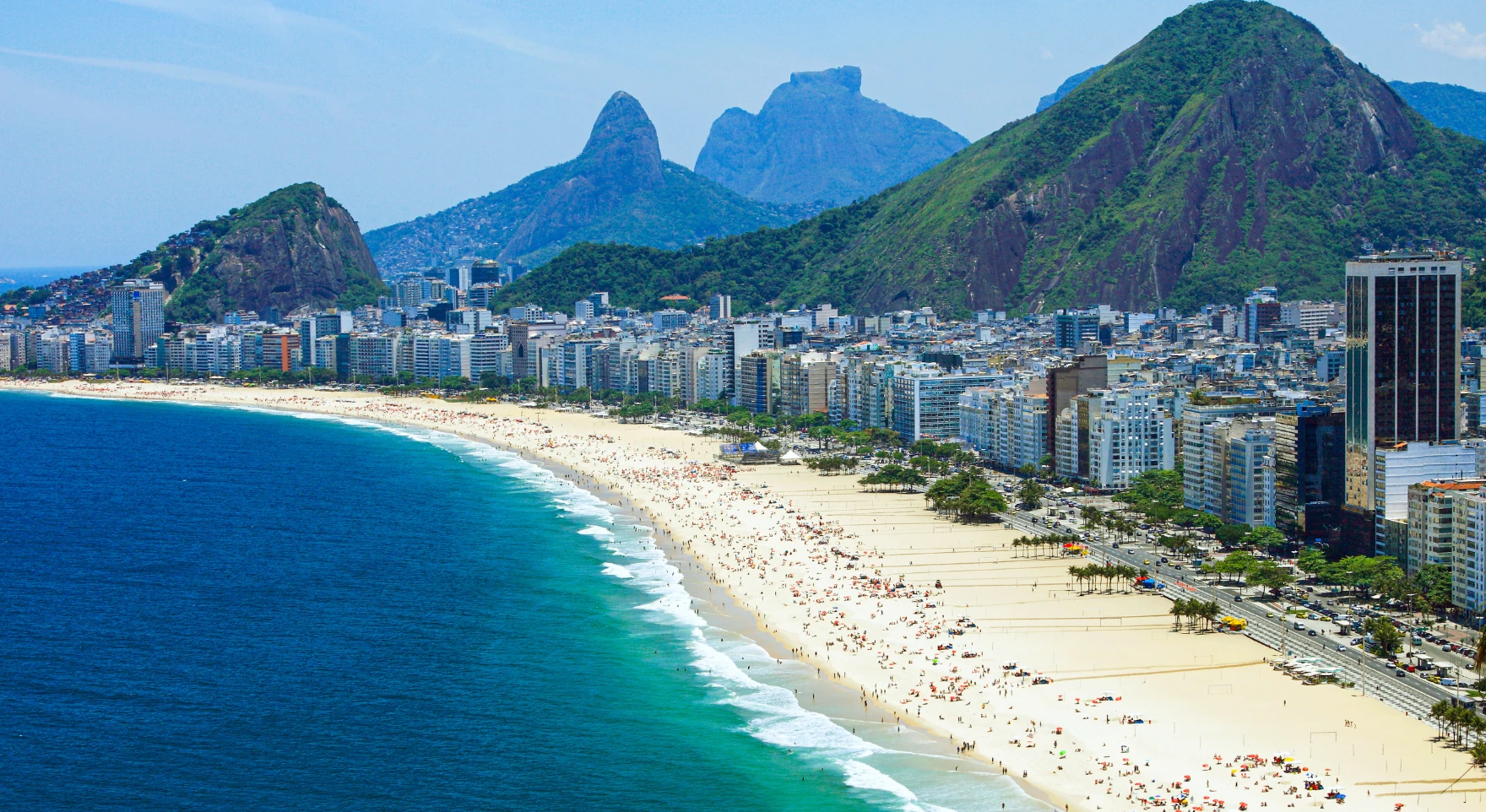
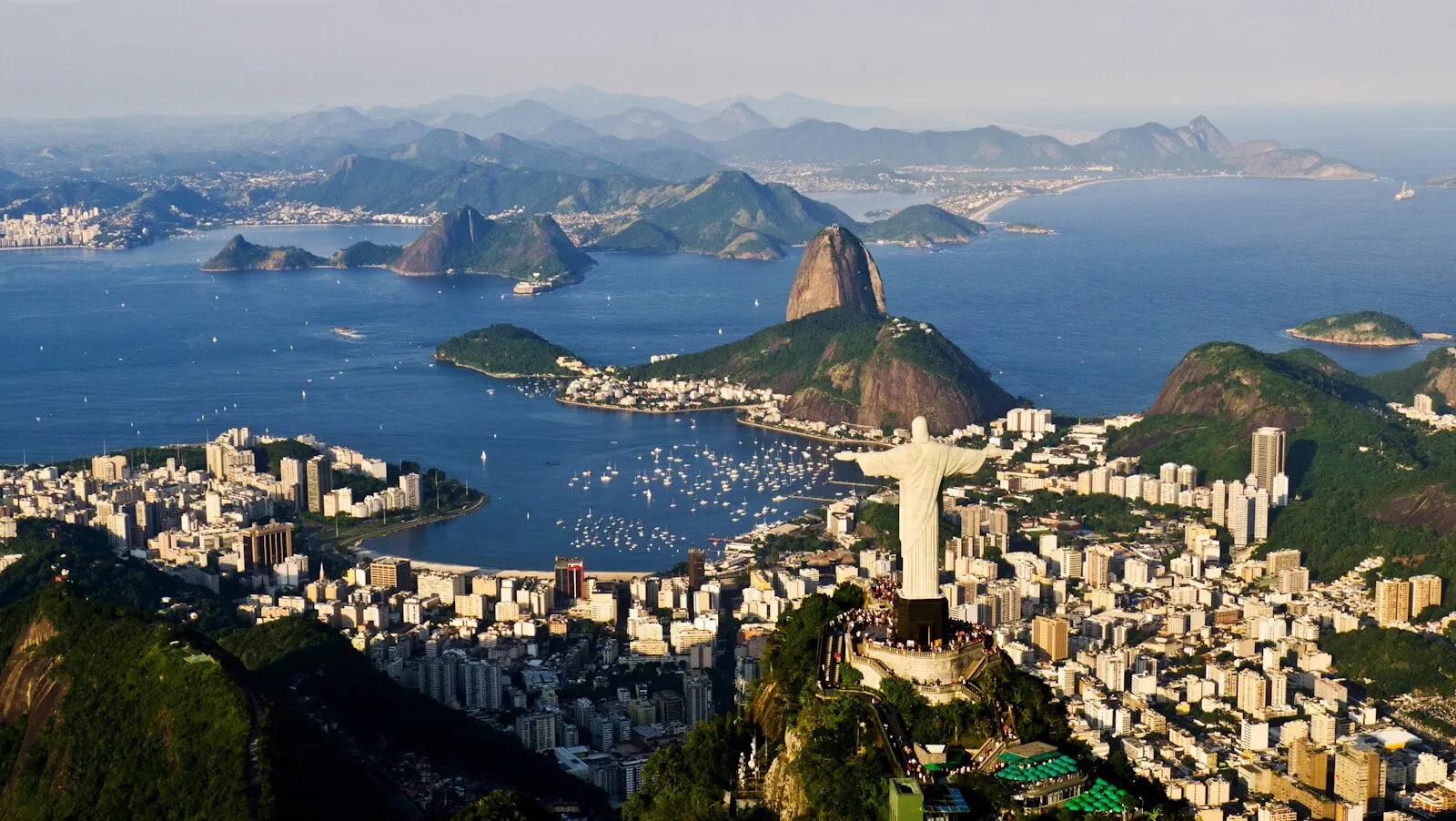
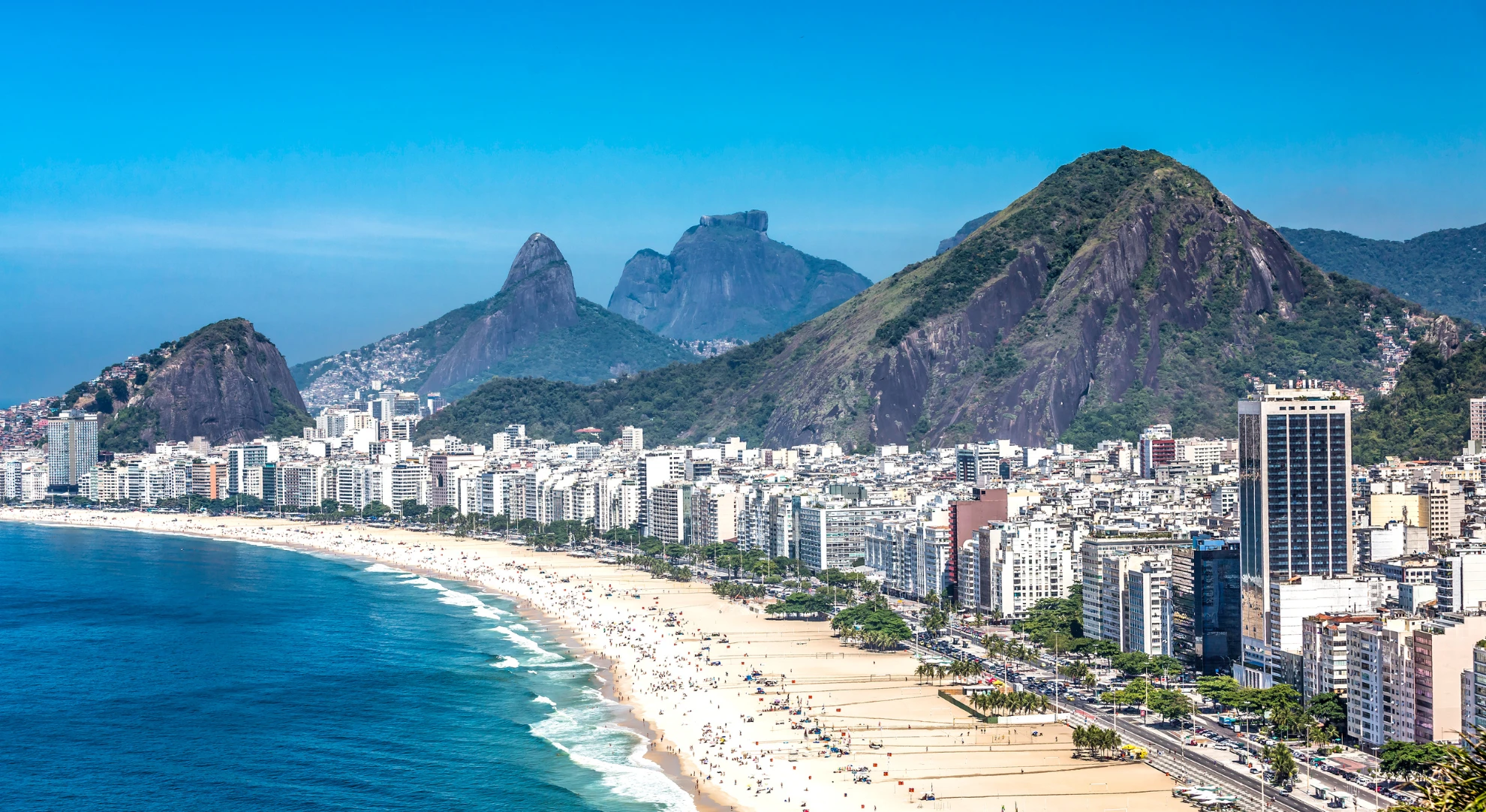
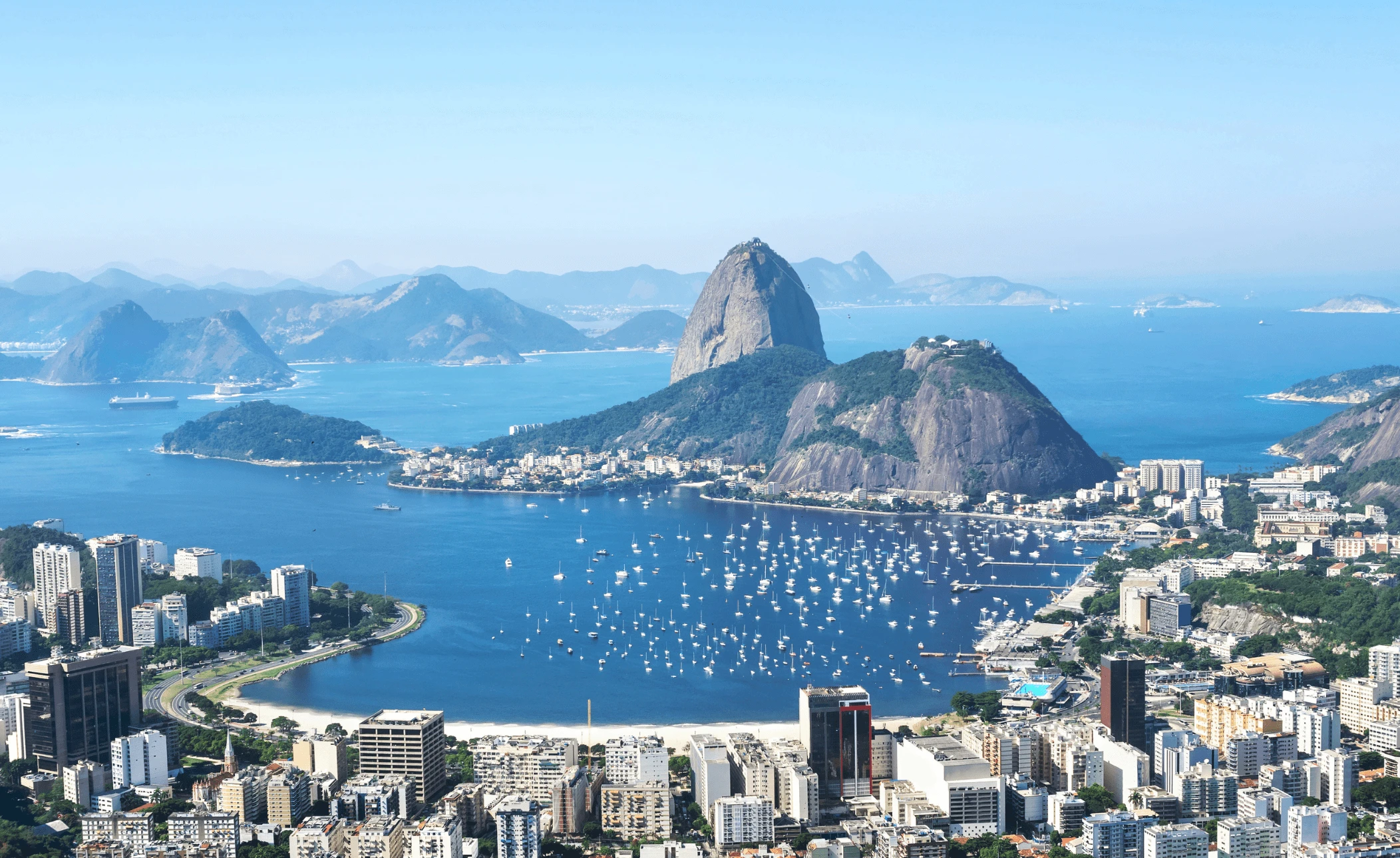
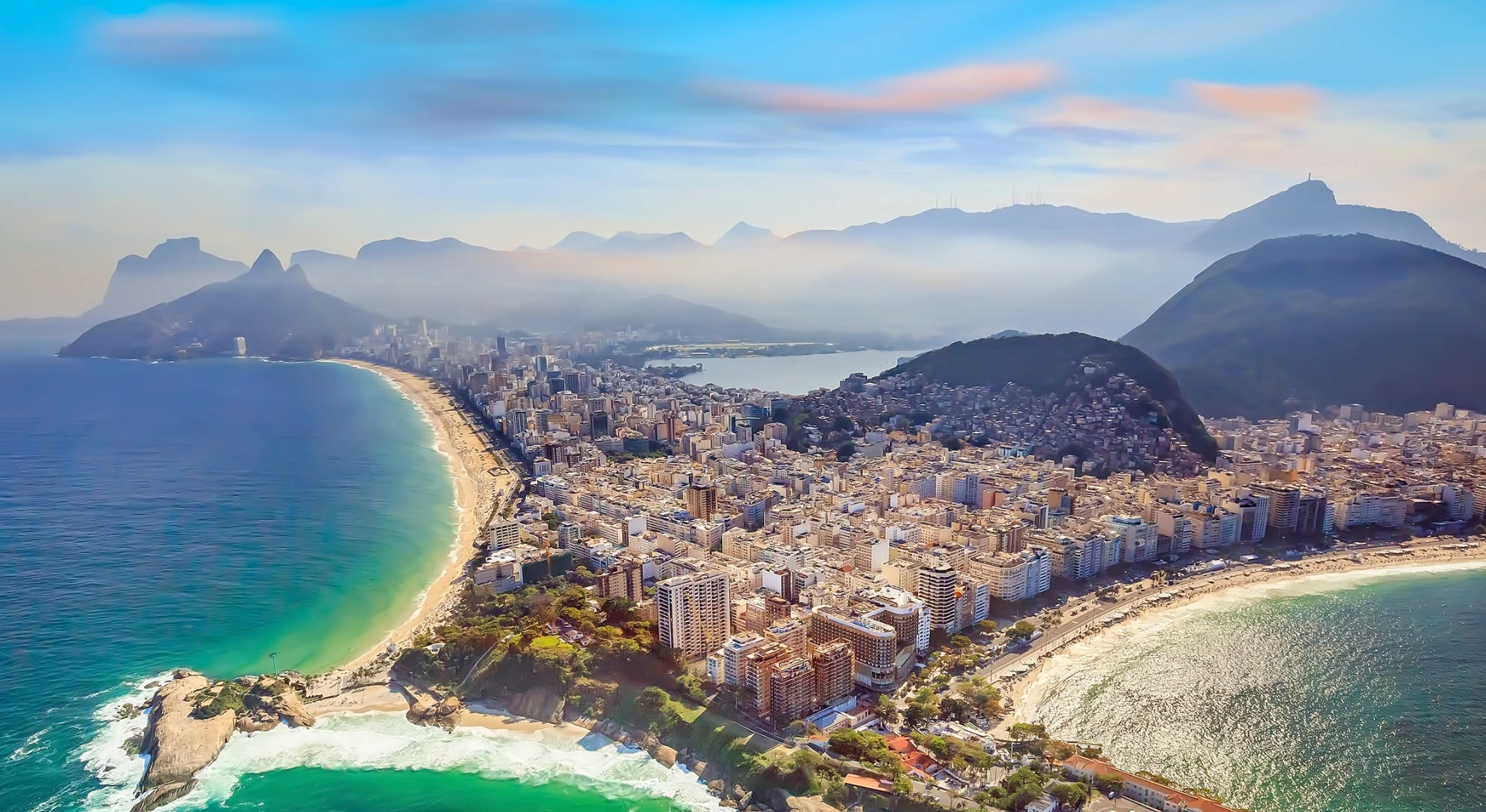
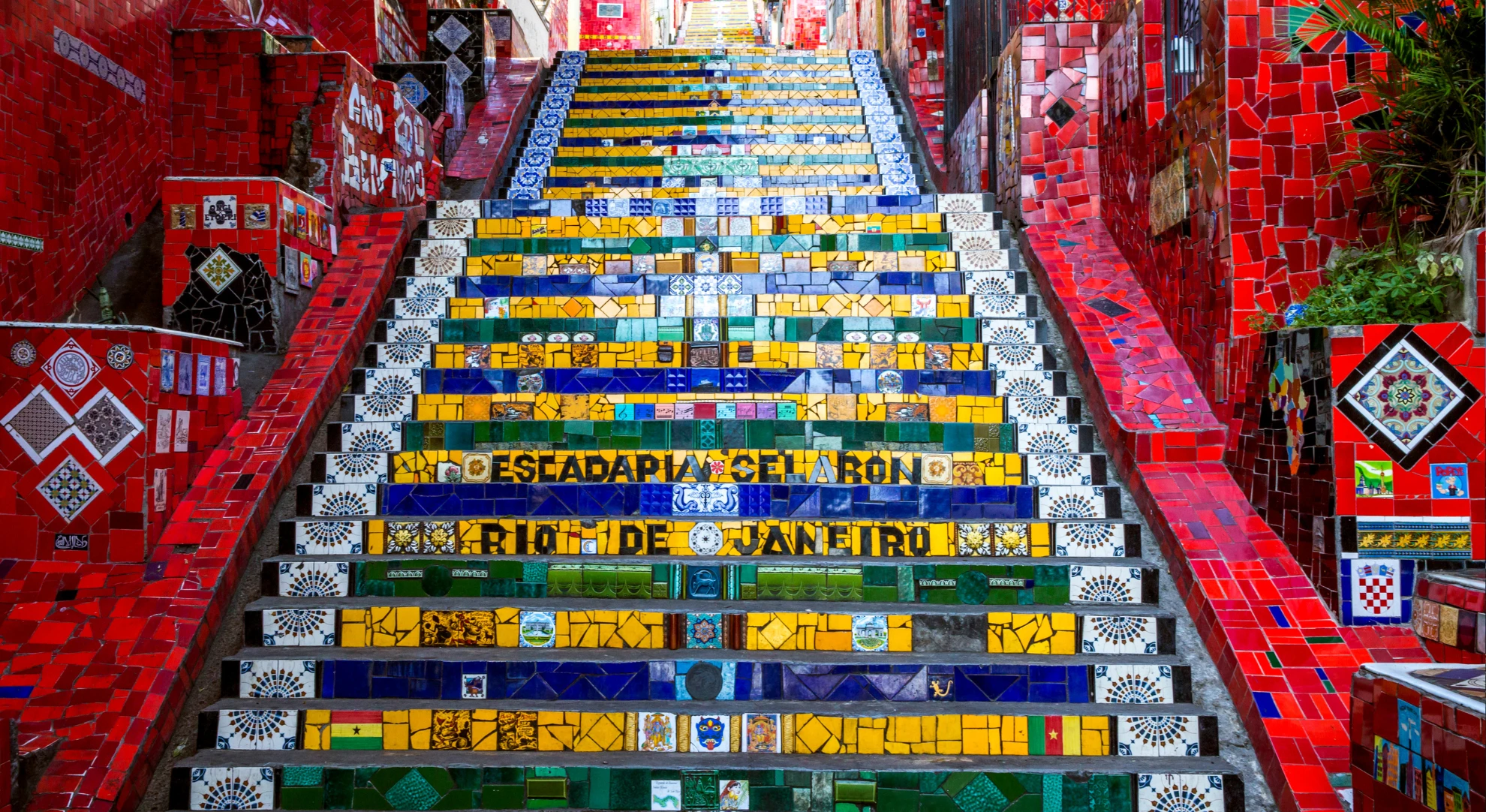
The reason most first-time visitors come, and rightly. Rio is one of the few cities in the world that lives up to a postcard. The geography is unlike anywhere else, with mountains inside the city, ocean at the edge, and forest running between them. Christ the Redeemer, Sugarloaf, Ipanema and Copacabana are the famous bullet points. The actual day-to-day is sunset at a beach bar, dinner in Ipanema or Leblon, an afternoon walking Santa Teresa, a cable car for the view. Three to four nights minimum, ideally more.
Iguaçu Falls
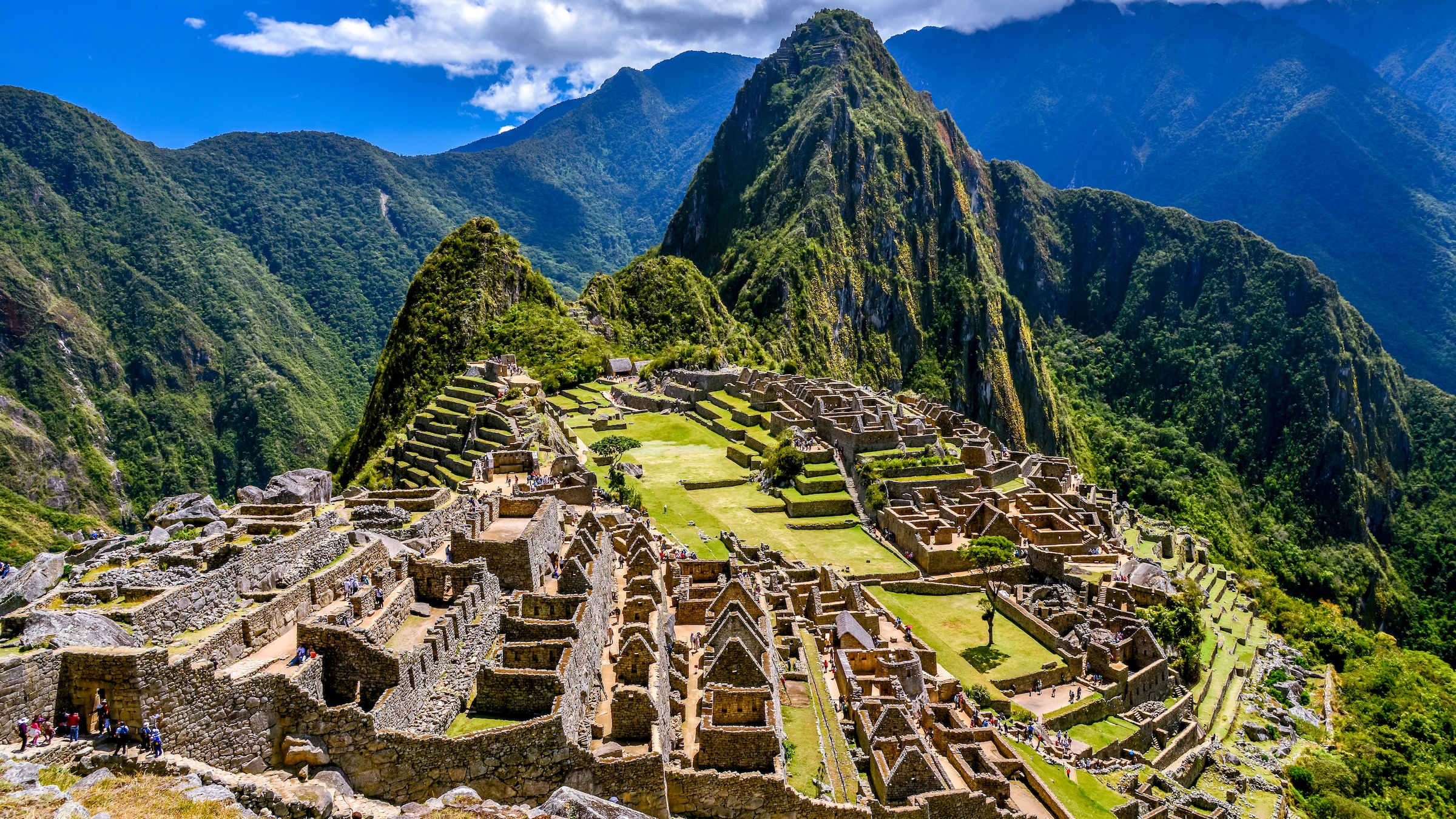
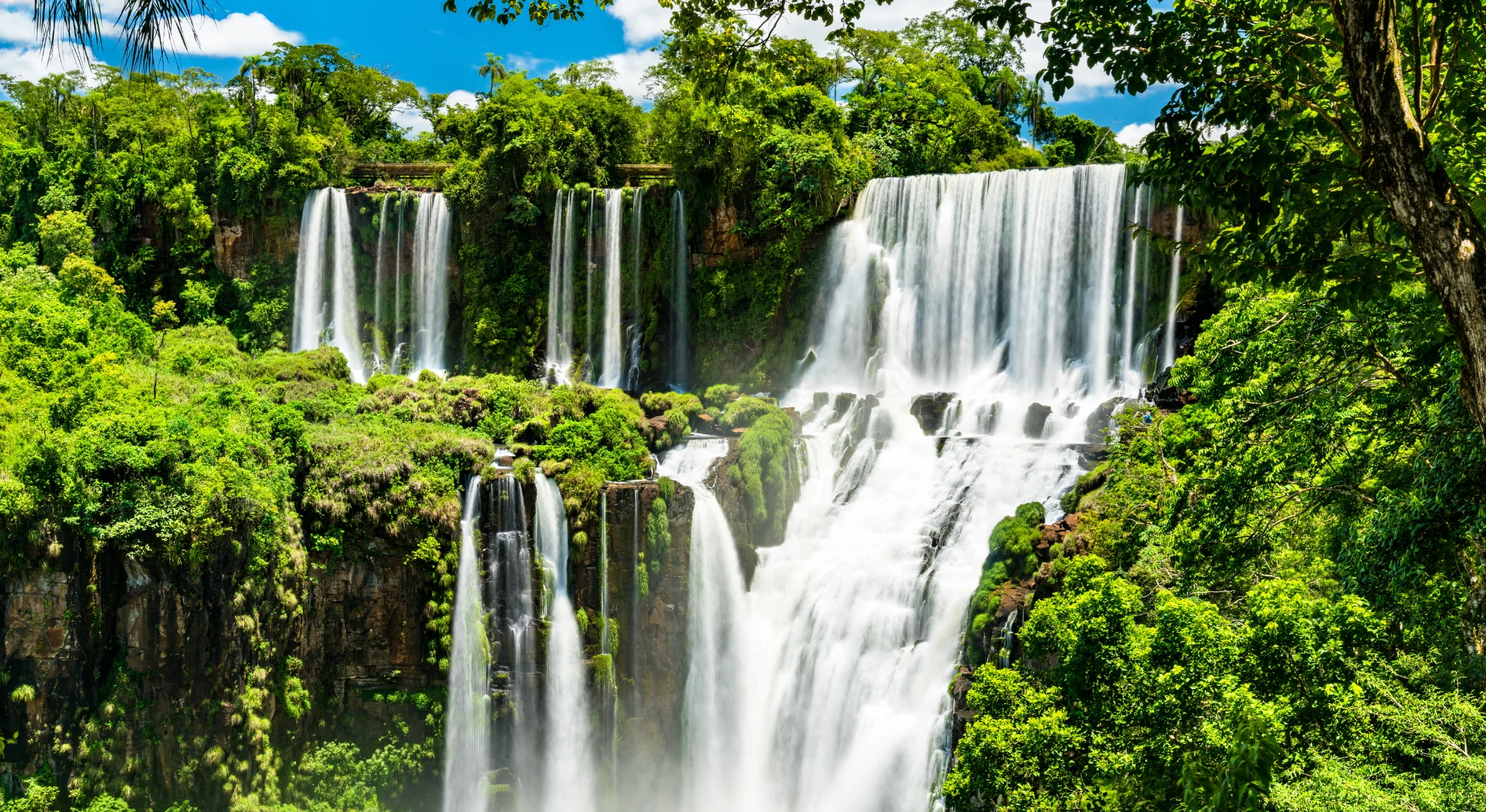
On the Brazil-Argentina border, three hours by air from Rio. The system is 275 separate falls along a three-kilometer horseshoe, with the Devil’s Throat as the deepest single point. The Brazilian side gives you the panorama, while the Argentinian side gets you close enough to feel the spray. You can do it in two nights but three is more comfortable, and staying inside the Brazilian national park at Belmond Hotel das Cataratas lets you walk the falls before any day-trippers arrive.
Salvador and Bahia
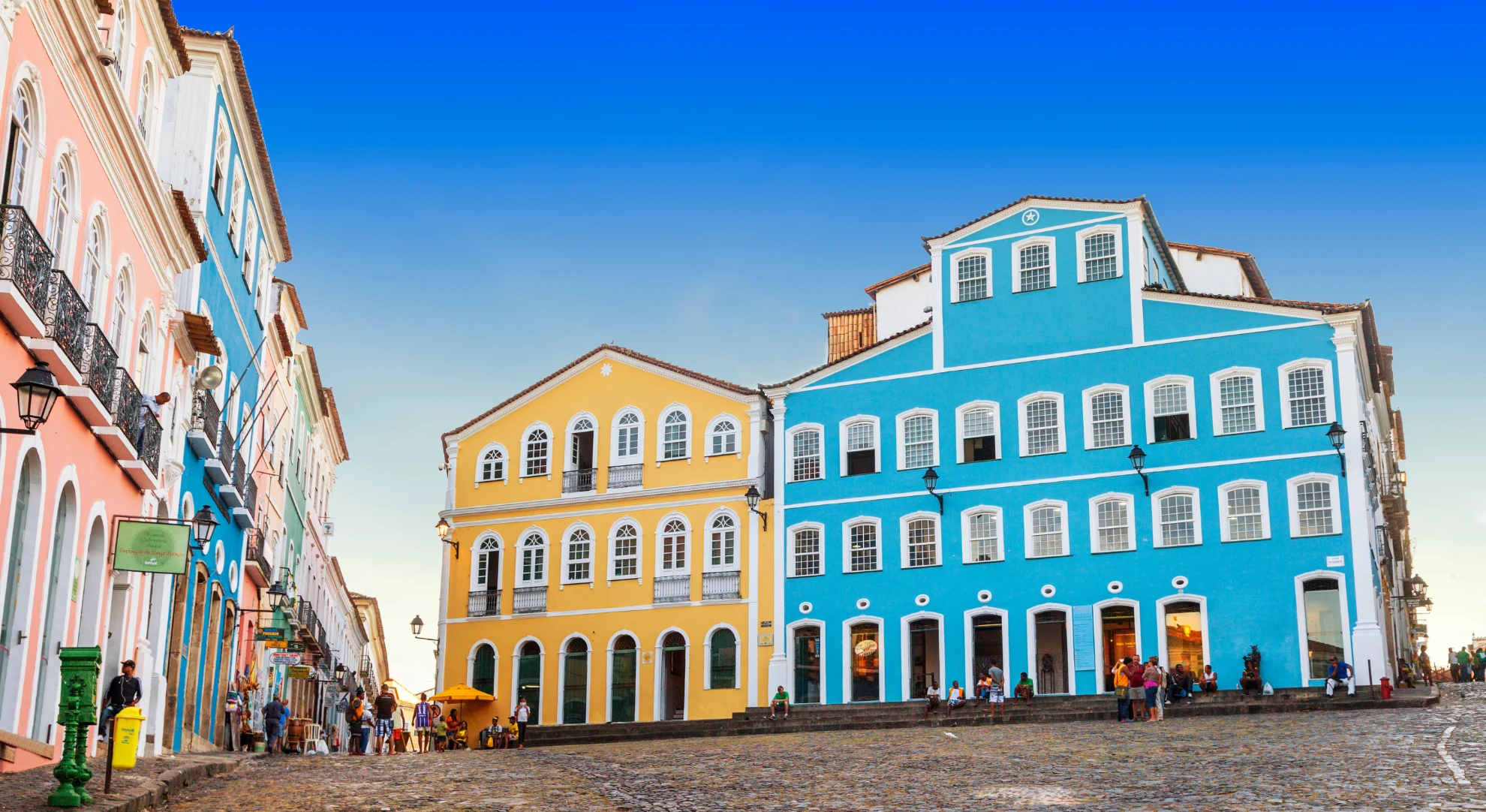
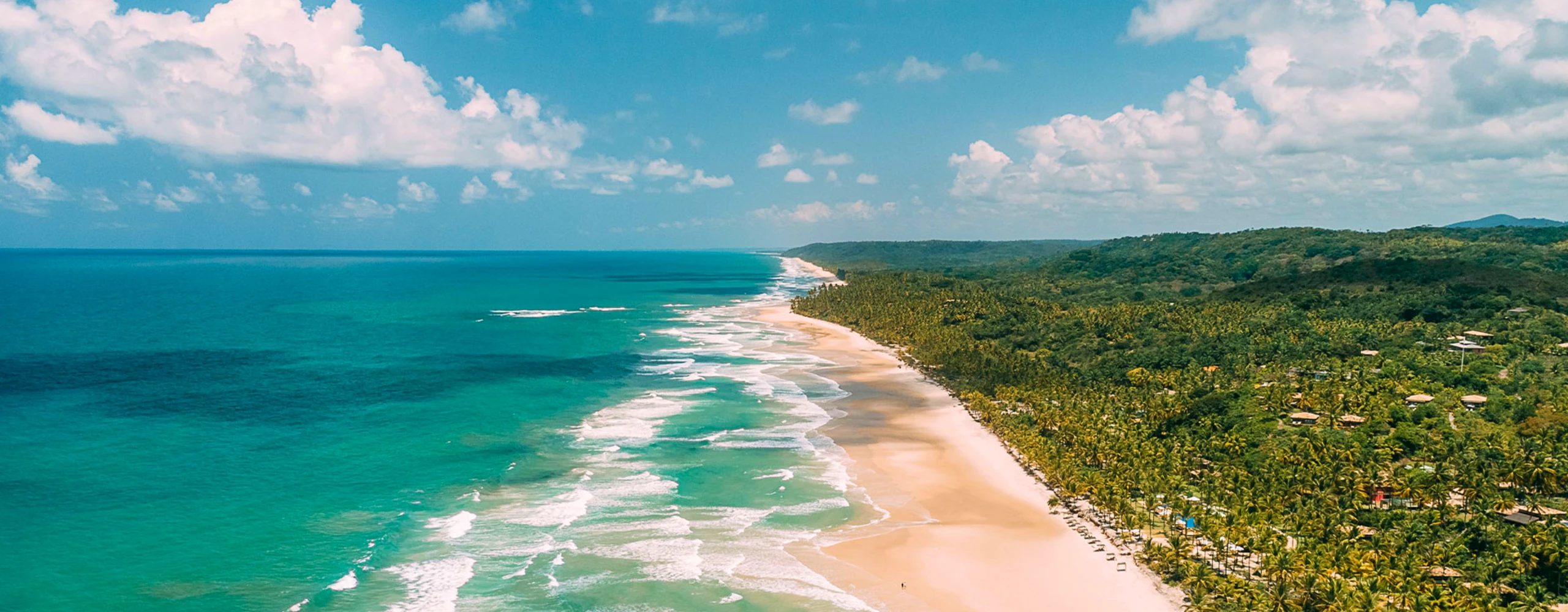
Salvador, in the northeast, is the cultural capital of Afro-Brazilian Brazil. The colonial Pelourinho district, the music, the food, and the street energy are all distinct from Rio. South of Salvador, Bahia state opens out into one of the world’s great beach coastlines, including Praia do Forte, Trancoso, Caraíva, and the Maraú Peninsula. Trancoso in particular has become a serious luxury destination, with UXUA Casa Hotel at the center of it.
The Amazon
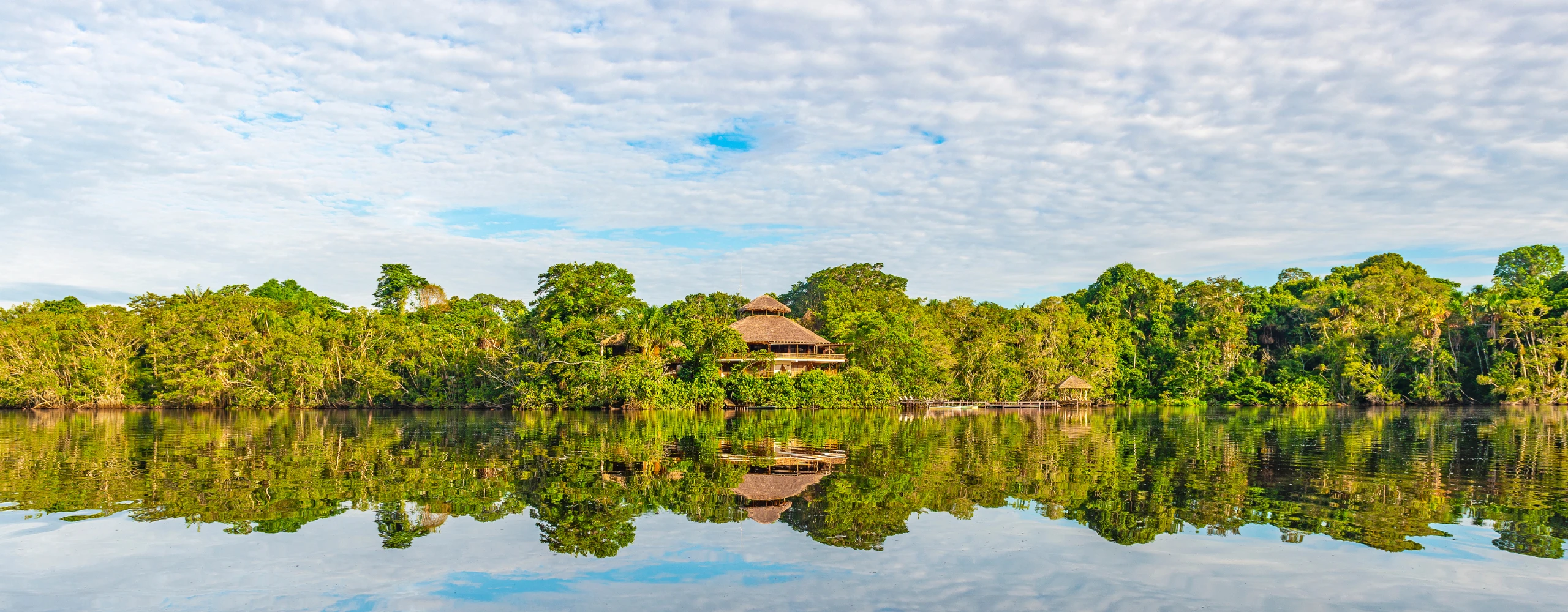
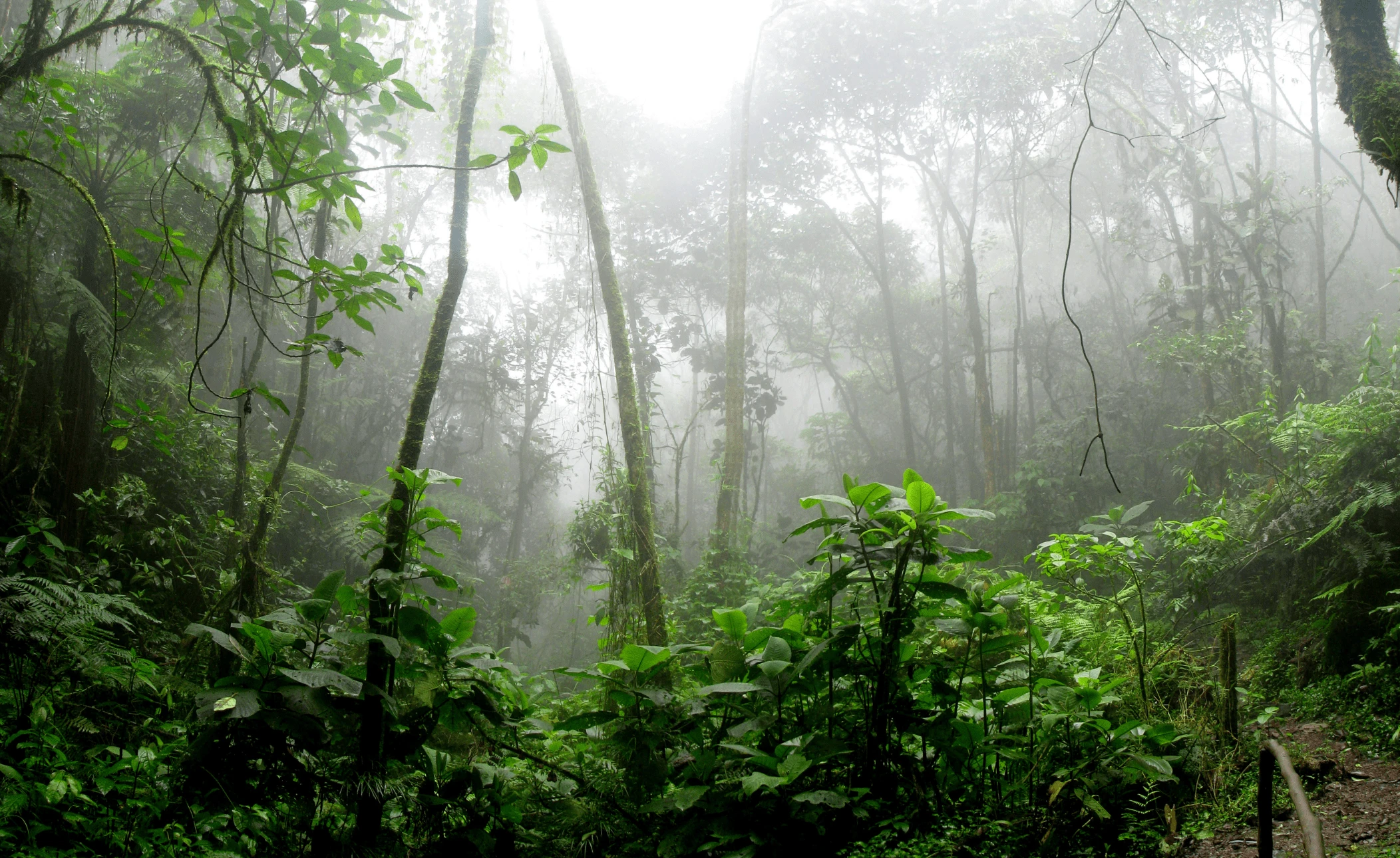
The Brazilian Amazon is approached via Manaus, with luxury lodges like Anavilhanas and Cristalino offering proper rainforest stays, including river trips, night walks, canopy towers, and dawn wildlife sessions. Three to four nights is the typical visit. One caveat for first-timers is that the Brazilian Amazon and the Peruvian Amazon offer different experiences. We tend to recommend Peru’s Tambopata or Manú reserves if wildlife is the main draw, and Brazil if you want the scale and architecture of the lodges themselves.
The Pantanal
The largest tropical wetland in the world, and Brazil’s strongest wildlife destination. It is better than the Amazon for jaguar sightings, which is the reason serious wildlife travelers come here specifically. The dry season is the right window. Caiman Lodge and Refúgio Ecológico Caiman are the standard luxury options, and it works best when paired with Rio or Iguaçu rather than as a standalone trip.
Beach destinations
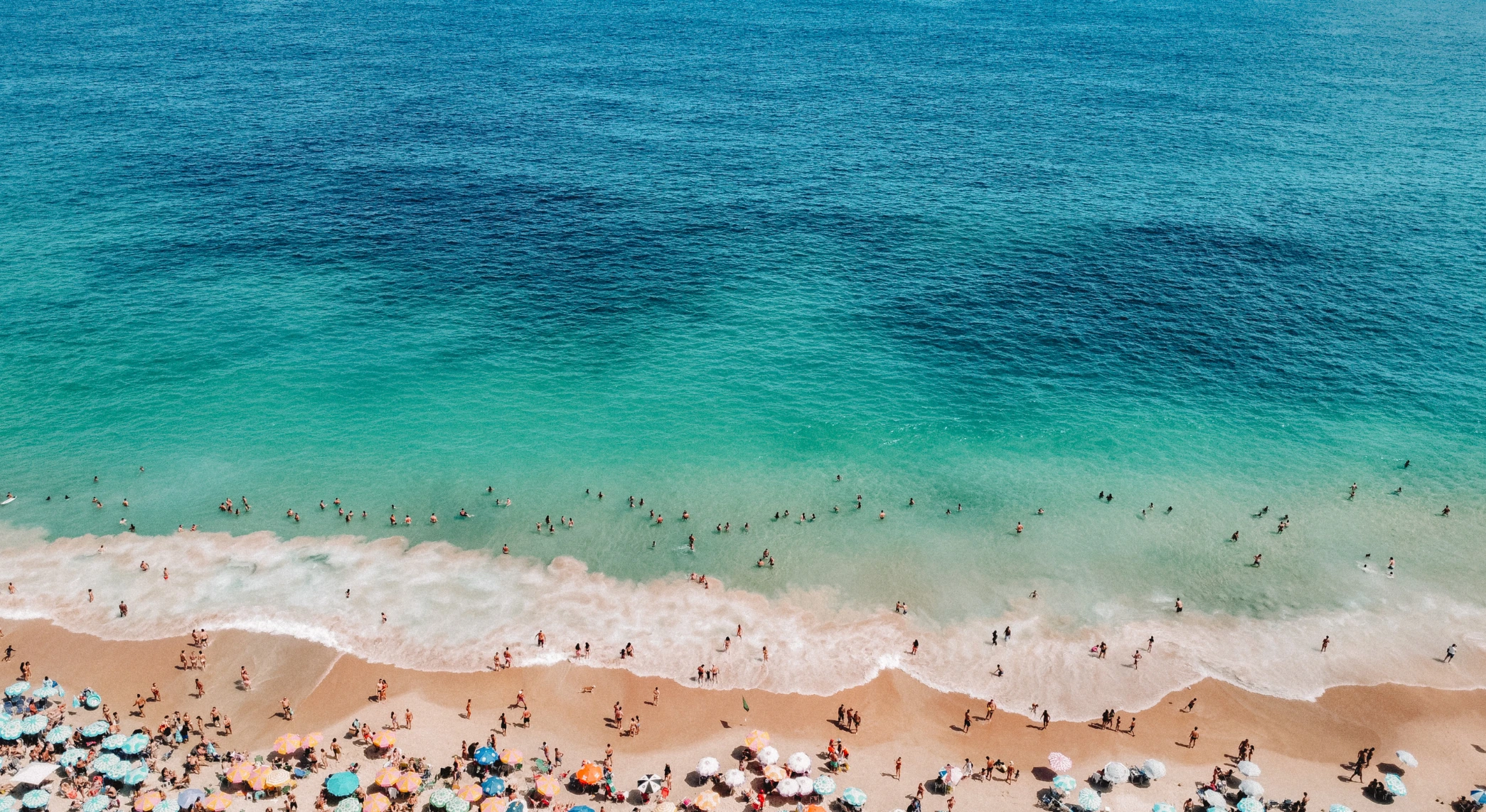
Beyond Bahia, Brazil’s coastline runs for thousands of kilometers with several destinations worth knowing. Fernando de Noronha is an island archipelago off the northeast coast, with strict visitor caps and some of the best snorkeling in the Atlantic. Búzios is a former fishing village two hours from Rio, popular with the São Paulo and Buenos Aires crowd in summer. Trancoso, covered above, is probably the best single combination of luxury, LGBTQ+ comfort, and pristine beach in Brazil.
When to go
Brazil’s seasons are flipped from the northern hemisphere, but the country is so large that summer and winter mean different things in different regions.
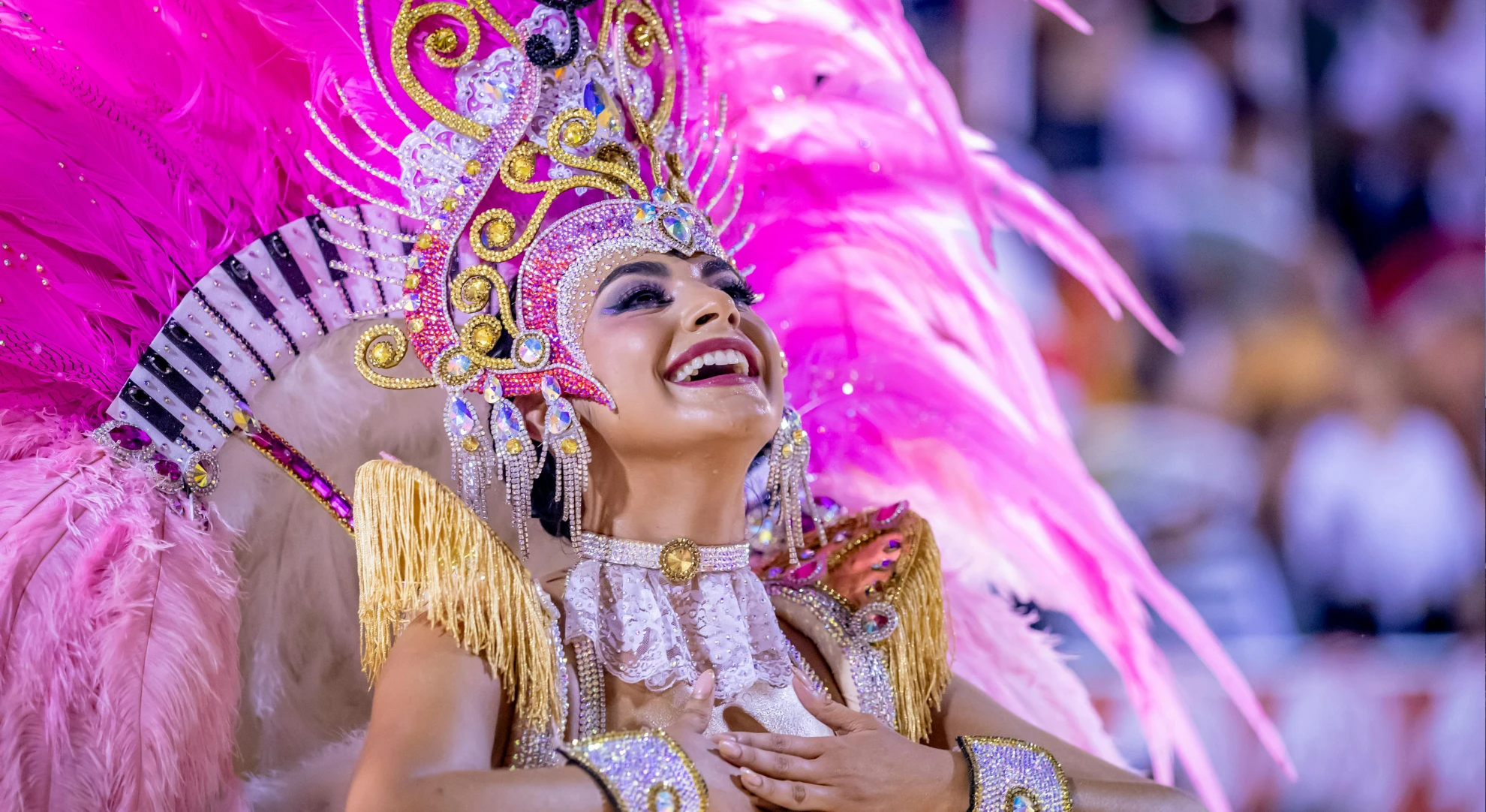
December to March is southern summer, with hot and humid weather in Rio, beach conditions in Bahia, and the rainy season in the Amazon. Carnival falls in February or early March, bringing high demand and prices, with hotels often booked a year ahead.
April to June is a shoulder window, cooler in Rio, still good for beaches, and the end of the Amazon wet season. It is often the best balance of weather and value.
July to September is the dry season in the Pantanal and Amazon, which is best for wildlife. Rio is cooler and Bahia drier, making it strong for nature-led trips, though less ideal for swimming in Rio.
October to November is another shoulder period, with Rio Pride in November and a gradual build toward peak season.
Brazil is one of those countries that demands more than a single stop. The contrasts are too sharp, the landscapes too varied, the culture too distinct from one city to the next. This itinerary brings together three of its most...We Suggest...
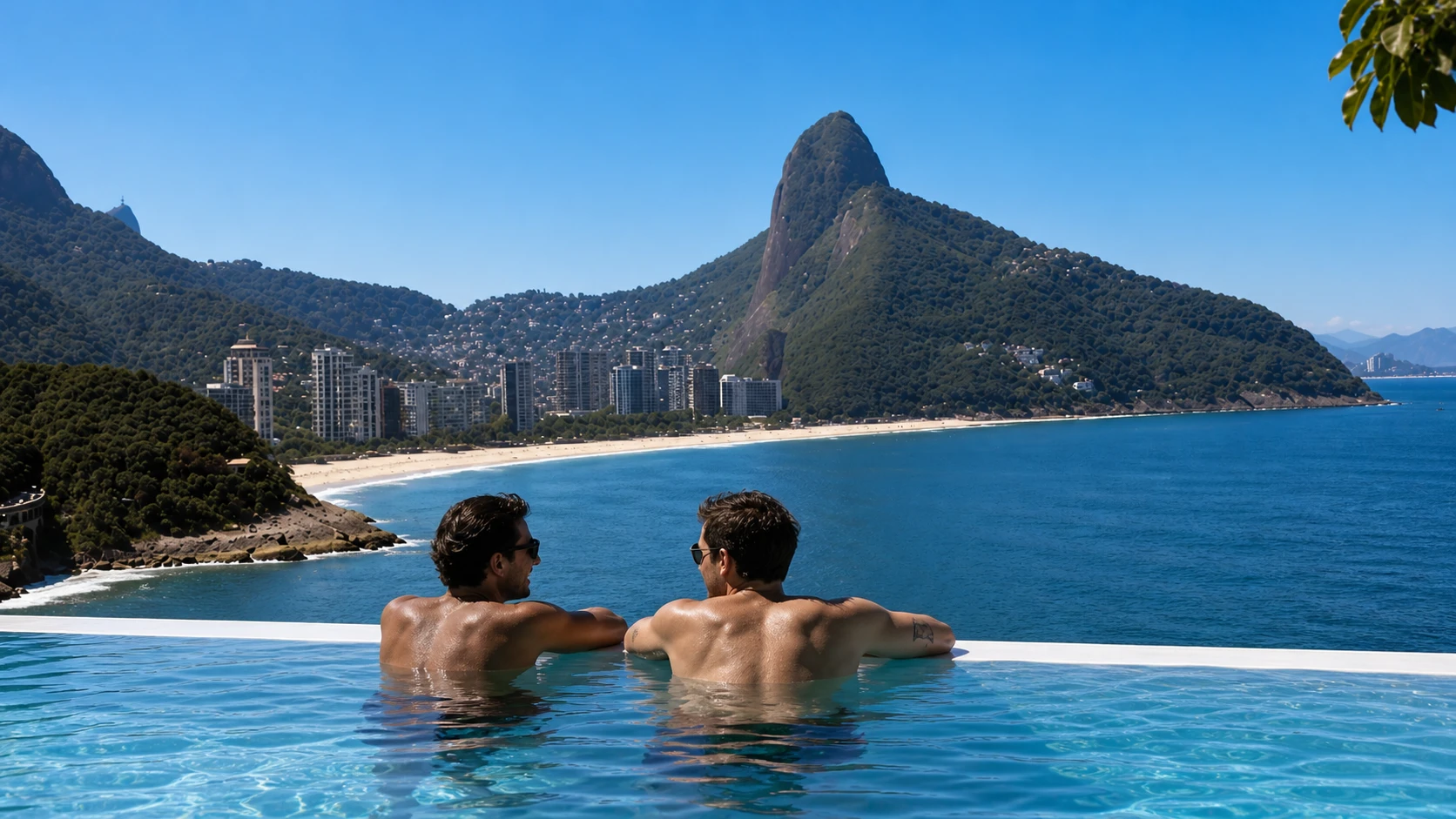
Ultimate Luxury Brazil: Rio, Iguazu and Trancoso
Tailor-Made Vacation
How long to stay
A first trip to Brazil should ideally be 10 to 14 nights. Anything shorter forces a single-region trip, which is fine for a focused holiday but means missing the variety that makes the country distinctive. A two-week trip can cover Rio, Iguaçu, and one beach destination comfortably. Three weeks opens up the Pantanal or Amazon as well.
Brazil for LGBTQ+ travelers
Brazil legalized same-sex marriage in 2013 and has constitutional protections against sexual-orientation discrimination, but the lived experience varies sharply by region. The major southern cities and the luxury beach destinations are visibly gay-friendly and have been for years, while the northeast and rural interior are more conservative. Brazil also records some of the highest absolute numbers of anti-trans violence in the world, concentrated in poorer urban areas. This should not put you off the country, but it should shape where you spend your time.
The destinations we reliably recommend for first-time LGBTQ+ visitors include Rio de Janeiro, where the gay village around Rua Farme de Amoedo in Ipanema and the Posto 9 beach stretch anchor the scene, alongside a strong club culture in Lapa and Glória. São Paulo hosts the world’s largest Pride parade in June and has a year-round nightlife scene in Jardins and Vila Madalena. Trancoso is quietly the most gay-popular luxury beach destination in Brazil, while Florianópolis offers a relaxed southern beach city with a substantial gay scene.
For first-time travelers, our standard suggestion is to anchor the trip in Rio with one or two of Trancoso, Iguaçu, or Búzios, giving you the range of Brazil without straying too far from places where you do not have to read the room.
Practical planning
Language is Portuguese, not Spanish. English is reasonably common in luxury hotels and tourist-facing businesses, but less so outside them, and a few words of Portuguese go a long way. The currency is the Brazilian real, with cards widely accepted in cities, though some cash is useful in rural areas. Brazil’s visa policy varies by passport and should be checked before booking. Safety follows standard major-city precautions, particularly in Rio, where avoiding visible valuables and using transfers at night is advised. Getting around the country relies on domestic flights, as distances between regions make road travel impractical, and building buffer time into connections is important.
Booking with Out Of Office
The hotels that define a luxury first trip to Brazil are mostly small, mostly remote, and mostly book out earlier than travelers expect. UXUA Trancoso has fewer than 15 rooms, Belmond Hotel das Cataratas at Iguaçu is the only property inside the Brazilian national park, and Pantanal lodges operate within short seasonal windows.
Out Of Office is a luxury LGBTQ+ travel specialist, which means every itinerary is built by people who know the destinations and the gay scenes inside them. For Brazil specifically, that means understanding where to stay in Rio depending on whether you prefer Ipanema or Copacabana, which Trancoso spots draw the gay crowd, and which hotels are genuinely welcoming to same-sex couples.