The Amazon has the name. The Pantanal has the jaguars. A guide to choosing between Brazil's two great wildernesses, and which one your trip actually needs.
The Amazon and the Pantanal are usually mentioned in the same breath, but the experiences are not really comparable. One is the largest tropical forest on earth, famous, and famously hard to see anything in. The other is the largest tropical wetland on earth, less than a third the size, and the best place in the world to see a jaguar. Most first-time Brazil travelers go to the Amazon for the name. A lot of them would have had a better trip in the Pantanal.
Both are in Brazil, both have luxury lodges that handle international guests well, and both can sit comfortably inside a wider itinerary. What separates them is what you actually do day to day, and what you actually see when you’re there. This is a guide to choosing between them.
Wildlife sightings: Pantanal vs Amazon
If your priority is wildlife sightings, the Pantanal is stronger. The landscape is open, flat, and seasonally dry, which makes animals easier to spot. Jaguars are the main draw, particularly between June and October, when sightings along riverbanks are frequent enough to be expected rather than hoped for.
The Amazon is more complex. It holds far greater biodiversity, but the dense rainforest makes wildlife harder to see. You are more likely to hear animals than to see them, with sightings coming in shorter, less predictable moments. The experience is less about a single headline species and more about the overall environment.
Landscape and overall experience
The Pantanal is immediate. You’re out on the river at first light, eyes on the banks, and within minutes there’s movement. A caiman slipping into the water, capybara scattered along the edge, and if you’re lucky, a jaguar lying in full view. The landscape is open, the light is clear, and nothing is hidden. You don’t have to search for the experience. It comes to you.
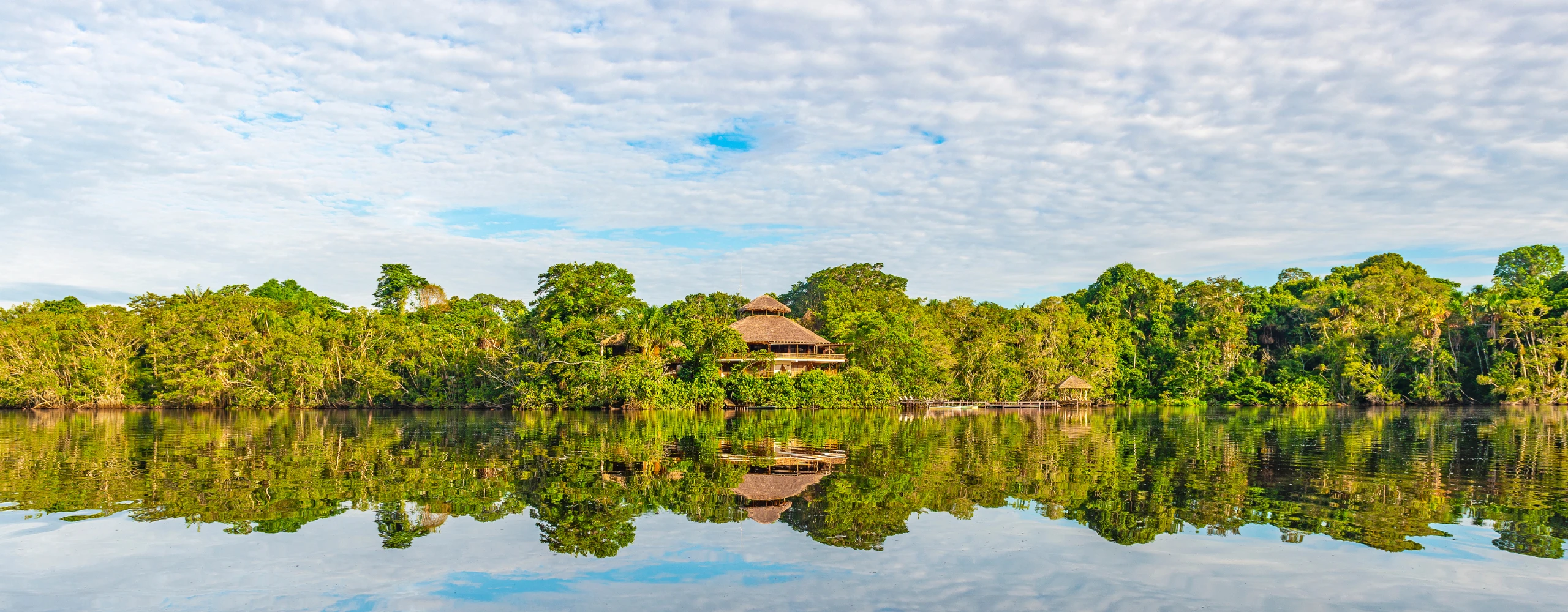
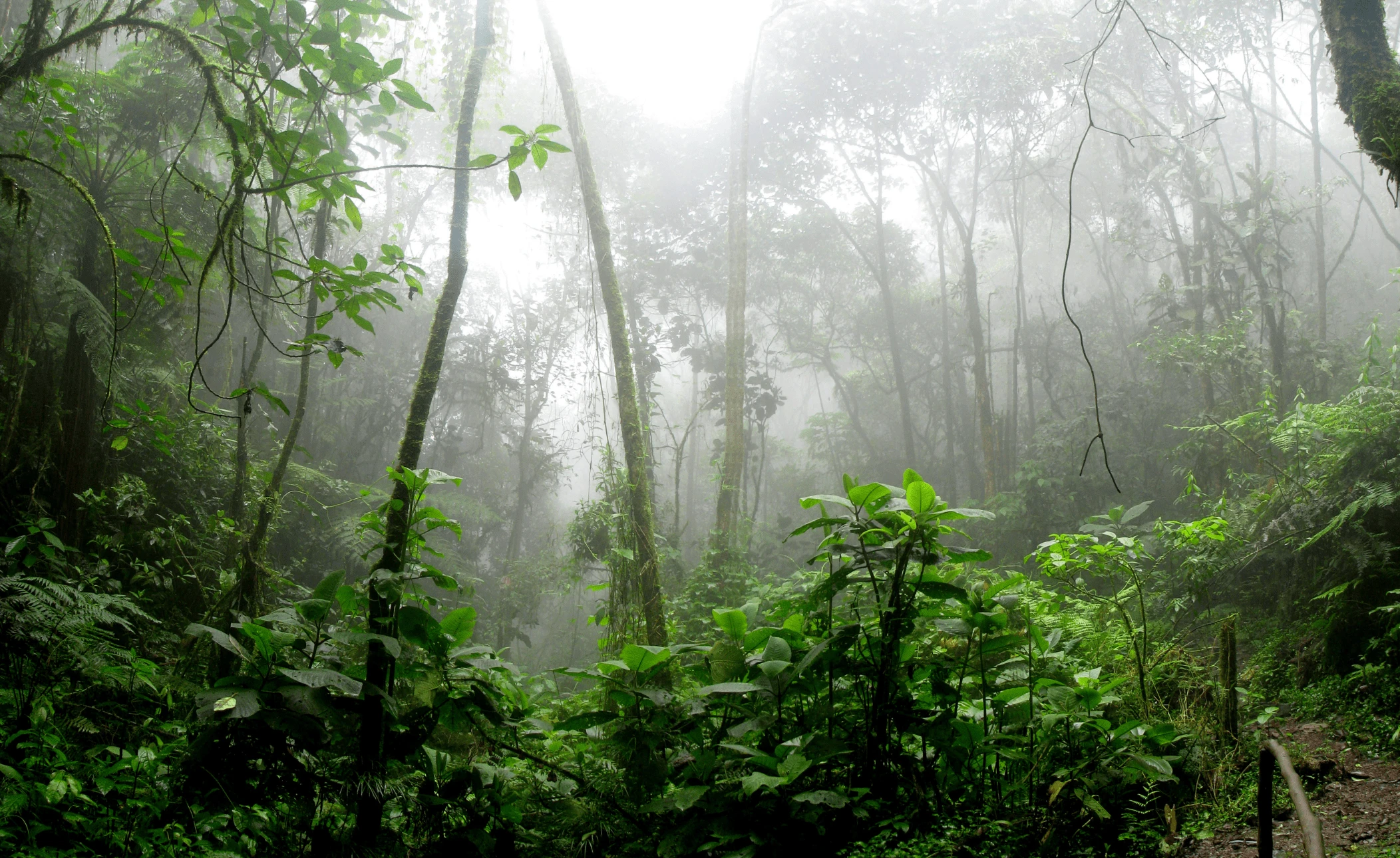
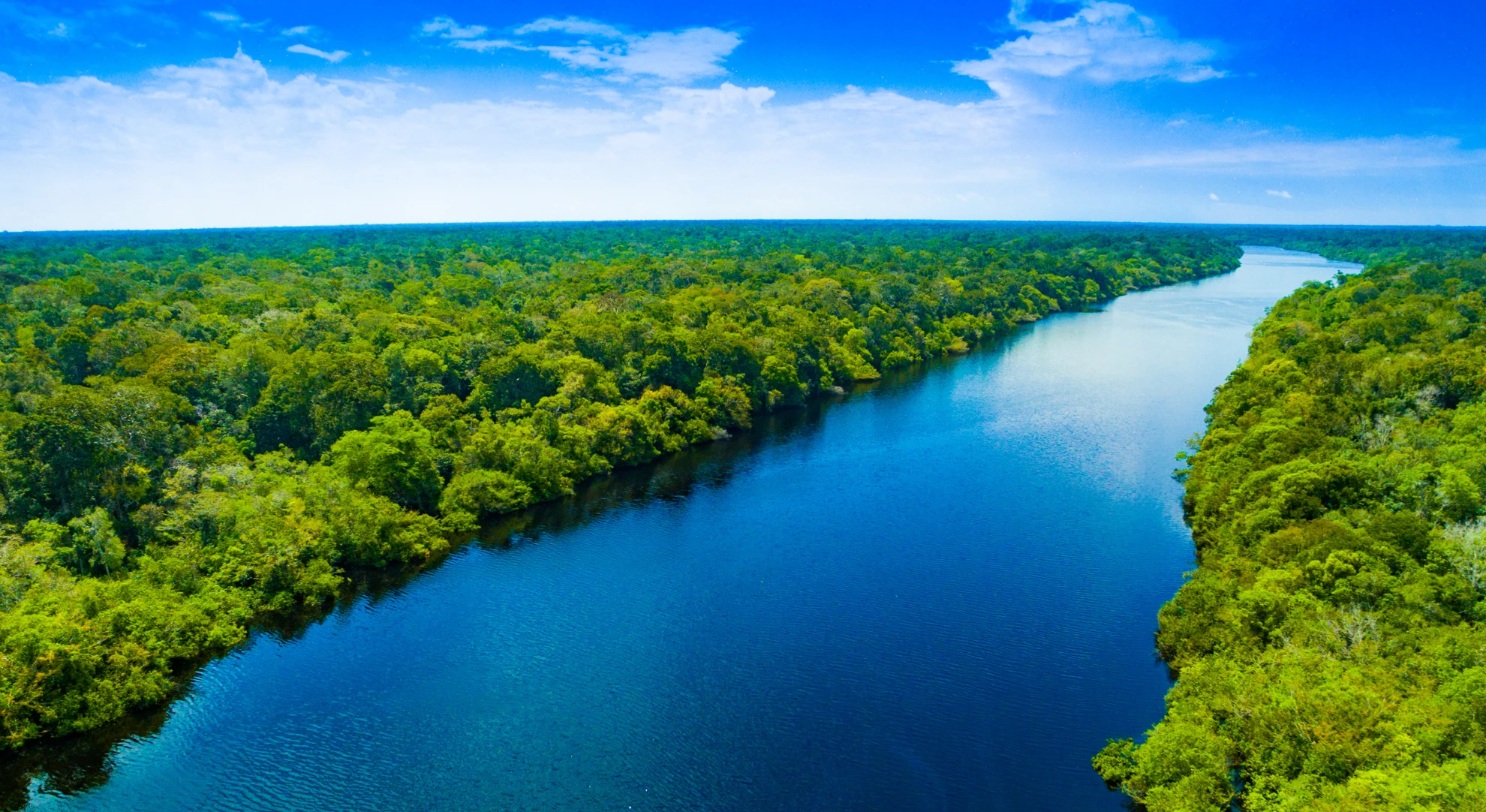
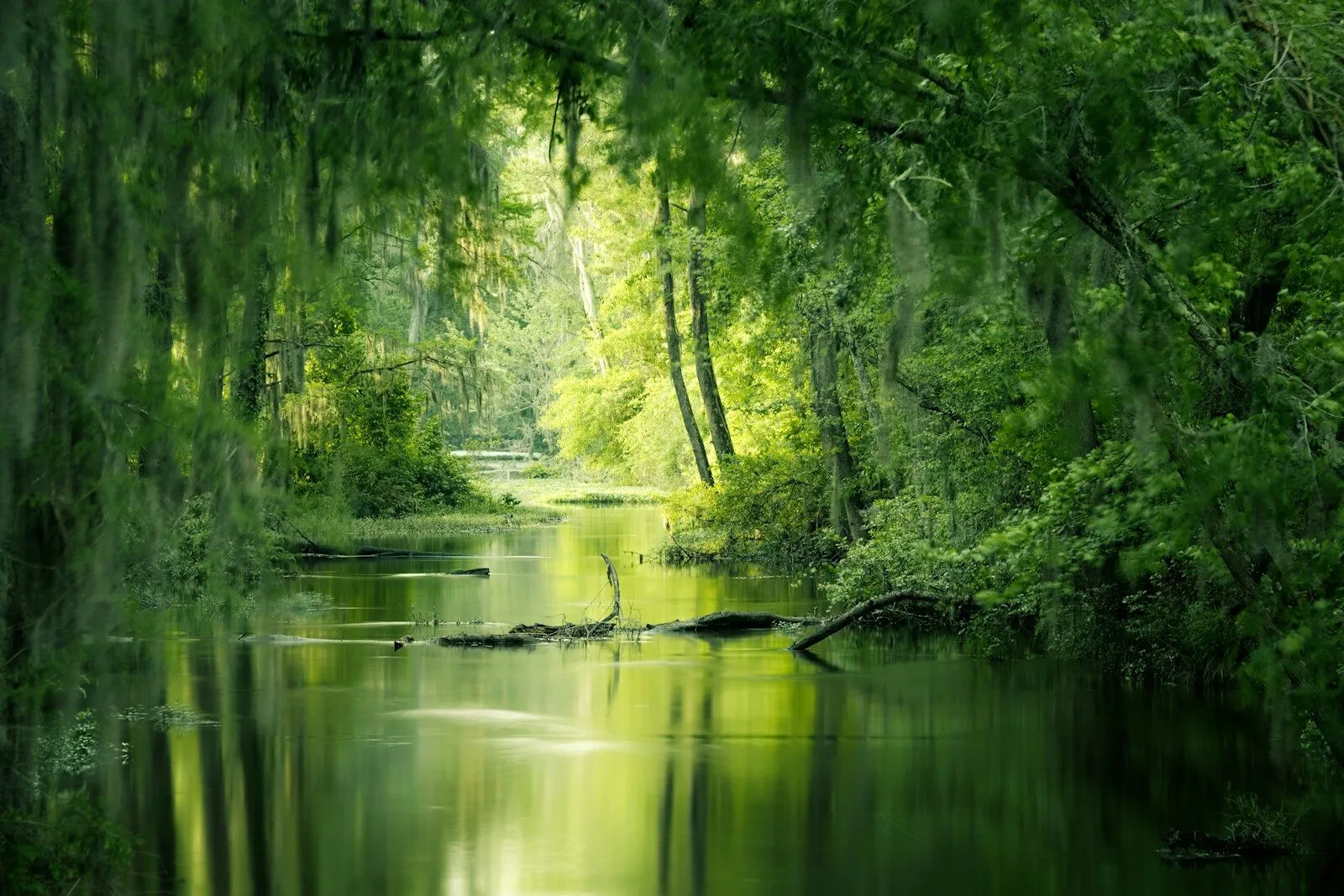
The Amazon is something else entirely. This is not about easy sightings. It’s about stepping into the largest rainforest on earth and feeling the scale of it. You move along blackwater rivers that stretch for miles, under a canopy so dense it changes the light and the air around you. Pink river dolphins surface beside the boat. Macaws cut across the sky. At night, the forest is alive in a way that’s hard to describe until you’re in it. It’s less about chasing a single moment and more about being inside a landscape that feels almost unreal in its size and intensity.
Brazil is one of those countries that demands more than a single stop. The contrasts are too sharp, the landscapes too varied, the culture too distinct from one city to the next. This itinerary brings together three of its most...We Suggest...
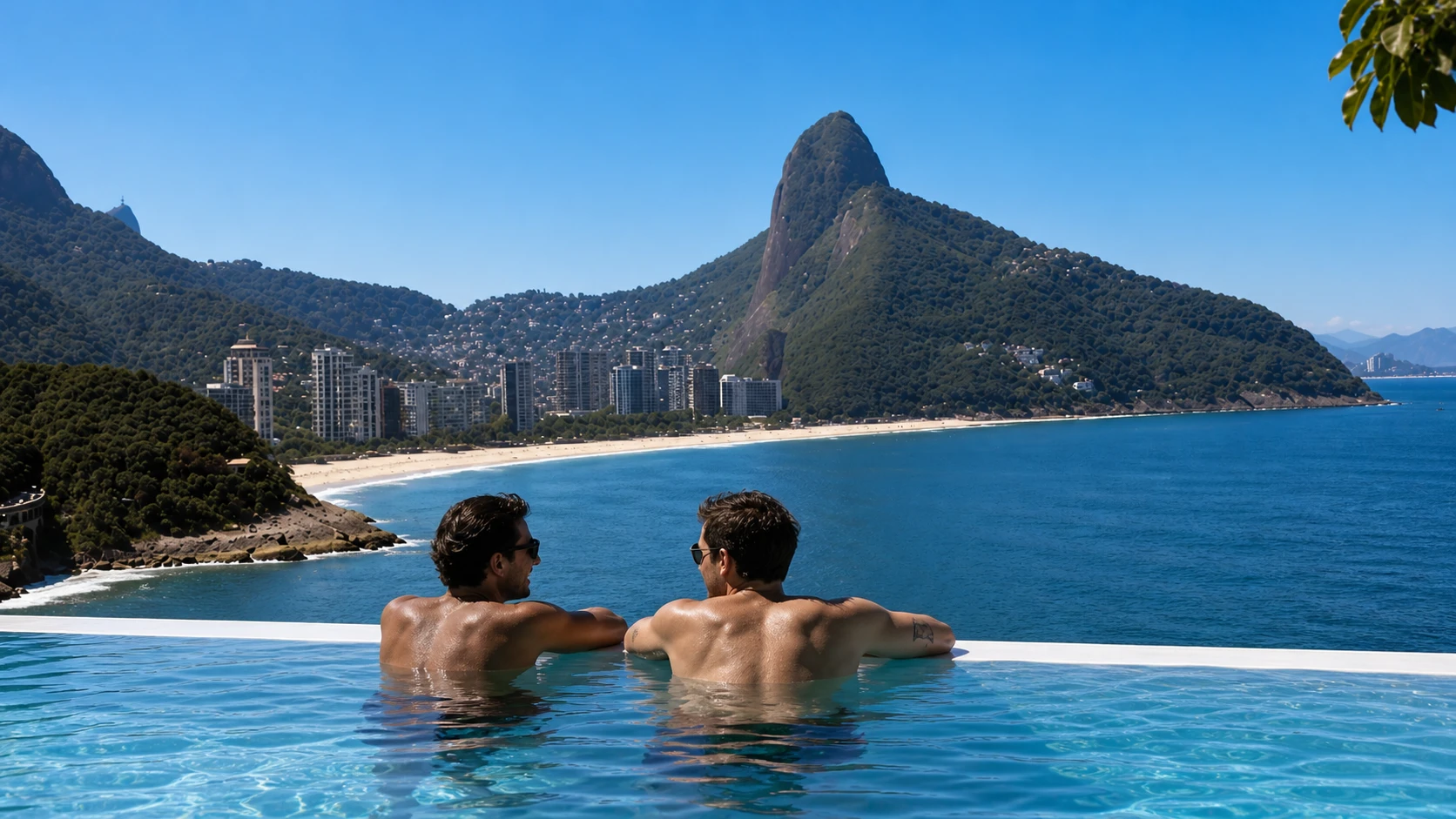
Ultimate Luxury Brazil: Rio, Iguazu and Trancoso
Tailor-Made Vacation
Lodges and level of luxury
Both regions offer genuinely high-end lodges, but the experience they deliver is quite different.
In the Pantanal, places like Caiman are built around access. You’re there for the wildlife, and everything is designed to get you as close to it as possible. Expert guides, fast access to key river systems, and a sense that you’re always in the right place at the right time. Days start early, end late, and revolve around what’s moving. It feels purposeful, focused, and rewarding in a very immediate way.
In the Amazon, the lodge is part of the experience in a different sense. Properties like Anavilhanas and Cristalino are set deep in the forest, surrounded by nothing but river and canopy, and that isolation is the point. The architecture opens you up to the landscape, the sounds carry through the walls, and the scale of the rainforest is always present. You’re not just heading out to see something. You’re already in it from the moment you wake up.

Best time to visit
Timing matters more in the Pantanal. The dry season from June to October is when wildlife concentrates around water sources and jaguar sightings peak. Outside this window, access can be more limited and sightings less consistent.
The Amazon can be visited year-round, but water levels shape the experience. High water seasons allow for deeper boat access into flooded forests, while lower water opens up walking trails. Neither is strictly better, but they offer different perspectives.
Which one is right for you
If you want wildlife you can actually see, the Pantanal is the clear choice. This is where you come for jaguars, for that moment on the river when something appears in full view and stays there. It’s structured, focused, and consistently delivers over a few days, especially if photography is part of the trip.
The Amazon is a different kind of experience entirely. You’re not going for a single sighting, you’re going for the scale of the rainforest itself. The rivers, the density, the feeling of being deep inside something vast and alive. It’s less about ticking off animals and more about stepping into one of the most powerful natural environments on the planet.
For many repeat visitors, the two aren’t interchangeable. They do completely different things. But if you’re choosing just one, it comes down to this: if you want clarity and wildlife, go to the Pantanal. If you want scale and atmosphere, go to the Amazon.
Machu Picchu and Iguazú are the two natural-and-cultural wonders that most travelers come to South America to see, and the case for putting them in the same trip is straightforward: both reward proper time, both have a single best hotel,...We Suggest...
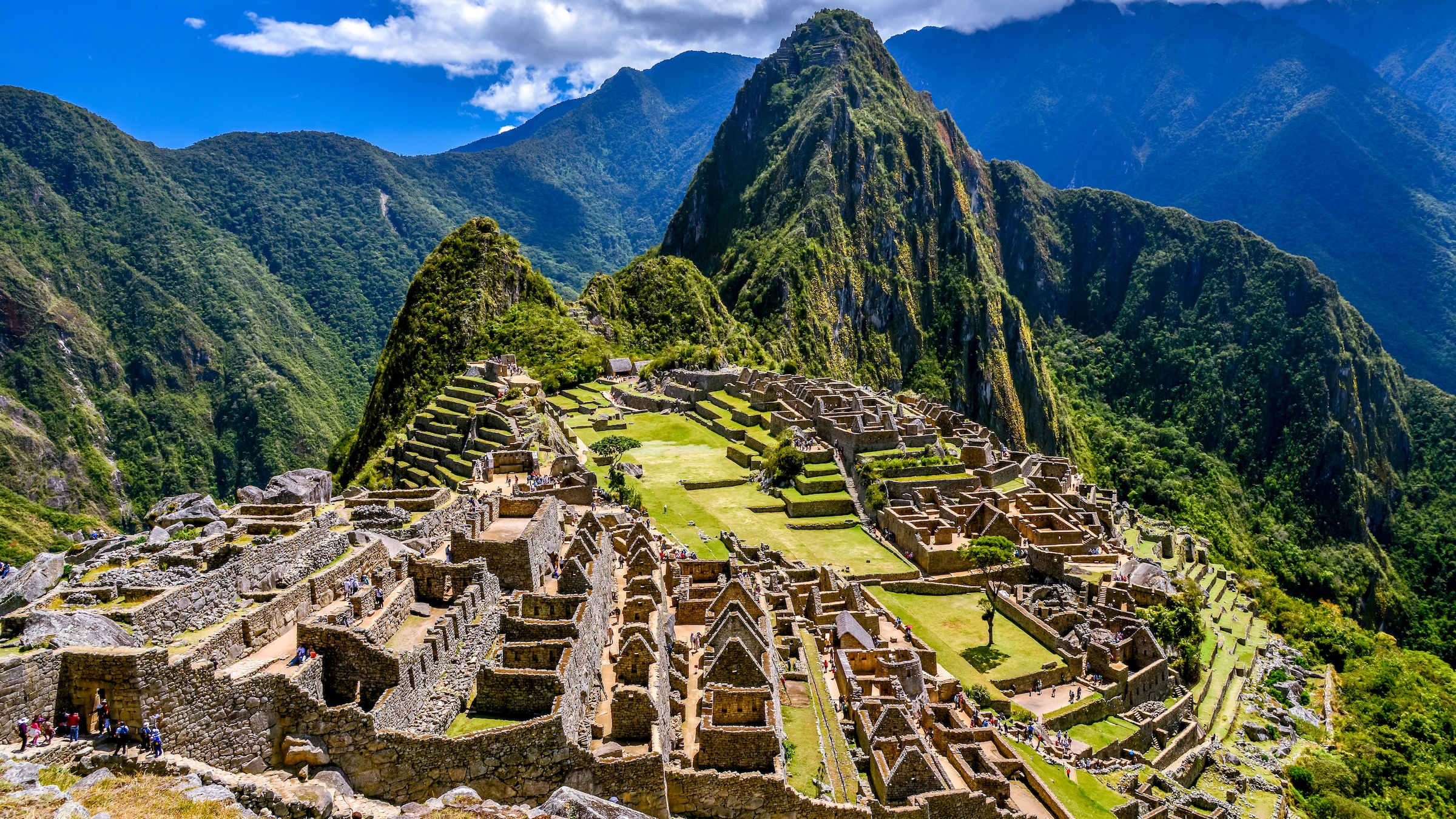
Machu Picchu & Iguazu Falls: Luxury Peru & Brazil Tour
Tailor-Made Vacation
Amazon vs Pantanal for LGBTQ+ travelers
For LGBTQ+ travelers, both the Amazon and the Pantanal are less about scene and more about the experience itself. These are remote, lodge-based stays where your time is spent in nature rather than in social spaces, and the atmosphere is shaped more by the property than the destination.
At the top end, the lodges we work with are professional, welcoming, and used to international guests, including same-sex couples. There is no meaningful difference in how you are treated, and both regions are generally straightforward to navigate as part of a wider Brazil itinerary.
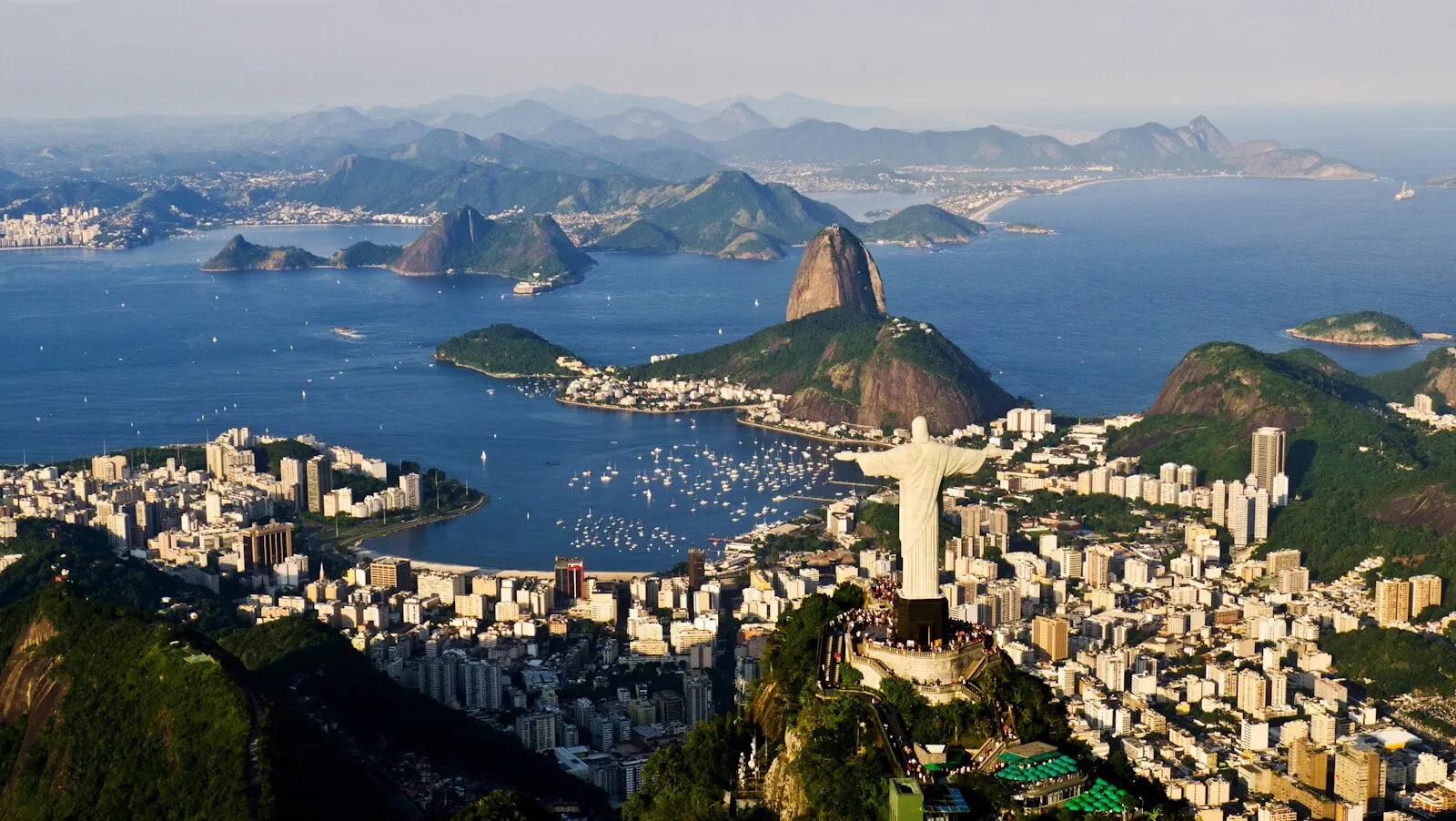
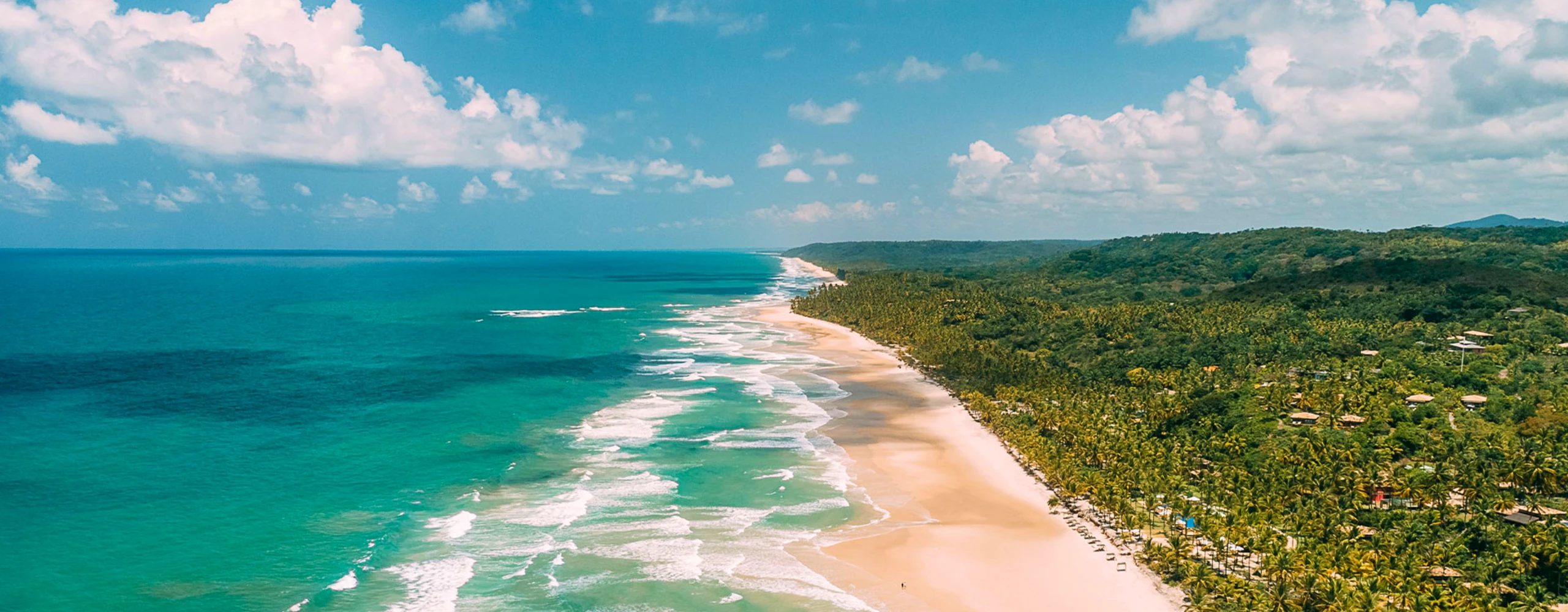
The main consideration is how these destinations fit into the rest of your trip. Most LGBTQ+ travelers will pair either the Amazon or the Pantanal with Rio de Janeiro or São Paulo, where there is a visible and established gay scene. Beach destinations such as Trancoso also combine well, offering a more social and relaxed contrast to the isolation of the rainforest or wetlands.
As with the rest of Brazil, awareness of context matters. In remote areas, discretion tends to come naturally, not because of any issue, but because the focus is entirely on the landscape. The overall experience is comfortable, but it is different from the openness of Rio or São Paulo.
Planning the trip
The Amazon and the Pantanal are rarely combined in a single short itinerary due to distances and logistics. Most trips pair one of them with Rio, Iguazu Falls, or a beach destination.
Both require some forward planning, particularly in peak wildlife seasons or at the best lodges, which have limited capacity. Getting the timing right, and choosing the right lodge for your priorities, makes a significant difference to how the experience feels.
Not sure which to choose? Speak to an Out Of Office specialist and we’ll shape the right experience for you.