A guide to Puglia for LGBTQ+ travelers, covering masserie stays, Gallipoli's gay scene, the best coastline and how to pace a week or two in the region.
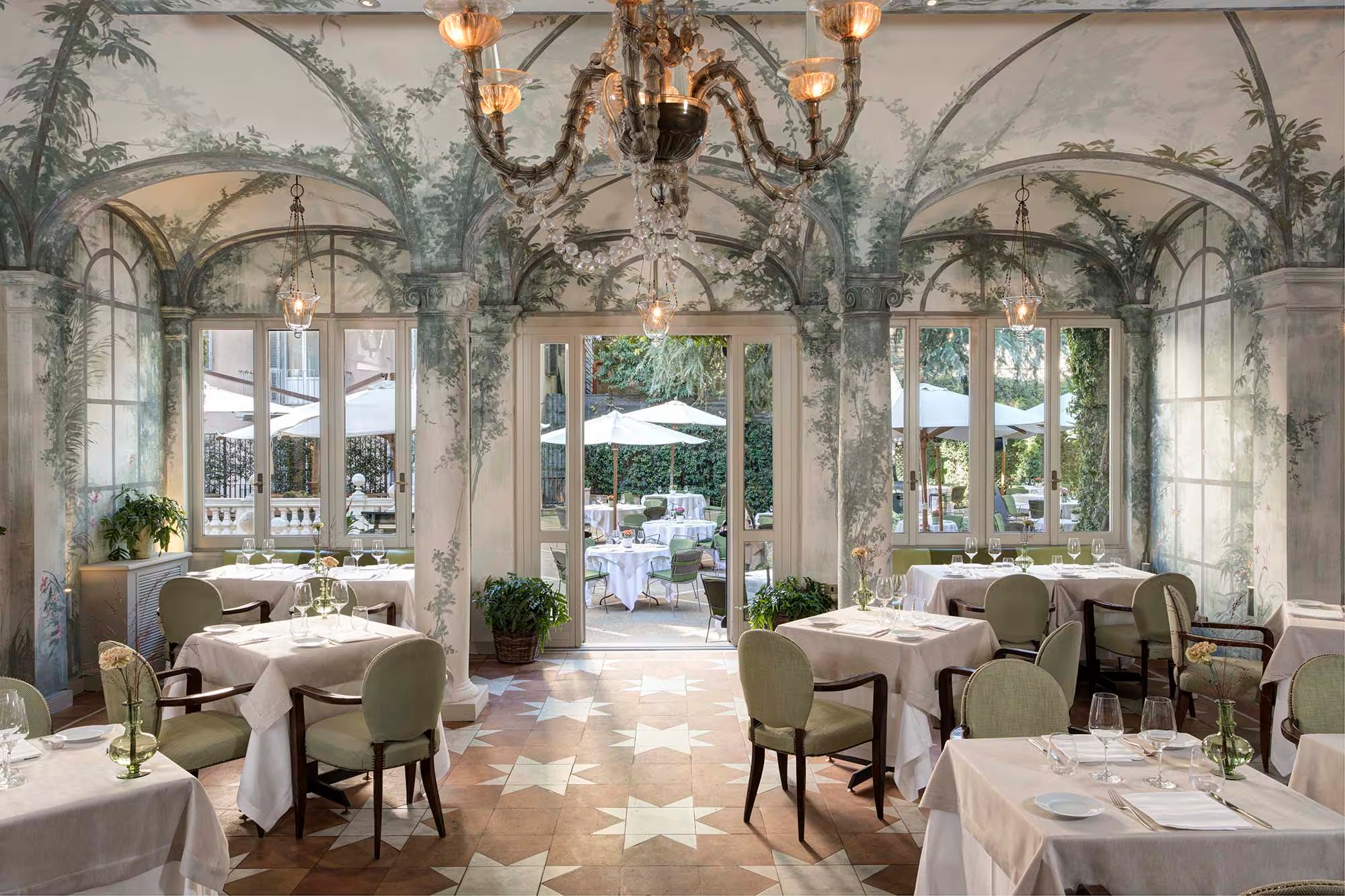
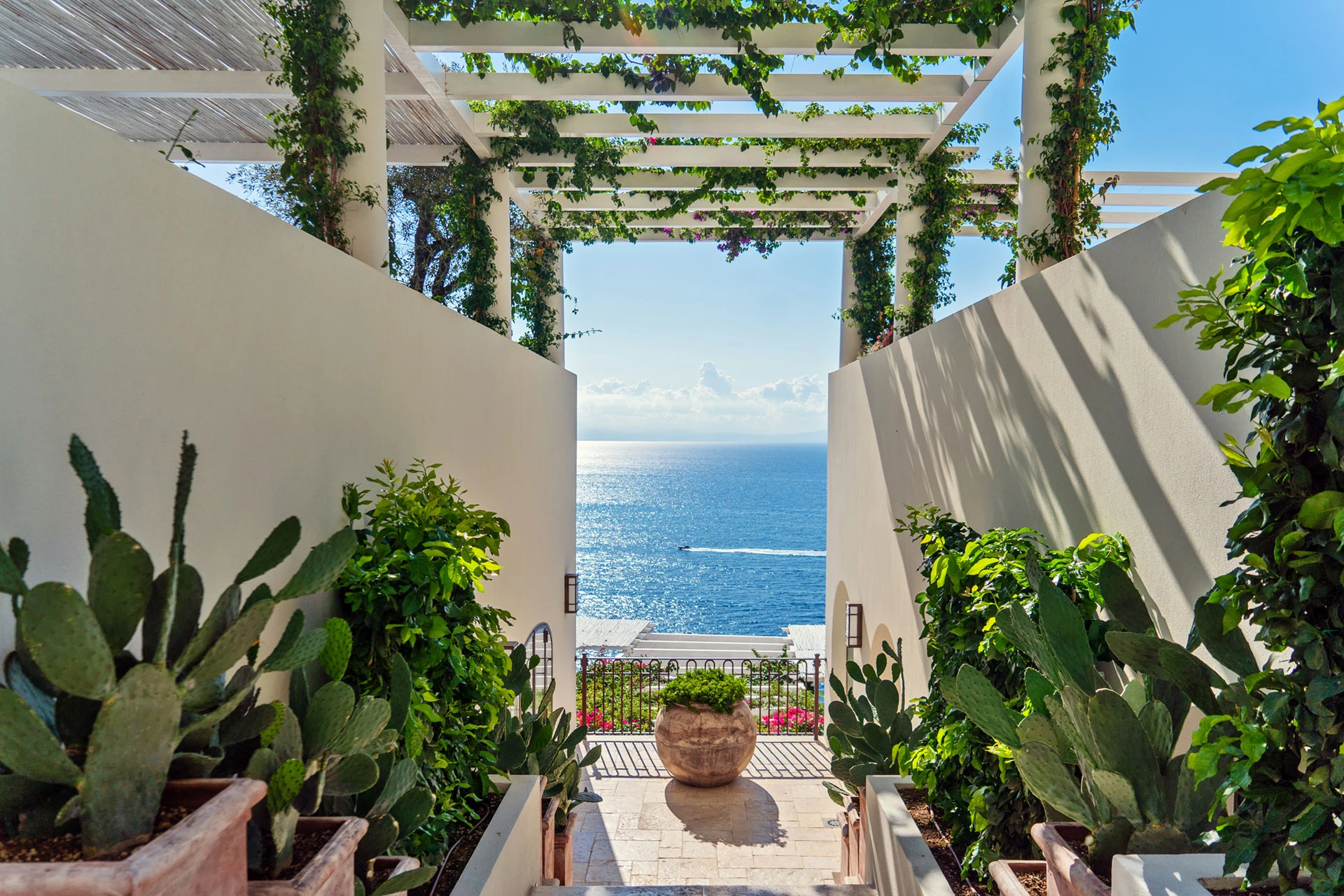
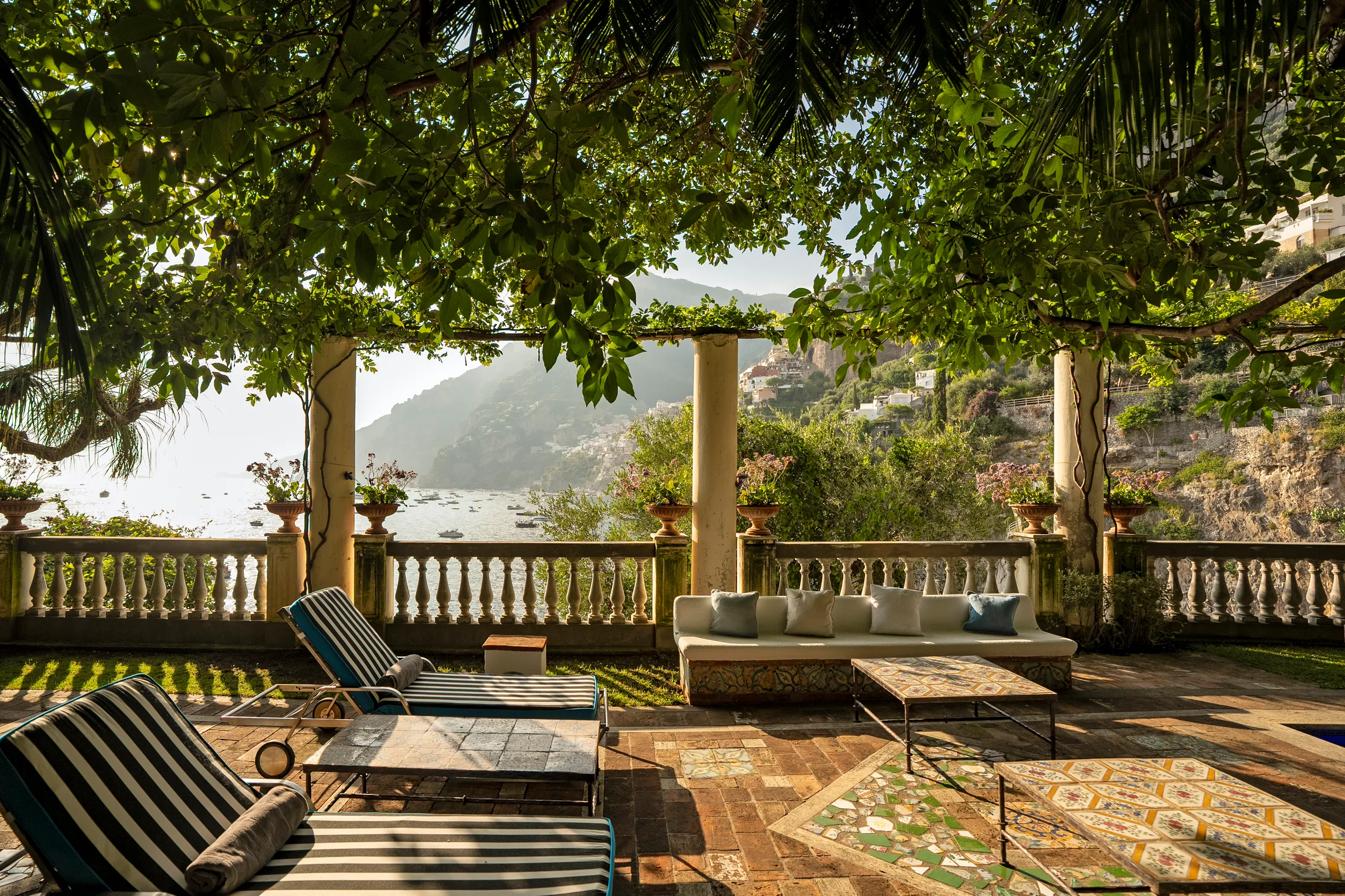
Puglia offers a very different version of luxury Italy. There are no grand lakefront hotels or cliffside towns packed tightly around a single view. Instead, the region stretches through olive groves, whitewashed towns, working farms and hundreds of miles of coastline between the Adriatic and Ionian seas.
For gay travelers, that is part of the appeal. Puglia has one of Italy’s best-established LGBTQ+ summer scenes, particularly around Gallipoli and Salento, but it is not a destination where gay nightlife needs to define the trip. You can stay at an exceptional countryside hotel, spend the day at a beach club, eat extraordinarily well and dip into the gay scene when you want it.
It works particularly well for couples, honeymoons and travelers returning to Italy who want somewhere more relaxed than the country’s classic city and coastal routes.
About Out Of Office
Out Of Office is a luxury tailor-made travel company with a focus on delivering exclusivity and inclusivity. Our passion for global adventure is matched only by our deep commitment to delivering exceptional five-star service.
Everything we do is customised and designed especially for you – our valued customer – based on your exact personal requirements. Each member of our team is widely travelled. This means you get access to first-rate travel insights and the best possible advice from our team of luxury travel experts.
| Enquire Now |
Why Puglia Works So Well for Gay Travelers
Puglia has become one of Italy’s most compelling luxury destinations because it offers something very different from Amalfi or Lake Como: restored masserie, long stretches of coastline, whitewashed towns, excellent food and far more space to slow down.
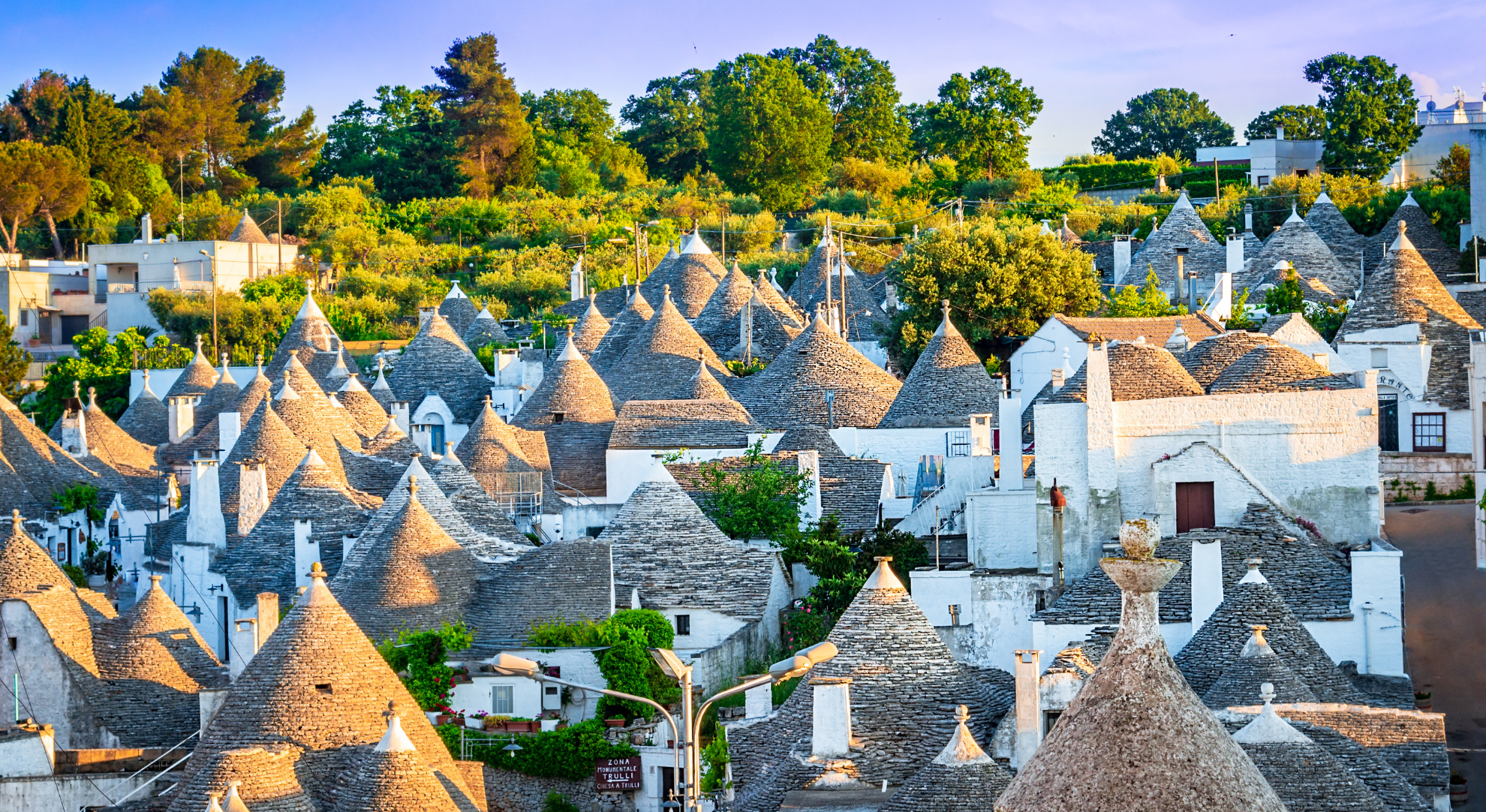
Around Ostuni and the Valle d’Itria, the appeal is in the masserie, olive groves and whitewashed hill towns. Lecce brings Baroque architecture, excellent dining and a more urban base, while Gallipoli and the southern Salento coast are where the beaches and summer gay scene come into their own.
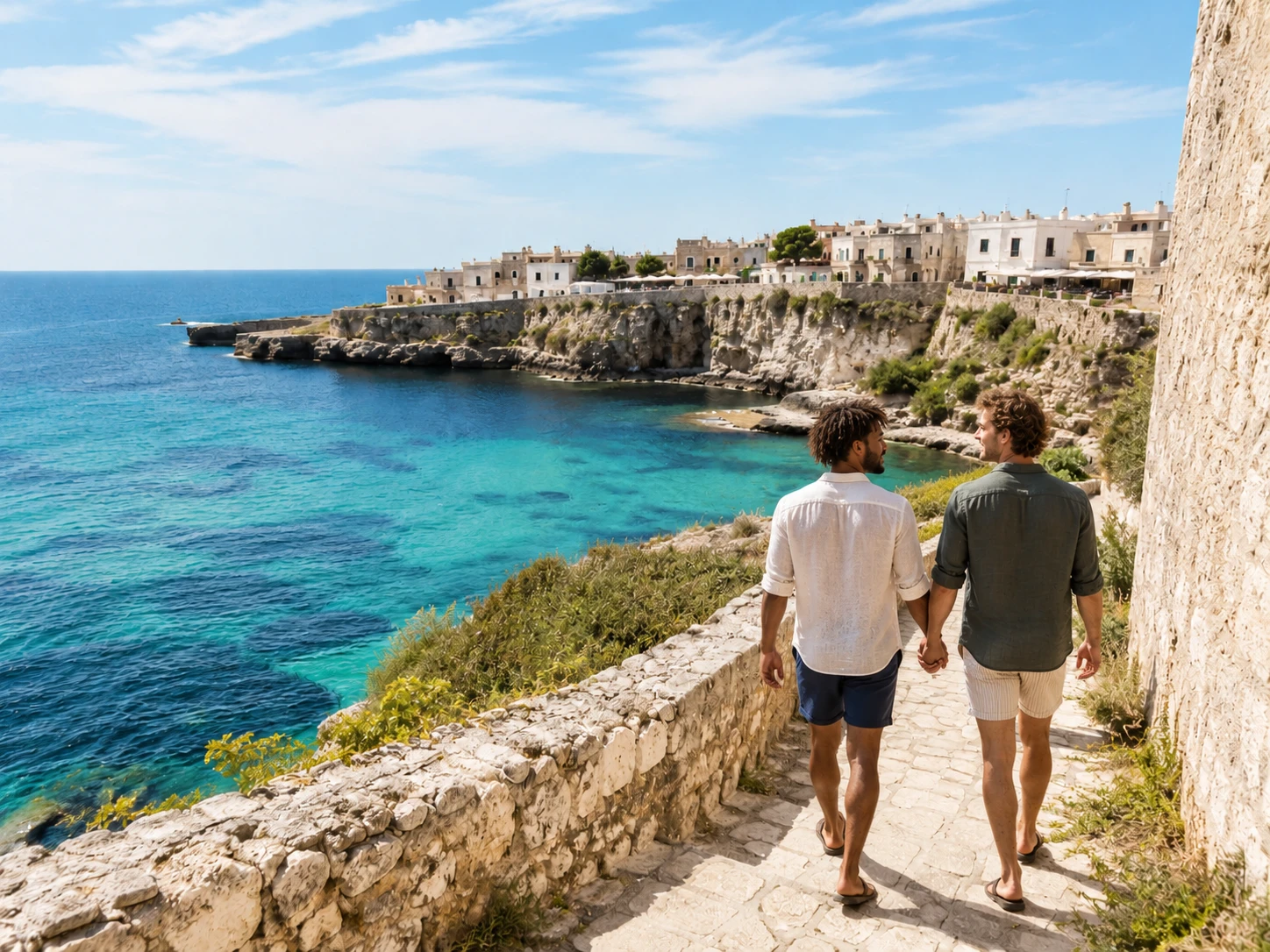
For gay travelers, Gallipoli is the key name to know. Its beaches and summer nightlife draw an LGBTQ+ crowd from across Italy, but the wider region is much more about good hotels, food, coast and countryside than dedicated gay venues.
South of town, Gallipoli has long attracted an LGBTQ+ crowd, with Por Do Sol operating as a dedicated gay-friendly beach club with drinks, music and sunset parties. In town, Caffè Bellini is one of the better-known meeting points for gay travelers before the night moves on elsewhere.
Further along the coast, D’Ayala Beach is one of Puglia’s best-known gay and naturist beaches, while Torre Guaceto attracts a quieter crowd willing to make the longer walk into the reserve. Both are far more about the beach than nightlife.
There are LGBTQ+ venues and seasonal parties in Lecce and Bari too, but Puglia is not a destination with a large year-round gay district. The scene is spread out, highly seasonal and at its best from late spring through summer.
That is exactly why Puglia works so well. You can have a few days of privacy in a masseria, move south for beach clubs and evenings in Lecce, and still dip into a visible gay scene when you want it.
Staying in a Masseria
A masseria is not simply a nice place to stay. It is a fortified farmhouse, built during the Middle Ages when this part of the coast needed real defenses, not decorative ones. North African raiders came ashore looking for people to take, bandits worked the inland roads, and disease traveled faster near the water. The thick limestone walls, the watchtower, the single narrow gate, none of that was built to look good from a distance. It was built to keep people out.
That history is what separates a masseria from a villa, and it is worth knowing before you book one. Villas, the kind built further north in Italy, were leisure houses for families who already had a home somewhere else. A masseria was the opposite, a working farm that had to produce its own food and defend it at the same time. The name comes from the massaro, the steward who actually lived on the estate and ran it while the landowner stayed away in a city. Almost every masseria still has its old olive press somewhere in the building, proof that this was a farm long before it became a hotel.
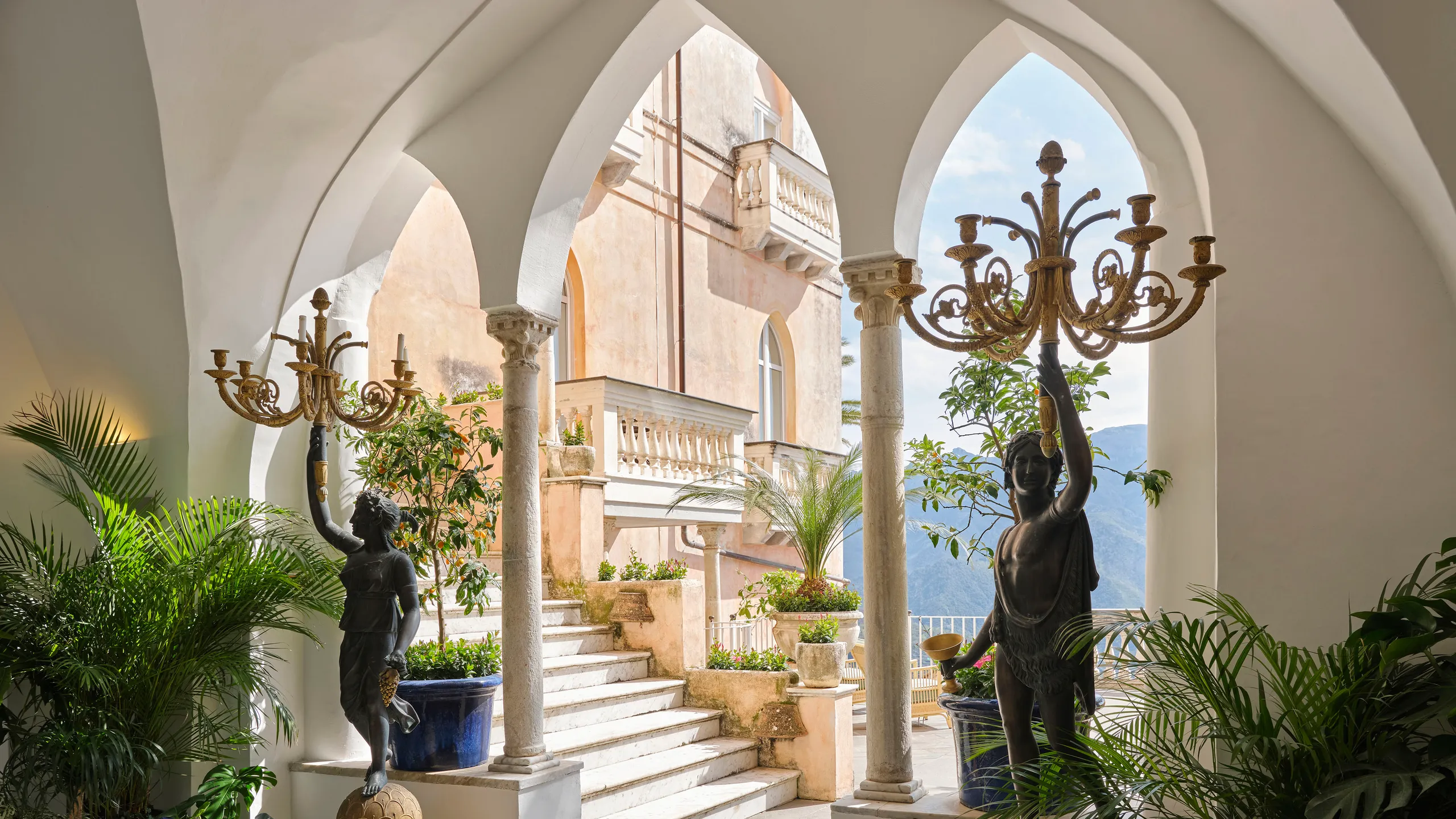
That history also shaped how they look. Centuries of Byzantine, Norman, Gothic and Renaissance influence sit in the same courtyard, a vaulted ceiling above a room that once stored grain, a watchtower converted into a suite. A good masseria hotel does not look staged. It looks like what it is, a building that has been defended, farmed and lived in for five hundred years before anyone added a pool.
There is also a more recent reason the masseria has entered gay culture directly. The first season of I Kissed a Boy, the BBC’s gay dating show, was filmed at a masseria just outside Ostuni, putting this very particular style of Puglian estate in front of a mainstream gay audience for the first time.
Season 2 moved production to Mastropà Exclusive Resort in Taranto, which the show still calls a masseria even though it is not really one. The distinction matters less than what it shows, a working farmhouse built to survive raids five hundred years ago is now the backdrop of choice for gay reality television.
The Best Things to Do
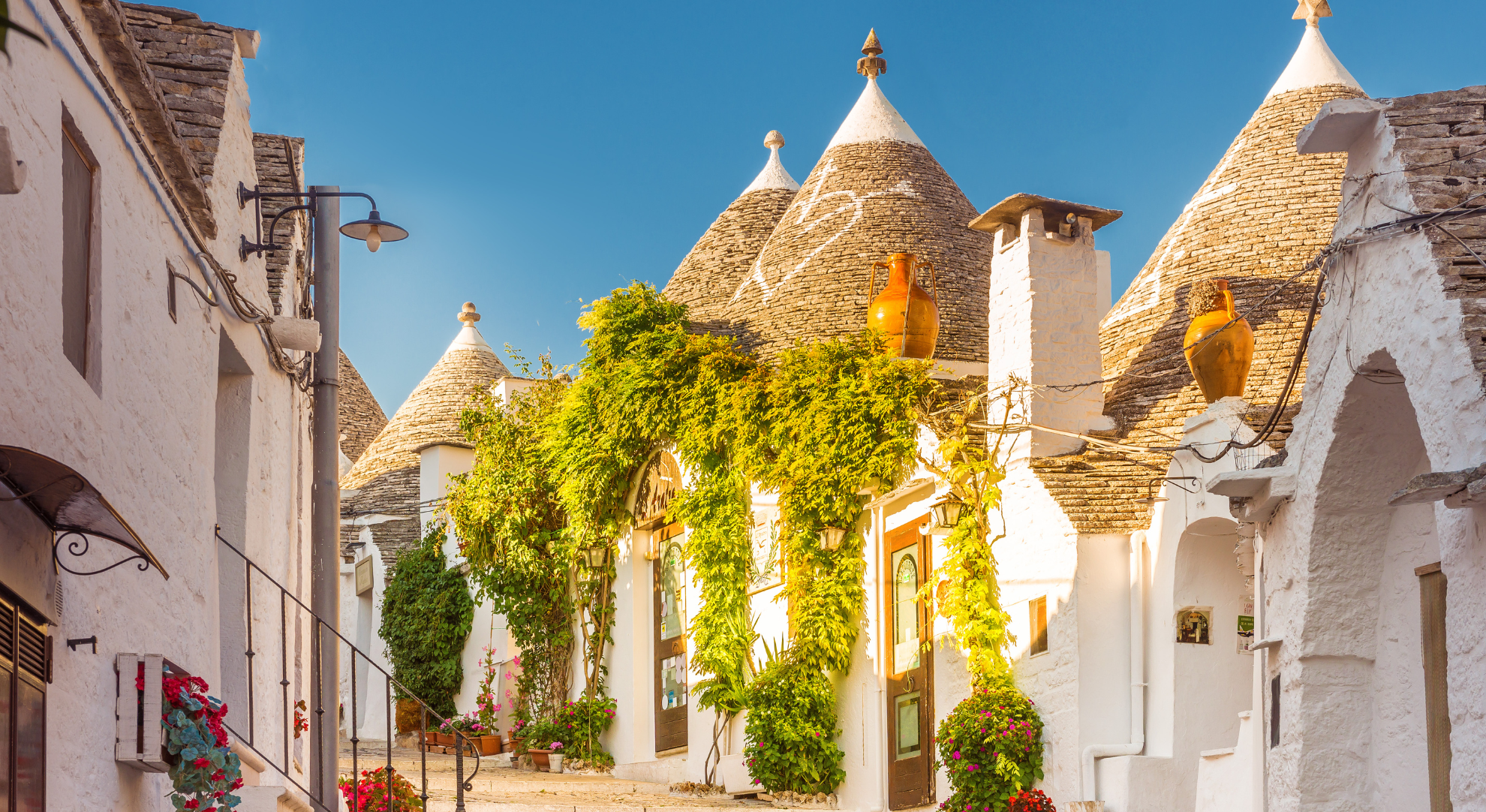
Ostuni is worth an early start, before the heat sets in and the whitewashed lanes around the Cattedrale fill with day-trippers. Walk down from Piazza della Libertà into the old town, then head back to your masseria for lunch and the pool while the town gets busy without you.
The Valle d’Itria rewards slower days. Locorotondo is built as a near-perfect circle, one of the few towns in Italy where the medieval street plan has survived intact, and Cisternino still runs its fornello pronto tradition, where the local butchers grill whatever meat you pick out at the counter rather than serving off a menu. Neither takes long to see properly, which makes it easy to do both in one afternoon with lunch in between.
The coast asks for a different kind of day. Around Otranto, Grotta della Poesia is a natural pool cut into the limestone cliffs and connected to the open sea through an underground channel, a swimming spot locals have used for centuries longer than any hotel pool has existed. Further south, Santa Maria di Leuca sits at the point where the Adriatic and Ionian seas are traditionally said to meet, which gives an otherwise ordinary boat day an actual destination.
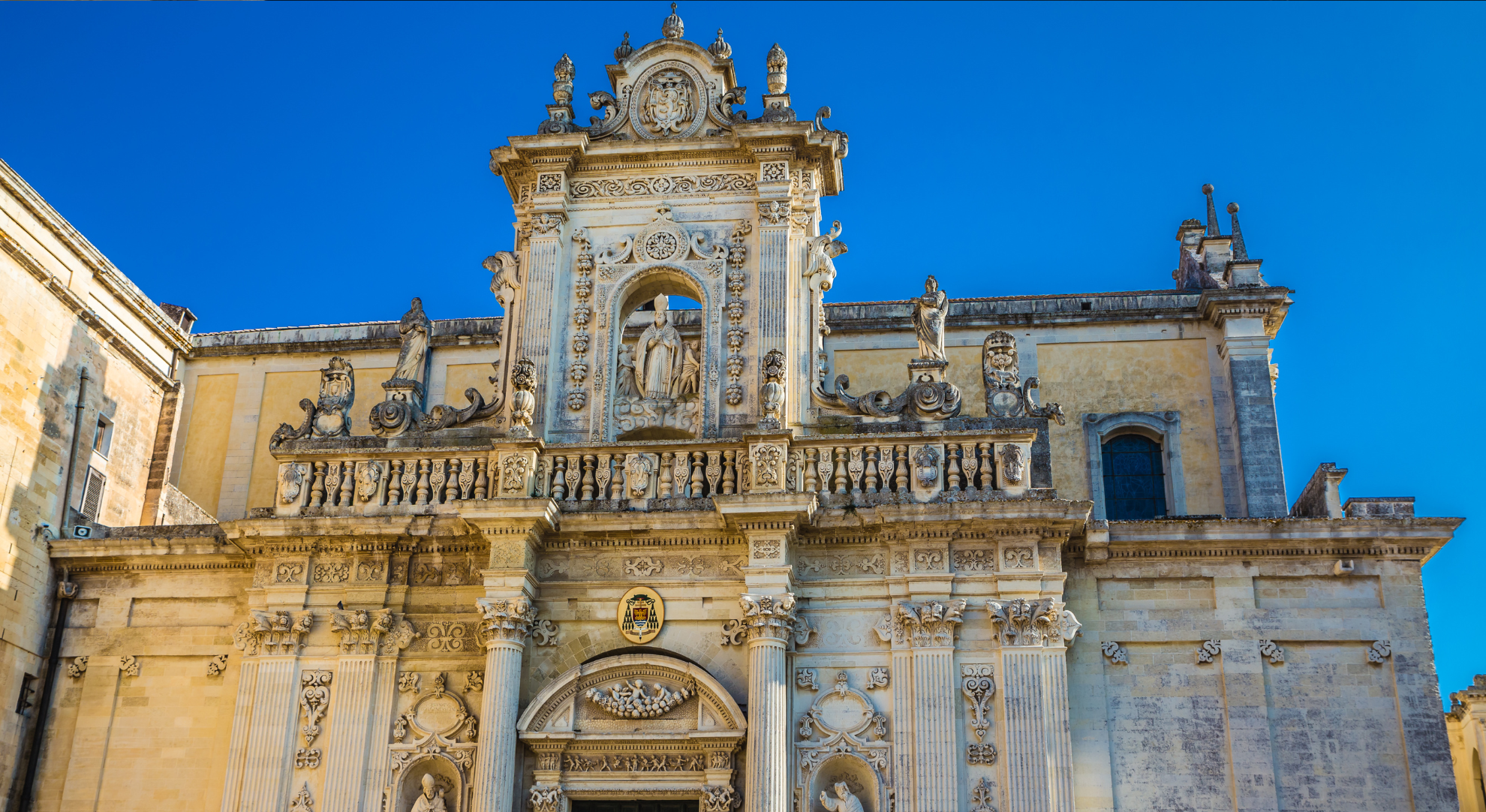
Lecce deserves a full day rather than an afternoon. The Basilica di Santa Croce alone is worth an hour on its own, and Piazza Sant’Oronzo sits directly above a Roman amphitheater that is still being excavated. Stay into the evening, when the same stone the city is known for looks completely different under streetlight than it does at midday.
And some days should have nothing on them at all. Puglia works because there is always somewhere to go, which makes it easier to decide, occasionally, to go nowhere.
How to Actually Plan the Trip
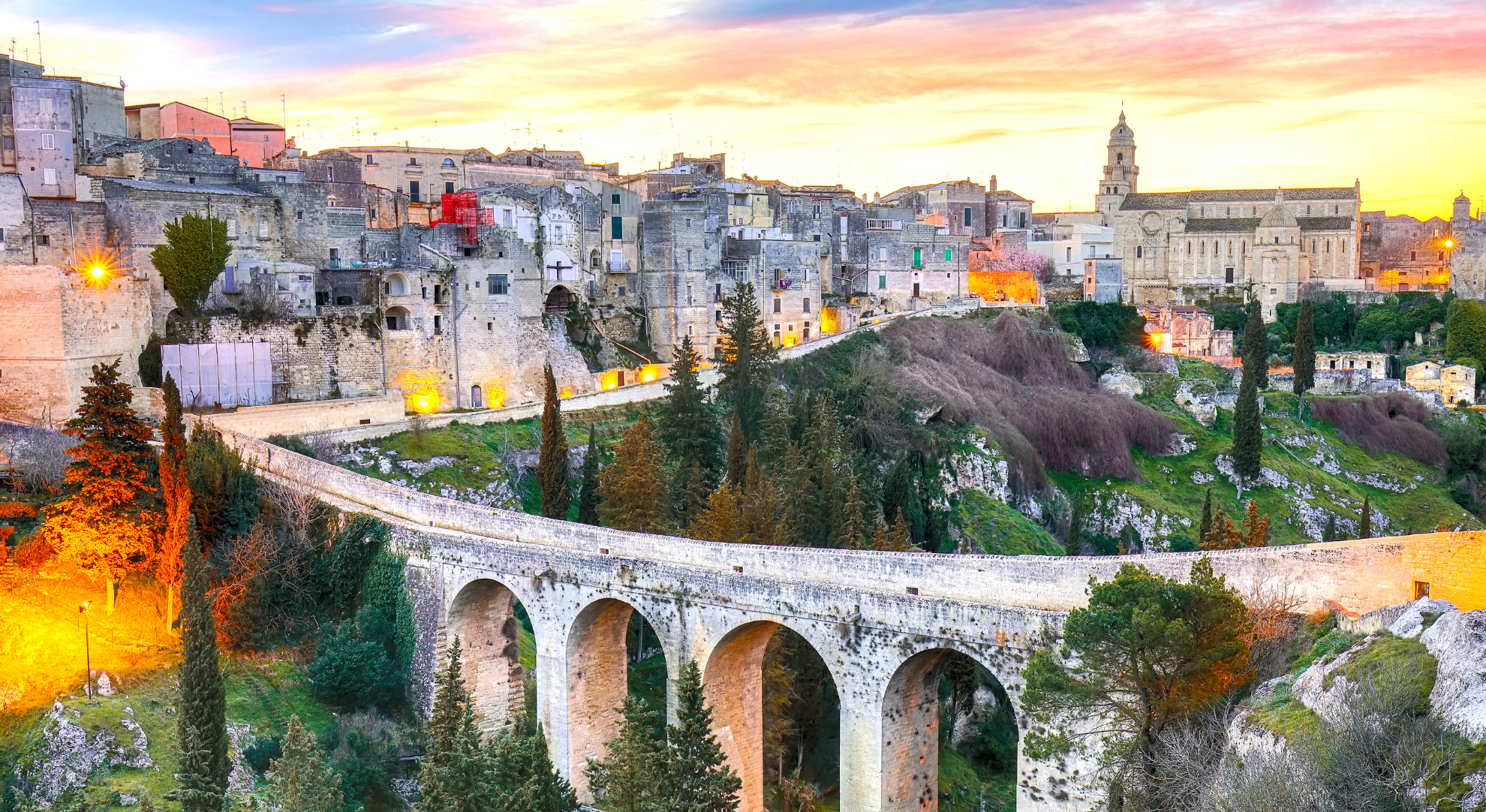
Most Puglia guides list the same five or six towns and leave you to work out how they fit together. They do not fit together in a single loop, so the order matters more than the list.
For a week, we would generally suggest four nights inland and three on the coast. Start in the Valle d’Itria or around Ostuni, where the pace is naturally slower and a masseria gives you somewhere to relax in style. Use those days for Alberobello, Locorotondo, Cisternino and lunches that run long into the afternoon. Then move south for the final three nights, either to Gallipoli if the gay scene matters to your trip, or to Lecce and the Salento coast if you want culture and beaches without the same emphasis on nightlife.
For ten days or two weeks, the same structure holds, just with more room in it. Add a night or two in Savelletri or Monopoli between the two halves of the trip so the drive south does not feel rushed, and consider finishing in Santa Maria di Leuca rather than doubling back the way you came.
The one mistake to avoid is trying to run the whole trip from a single base. Puglia is too spread out for that, and the towns worth visiting are different enough from each other that moving once, or twice, is part of the experience rather than a compromise.
Why Puglia
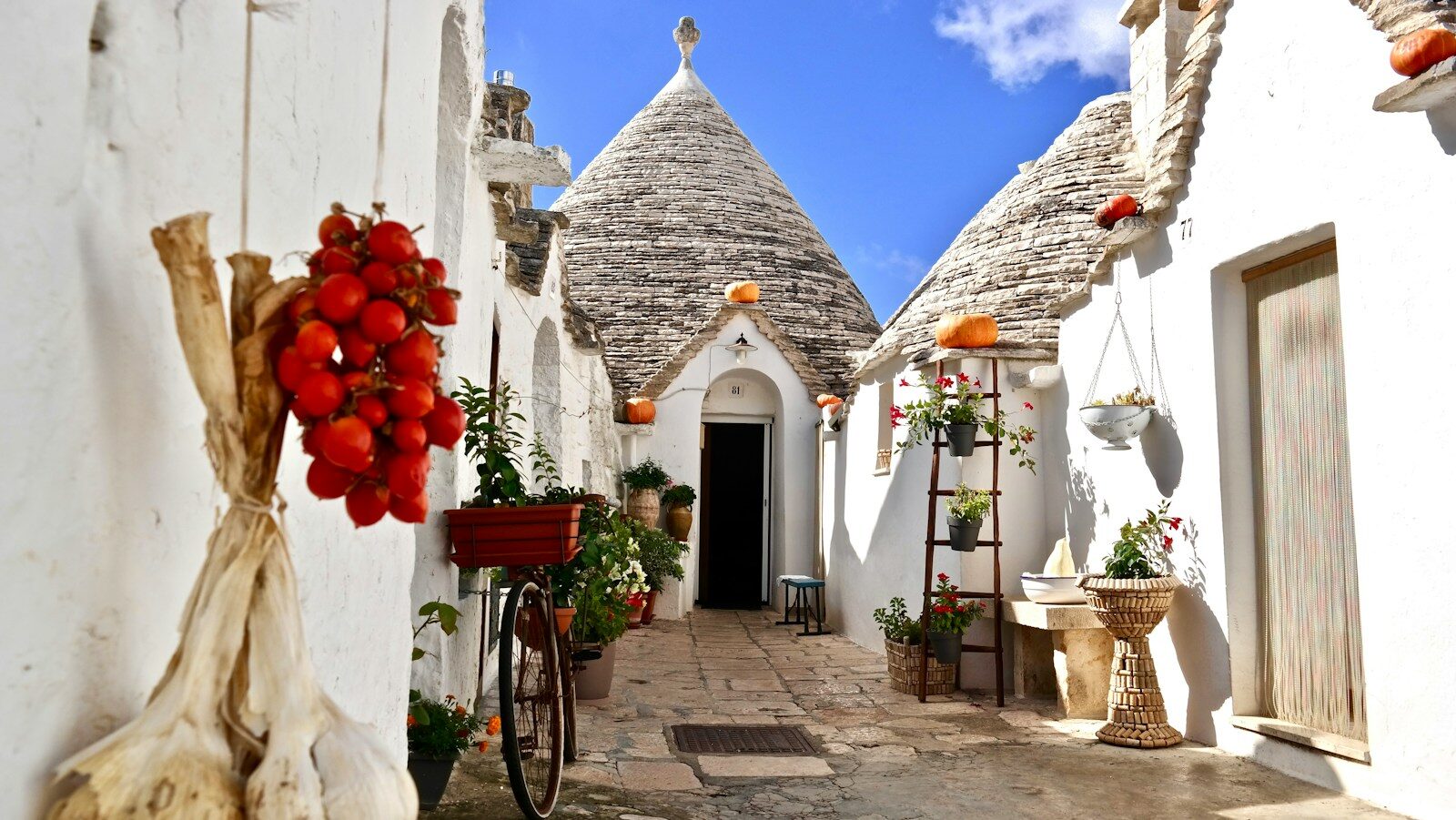
Puglia works because it does not force you to pick one kind of trip. Romance, rest and real culture all sit within reach of each other here, and you get to move between them depending on the day rather than committing to one mode for the whole visit.
A morning wandering Lecce’s Baroque center, an afternoon doing nothing by a masseria pool, an evening in Gallipoli if the mood takes you, none of that requires planning the whole trip around a single identity or pace. The gay scene is there when you want it and easy to skip entirely when you do not, which is not something you can say about most of Italy’s well-known destinations.
That is also what separates Puglia from a trip built around Rome or Milan. Those cities are worth visiting, but they ask something of you every single day, another sight, another neighborhood, another reservation. Puglia does not work that way. You can drive an hour and land somewhere completely different, or stay at the same masseria for three days straight and not feel like you missed anything.
If you want help deciding where to stay, how many nights to give each part of it, and when your dates would actually put you in Gallipoli for the summer scene, get in touch and we will put together the route for you, built around what you actually want out of the trip rather than a fixed template.