



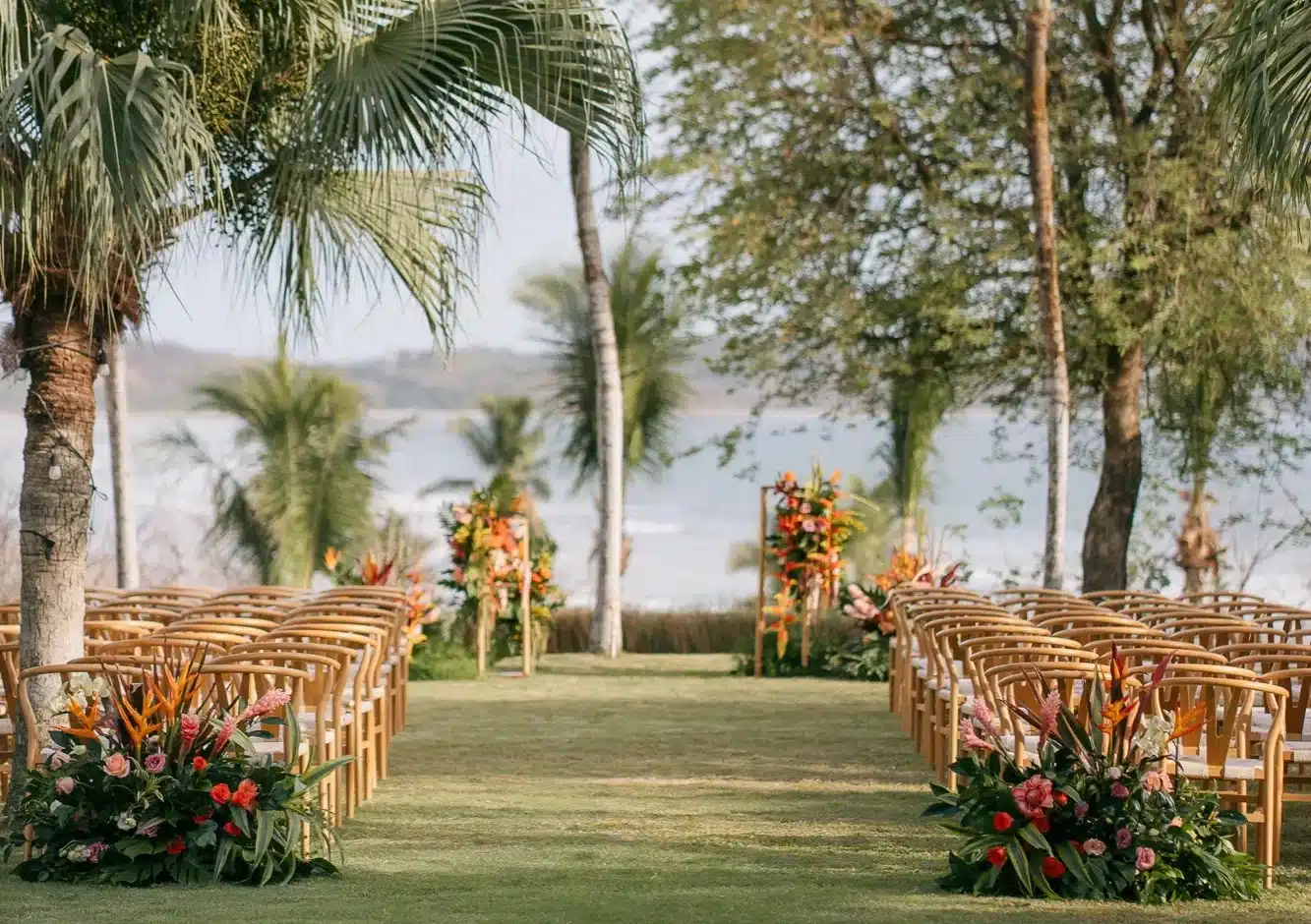
Moment · Costa Rica
Costa Rica: Marrying on the Pacific Coast
Marry legally on a Costa Rican beach with a notary, two witnesses and the Pacific behind you, then celebrate under the rainforest canopy.
A First for Central America
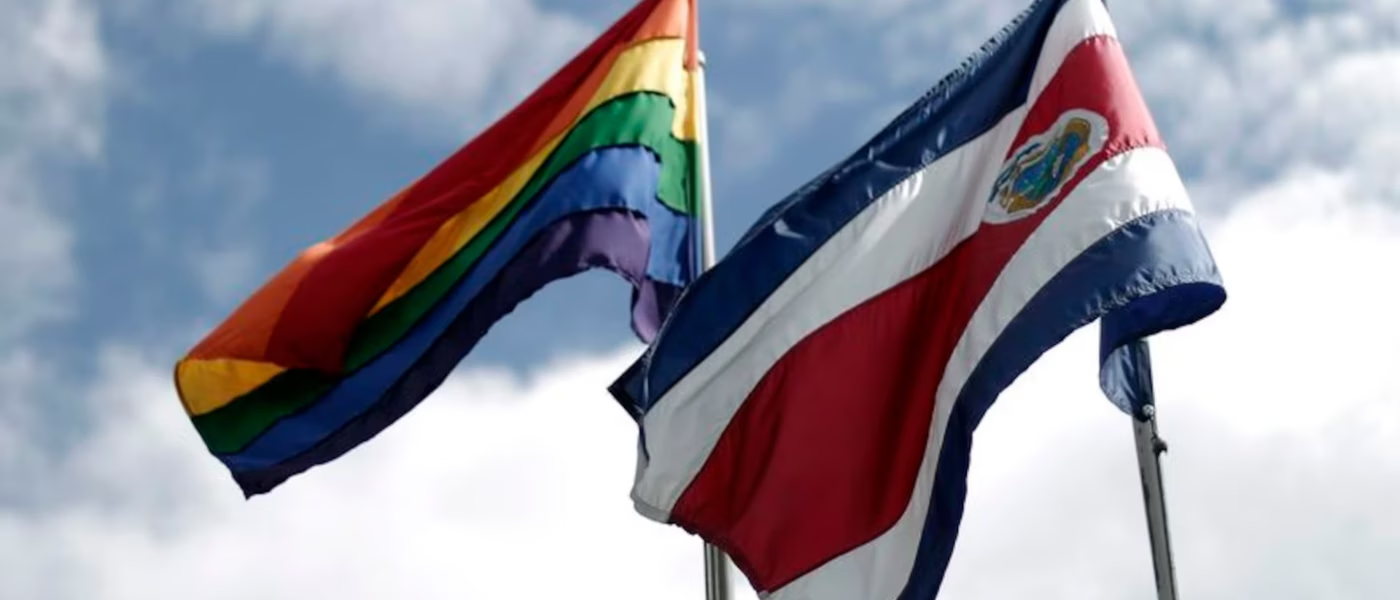
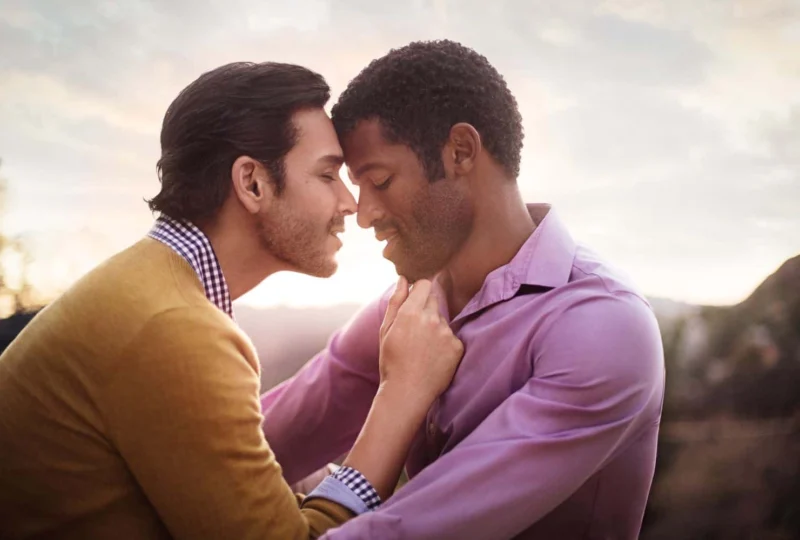
On May 26, 2020, same-sex marriage became legal in Costa Rica when a ruling by the country’s Supreme Court took effect. Costa Rica was the first country in Central America to recognize it.
The first couple, Alexandra Quirós and Dunia Araya, married just after midnight in a ceremony streamed live online. Since then, couples from around the world have come to marry here.
With beaches, rainforest and volcanoes within a few hours of each other, the hardest part is choosing where to say your vows.
How a Costa Rican Wedding Works
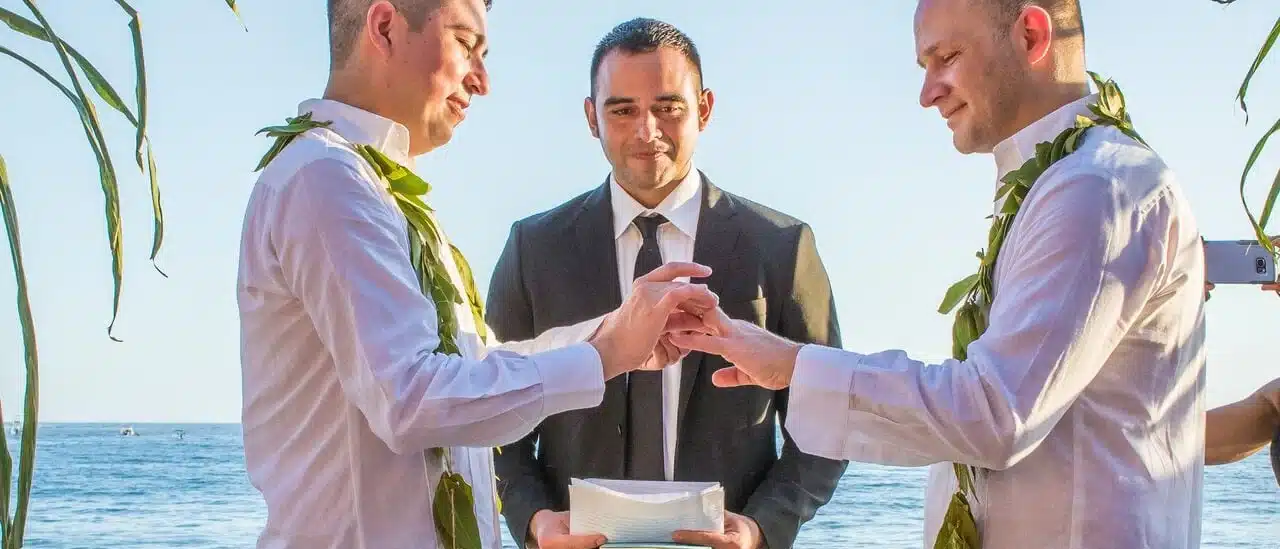
In Costa Rica, a civil marriage is performed by a notario público, a notary who is also a licensed attorney. The ceremony can take place wherever you like, from a beach at sunset to a terrace above the forest.
Your notary registers the marriage with the Civil Registry after the ceremony. There is no residency requirement, so a wedding fits easily into a vacation. Before you fly home, your marriage certificate can be apostilled in Costa Rica so it is ready for use in the United States.
The Paperwork
You will each need a valid passport and, depending on your circumstances, documents such as an apostilled birth certificate and proof that you are free to marry, translated into Spanish. Two witnesses sign alongside you, and they cannot be blood relatives of either partner.
Starting early makes everything easier. Once the documents are ready, the legal part of the day is short and simple.
The best trips begin with a conversation, not a booking form.
Request a quote →Choosing Your Setting
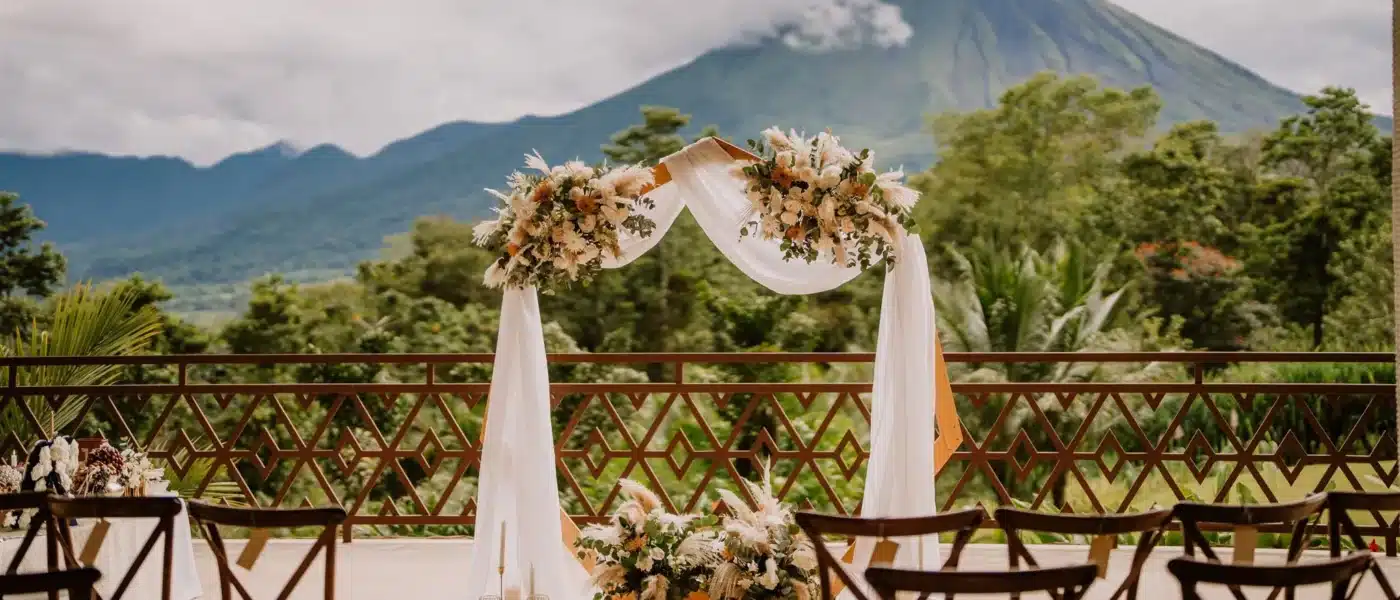
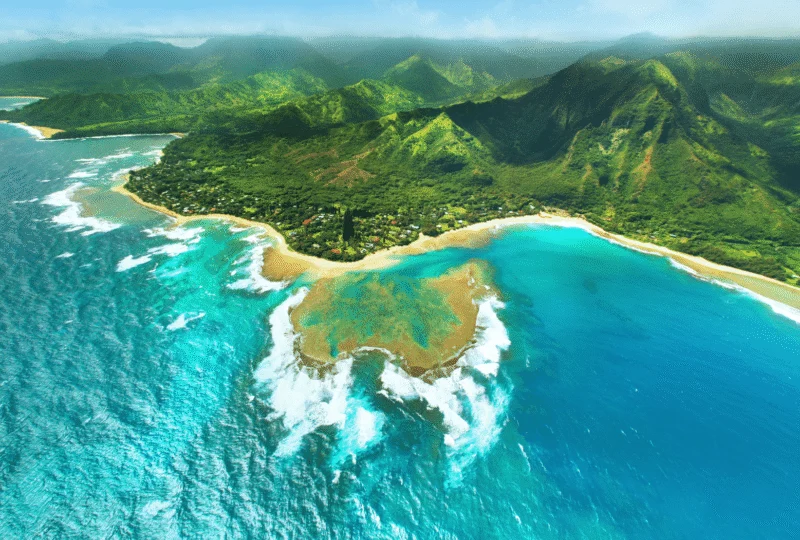
On the Pacific coast, Manuel Antonio offers rainforest running down to the sea, with monkeys in the trees and sunsets over the water. Farther north, the beaches of Guanacaste are drier and sunnier, with resorts on quiet bays.
For something different, a lodge in the cloud forest of Monteverde or near Arenal Volcano gives you mist, mountains and hot springs. Some couples marry in one place and spend their honeymoon in another, moving from the forest to the coast by private transfer or a short domestic flight.
Celebrating Your Way
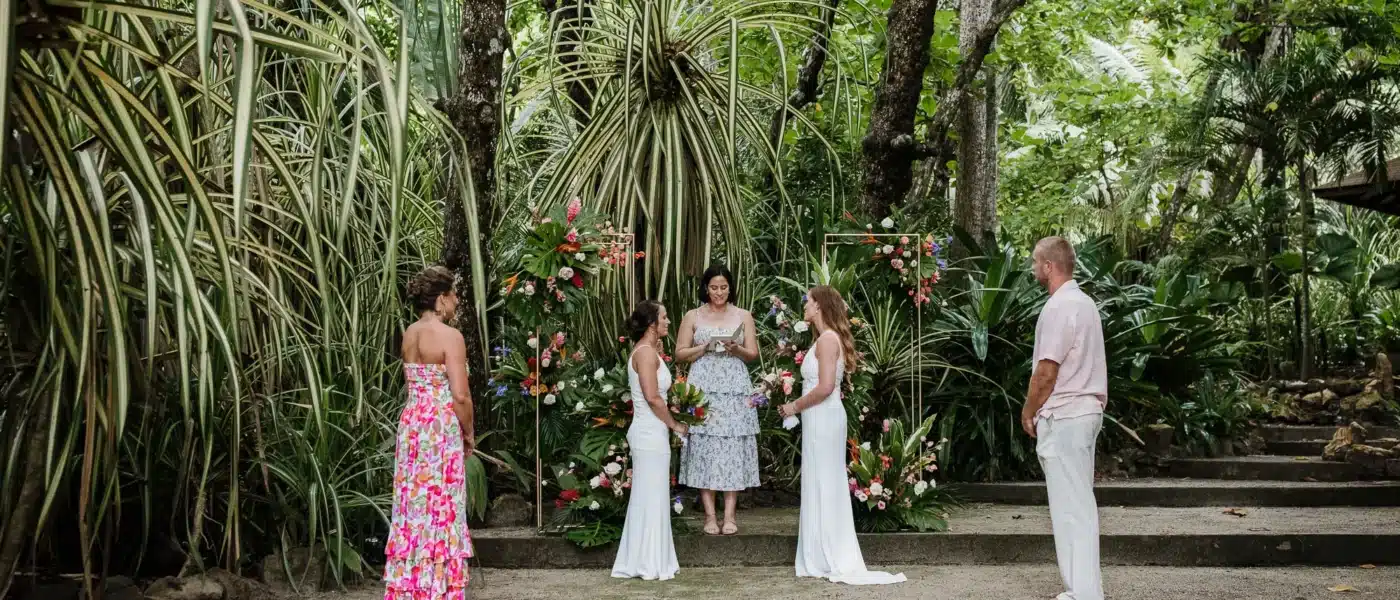
Many couples keep the ceremony intimate, with a handful of friends and a long dinner afterward. Others plan a full weekend, with a welcome party, a beach day and a farewell brunch.
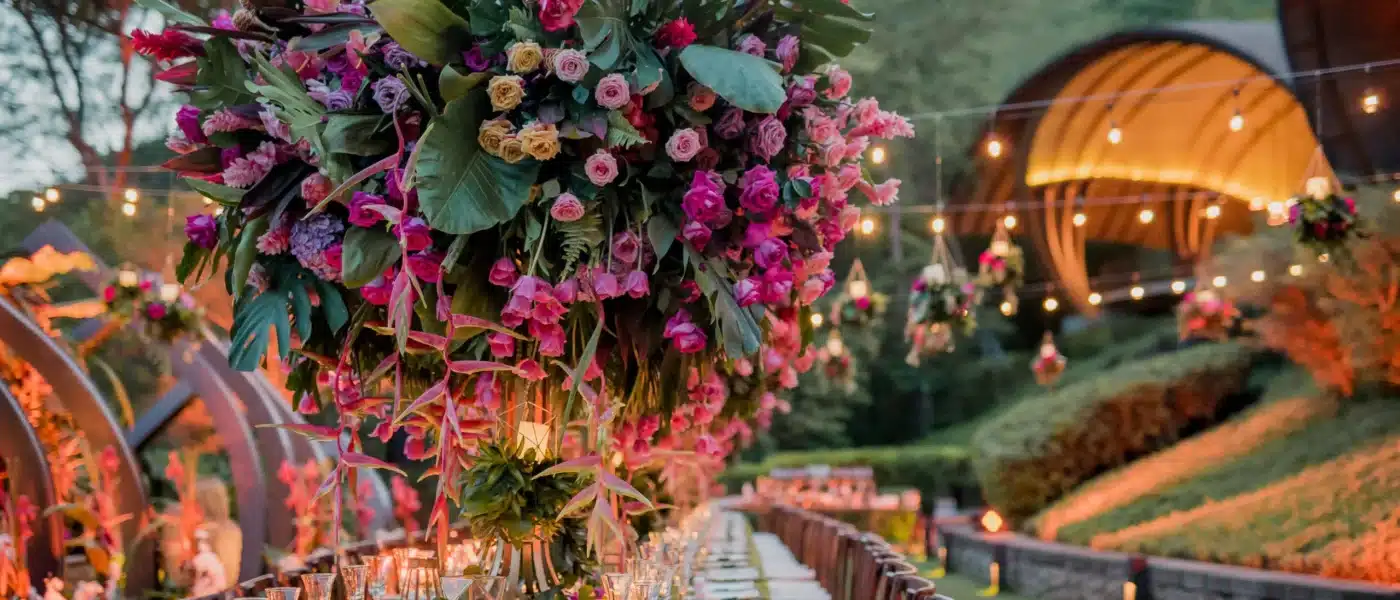
Local touches can include marimba music, a menu built around Costa Rican ingredients or a reception lit by lanterns in the garden. Your planner can also arrange a photographer who knows the light on the coast at the end of the day.
Planning Your Costa Rica Wedding Experience
The dry season, from December to April, is the most popular time for weddings, while the green season offers lush landscapes and fewer visitors. Allow several months to prepare your documents. Flights from many US cities reach San José or Liberia directly.
Out Of Office can coordinate your notary and paperwork, find the right venue and plan every detail of the celebration through our weddings abroad. Your LGBTQ+ travel specialist can also design a honeymoon to follow, anywhere in Costa Rica or beyond.



No two trips we plan are the same. Yours will be no exception.
Every itinerary starts as a blank page and is shaped around your pace, your routing and the places you actually want to see.
More Moments in Costa Rica
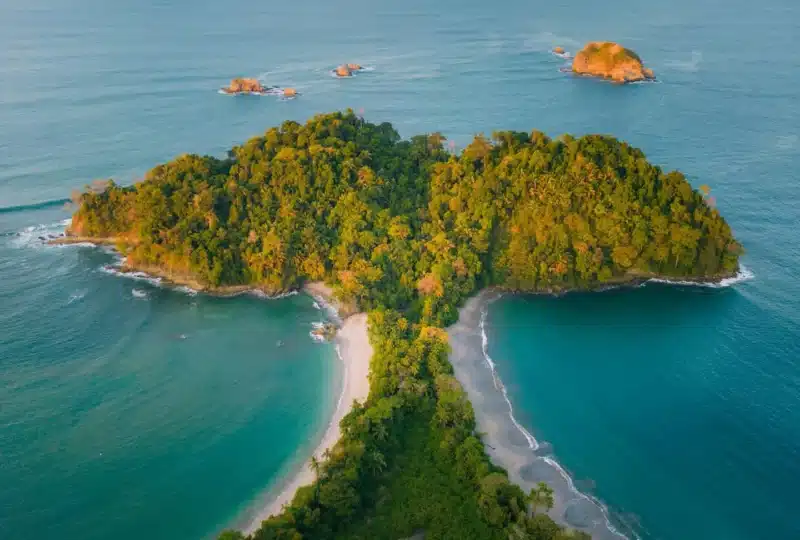
Manuel Antonio: Costa Rica’s Gay Coast
Where the Rainforest Meets the Pacific Manuel Antonio sits on Costa Rica's central Pacific coast, just south of the town of Quepos. Rainforest runs right down to white-sand beaches, and monkeys and sloths live in the trees above the hotels. It has also long been one of the most popular places in Central America for gay travelers, with a relaxed, welcoming atmosphere along the road between Quepos and the park.
Discover more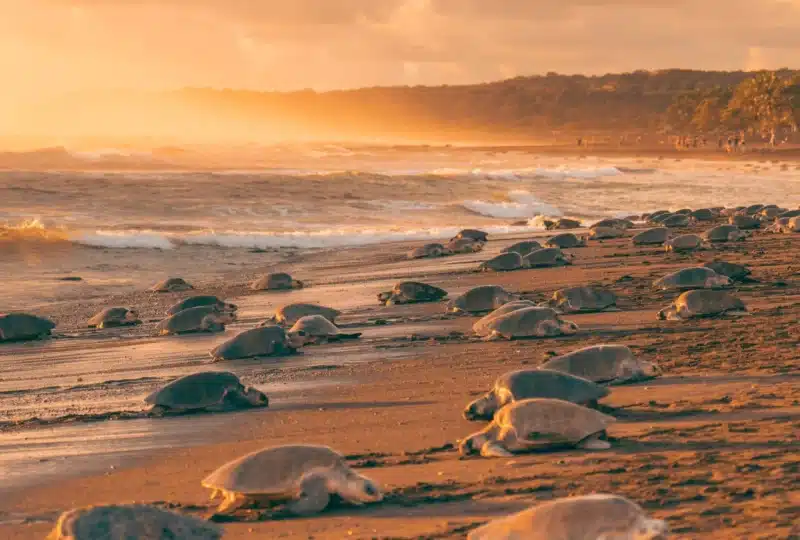
The Arribada: Mass Turtle Nesting at Ostional With a Biologist
When the Beach Begins to Move Playa Ostional, on Costa Rica's Nicoya Peninsula, is a long curve of black volcanic sand that looks ordinary for most of the year. Then, on certain nights, the waterline starts to stir.
Discover more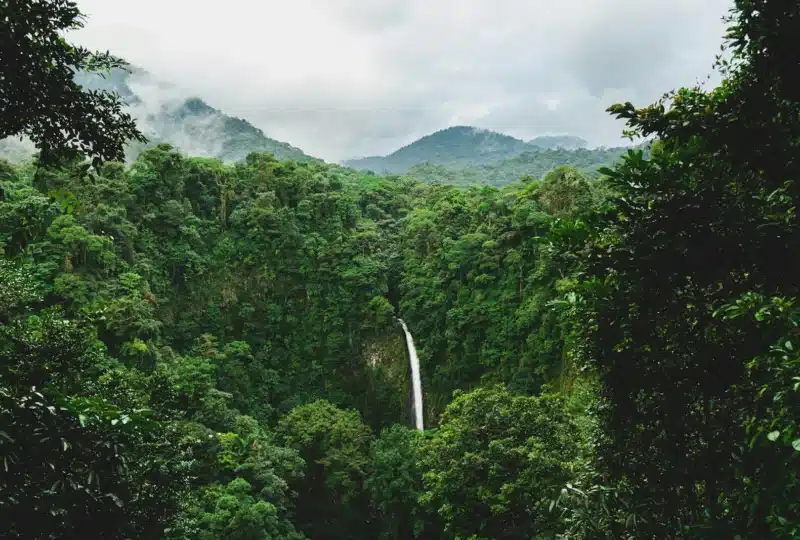
Ziplining the Costa Rican Canopy, Privately
Born From Science Ziplining started as research, not recreation. In 1974 biologist Donald Perry came to a rainforest research station in Costa Rica to study the upper canopy, then thought almost unreachable and called "the last biological frontier." He fired lines over the tallest trees with a crossbow and rigged ropes and steel pulleys so scientists could glide quietly above the forest floor.
Discover more
We plant trees for every booking
For every booking made with Out Of Office we commit to planting trees in your name to help reduce the impact of travel on future generations. You'll even get a link to see where your trees are planted in the world via our partner Ecologi.

We donate to Rainbow Railroad with every booking
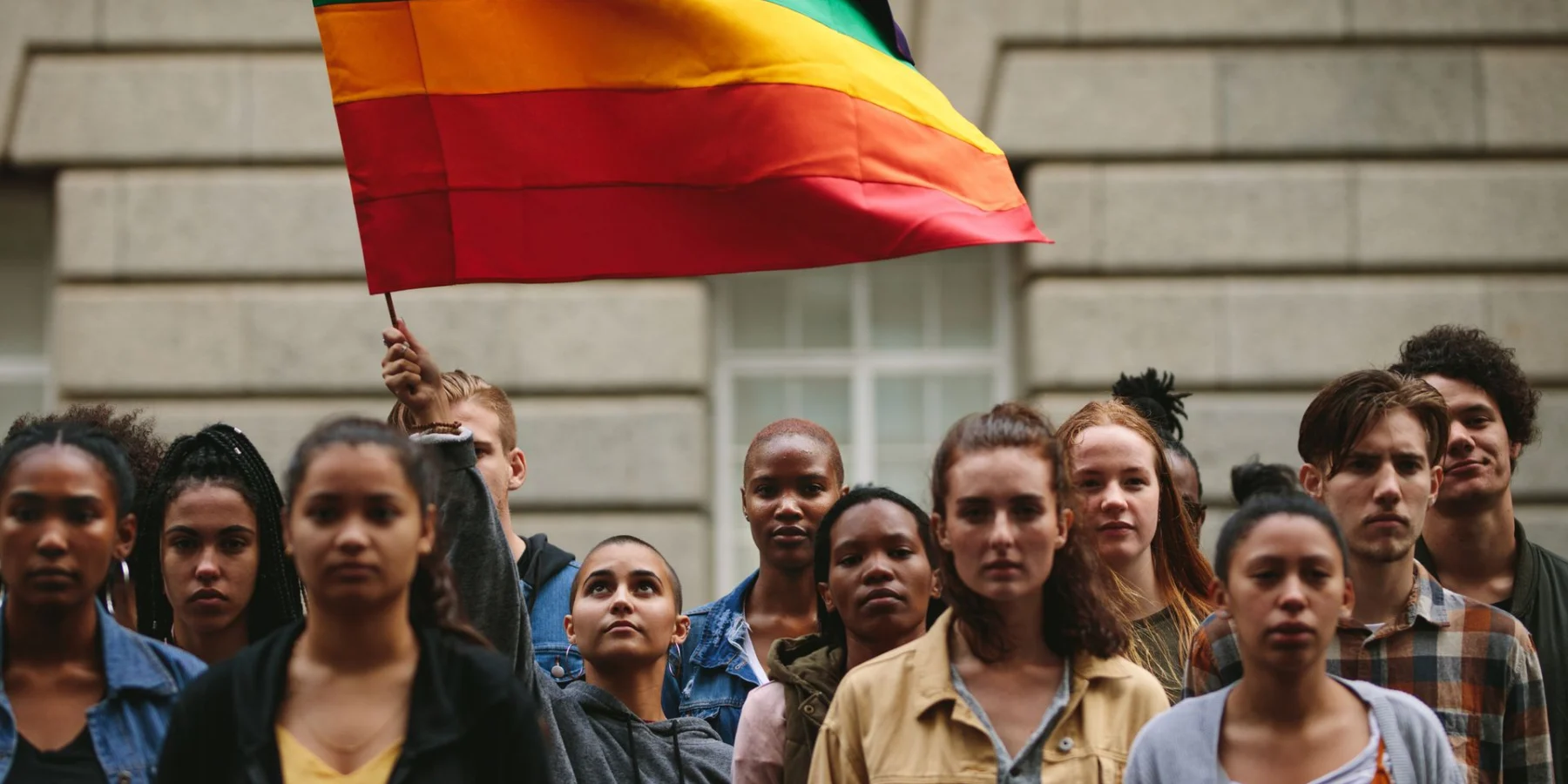
Rainbow Railroad helps LGBTQ+ people escape state-sponsored violence and persecution. A donation goes with every trip we sell, funded by us and never added to your price.

Start Planning Your Trip
Tell us where you would love to go, when you are thinking of traveling and what kind of trip you have in mind. One of our LGBTQ+ travel specialists will create a tailor-made itinerary designed around your destination, style and preferences.
One named specialist, first inquiry to homecoming. No call center, and nothing is charged until you decide to book.