







Moment · Japan
A Private Bonsai Workshop with a Master in Omiya Bonsai Village
Learn to read and shape a tree beside a master grower in the village Tokyo's bonsai nurseries built after the Great Kanto Earthquake.
From Chinese Penjing to Zen Discipline
Bonsai began in Tang dynasty China as penjing, miniature landscapes arranged in trays. Buddhist monks brought it to Japan in the Heian period, where it became an art of the single tree rather than the composed scene, closely linked to Zen: simplicity, restraint and balance as expressions of a worldview, not mere style. Growing bonsai taught patience and acceptance, each tree the joint work of the grower’s hand and the plant’s own nature.
The wider world discovered bonsai much later, when it was shown in Europe around the turn of the twentieth century, and it is still often mistaken for decoration rather than philosophy. Omiya Bonsai Village holds a special place in that story. It dates from 1925, when growers forced out of Tokyo by the Great Kanto Earthquake resettled here, and designed specifically for the art, its residents bound by rules that safeguarded sunlight, water and the conditions trees need, a whole community shaped around cultivation.
Why Learn Privately
Bonsai can’t be rushed or learned just by watching. Privately there’s time to explain, to correct and to think, with every question answered and teaching that adapts to you rather than a timetable. Group classes tend to chase the result; privately, the focus stays on process, which matters most for beginners, because technique and understanding can’t be separated. Privacy also opens the working gardens rather than just the display areas, and seeing trees at different stages shows you the discipline involved. It’s a calm, absorbing morning for a couple or a solo traveler.
Choosing, Reading and Cutting
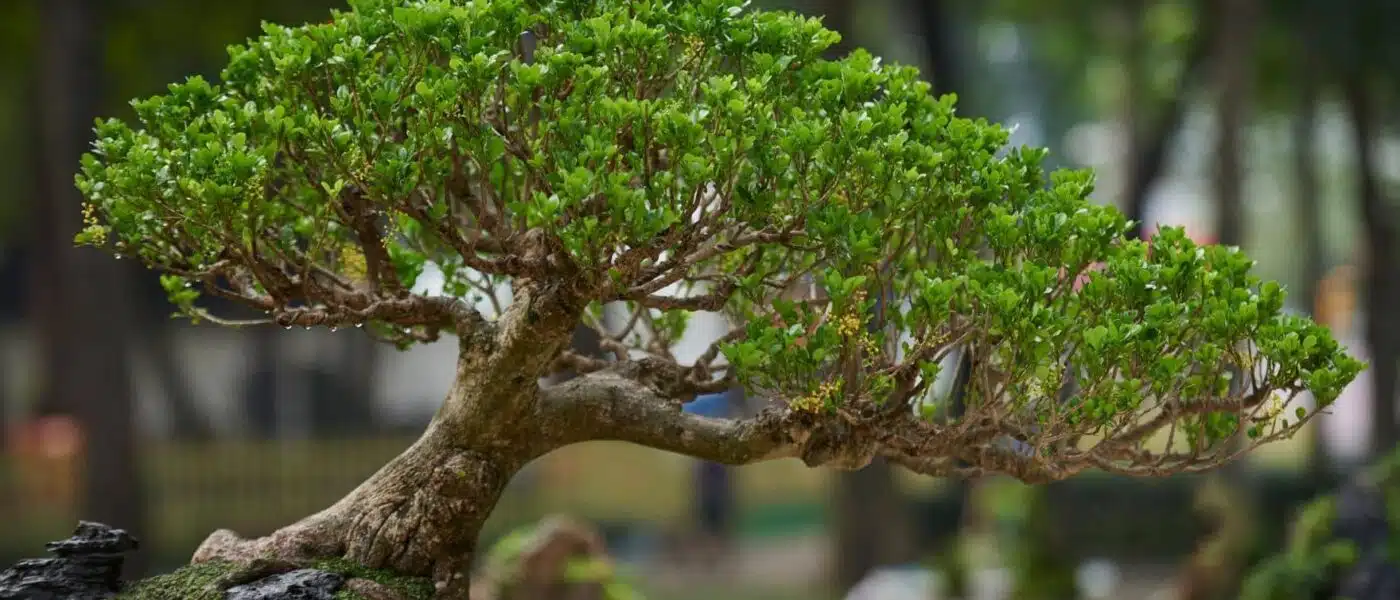
The workshop starts with selection, picking a tree for its bones, its years and what it could become, not its looks today, and a pot matched carefully for scale and balance. Next, with your teacher beside you, you learn to see the tree properly: where the branches sit, how much root shows, which way it’s growing, all talked through in hands-on terms. Cutting is sparing, and each is explained before it’s made. The tools tell their own story, scissors and wire built for control, not speed.
The garden stays quiet, attention on hands and form, and with raked gravel, low hedging and clear sightlines it lets nothing distract from the work.
No two trips we plan are the same. Yours will be no exception.
Request a quote →Depth, Not Demonstration
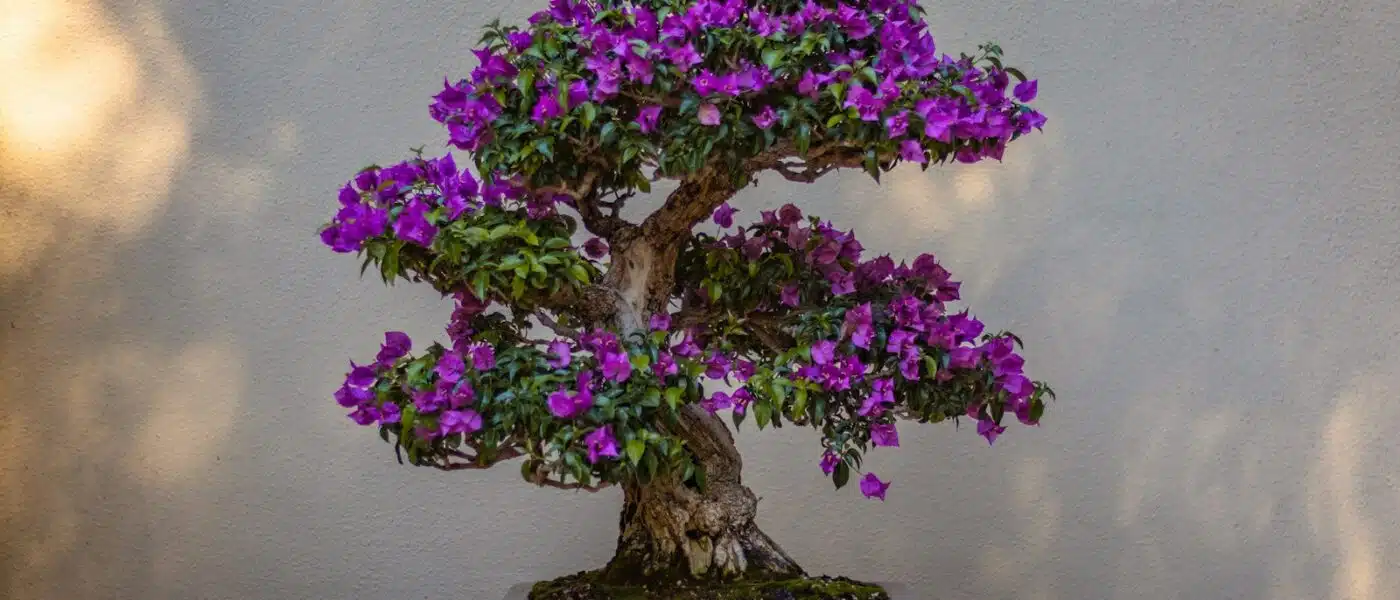
Demonstrations for the public tend to shrink bonsai down to its end result. Private teaching gives back its depth: why certain styles arose, how a tree reacts across the years, and what the person caring for it owes it. You have room to make mistakes and put them right without pressure, and the session becomes a collaboration built on conversation and close observation, showing bonsai to be a practice that lives and grows, not a finished object.
The Village and the Museum
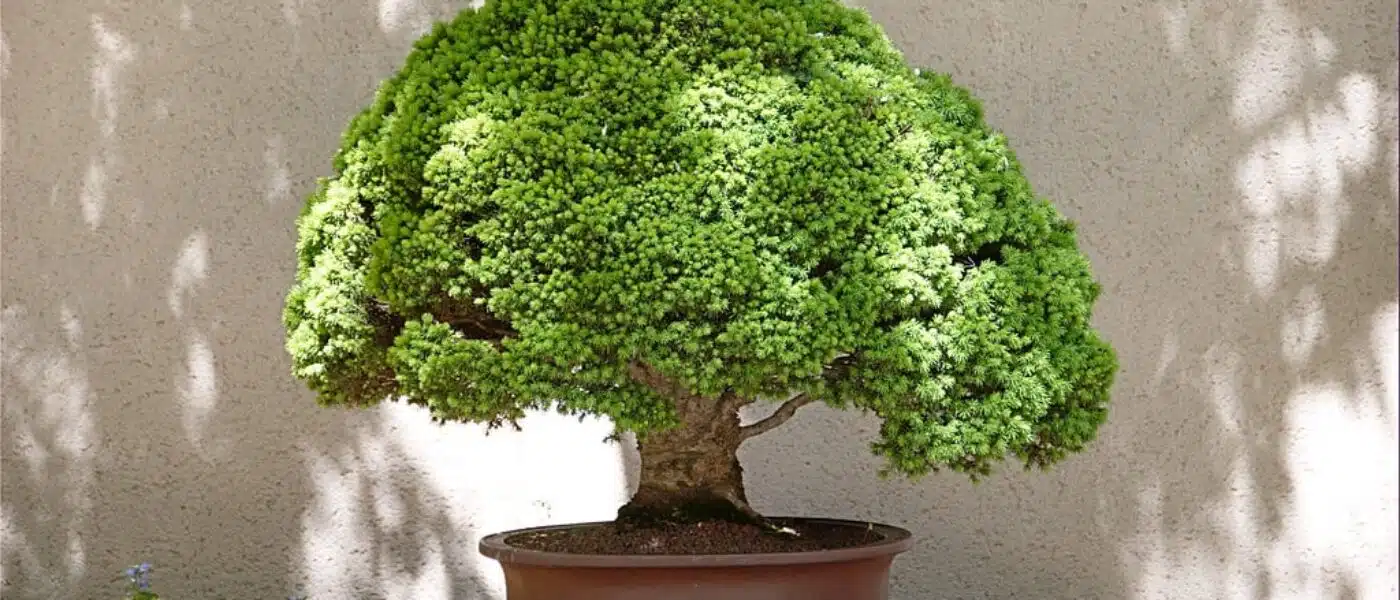
Omiya is still a working center of bonsai, home to trees among the oldest and most precious anywhere, many looked after by families who have handed their knowledge down the generations. In the village, the Omiya Bonsai Art Museum keeps that legacy alive with rotating displays and archives, and visiting alongside your workshop connects practice with history.
Sessions are normally set up via cultural specialists, Deeper Japan among them, who interpret and open doors to the master growers. Sessions last about 100 minutes, in English with professional interpretation, and you generally leave with tools and a pot; customs rules may stop the tree itself from traveling, a reminder that the experience, not the object, is what lasts. Your Out Of Office LGBTQ+ travel specialist can build it into a Tokyo stay, and our Japan guide covers LGBTQ+ rights and travel advice.
Your personal travel specialist, from the first conversation to the flight home.
From your first conversation, you’ll have one dedicated expert looking after your trip from start to finish, getting to know you and taking care of every detail along the way. Your journey starts with a complimentary, no-obligation consultation.
More Moments in Japan
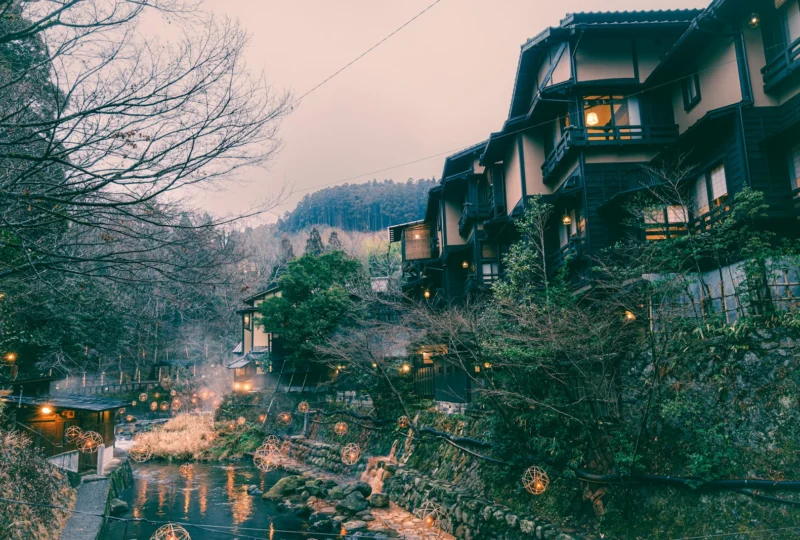
Kinosaki Onsen After Hours, with a Private Bath for Two
A Town Built for Bathing Kinosaki Onsen is a small canal town on the north coast of Hyogo Prefecture, shaped almost entirely by water. For over 1,300 years people have come not for temples or views but to bathe. Its seven public bathhouses line a willow-edged canal, all fed from the same geothermal source and each with its own history and character.
Discover more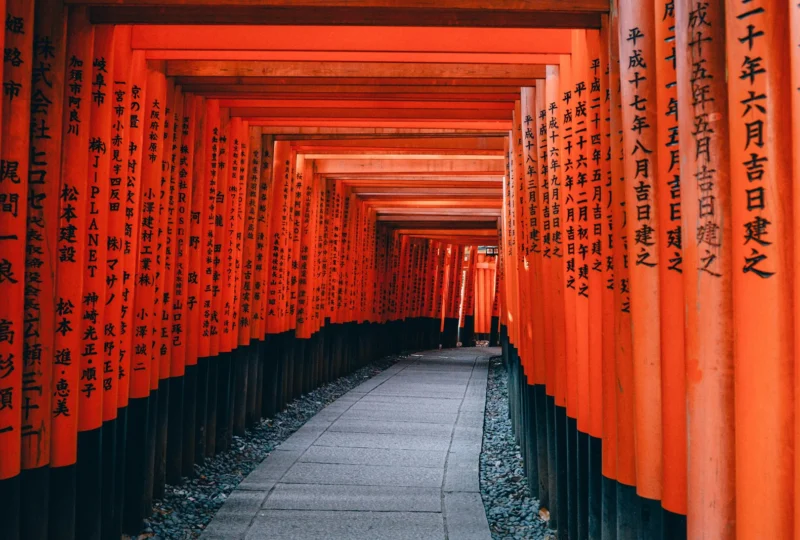
Arashiyama’s Bamboo Grove at First Light, with a Private Photographer
A Courtly Retreat and a Famous Sound Arashiyama became a favorite escape in the Heian period, when members of the imperial court came to flee the summer heat and enjoy nature. The bamboo that defines the grove was first grown for practical things like baskets and fencing, but it gained cultural meaning as nearby temples, including Tenryu-ji, brought it into their practice.
Discover more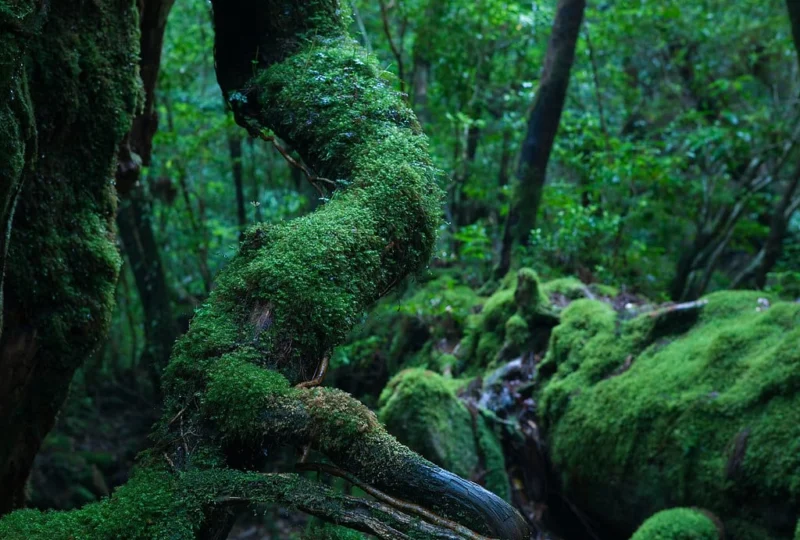
Shinrin-Yoku: Guided Forest Bathing on Yakushima Island
An Island of Rain and Cedar Off the southern coast of Kyushu, Yakushima climbs steeply out of the sea and receives heavy rain all year, feeding rivers that cut through primary forest. About 30 percent of its 503 square miles is protected as Yakushima National Park, with large areas kept free of development and vehicles; roads only ring the coast, and the interior can be reached only on foot.
Discover more
We plant trees for every booking
For every booking made with Out Of Office we commit to planting trees in your name to help reduce the impact of travel on future generations. You'll even get a link to see where your trees are planted in the world via our partner Ecologi.


We donate to Rainbow Railroad with every booking
Rainbow Railroad helps LGBTQ+ people escape state-sponsored violence and persecution. A donation goes with every trip we sell, funded by us and never added to your price.


Start Planning Your Trip
Tell us where you would love to go, when you are thinking of traveling and what kind of trip you have in mind. One of our LGBTQ+ travel specialists will create a tailor-made itinerary designed around your destination, style and preferences.
One named specialist, first inquiry to homecoming. No call center, and nothing is charged until you decide to book.