




Editorials
Kyoto’s Evolving LGBTQ+ Scene and Etiquette: How Tradition Meets Visibility
A practical and cultural guide for LGBTQ+ travelers navigating Kyoto's queer venues, social etiquette, ryokan stays, and Pride events.
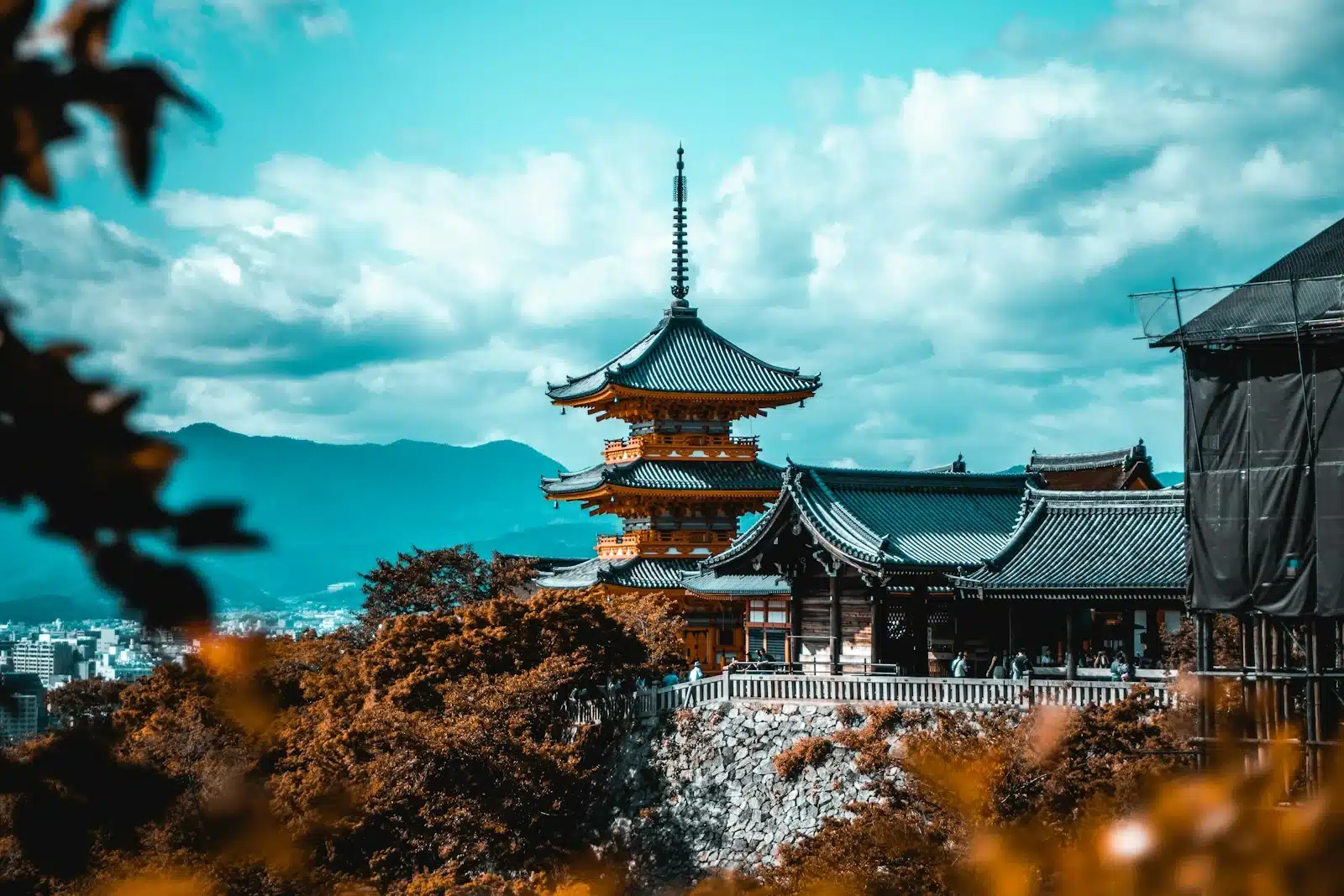
Kyoto occupies a singular place in Japan’s cultural imagination, and for LGBTQ+ travelers and same-sex couples, it offers something that Tokyo‘s more openly queer Shinjuku Ni-chome does not: the chance to engage with centuries of refined hospitality on quieter, more considered terms.
The city’s queer scene is intimate rather than spectacular, its social codes warrant preparation, and its best experiences require patience. For couples who approach it with curiosity, Kyoto can be memorable. This guide is designed to help you understand what to expect, where to go, and how to plan a visit that feels both culturally immersive and personally comfortable.
Public Etiquette for Same-Sex Couples in Kyoto
Japan has no laws criminalizing same-sex relationships, and same-sex couples face no legal risk in Kyoto. What visitors sometimes misread as coolness or discomfort is more accurately described as a broadly observed social norm: public displays of affection are uncommon here regardless of who is involved. In the traditional neighborhoods of Gion, Higashiyama, and Fushimi, where temple culture and machiya architecture set the tone, restraint is simply the register in which daily life operates.
This does not mean hostility. Respectful behavior is consistently met with respectful service, and Kyoto’s hospitality professionals are trained to attend to guests with discretion rather than intrusion. Same-sex couples who hold hands on a quiet backstreet are unlikely to attract anything beyond mild curiosity from older residents.
Reading social cues accurately matters more than anxiety about them. The city’s etiquette is not a barrier; it is an invitation to slow down and engage on its own terms.
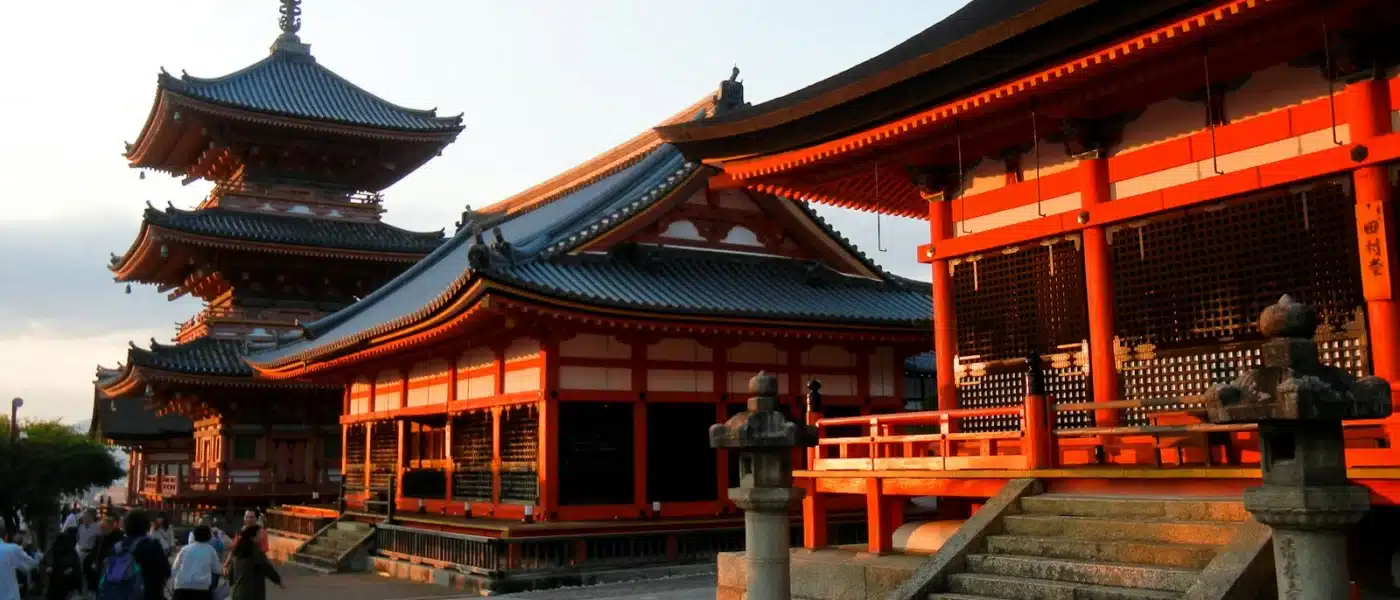
At temples and shrines, the expectations are the same for everyone: remove shoes where indicated, speak quietly, and follow posted guidelines. Staff at major sites such as Kinkaku-ji or Ryoan-ji are accustomed to international visitors of every background, and interactions are typically brief and professional.
Kyoto’s Queer Bars and Machiya Venues
Kyoto’s queer nightlife is deliberately low-key, concentrated around a handful of bars in the Kiyamachi and Pontocho corridors, where narrow lanes and lantern-lit facades create an atmosphere that suits intimate conversation far better than a large club would. Bar Ing, one of the city’s longer-standing gay-friendly venues, draws a mixed crowd of locals and international visitors and operates with the kind of understated warmth that characterizes Kyoto’s bar culture generally. Smaller machiya-style bars in the central wards offer a similar experience, often with a single bartender, a handful of seats, and music kept low enough to talk.
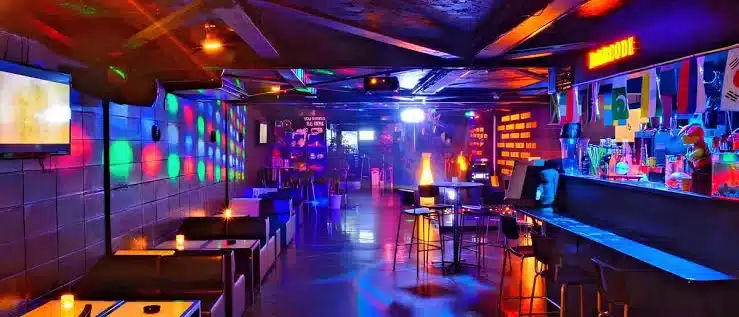
Entering as a visitor requires a small amount of social awareness. Many of these spaces are regulars-oriented, and introducing yourself briefly to the bartender goes a long way. English is spoken to varying degrees; some venues are accustomed to international guests, others less so.
Arriving early in the evening, before a local crowd fills the room, tends to make first visits easier. These are not spaces built around spectacle or performance, and approaching them with that understanding makes the experience considerably richer.
For context on how Kyoto’s queer bar culture compares to Tokyo’s more concentrated scene, our guide to Shinjuku Ni-chome’s intimate local bars offers a useful point of reference.
Gender Presentation, Dress Codes, and Onsen Access
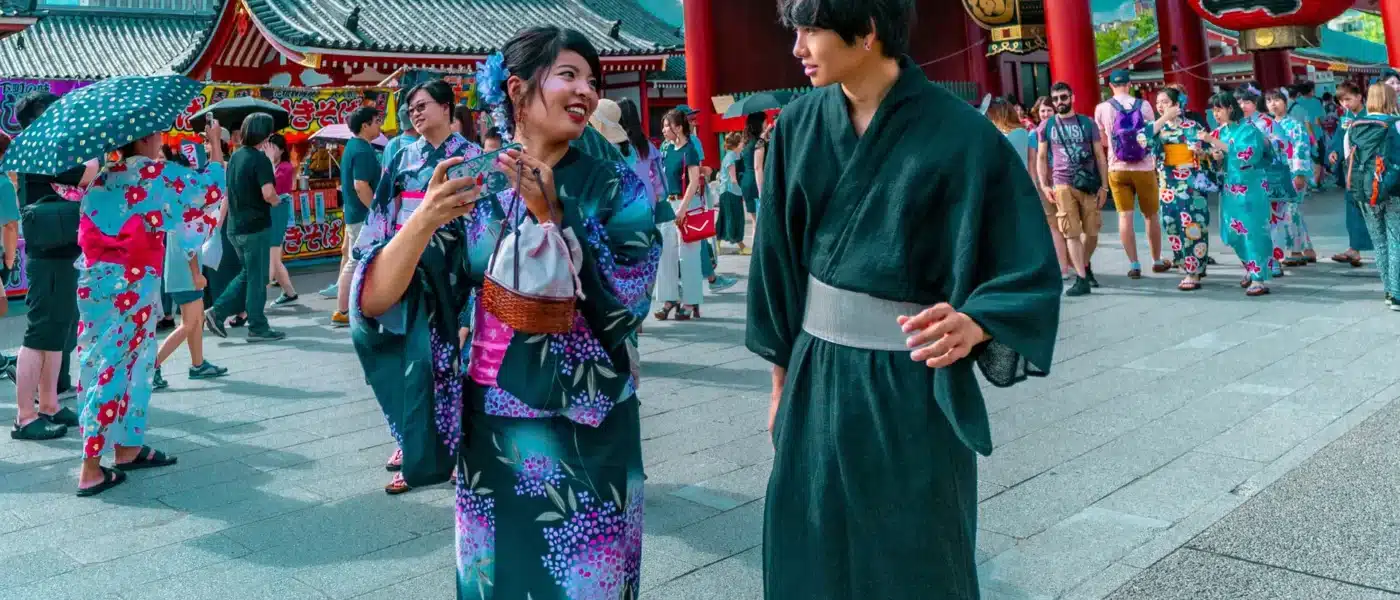
Kyoto’s sacred sites and cultural venues carry dress expectations that apply to all visitors: covered shoulders at certain temples, shoes removed at entrances, and generally conservative clothing in residential neighborhoods where geiko and maiko culture is still practiced. These are practical courtesies rather than ideological positions, and most travelers adapt without difficulty.
The more specific consideration for gender-nonconforming and nonbinary travelers involves onsen facilities, which in Japan typically operate on binary-gendered entry systems. This is a structural reality rather than a policy directed at any particular group, and it applies across the country. Some high-end ryokan offer private onsen baths bookable by the hour, which sidesteps the question entirely and often provides a more luxurious experience regardless.
Confirming availability of private bathing facilities before booking is straightforward and worth doing. Our dedicated guide to Japan’s onsen culture for gay travelers covers this in detail and is worth reading before you finalize accommodation.
Many of Kyoto’s better-managed boutique hotels and internationally affiliated properties have become more responsive to guests’ needs around room configuration and facilities. Policies vary, and a specialist travel consultant is better placed than a general booking platform to confirm the specifics in advance.
Tell us where your mind keeps going back to. We will do the rest.
Request a quote →Where to Stay in Kyoto
Kyoto’s finest accommodations tend to operate with a service culture built around guest privacy and attentiveness, qualities that translate well for same-sex couples. Internationally managed properties such as Four Seasons Hotel Kyoto, built around an 800-year-old pond garden in Higashiyama, and Aman Kyoto, set within 32 hectares of gardens in the Takagamine area, bring global service standards to a deeply local setting. Both properties are experienced with international LGBTQ+ travelers, though neither publishes a formal policy, and the experience is shaped more by the culture of attentive discretion than by any explicit statement.
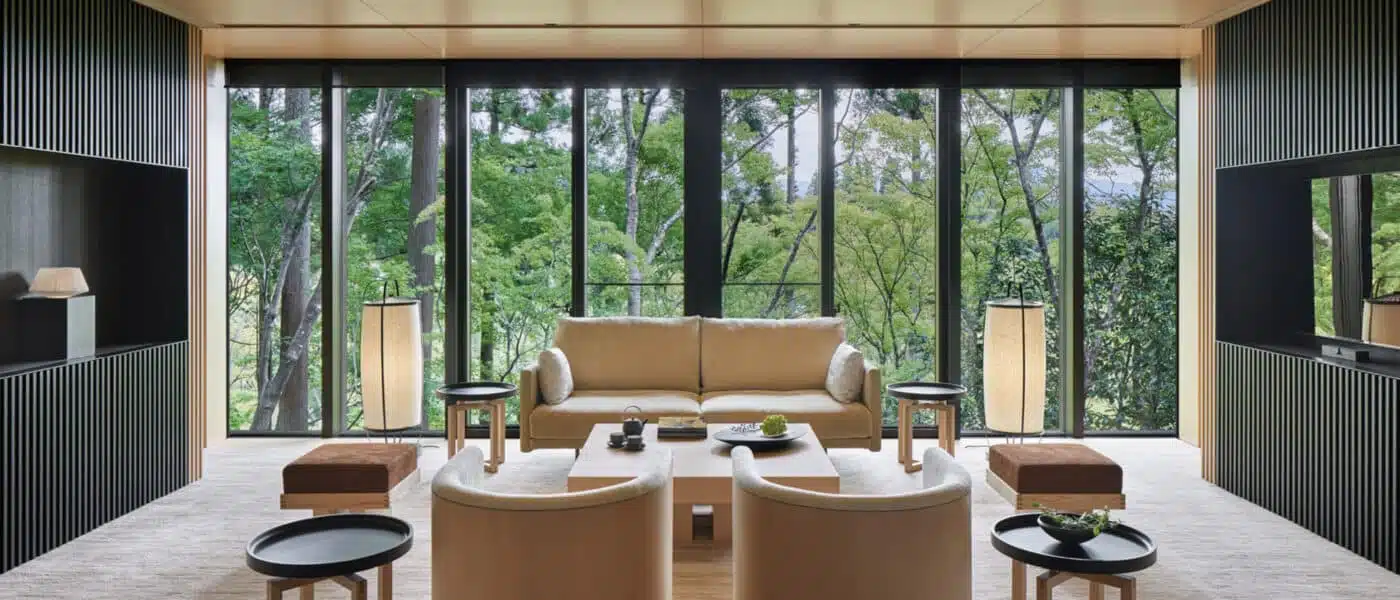
Smaller, independently run ryokan vary more widely. Some are welcoming and curious about international travelers, while others may be less familiar with same-sex couples requesting a shared room.
Booking through a specialist travel company allows you to confirm room configurations, private onsen access, and any relevant details before arrival, removing uncertainty from what should be a relaxing experience. For couples planning a honeymoon in particular, this kind of advance coordination makes a meaningful difference. Browse luxury hotels in Japan to explore properties suited to couples seeking both cultural authenticity and comfort.
Kyoto Pride and Community Events
Kyoto Rainbow Pride, typically held in May, is a growing annual event that draws local participants alongside international visitors. It is smaller and more community-oriented than Tokyo Rainbow Pride, which is part of its appeal: the atmosphere is inclusive and grounded, and attending offers a more textured understanding of Kyoto’s evolving social landscape than nightlife alone can provide. Parade routes and event schedules are publicized through the organizers’ social media channels, and the event has grown steadily in recent years.
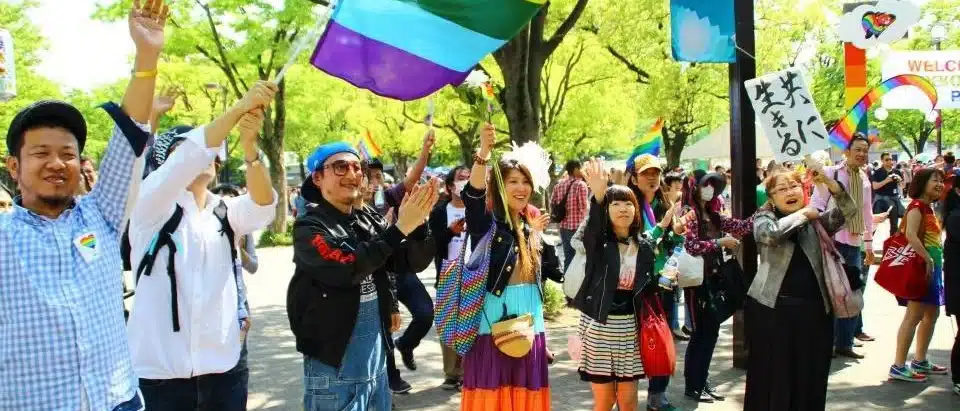
Beyond Pride month, smaller film screenings, art exhibitions, and community gatherings organized through local LGBTQ+ networks occur throughout the year. These are rarely listed on mainstream tourism platforms and are best found through local social media accounts and community organizations.
The visibility they represent is quiet but genuine, and for travelers interested in understanding Kyoto’s queer community beyond its bars, they are worth seeking out. If you are planning a spring visit, our gay travel guide to cherry blossom season in Japan covers timing and itinerary considerations that pair well with a Pride-adjacent trip.
Practical Notes Before You Travel
Japan does not currently recognize same-sex marriage at the national level, though a growing number of municipalities have introduced partnership certificates and the legal landscape continues to shift. Travelers should not assume legal protections equivalent to those in Western Europe or North America. For a current and accurate overview of where things stand, our article on same-sex marriage law in Japan is updated regularly and provides a reliable starting point.
Travel insurance that explicitly covers same-sex partners is worth arranging before departure. Nijiiro Diversity, a Japan-based nonprofit, is a useful organization to be aware of as a resource for LGBTQ+ travelers encountering difficulties. Emergency contact information for your country’s consulate in Osaka, which covers the Kyoto region, is worth saving before you arrive.
Kyoto rewards travelers who arrive with genuine curiosity and a willingness to engage with its social rhythms rather than resist them. Same-sex couples who approach the city thoughtfully will find that its hospitality tradition runs deep enough to accommodate them with grace, whether they are spending a week moving between ryokan and temple gardens or building a longer Japan itinerary around it.
If you would like help planning a tailor-made trip, our Japan specialists at Out Of Office are well placed to put together an itinerary that reflects exactly what you are looking for.

New to Out Of Office?
We are a luxury travel company for LGBTQ+ travelers. Everything we sell is tailor-made, planned by one named member of our team throughout, and nothing on this site is a fixed package unless it says so.
Where exclusivity meets inclusivity
Ten years, hundreds of five-star reviews, and a team who will tell you when a destination is not right for the trip you have in mind.
The best trips begin with a conversation, not a booking form.
Tell us how you would like the trip to feel, and a specialist will take it from there.
Stellar service. Stellar products. Stellar people and it gets so much better when you pick up the phone and call.
Anthony S.
Super client centred service. From first contact I have had warm, efficient, friendly and flexible service.
John
I’m confident in giving Out Of Office a 5-star review! They are one of the leaders in this space without a doubt.
Tiberiu

We plant trees for every booking
For every booking made with Out Of Office we commit to planting trees in your name to help reduce the impact of travel on future generations. You'll even get a link to see where your trees are planted in the world via our partner Ecologi.

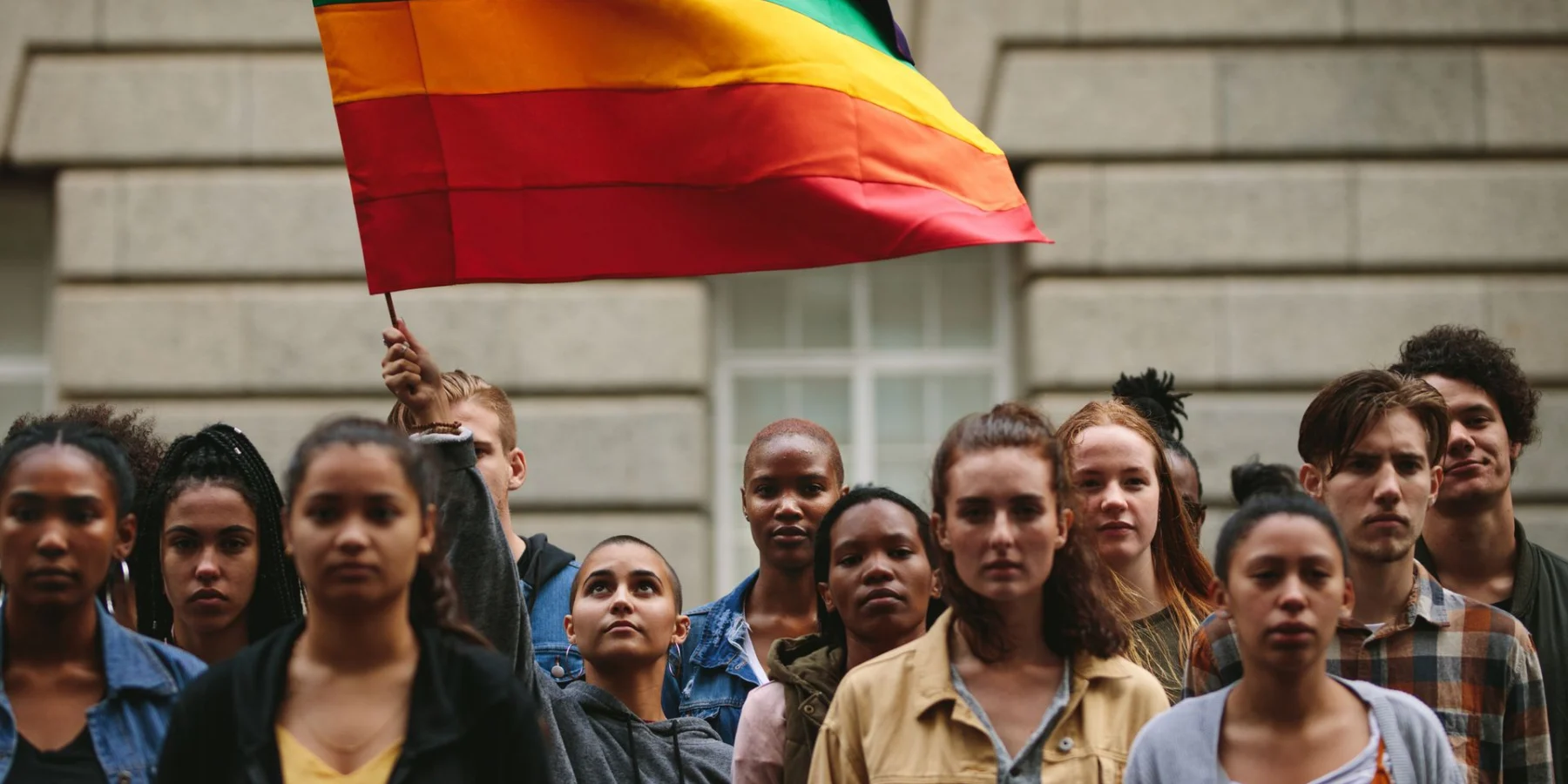
We donate to Rainbow Railroad with every booking
Rainbow Railroad helps LGBTQ+ people escape state-sponsored violence and persecution. A donation goes with every trip we sell, funded by us and never added to your price.

Start Planning Your Trip
Tell us where you would love to go, when you are thinking of traveling and what kind of trip you have in mind. One of our LGBTQ+ travel specialists will create a tailor-made itinerary designed around your destination, style and preferences.
One named specialist, first inquiry to homecoming. No call center, and nothing is charged until you decide to book.