



Moment · French Polynesia
Inside a Tahitian Pearl Farm in the Tuamotu Archipelago
Spend a private morning with a pearl farmer on a Tuamotu lagoon, from grafting the oysters to grading the finished black pearls.
Pearls Grown Nowhere Else
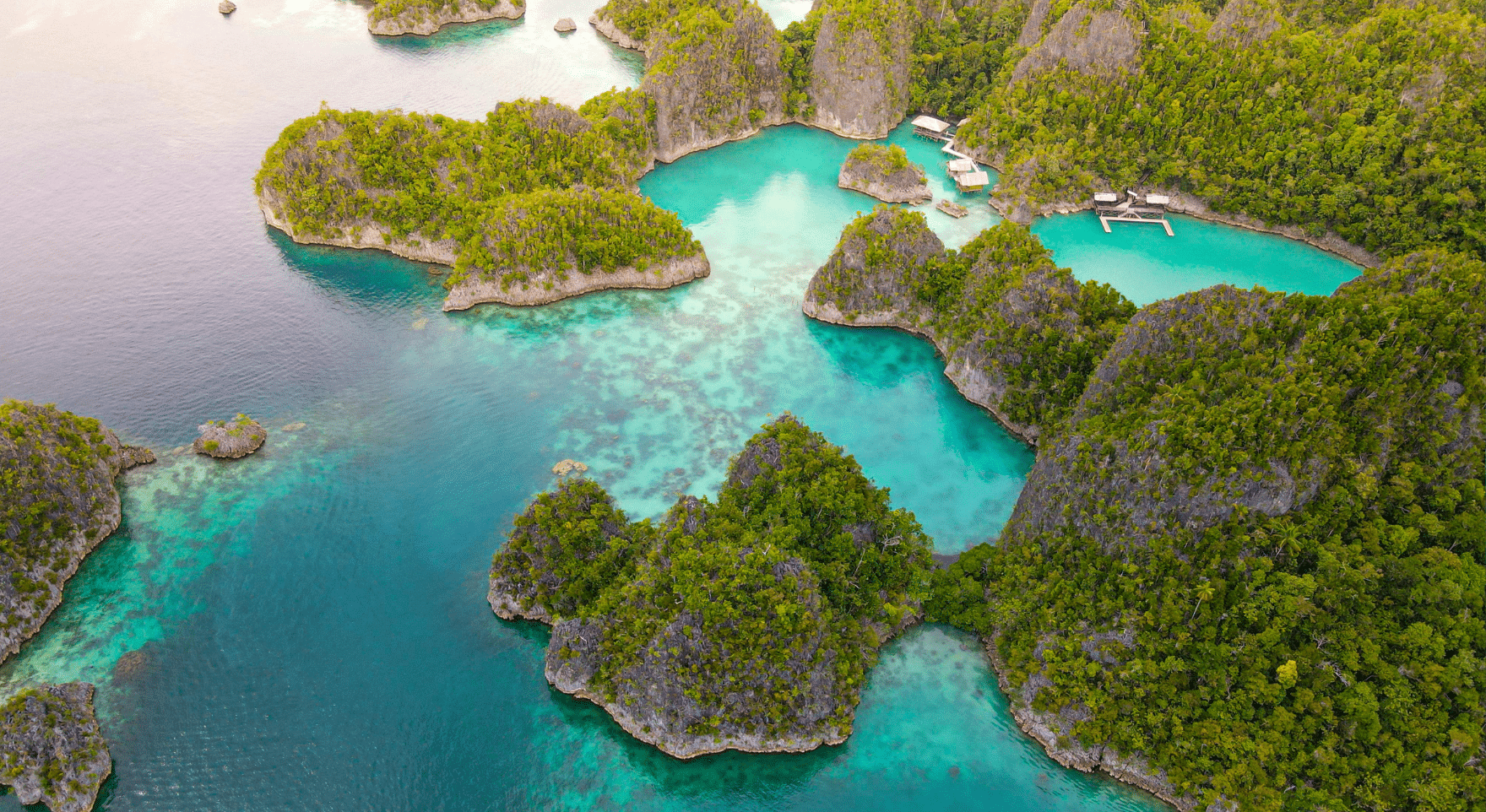
The Tahitian black pearl is farmed only in French Polynesia, inside the black-lipped oyster Pinctada margaritifera, and the most established farms lie on the atolls of the Tuamotu Archipelago. The first farm was officially founded on Manihi in 1968, and the industry has since spread to Rangiroa, Fakarava and Ahe. Their remote lagoons, with little tidal exchange and water rich in nutrients, create conditions found nowhere else in the Pacific, and those conditions decide the quality and character of every pearl.
Most visitors see Tahitian pearls in a boutique case, with no sense of how they came to be. A private morning with the farmer who runs the process every day changes that. The pearl at the end is the same; what you understand about it is not.
From Mother-of-Pearl to Cultured Pearl
The pearl oyster has lived in these lagoons for thousands of years, and Polynesians gathered wild oysters for their shell, called nacre in Tahitian, long before anyone cultivated pearls. Its name comes from margarita, Latin for pearl, and it was valued across the Pacific for its shell before its pearls were.
About Out Of Office
Out Of Office is a luxury tailor-made travel company with a focus on delivering exclusivity and inclusivity. Our passion for global adventure is matched only by our deep commitment to delivering exceptional five-star service.
Everything we do is customised and designed especially for you – our valued customer – based on your exact personal requirements. Each member of our team is widely travelled. This means you get access to first-rate travel insights and the best possible advice from our team of luxury travel experts.
| Enquire Now |
Cultured pearl farming grew from Japanese grafting skill meeting Polynesian lagoon conditions. In grafting, a shell nucleus is placed in the oyster with a tiny piece of mantle tissue from a donor oyster, prompting a pearl sac to form. The method was developed early in the twentieth century and applied to Pinctada margaritifera in the Tuamotus from the 1960s. Today French Polynesia produces most of the world’s cultured black pearls, with these atolls at the heart of it.
Tahitian pearls aren’t simply black. They range from silver-gray through green, peacock and aubergine to almost black, depending on the donor oyster’s genetics, the depth the host grows at, the lagoon’s temperature and chemistry, and how thick the nacre builds. No two are alike, and each farm’s harvest reflects its own lagoon.
Tell us where your mind keeps going back to. We will do the rest.
Request a quote →A Farm at Work
On a private visit, nobody is putting on a show. The grafting, the cleaning of oyster lines and the water checks that happen that morning are simply the jobs the farm needs done. You’re stepping into a workplace, not a visitor attraction, which is the difference between watching pearl farming and understanding it.
The farmer’s grasp of how tidal exchange, the depth the oysters hang at and seasonal plankton affect nacre thickness comes from years of watching one lagoon daily, and no boutique can offer it. A private morning gives time to hear it all, and it makes a memorable day for a honeymooning couple or friends exploring the atolls.
Grafting and Grading
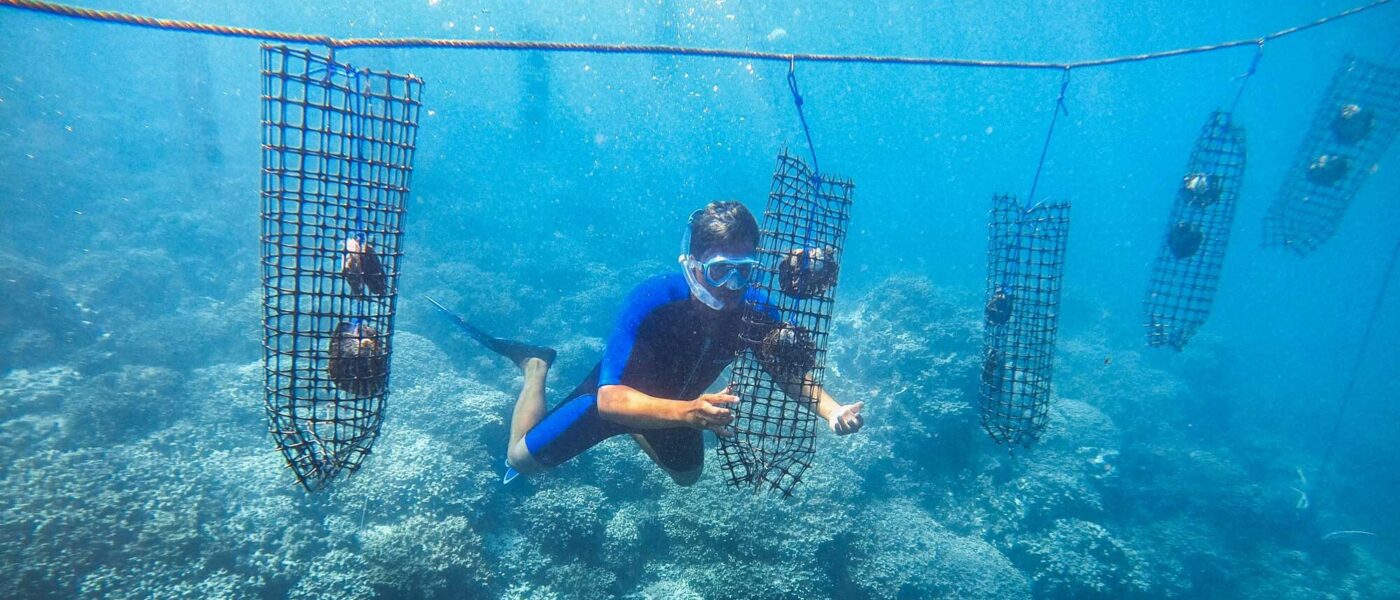
Oysters hang in baskets on lines six to ten meters below the surface and are hauled up regularly to be checked and cleaned. At the grafting table, a mature oyster’s shell is opened about an inch and a round nucleus inserted with a small square of donor mantle tissue, all in less than a minute. Success varies by farm and season, and the farmer explains the factors and why that morning’s conditions matter.
Pearls are graded on size, from 8 to 18 millimeters, shape, surface quality from A to D, and luster. Color is recorded but not graded, since every natural Tahitian color is valued equally. The farmer holds each pearl against gray in natural light, the only way to see the full range of color in the nacre.
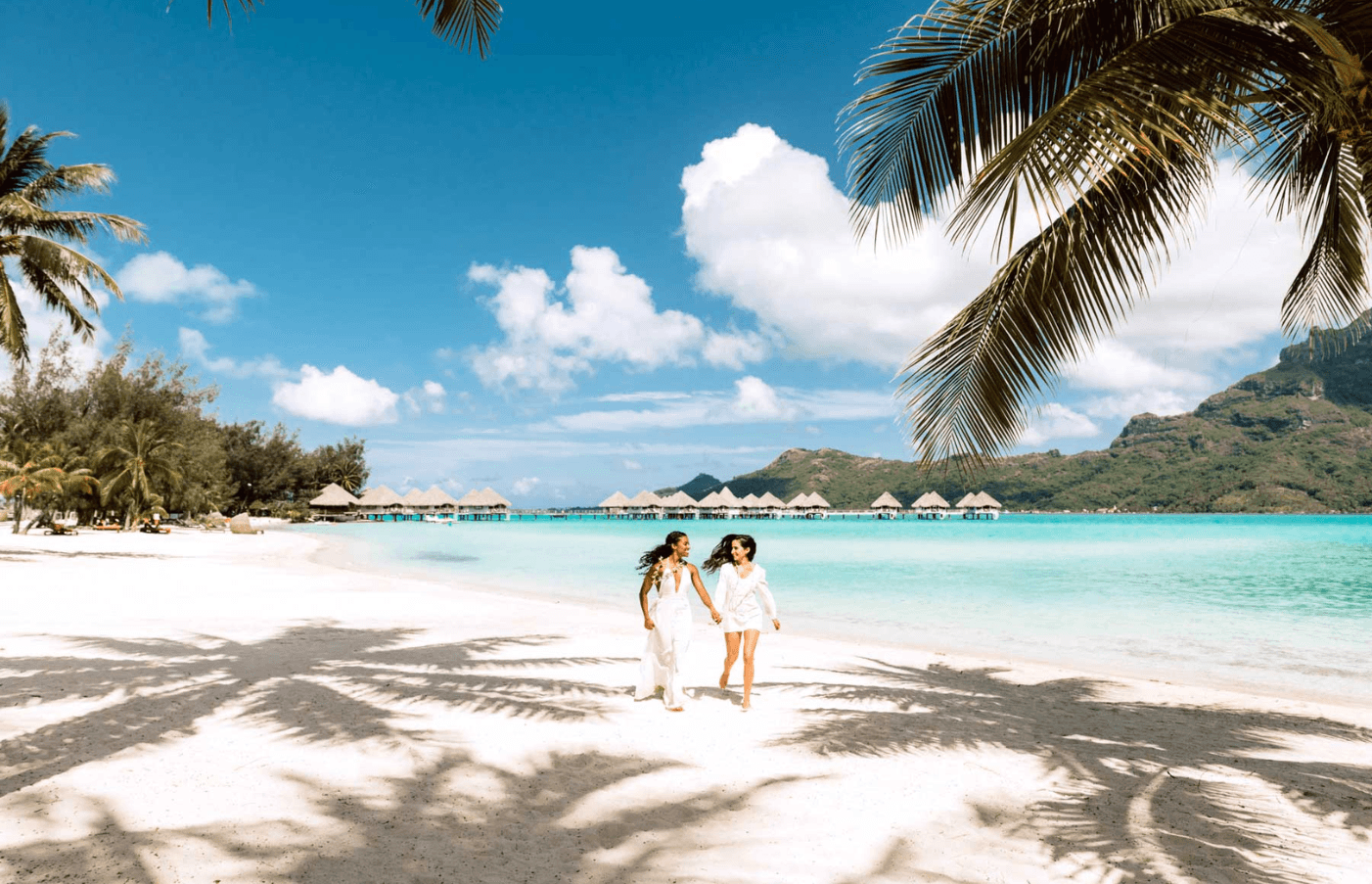
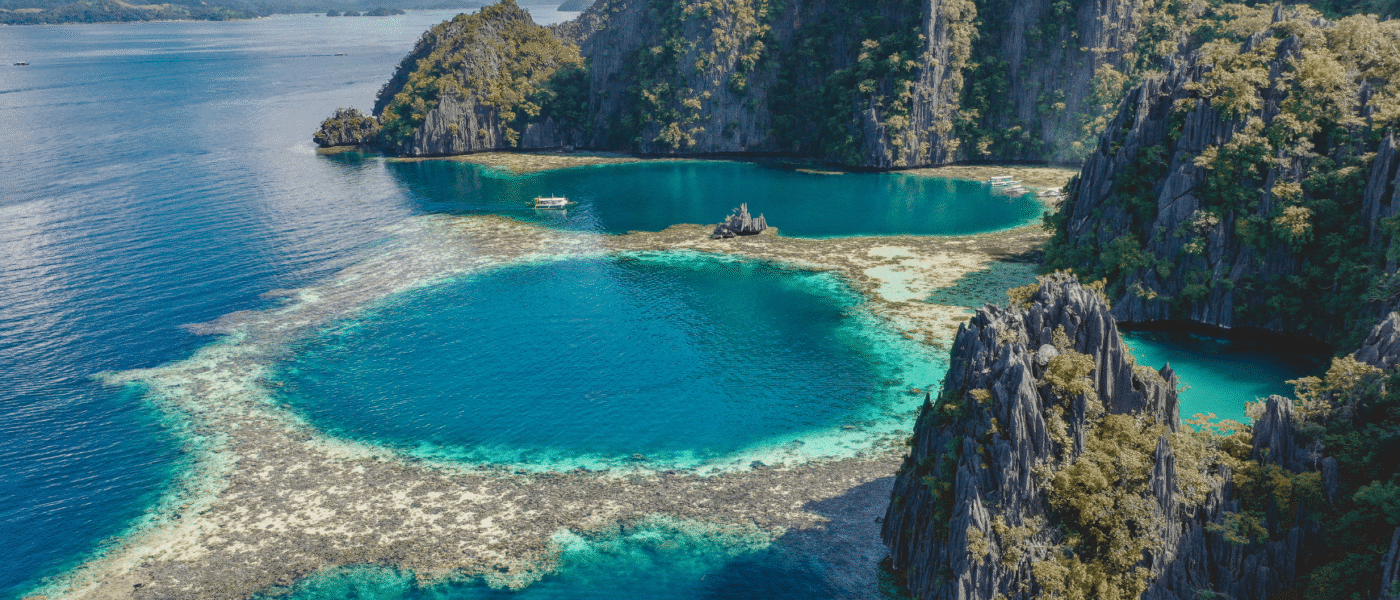
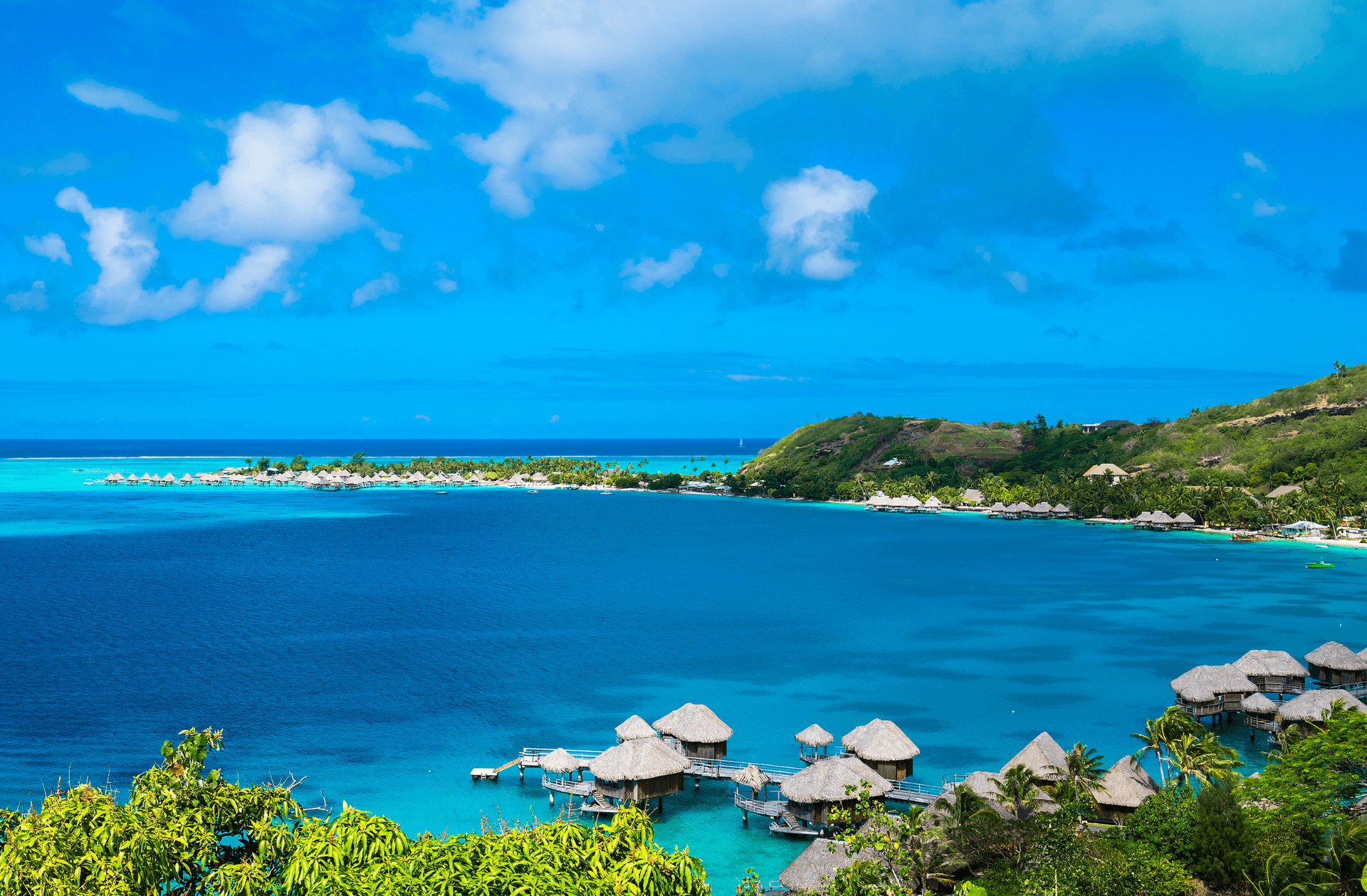
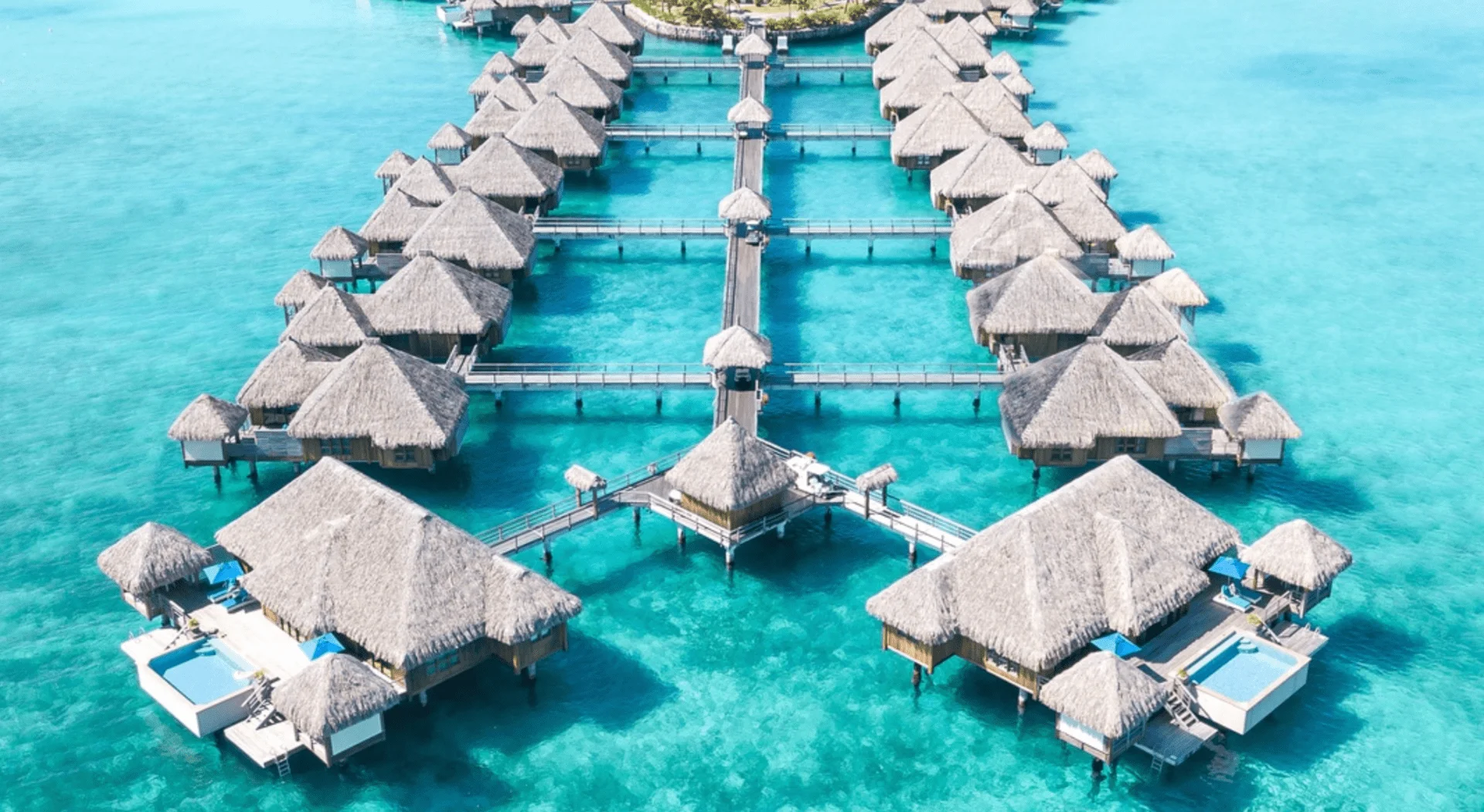
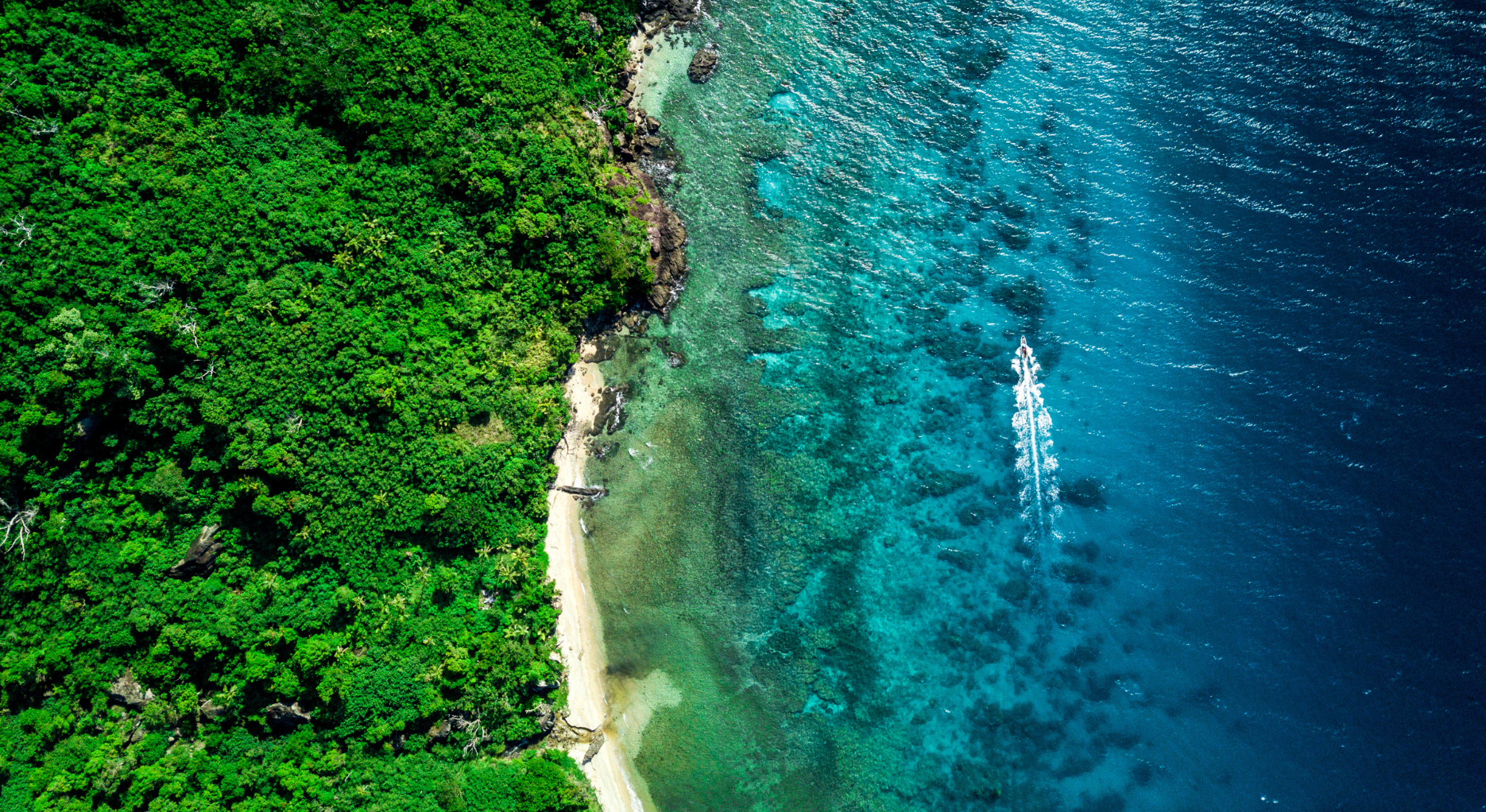
The atolls themselves formed the same way as Bora Bora’s barrier reef, only further along: the original volcanic island sank from sight, leaving just the reef and the lagoon inside it. That lagoon’s depth, tides and nutrients shape the nacre, and the farmer knows which parts yield the best and why. Your Out Of Office LGBTQ+ travel specialist can combine the visit with a stay on Rangiroa or Fakarava.
The best trips begin with a conversation, not a booking form.
Tell us how you would like the trip to feel, and a specialist will take it from there.
More Moments in French Polynesia
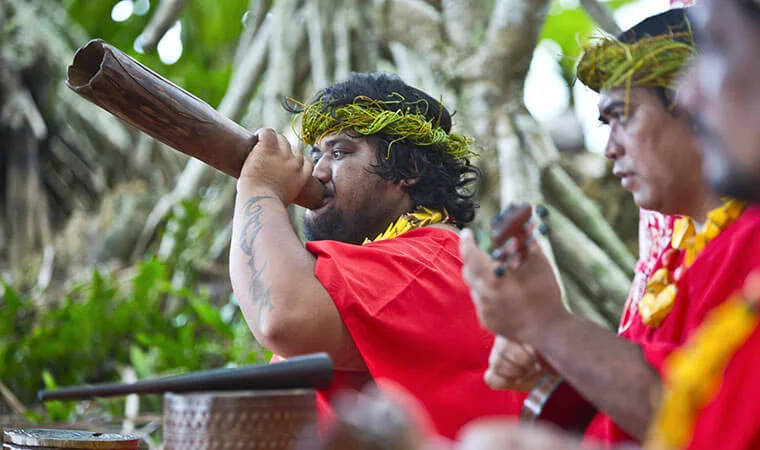
Traditional Music and Dance in French Polynesia
Music and dance are integral elements of French Polynesian culture. With influences from Europe, Asia, and the Pacific, the culture of this South Pacific archipelago of 118 islands has given rise to a diverse musical history that is still alive today. From island festivals featuring traditional performances to polyphonic chants that are used in religious rituals - music and dance form an inseparable part of French Polynesian culture.
Discover more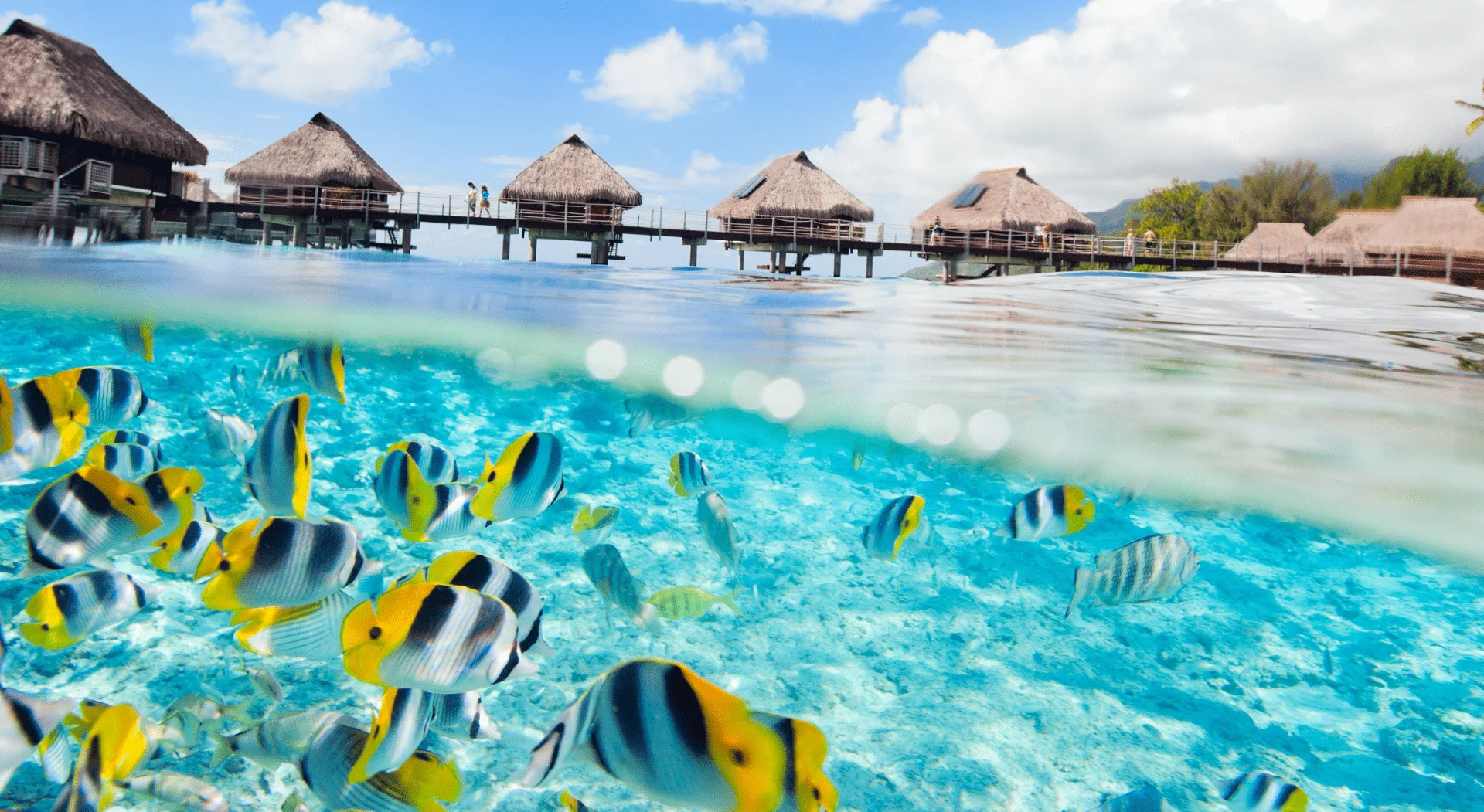
Watersports in French Polynesia
Water lovers seeking a tropical paradise need to look no further than French Polynesia. With its balmy waters, stunning ocean views, and an amazing array of marine life, this island nation offers the perfect spot for activities such as snorkeling, diving, surfing, and kayaking. Whether you’re looking to try something new or perfect your existing skills - French Polynesia is calling.
Discover more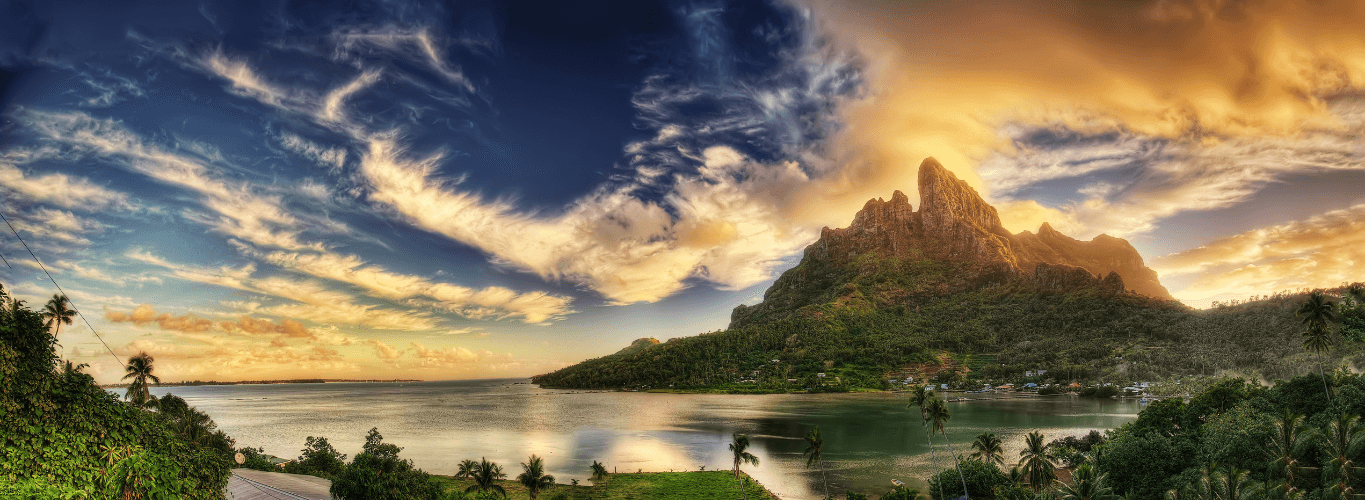
Hiking in French Polynesia
Whether you are an experienced hiker or new to outdoor scenery, French Polynesia has something for everyone. The island nation's stunning landscapes create a perfect atmosphere for exploring on foot. With trails ranging from easy to difficult, taking a hike in French Polynesia is the perfect way to experience its beautiful and unique surroundings. Where to go hiking in French Polynesia? Are you looking for a nature-filled adventure on the beautiful island of Moorea?
Discover more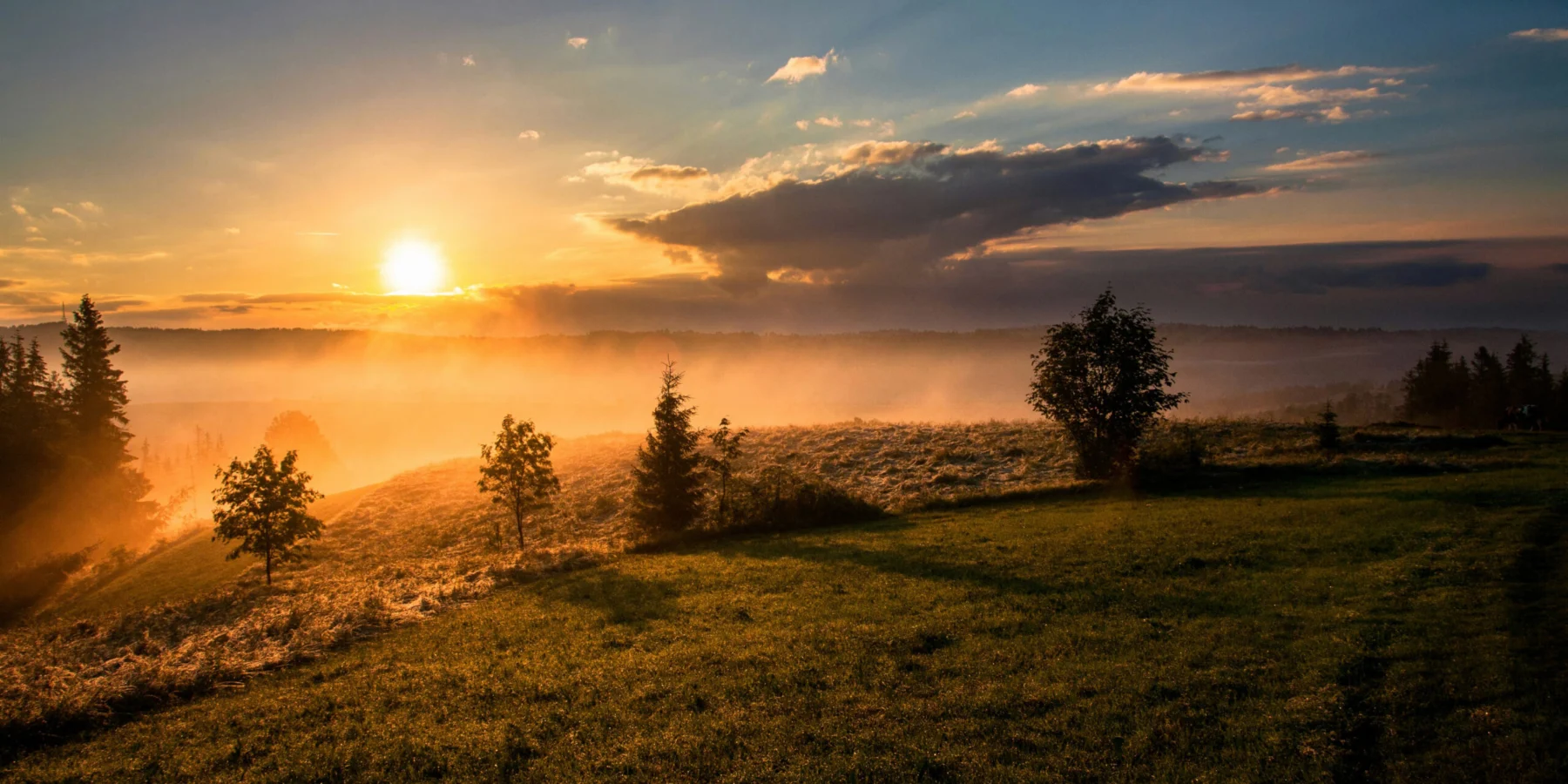
We plant trees for every booking
For every booking made with Out Of Office we commit to planting trees in your name to help reduce the impact of travel on future generations. You'll even get a link to see where your trees are planted in the world via our partner Ecologi.

We donate to Rainbow Railroad with every booking
Rainbow Railroad helps LGBTQ+ people escape state-sponsored violence and persecution. A donation goes with every trip we sell, funded by us and never added to your price.

Start Planning Your Trip
Tell us where you would love to go, when you are thinking of traveling and what kind of trip you have in mind. One of our LGBTQ+ travel specialists will create a tailor-made itinerary designed around your destination, style and preferences.
One named specialist, first inquiry to homecoming. No call center, and nothing is charged until you decide to book.