







Moment · Japan
Naoshima Art Island with a Private Curator
Read Japan's art island as one work, from Benesse House and Chichu's Monet to village houses turned art, with an expert who lives there.
From Smelter to Sanctuary
Naoshima’s fame as a world center of contemporary art hides a grittier history. Through most of the 1900s, life here revolved around Mitsubishi Materials’ copper refinery, opened on its north coast in 1917, which brought jobs and infrastructure but also acid gas that stripped the hills bare. By the 1980s the island faced what many rural Japanese communities did: people leaving, a stalled economy and a loss of direction.
The turning point came in 1985, when the mayor, Chikatsugu Miyake, met Tetsuhiko Fukutake, who had founded Benesse and imagined a natural setting where young people from every country might come together. He died suddenly in 1986, and his son Soichiro inherited the idea and vastly expanded it. Rejecting the urban development he saw reshaping Tokyo, Soichiro believed culture could give meaning back to exhausted places, a philosophy of well-being that shaped the island’s future. In 1987 he invited Tadao Ando, who was at first unsettled by the scarred land but was won over by the conviction that architecture could sit quietly within landscape.
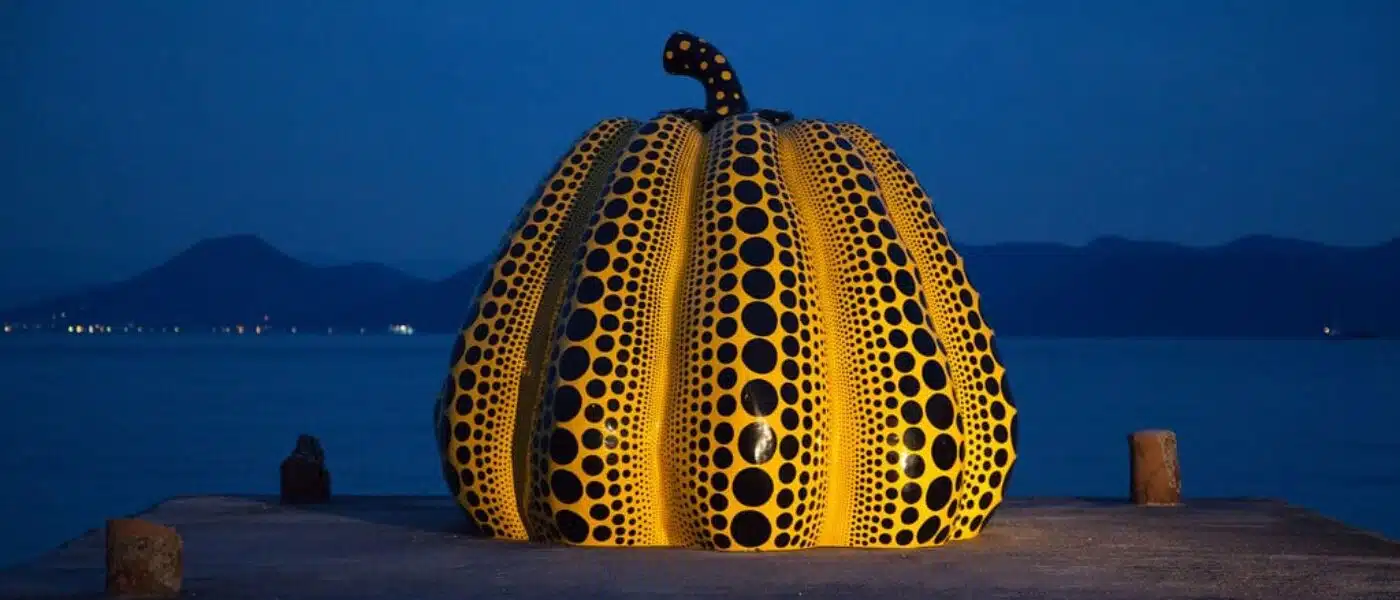
What followed was a long experiment rather than a single project. First, in 1992, came Benesse House, a hotel that is also a museum, where art, buildings and everyday life merge. Six years later the Art House Project began filling empty Honmura houses with installations, and in 2004 the Chichu Art Museum opened, sunk almost wholly into the hillside and devoted to just three artists: Walter De Maria, James Turrell and Claude Monet. Naoshima’s success launched the Setouchi Triennale in 2010, carrying the idea to a dozen islands and helping to reinvigorate a region in demographic decline, with Naoshima as its philosophical anchor.
Why a Curator Makes the Difference
Hundreds of thousands of people visit each year, most on tightly timed day trips juggling bus times and museum slots, with interpretation mostly from wall texts or brief volunteer talks. A curator lets you see the island as one piece: each work is set beside the others, and choices made decades apart turn out to share the same thinking about place, materials and the people who live there.
The best private guides are islanders with scholarly or institutional links to the festival. Foremost among them is the Art Island Center, whose director Andrew McCormick once held a Japanese government research post at Hiroshima University and now focuses on Naoshima’s art and social story; he balances scholarship with lived experience. For university or professional groups, it’s occasionally possible to meet Meng Qu of Hokkaido University, an assistant professor internationally known for research on how art islands revive communities, who sets Naoshima in a global context of cultural regeneration, successes and limits alike. It’s an inspiring day for a couple or friends who love art.
Benesse House, Chichu and Honmura
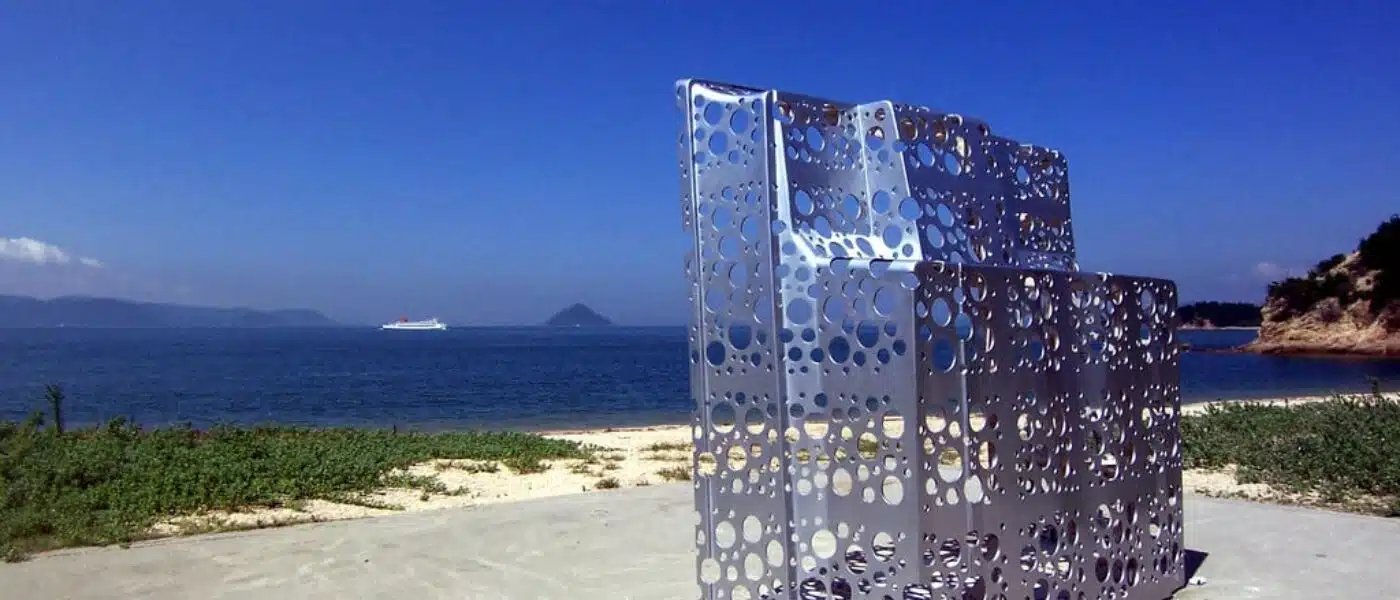
Many curated days begin at Benesse House, where building and art are one. Ando’s concrete frames the Inland Sea with studied economy, and pieces by Richard Long and Bruce Nauman aren’t announced but discovered as you move. At Chichu the focus turns to light: Monet’s Water Lilies are lit only by daylight and change subtly as clouds pass, James Turrell’s installations ask you to reset your sense of color and depth, and De Maria’s room works on you through sheer size and quiet.
In Honmura, the Art House Project strikes a different note, contemporary art living inside traditional wooden houses, storehouses and shrines. Your curator explains not only the art but the negotiations that let it exist in an aging community, places people still inhabit, made possible by give-and-take and goodwill.
Your personal travel specialist, from the first conversation to the flight home.
Request a quote →Letting the Island Unfold
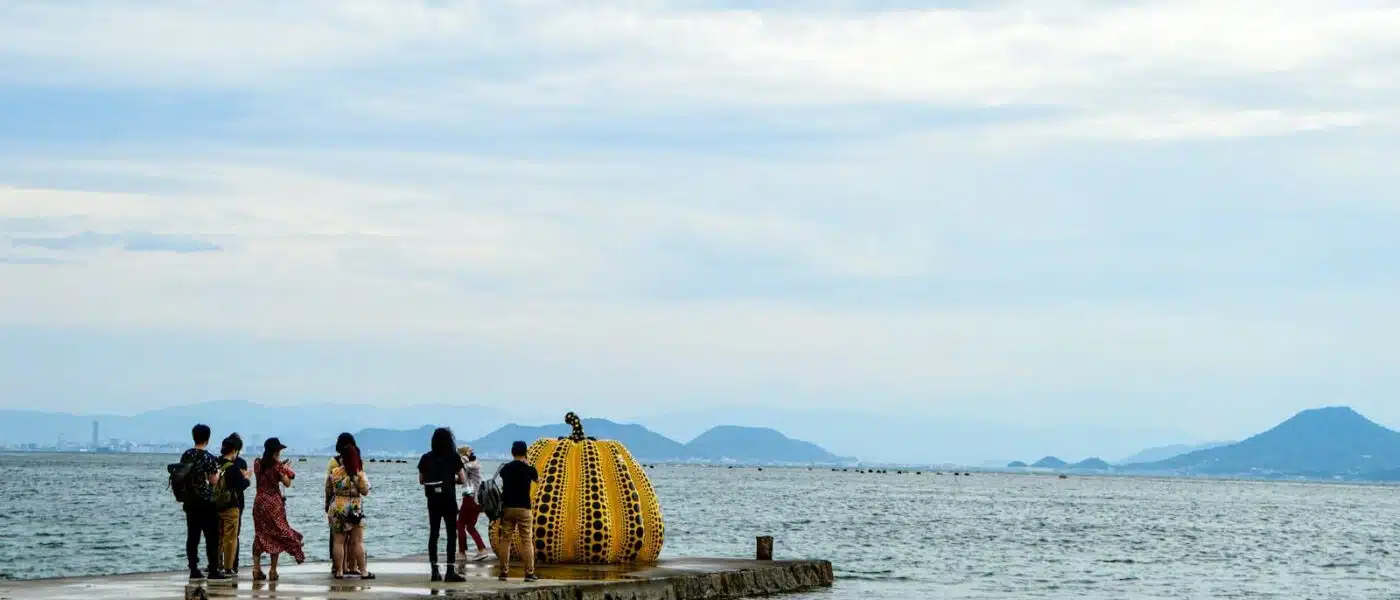
Without guidance, Naoshima can feel fragmented, as ticket slots, packed buses and clashing plans distract you from the art. A curated visit removes the friction. Logistics are handled ahead, not least reserving Chichu tickets precisely 180 days out, which is essential, and a private car carries you between Honmura and the museums in the south with no waiting. Above all, a curator reframes the day: questions are welcome, context builds gradually, and there’s time to sit, watch and return to a work once first impressions settle. Naoshima was designed to be discovered gradually, and that’s how you’ll experience it.
Triennale Years and the New Museum
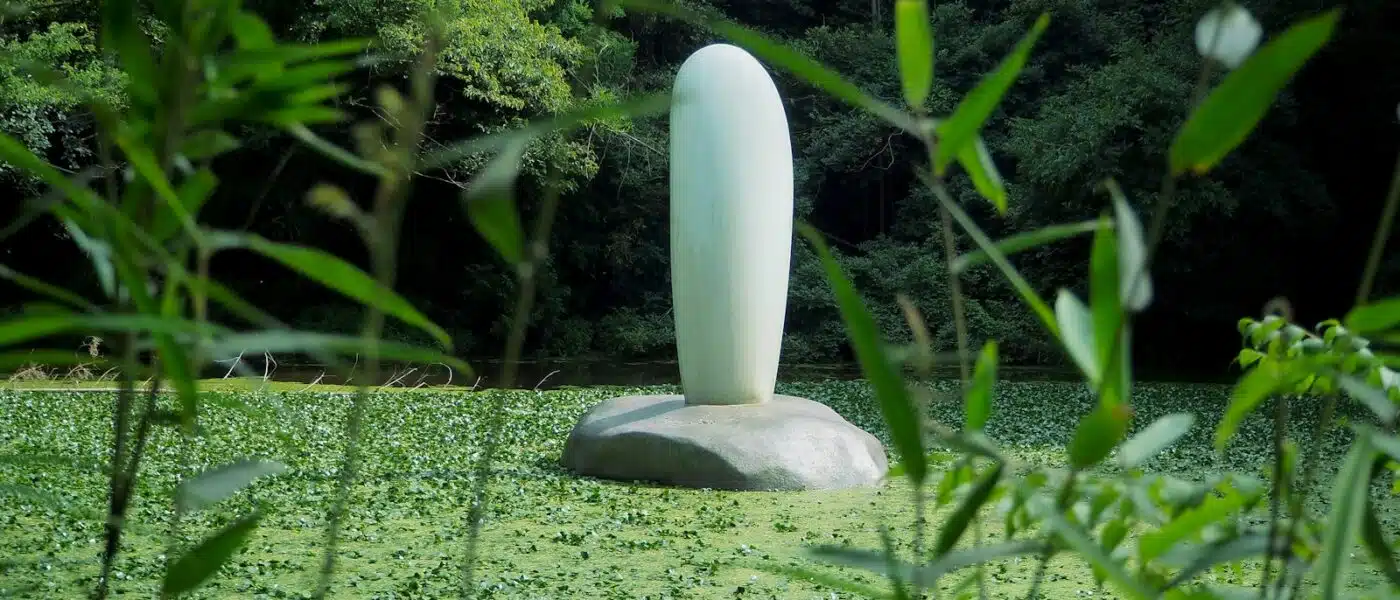
In a Triennale year the island is at its liveliest, with the festival running in spring, summer and autumn sessions, curator talks and special programs more frequent, and visitor numbers much higher. The Triennale committee runs official guided tours with boat transfers and expert commentary, useful structure but without the depth or flexibility of a private curator.
Most recent of all is Ando’s Naoshima New Museum of Art, devoted to contemporary art from across Asia and led by Akiko Miki, who came from the Palais de Tokyo in Paris; commissions from the likes of Cai Guo-Qiang and Takashi Murakami signal a turn toward a wider regional conversation that a knowledgeable guide can place within Naoshima’s philosophy. Your Out Of Office LGBTQ+ travel specialist can arrange the curator, the tickets and a stay at a welcoming hotel, and our Japan guide covers LGBTQ+ rights and travel advice.
Tell us how you like to travel. We will shape the trip around it.
How long you want to be away, how much you want to move, and what you would rather leave out entirely.
More Moments in Japan
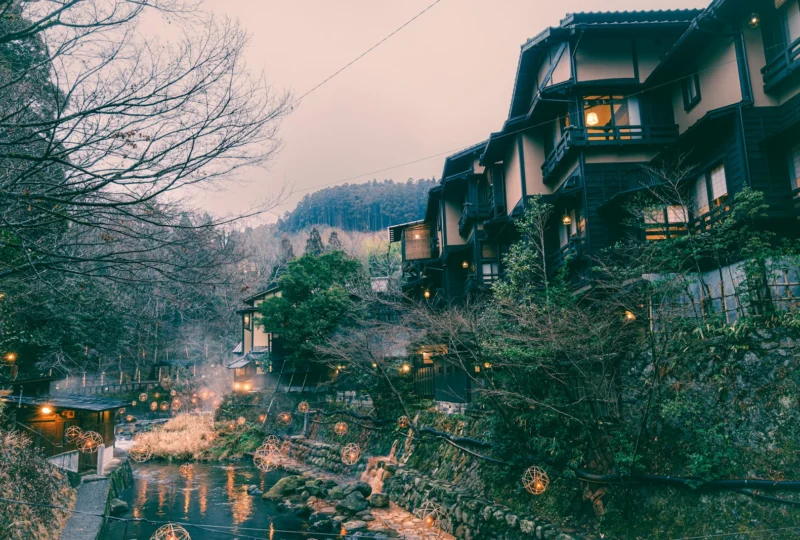
Kinosaki Onsen After Hours, with a Private Bath for Two
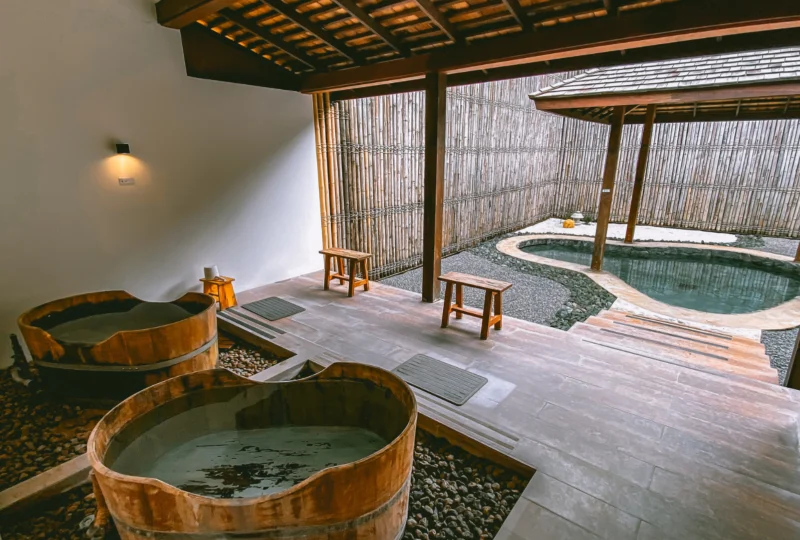
A Town Built for Bathing Kinosaki Onsen is a small canal town on the north coast of Hyogo Prefecture, shaped almost entirely by water. For over 1,300 years people have come not for temples or views but to bathe. Its seven public bathhouses line a willow-edged canal, all fed from the same geothermal source and each with its own history and character.
Discover more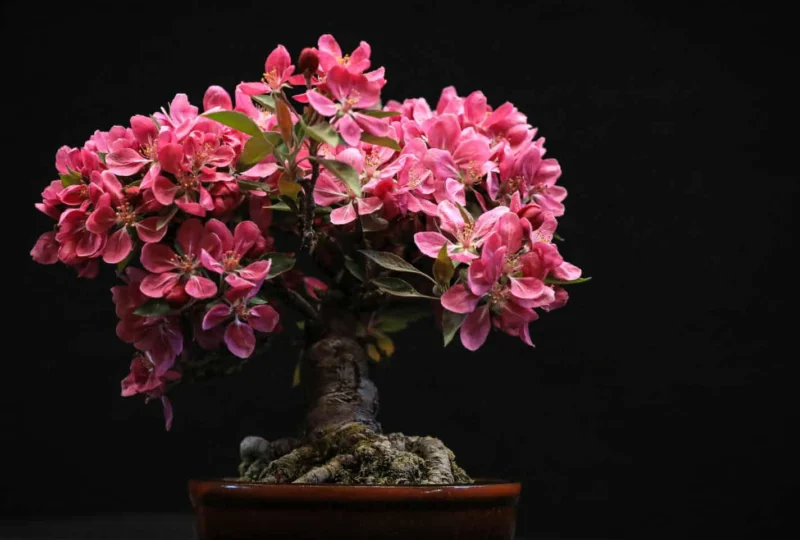
A Private Bonsai Workshop with a Master in Omiya Bonsai Village
From Chinese Penjing to Zen Discipline Bonsai began in Tang dynasty China as penjing, miniature landscapes arranged in trays. Buddhist monks brought it to Japan in the Heian period, where it became an art of the single tree rather than the composed scene, closely linked to Zen: simplicity, restraint and balance as expressions of a worldview, not mere style.
Discover more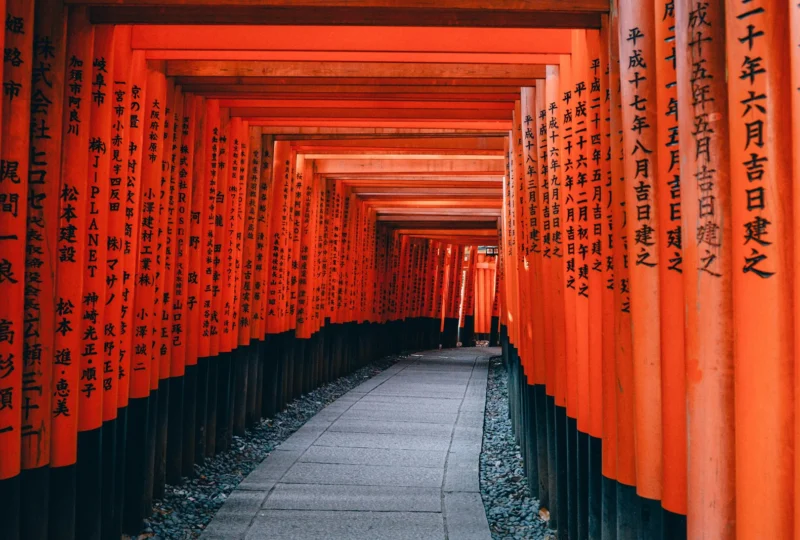
Arashiyama’s Bamboo Grove at First Light, with a Private Photographer
A Courtly Retreat and a Famous Sound Arashiyama became a favorite escape in the Heian period, when members of the imperial court came to flee the summer heat and enjoy nature. The bamboo that defines the grove was first grown for practical things like baskets and fencing, but it gained cultural meaning as nearby temples, including Tenryu-ji, brought it into their practice.
Discover more
We plant trees for every booking
For every booking made with Out Of Office we commit to planting trees in your name to help reduce the impact of travel on future generations. You'll even get a link to see where your trees are planted in the world via our partner Ecologi.


We donate to Rainbow Railroad with every booking
Rainbow Railroad helps LGBTQ+ people escape state-sponsored violence and persecution. A donation goes with every trip we sell, funded by us and never added to your price.


Start Planning Your Trip
Tell us where you would love to go, when you are thinking of traveling and what kind of trip you have in mind. One of our LGBTQ+ travel specialists will create a tailor-made itinerary designed around your destination, style and preferences.
One named specialist, first inquiry to homecoming. No call center, and nothing is charged until you decide to book.