







Moment · Tokyo
Shinjuku Ni-chōme: Tokyo’s Tiny Bars with a Local Host
Squeeze into the tiny counter bars of Shinjuku Ni-chōme with a local host, in the few Tokyo blocks that hold some 300 LGBTQ+ venues.
A Few Blocks in Shinjuku
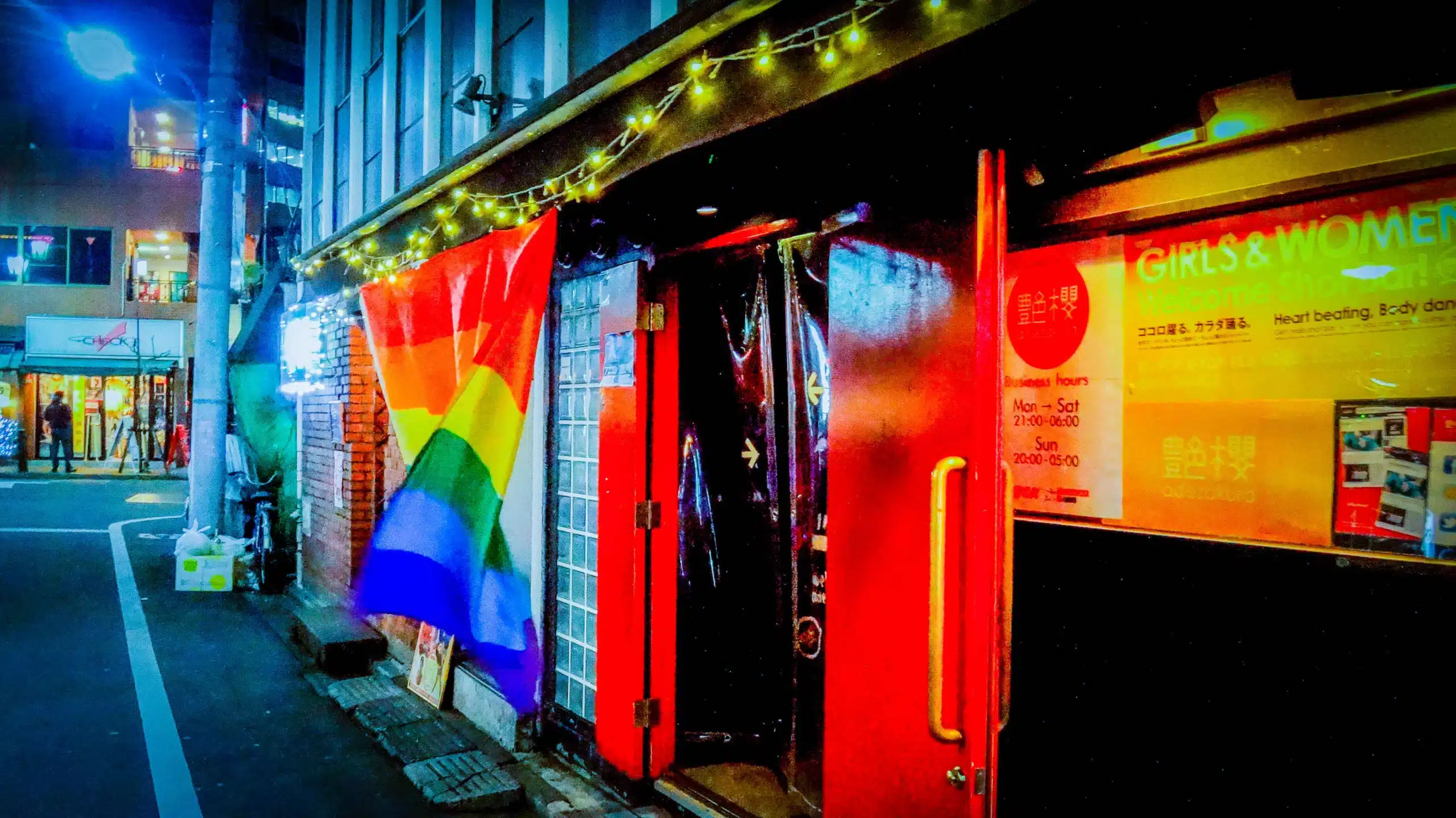
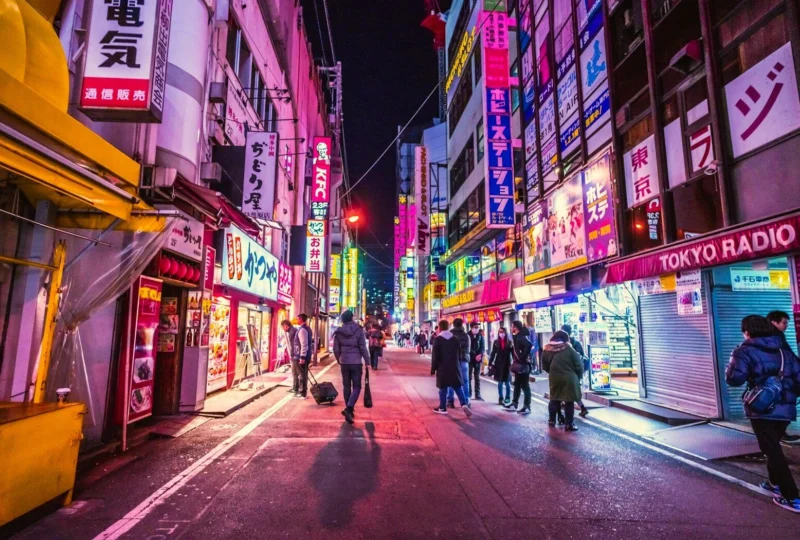
Shinjuku Ni-chōme covers only a few city blocks, close to Shinjuku Station, yet it holds what is often described as the world’s highest concentration of LGBTQ+ bars, with around 300 venues.
Many seat fewer than ten people, tucked into narrow buildings several floors high. Each has its own crowd, music, and personality, and finding the right ones is much easier with someone who knows the neighborhood.
An evening with a local host opens doors you might otherwise walk straight past.
How Ni-chōme Began
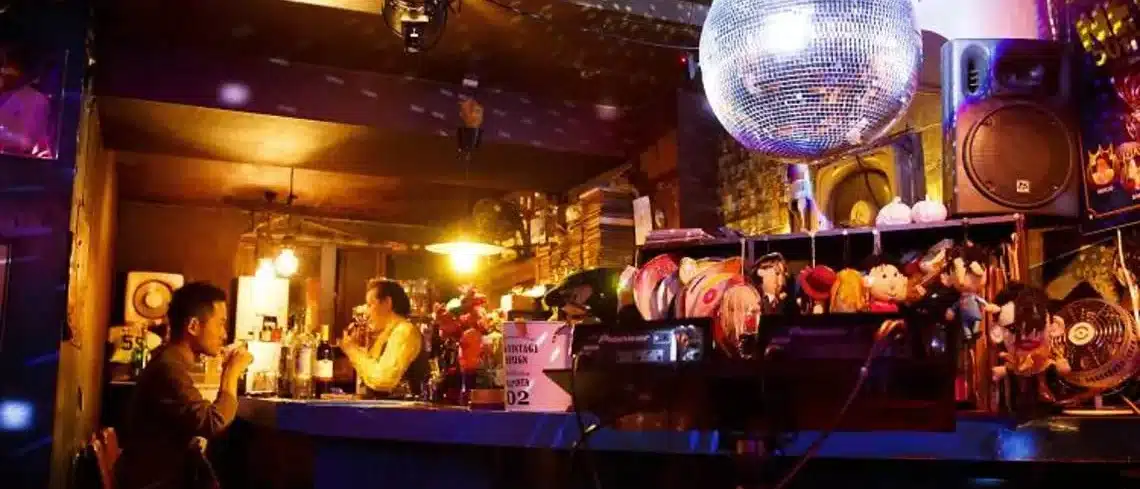
Ni-chōme was once part of Tokyo’s licensed red-light district. After Japan passed its Prostitution Prevention Law in 1956, the brothels closed, rents fell, and small bars moved in.
By the 1950s, gay bars were opening in the area, and over the following decades it became the center of Japan’s LGBTQ+ community. New Sazae, which has been pouring drinks for decades, is often described as the oldest gay bar still operating in Tokyo.
The Counter Bars
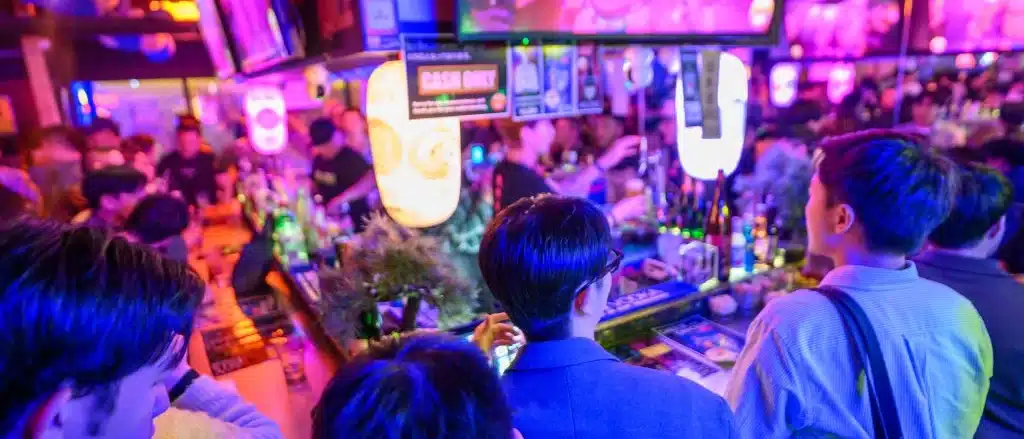
Most Ni-chōme bars are small counter bars, where you sit facing the bartender, known as the master or mama, who leads the conversation. Many specialize in a particular crowd or interest, and some welcome only regulars or Japanese speakers.
Your host introduces you to bars that welcome international visitors and explains the etiquette, including the seating charge many bars add and the custom of ordering a drink for the bartender.
Community and History
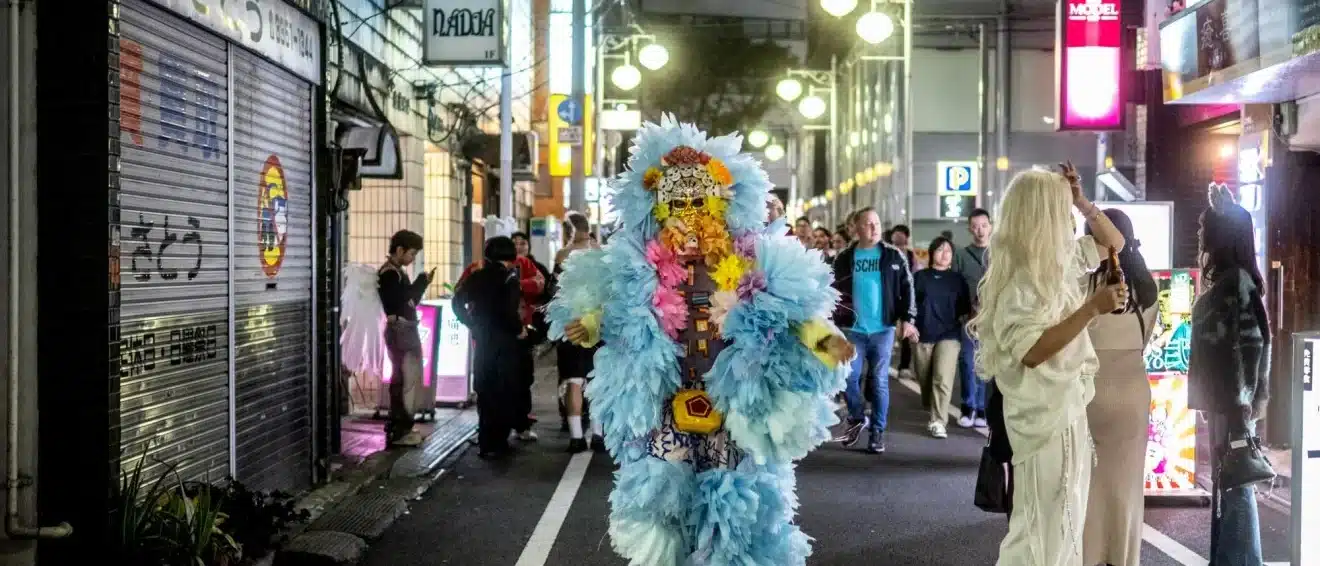
Ni-chōme has been home to many milestones in Japan’s LGBTQ+ history, from early counseling services to the first AIDS vigils in the 1980s. Tokyo’s first Pride parade followed in 1994, and today Tokyo Pride draws large crowds each year.
Japan does not yet recognize same-sex marriage nationally, but in 2015, Shibuya became the first ward to issue partnership certificates, and many other cities and the Tokyo Metropolitan Government have followed. Your host can talk you through how the community sees those changes.
The hard part is not finding a beautiful place. It is finding the right one for you.
Request a quote →Women’s Bars and Mixed Spaces
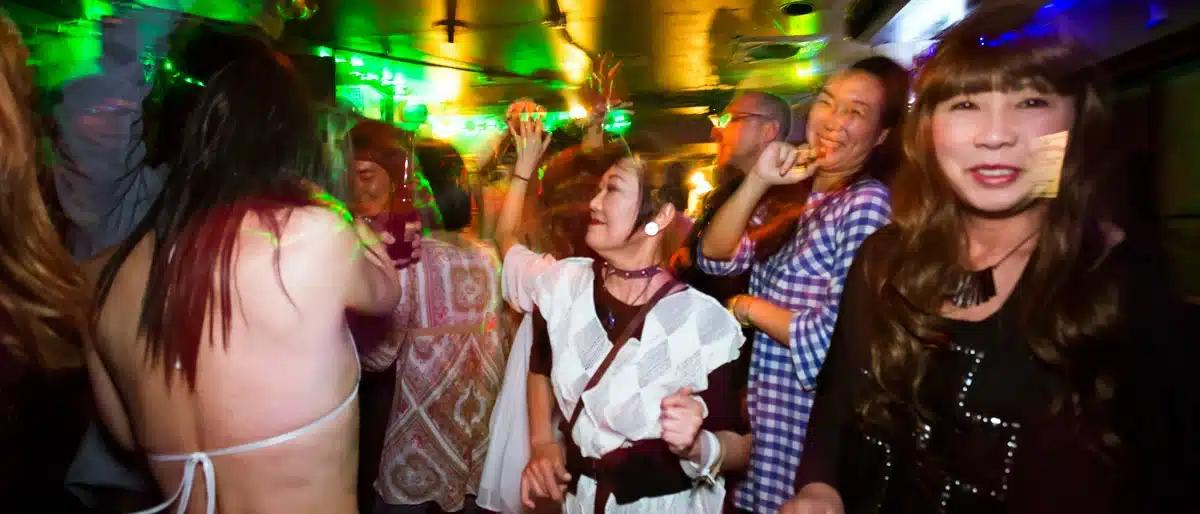
The scene is mostly male, but Ni-chōme also has a number of bars for lesbian, bisexual, and queer women, as well as mixed bars where everyone is welcome.
Aiiro Cafe, on a busy corner, is one of the easiest places to start, with a crowd that often spills onto the street. From there, your host can steer you toward the bars that suit you.
Late Night in Shinjuku
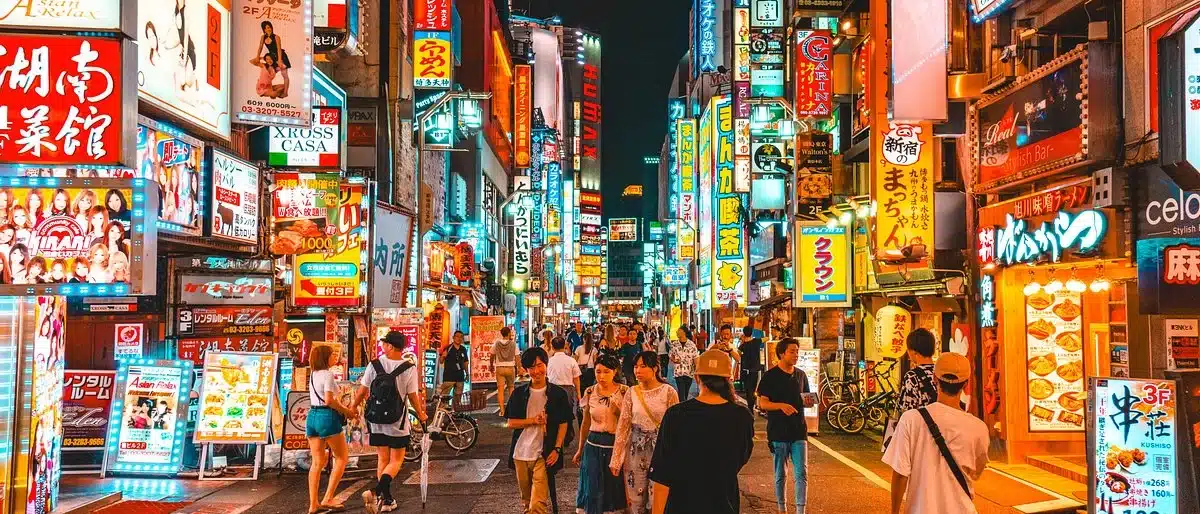
As the evening goes on, the larger bars and clubs fill up, and weekends often run into the early hours. Dinner beforehand can be anything from yakitori in a narrow alley nearby to a fine-dining table in one of Shinjuku’s hotels.
Ending with a ramen or a nightcap in your hotel bar is very much part of a night in Tokyo.
Planning Your Ni-chōme Experience
The neighborhood is a short walk from Shinjuku-sanchōme and Shinjuku-gyoemmae stations. Weekday evenings are quieter and more conversational, and weekends are busier. Many small bars accept cash only, so it is worth carrying some yen.
Out Of Office can arrange a local host for the evening, reserve dinner beforehand, and suggest a hotel close by. Your LGBTQ+ travel specialist can also build the evening into one of our city breaks in Tokyo or a wider journey through Japan.
See your complete itinerary before you decide.
Your specialist will bring together every detail of your trip, with clear pricing throughout.
More Moments in Tokyo
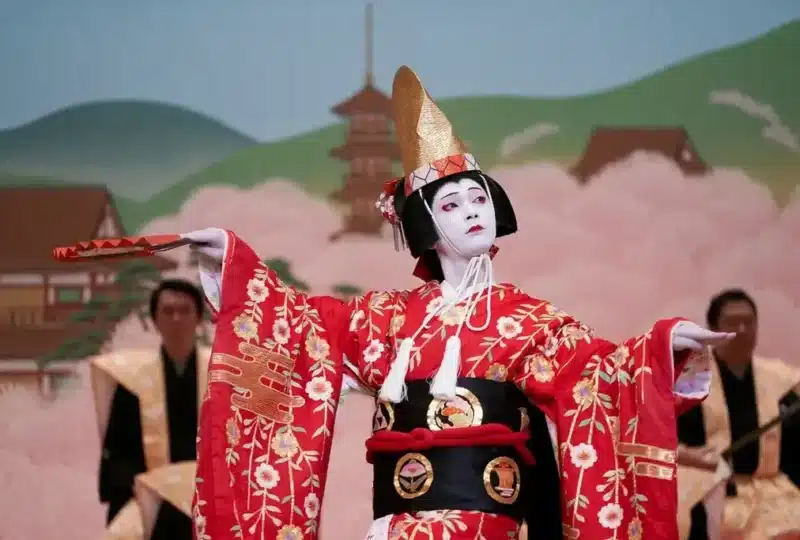
Tokyo: Behind the Scenes with an Onnagata at the Kabuki-za
Tokyo's Theater of Transformation Kabuki has been performed in Japan for more than 400 years, and for most of that time, every role has been played by men. The actors who specialize in female roles are known as onnagata. Their art is not imitation. An onnagata aims to express an ideal of femininity through movement, voice, and stillness, and the greatest of them are among the most admired performers in the country.
Discover more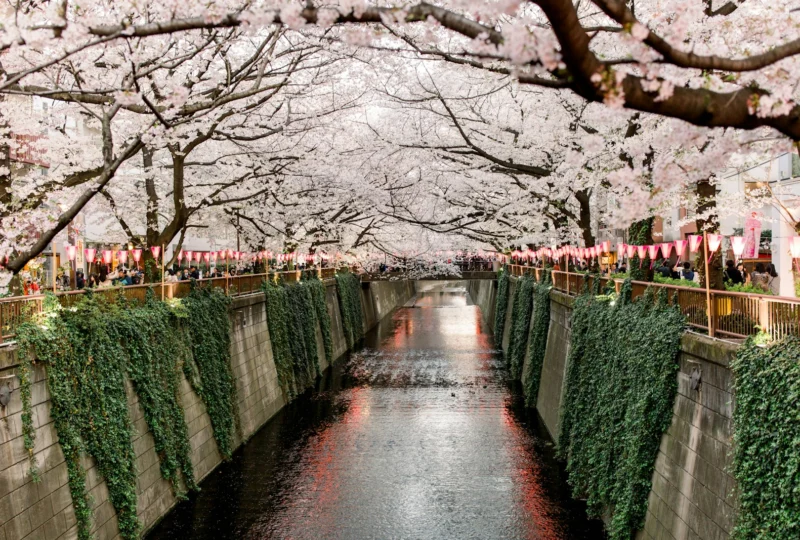
A Private Cherry Blossom Picnic at Dawn in Shinjuku Gyoen, Tokyo
A Thousand Years of Flower Viewing Hanami, "flower viewing", is among Japan's oldest and best-loved customs, born of a long attentiveness to the seasons and to verse. Its origins lie in the Heian era (794–1185), when nobles gathered under the cherry trees to write verse and admire the blossoms' brief beauty, and over time it spread across every class and city to become a spring ritual for almost everyone.
Discover more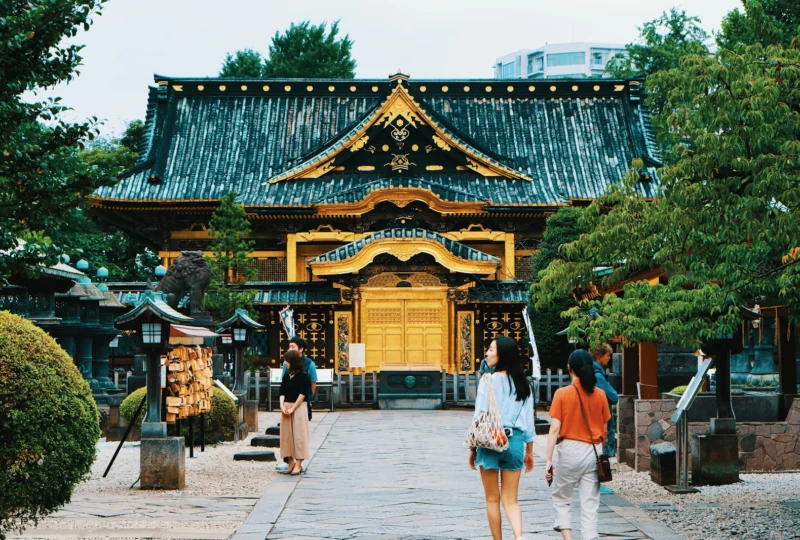
The Tokyo National Museum on a Private Guided Tour
A Calm Start in Ueno Ueno Park is one of Tokyo's busiest cultural quarters, yet early in the day the walk up to the Tokyo National Museum feels surprisingly calm. The main building rises above the trees with quiet authority, its Imperial Crown style from an era when Japan was blending new architectural ideas with its own traditions.
Discover more
We plant trees for every booking
For every booking made with Out Of Office we commit to planting trees in your name to help reduce the impact of travel on future generations. You'll even get a link to see where your trees are planted in the world via our partner Ecologi.


We donate to Rainbow Railroad with every booking
Rainbow Railroad helps LGBTQ+ people escape state-sponsored violence and persecution. A donation goes with every trip we sell, funded by us and never added to your price.


Start Planning Your Trip
Tell us where you would love to go, when you are thinking of traveling and what kind of trip you have in mind. One of our LGBTQ+ travel specialists will create a tailor-made itinerary designed around your destination, style and preferences.
One named specialist, first inquiry to homecoming. No call center, and nothing is charged until you decide to book.