




Editorials
France for Repeat Visitors: What to Do After Paris
France has a lot more to offer LGBTQ+ travelers than its most famous city. Here is where to go when you are ready to find out.
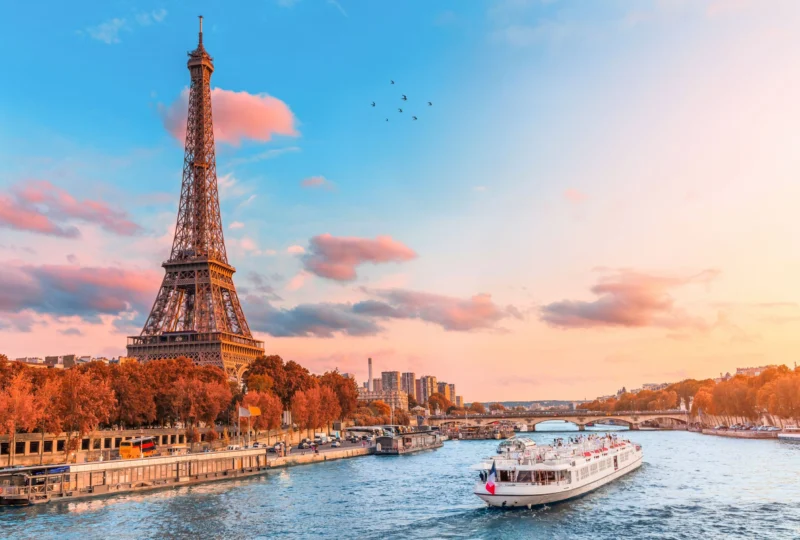
France is the most visited country in the world for a reason. Visitors who experience France once tend to come back. Although you could spend a lifetime exploring Paris, there’s much to see beyond the City of Lights
For LGBTQ+ travelers in particular, there is a strong case for looking beyond the Marais on a return visit. The welcome is consistent across much of the country, the infrastructure is excellent, and the destinations that fly under the radar tend to offer better value and a more relaxed pace than the capital.
Here is where to go after Paris.
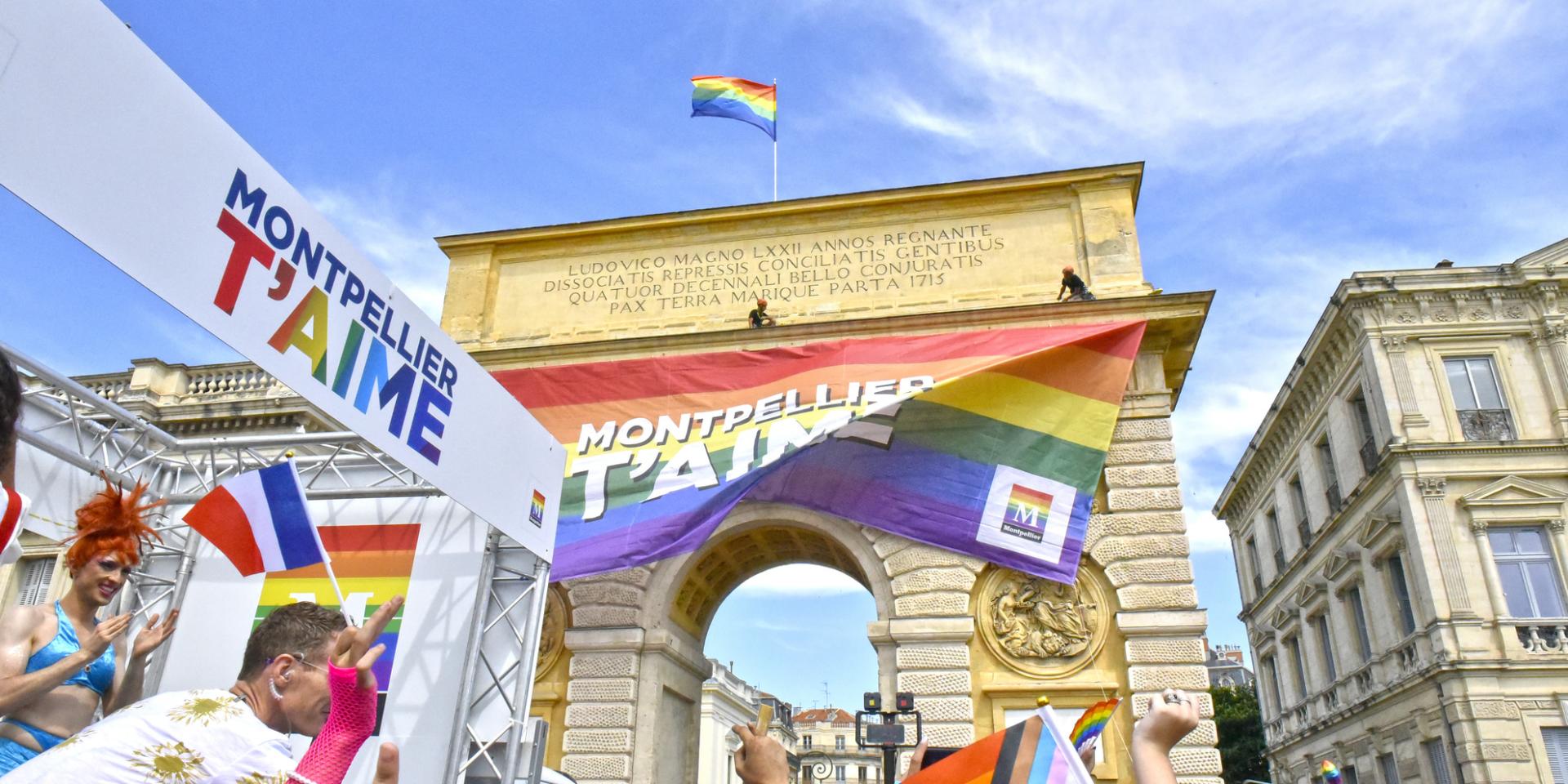
Montpellier
Montpellier makes a strong claim to being the most LGBTQ+ friendly city in France outside Paris. The population skews young, the university gives the city a progressive, open energy, and the gay scene around the Place de la Comedie is worth exploring.
What the city’s reputation for nightlife sometimes overshadows is how much it has going on culturally. Montpellier is one of the oldest university cities in Europe, founded in 1289, and the medieval heart of the city, known as the Ecusson, is a dense grid of narrow streets, Gothic mansions, and small squares that reward an afternoon of aimless walking.
The Musee Fabre holds one of the most significant fine art collections in the south of France, with a permanent collection that spans Flemish masters through to Courbet and Bazille, the latter a Montpellier native. The Place de la Comedie anchors the city socially and architecturally, a vast oval square that connects the old town to the newer districts and functions as the gathering point for the city at most hours of the day.
The city also happens to sit within easy reach of the Languedoc coast, some of the most underrated wine country in France, and the medieval city of Carcassonne an hour to the west. It works well as a base for several days rather than a single overnight stop.
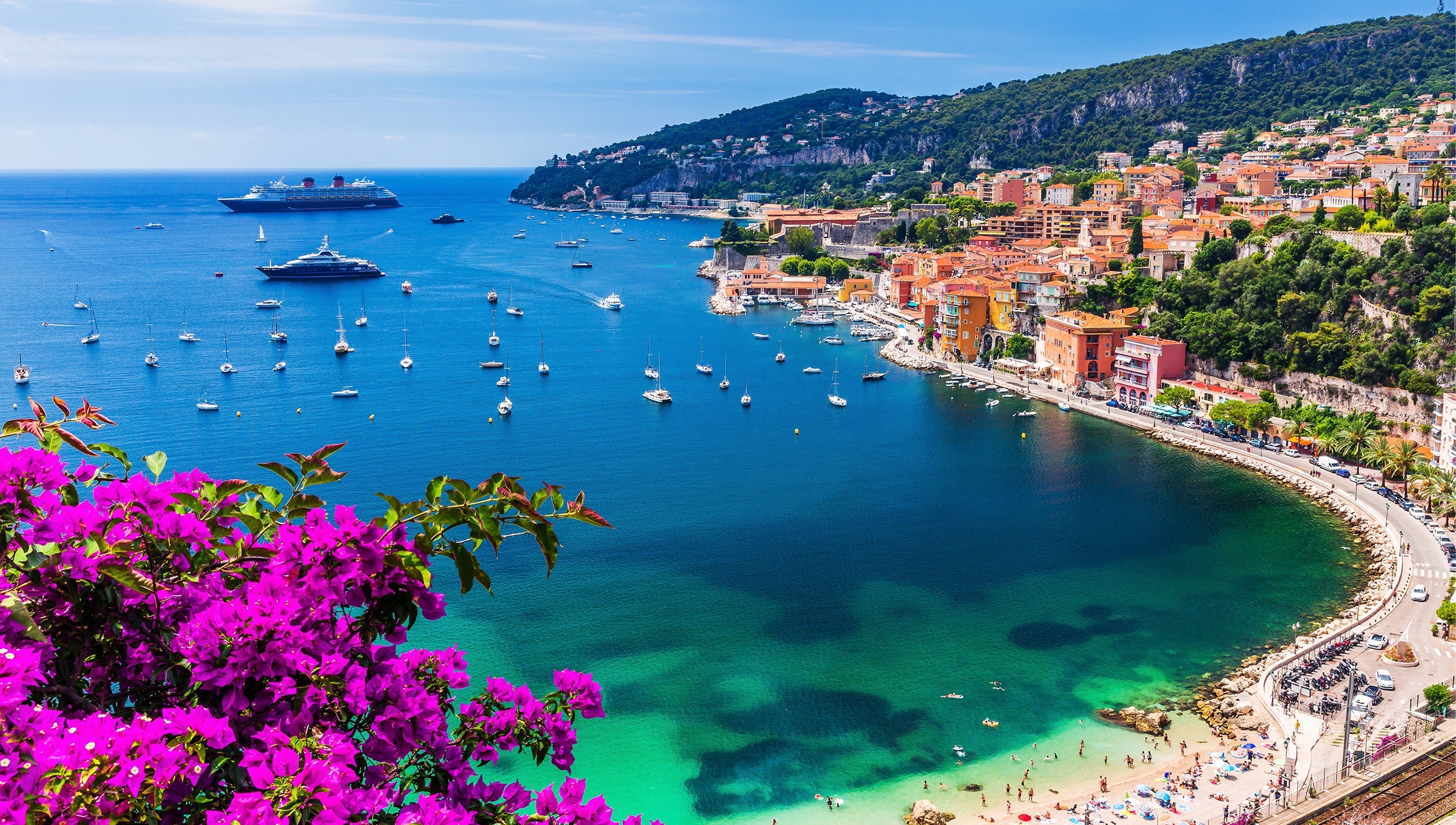
The French Riviera
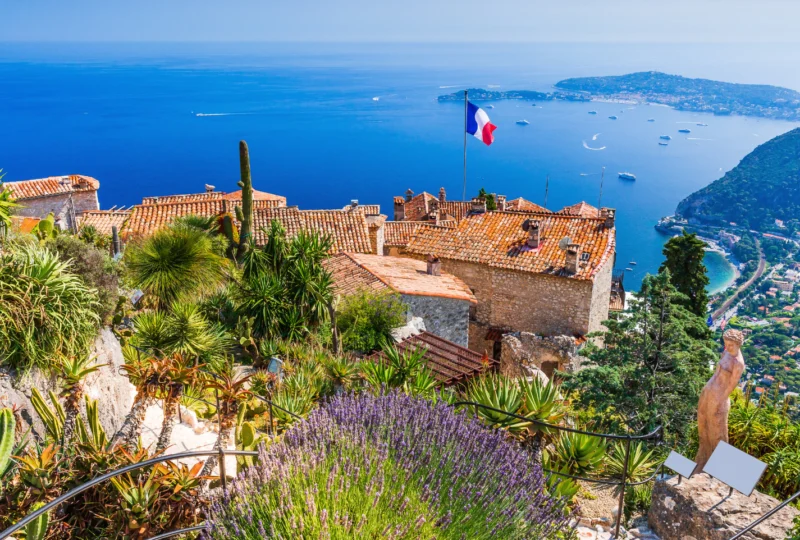
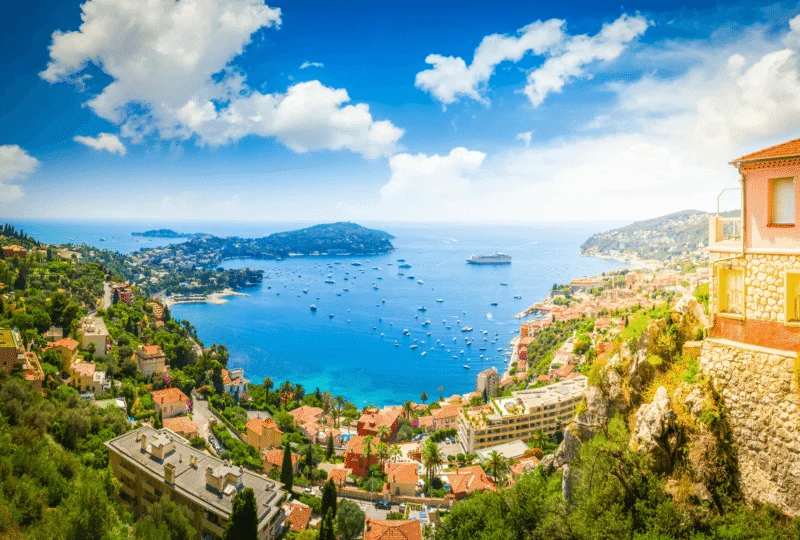
The French Riviera has been drawing LGBTQ+ travelers for well over a century, and the welcome along this stretch of coast has always been consistent. Nice, Cannes, and St. Tropez each have their own character and their own reasons to linger, and the coast between them rewards considerably more than a week on a sun lounger.
Nice is the most substantial city on the Riviera and the one that repays the most time. The gay quarter sits around the Rue Rossetti in the old town, a neighborhood of Baroque churches, ochre facades, and covered arcades that feels more Italian than French, which makes sense given that Nice only became part of France in 1860.
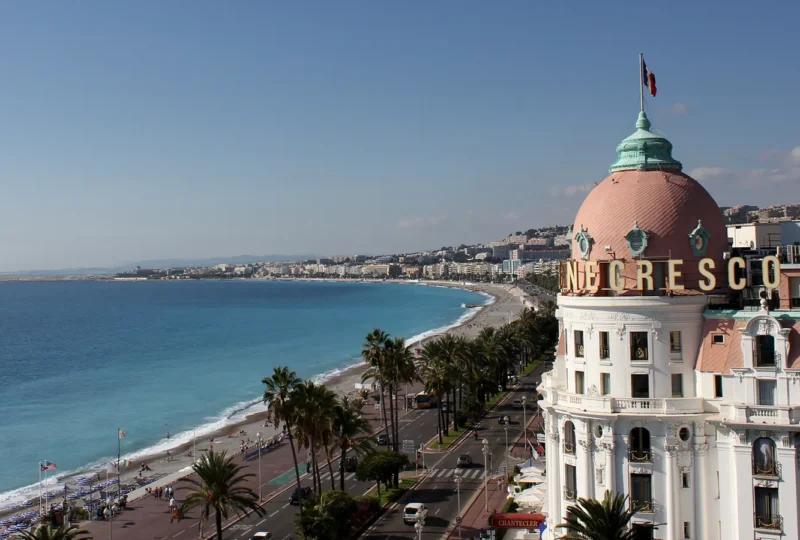
The Cours Saleya market runs along the edge of the old town every morning except Monday and is one of the best food markets in the country: flowers, olives, socca fresh from the wood-fired pan, and the kind of produce that reminds you why Nicoise cooking is a distinct tradition rather than a regional variation. The Musee Matisse sits on a hill above the city in a seventeenth-century Genoese villa and holds the most complete collection of the artist’s work anywhere in the world. The new Musee National Marc Chagall nearby is worth the same afternoon. For hotels, the Negresco on the Promenade des Anglais is the historic choice, a Belle Epoque palace that has been welcoming a notably unconventional guest list since 1913.
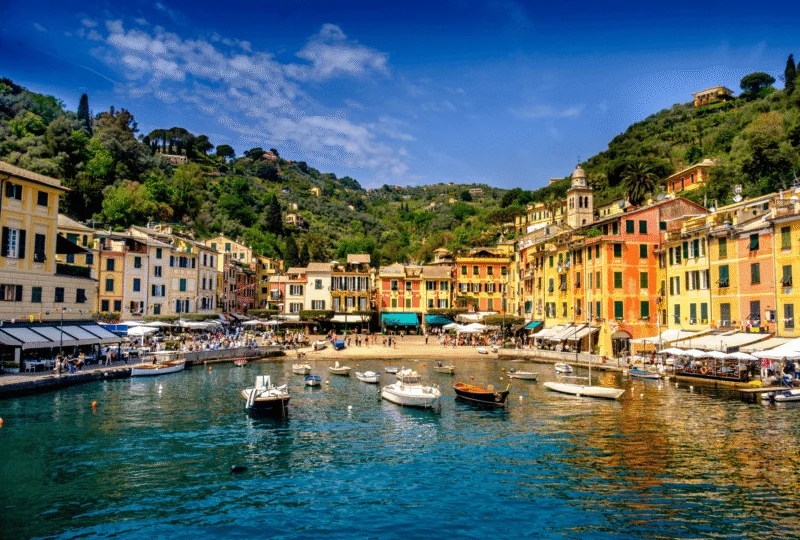
Cannes is smaller, glossier, and more focused on the waterfront than Nice. Outside festival season it operates at a pace that suits a few relaxed nights rather than a longer base, but the Croisette promenade, the covered Marche Forville, and the short boat trip to the Iles de Lerins make it worth including in a longer Riviera itinerary.
St. Tropez draws a strong LGBTQ+ crowd through the summer, particularly around the Pampelonne beach clubs south of the town, and the atmosphere in late June and July is unlike anywhere else on the Mediterranean.
The old port retains its fishing village bones beneath the glamour, and the Musee de l’Annonciade, housed in a converted chapel on the waterfront, holds an outstanding collection of Post-Impressionist and Fauvist work including pieces by Signac, who first brought artists to the town in the 1890s. September is the best month to visit: the water is at its warmest, the crowds have thinned, and the town returns to something closer to itself.

Your personal travel specialist, from the first conversation to the flight home.
Request a quote →Bordeaux
Bordeaux is one of the great French cities and one of the most underestimated by travelers who associate it primarily with wine. The UNESCO-listed center is built almost entirely in pale eighteenth-century limestone, and the sweep of classical architecture along the Garonne waterfront is among the most impressive urban streetscapes in the country.
The food scene has moved well beyond the classic Bordelaise formula: a new generation of chefs is working with the region’s exceptional produce in ways that have put the city on the same conversation as Lyon.
The gay scene around the Rue du Canderas is welcoming and well established, and the city’s overall atmosphere is open and relaxed in a way that reflects its long history as a port connected to the wider world. Saint Emilion is forty minutes away for a day among the vineyards, and the Arcachon Bay to the west, with its oyster beds and the vast dune at Pilat, adds a coastal dimension that most visitors don’t expect from an inland city. Fly into Bordeaux rather than Paris and use it as a base for exploring southwest France at a pace the capital never quite allows.
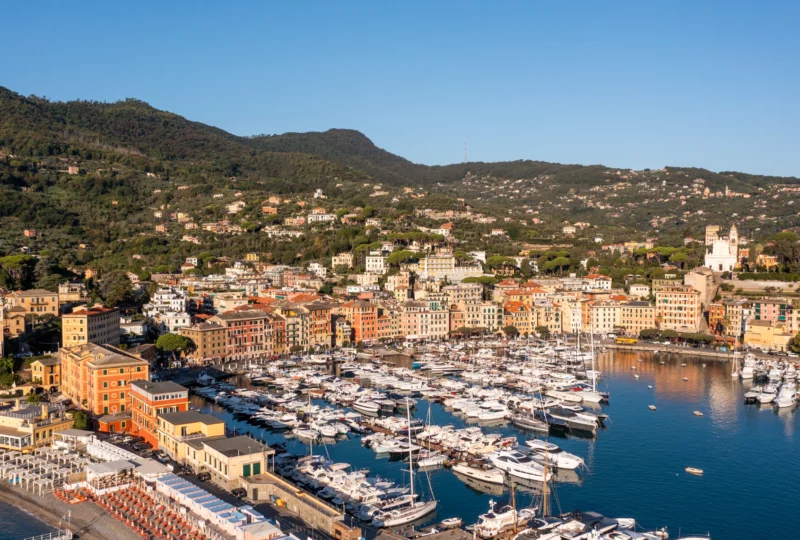
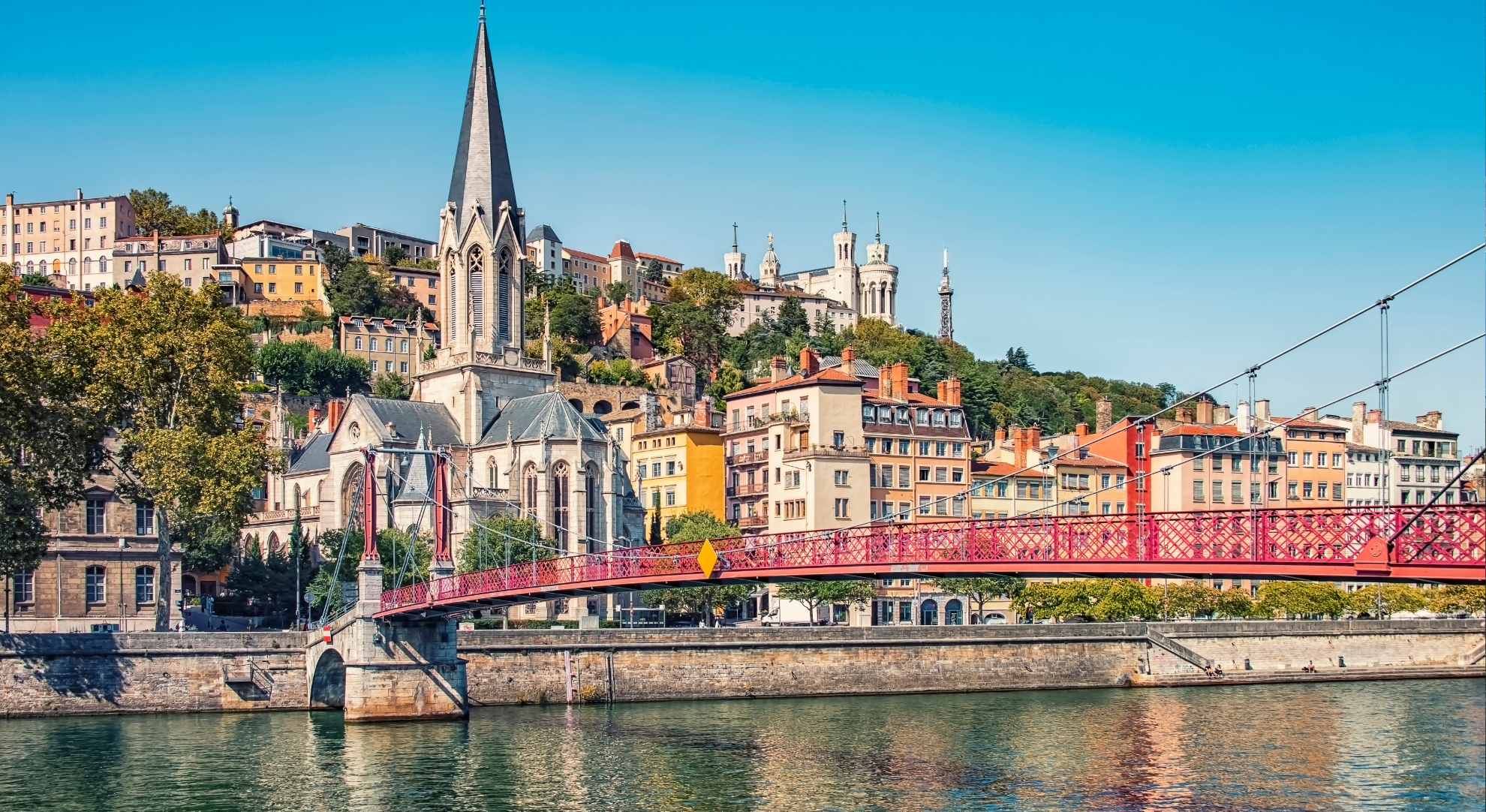
Lyon
Lyon earns its reputation as the food capital of France at every level, from the traditional bouchons serving quenelles and andouillette to the newer generation of bistros doing more contemporary work with the same exceptional regional ingredients. Paul Bocuse built his empire here and the city has never stopped taking food seriously, but the more interesting story now is the younger chefs working out of smaller rooms with shorter menus and a point of view that feels very current.
The LGBTQ+ scene is lower profile than Paris or Montpellier but the city is open and welcoming, and the Centre LGBTQ+ de Lyon is an active community hub worth knowing about if you want to connect with the local scene. Beyond the food, Lyon rewards proper exploration.
The old town, a UNESCO World Heritage site, is a dense Renaissance quarter of ochre and amber buildings connected by traboules, covered passageways that run between the streets and open unexpectedly into quiet courtyards. The Fourviere hill above the city holds a Roman amphitheater still used for summer concerts, and the Musee des Beaux Arts on the Place des Terreaux is one of the finest art museums in France outside Paris. Lyon is the kind of city that most visitors leave wishing they had stayed longer.
Alsace
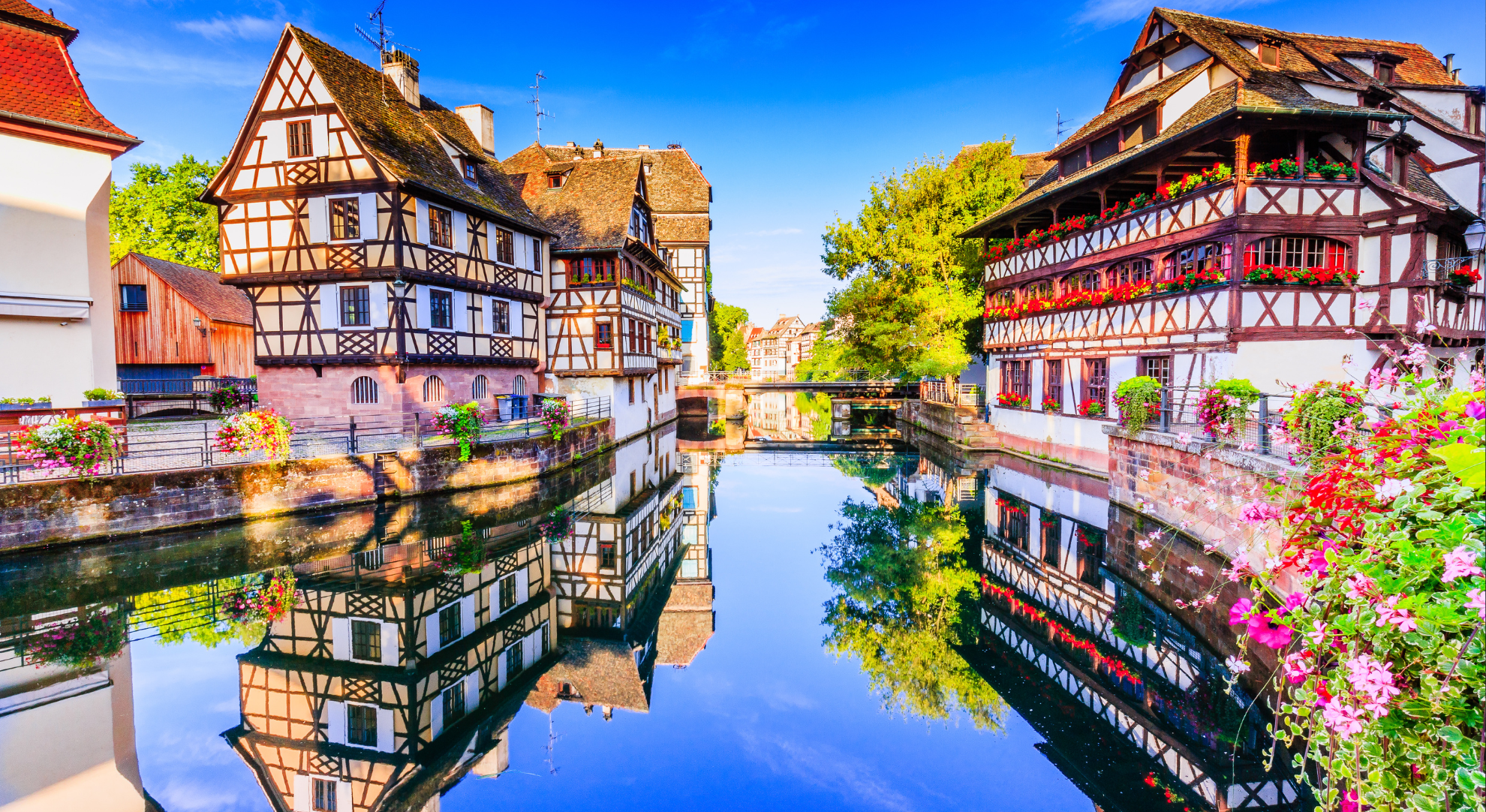
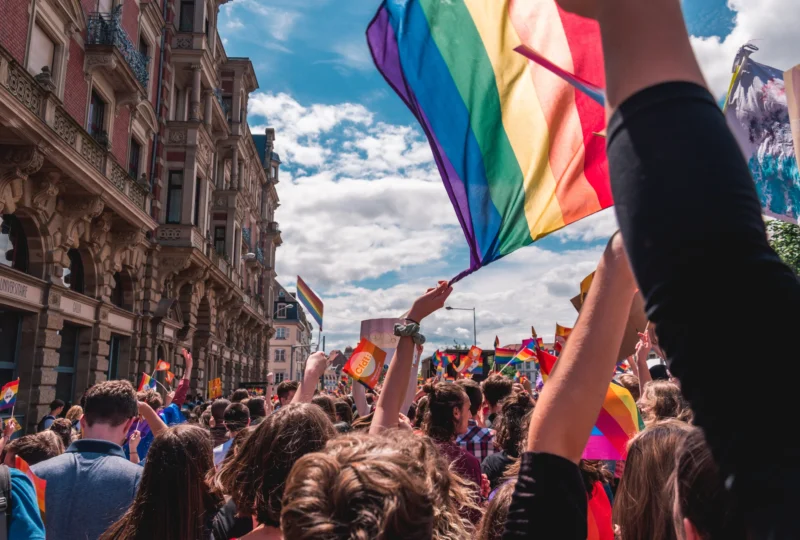
Alsace is the wild card on this list and the one most likely to surprise a repeat visitor to France. The region sits on the border with Germany and feels unlike anywhere else in the country: half-timbered houses in colors that seem improbable until you see them in person, Riesling and Pinot Gris from some of the most distinctive terroir in Europe, and a cultural identity shaped by centuries of sitting between two nations.
The food reflects that dual heritage in ways that are more interesting than the sum of their parts: choucroute, tarte flambee, and baeckeoffe sit alongside a wine culture that rewards as much attention as Burgundy or Bordeaux at a fraction of the price. Strasbourg anchors the region with a medieval cathedral that took three centuries to build, a well-preserved old town on an island between two arms of the Ill river, and a food and bar scene that benefits from being a European capital in everything but name.
The wine route south through Colmar and the smaller villages of Eguisheim and Ribeauville is one of the most beautiful drives in France and best done in autumn when the vines are turning gold and the harvest crowds have thinned.
At Out Of Office, we plan LGBTQ+ travel across France and beyond, from a week on the Riviera to a longer journey through the regions most travelers never reach. Tell us where you want to go and we will take it from there.
New to Out Of Office?
We are a luxury travel company for LGBTQ+ travelers. Everything we sell is tailor-made, planned by one named member of our team throughout, and nothing on this site is a fixed package unless it says so.
Where exclusivity meets inclusivity
Ten years, hundreds of five-star reviews, and a team who will tell you when a destination is not right for the trip you have in mind.
Tell us how you like to travel. We will shape the trip around it.
How long you want to be away, how much you want to move, and what you would rather leave out entirely.
Stellar service. Stellar products. Stellar people and it gets so much better when you pick up the phone and call.
Anthony S.
Super client centred service. From first contact I have had warm, efficient, friendly and flexible service.
John
I’m confident in giving Out Of Office a 5-star review! They are one of the leaders in this space without a doubt.
Tiberiu
We plant trees for every booking
For every booking made with Out Of Office we commit to planting trees in your name to help reduce the impact of travel on future generations. You'll even get a link to see where your trees are planted in the world via our partner Ecologi.

We donate to Rainbow Railroad with every booking
Rainbow Railroad helps LGBTQ+ people escape state-sponsored violence and persecution. A donation goes with every trip we sell, funded by us and never added to your price.

Start Planning Your Trip
Tell us where you would love to go, when you are thinking of traveling and what kind of trip you have in mind. One of our LGBTQ+ travel specialists will create a tailor-made itinerary designed around your destination, style and preferences.
One named specialist, first inquiry to homecoming. No call center, and nothing is charged until you decide to book.