Beyond the beer tents, Oktoberfest has a real LGBTQ+ tradition. Our guide to Gay Sunday, Rosa Wiesn, and how to experience it in style.
Oktoberfest is the world’s largest Volksfest, and in 2026 it runs from September 19 to October 4, drawing somewhere around seven million visitors to Munich’s Theresienwiese for two and a half weeks of beer, brass bands, and Bavarian tradition on a staggering scale.
What fewer people know is that it’s also home to one of Europe’s longest-running LGBTQ+ traditions hiding inside a much bigger festival, one that’s been building for more than forty years.
About Out Of Office
Out Of Office is a luxury tailor-made travel company with a focus on delivering exclusivity and inclusivity. Our passion for global adventure is matched only by our deep commitment to delivering exceptional five-star service.
Everything we do is customised and designed especially for you – our valued customer – based on your exact personal requirements. Each member of our team is widely travelled. This means you get access to first-rate travel insights and the best possible advice from our team of luxury travel experts.
| Enquire Now |
Where It All Started
Oktoberfest began in 1810 as a royal wedding celebration, when Crown Prince Ludwig, later King Ludwig I of Bavaria, married Princess Therese of Saxe-Hildburghausen. The public celebration on the fields outside Munich was such a hit that the city decided to repeat it the following year, and Theresienwiese, the festival grounds still used today, takes its name directly from the bride.
Two centuries on, the beer tents have gotten bigger and the fairground rides considerably faster, but the basic formula, huge tents, live brass bands, and a shared table with strangers, hasn’t changed much at all.
Gay Sunday and Rosa Wiesn
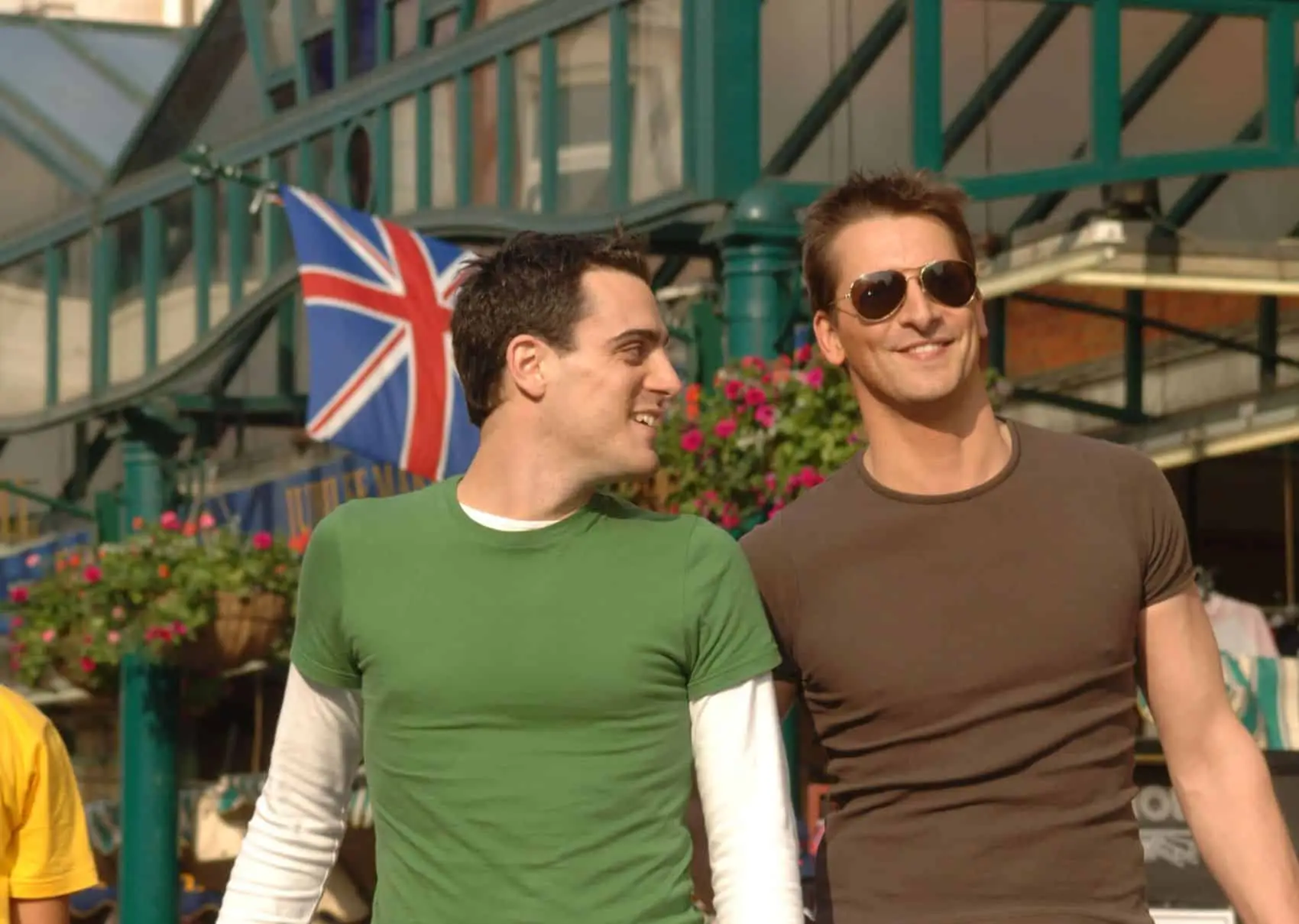
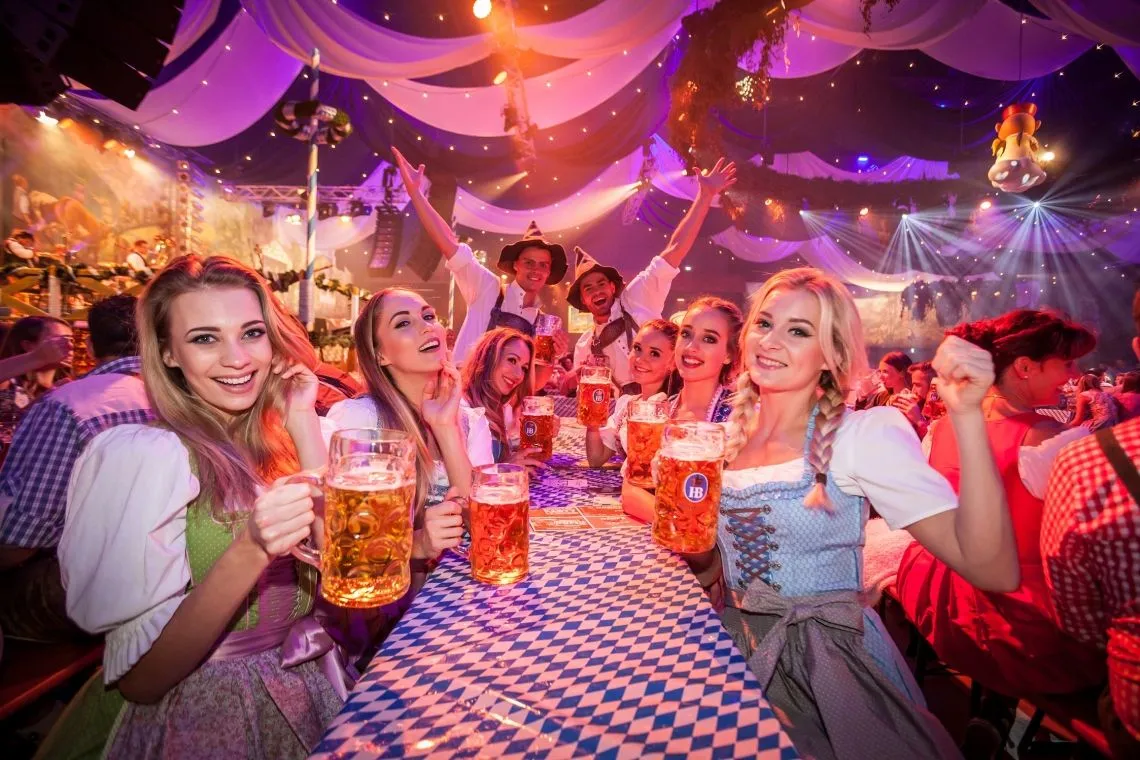
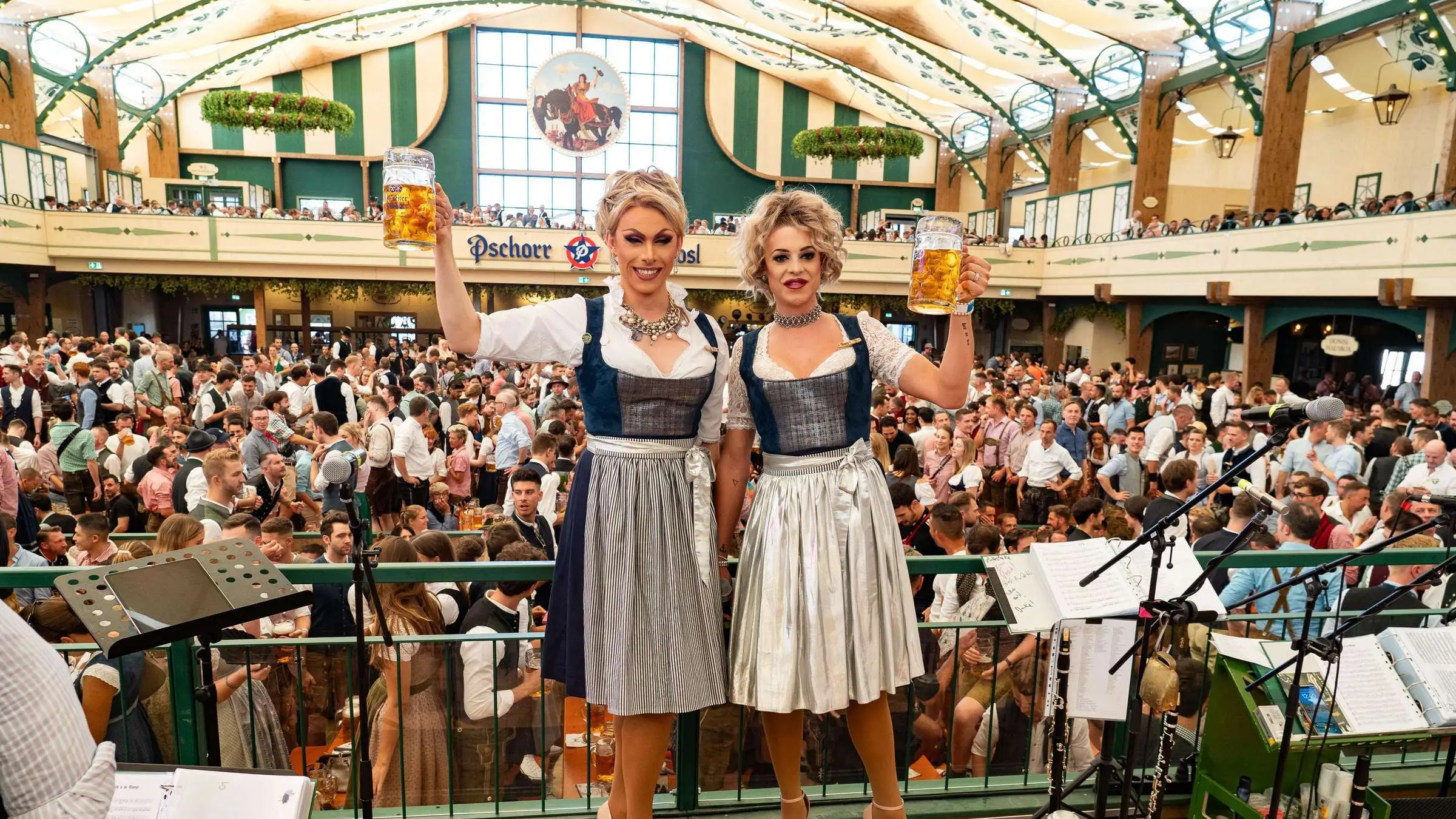
The Münchner Löwen Club, launched what’s now known as Gay Sunday, or Rosa Wiesn, more than forty years ago, and it’s become the de facto gay center of Oktoberfest. Every first Wiesn Sunday, the LGBTQ+ community fills the Bräurosl tent from 9am, a tradition now well established enough that the city itself has taken notice. In 2019, Munich hoisted rainbow flags at the festival entrance, with the city’s own Oktoberfest director pointing to the sight of same-sex couples holding hands and kissing in the tents as proof of how far the event’s live-and-let-live spirit actually extends.
The following Monday brings RoslMontag, a more relaxed, unofficial gathering in the same tent, and the festival’s second Monday hosts Prosecco-Wiesn in the Fischer-Vroni tent, a slightly more polished second wave of the same crowd. Altogether, these events pull in around 8,000 visitors a year, and most of them book their tables and hotels months in advance, so this isn’t something to plan on the fly.
How to Do It in Style
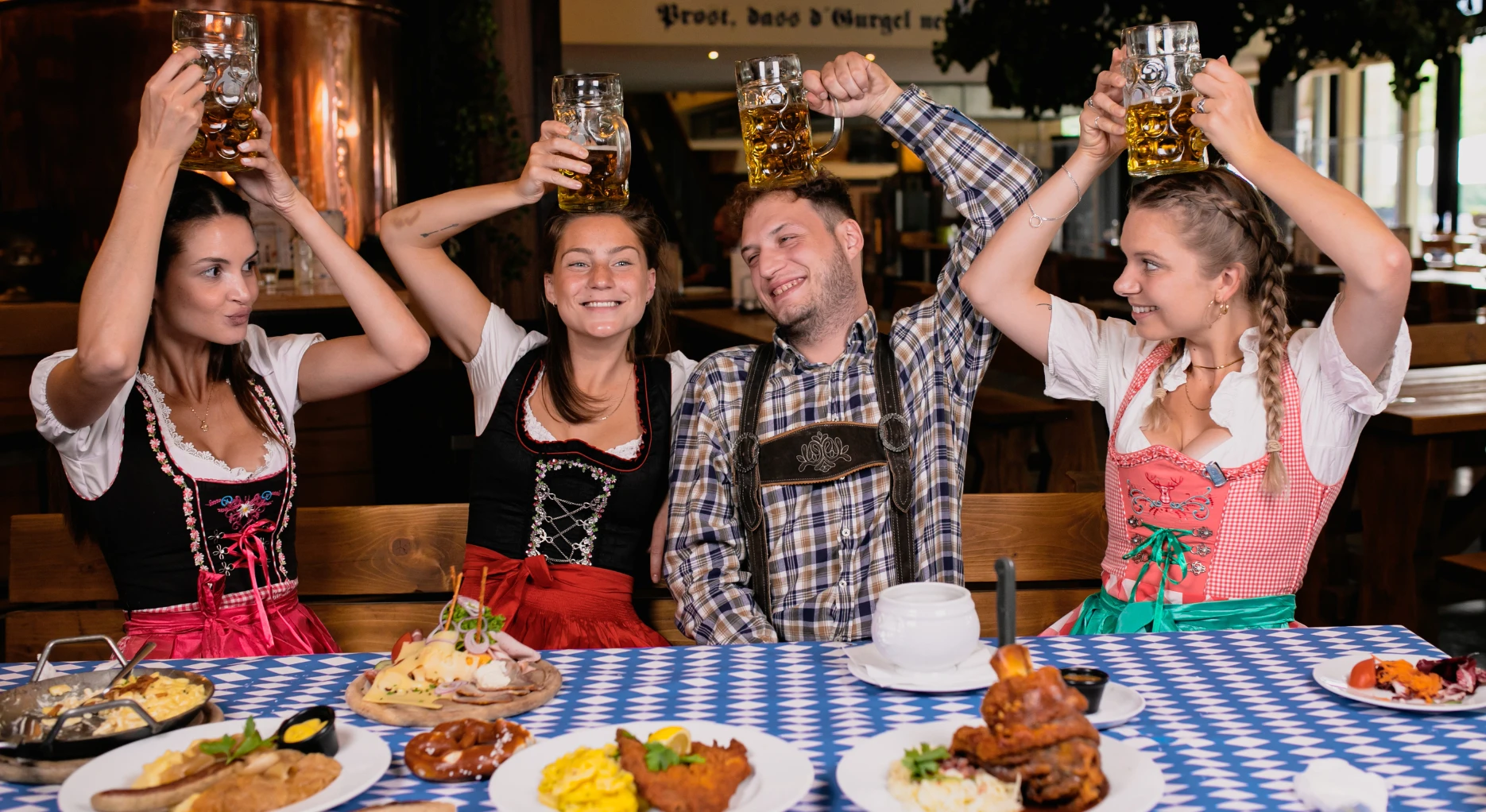
Oktoberfest rewards a bit of planning far more than it rewards showing up and hoping for the best. Reserved tables inside the Bräurosl tent for Gay Sunday need booking well ahead of the festival, and the same goes for hotels anywhere near the Theresienwiese, which sell out fast once dates are announced. Lederhosen and a dirndl aren’t optional costume pieces here, they’re what everyone wears, tourists included, and turning up in anything else marks you out immediately.
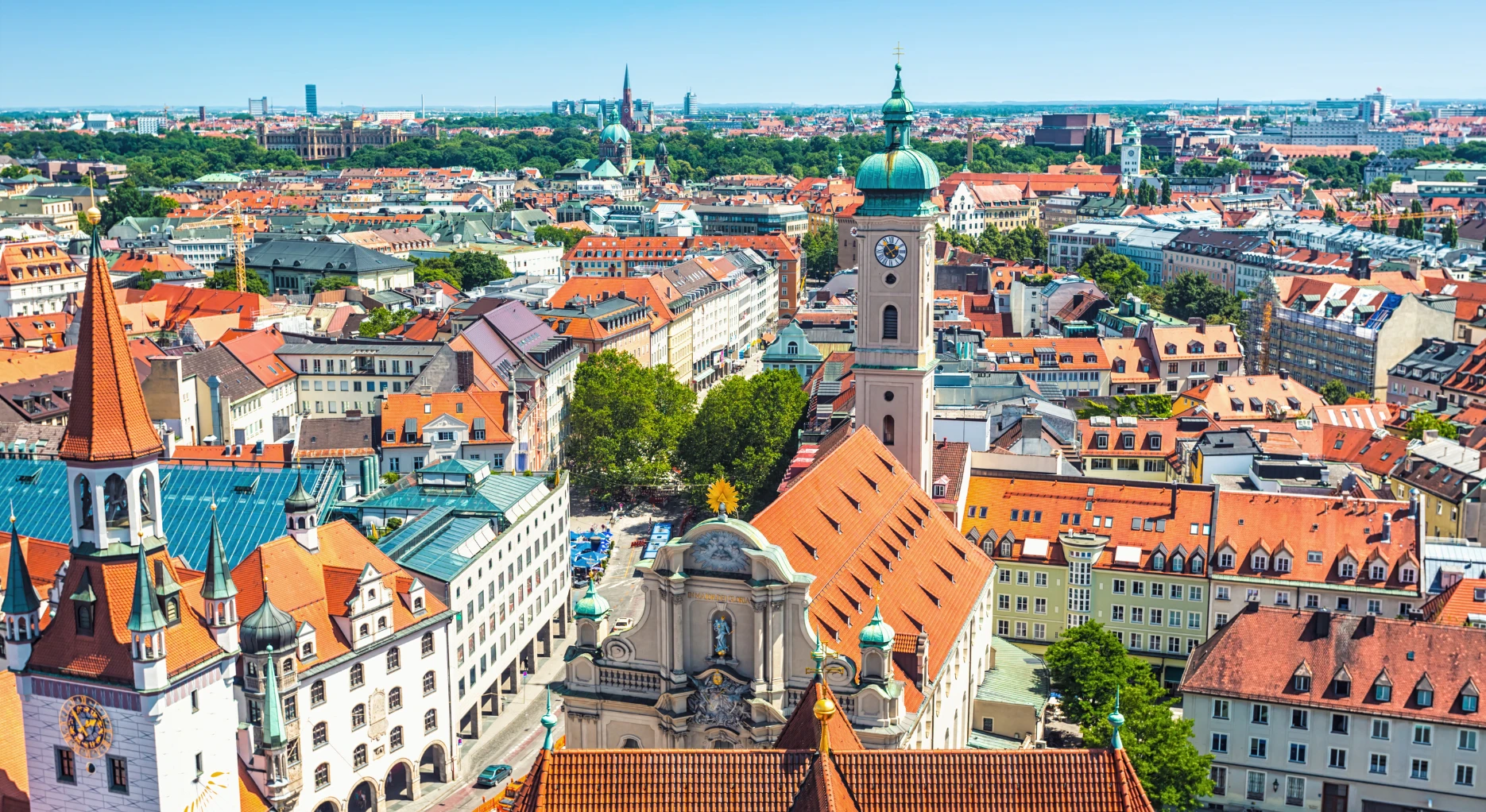
Beyond the tents themselves, Munich’s Glockenbachviertel neighborhood is worth building time around, both before the festival starts and in the evenings once the tents close, home to the city’s established gay bars and a completely different, more low-key side of Munich’s LGBTQ+ scene.
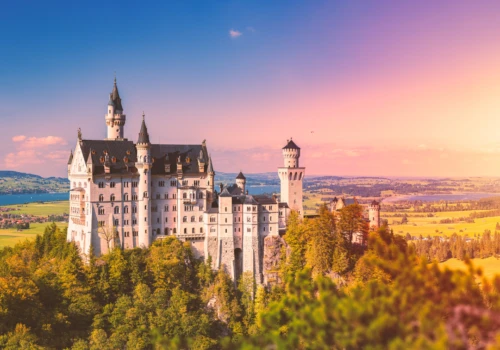
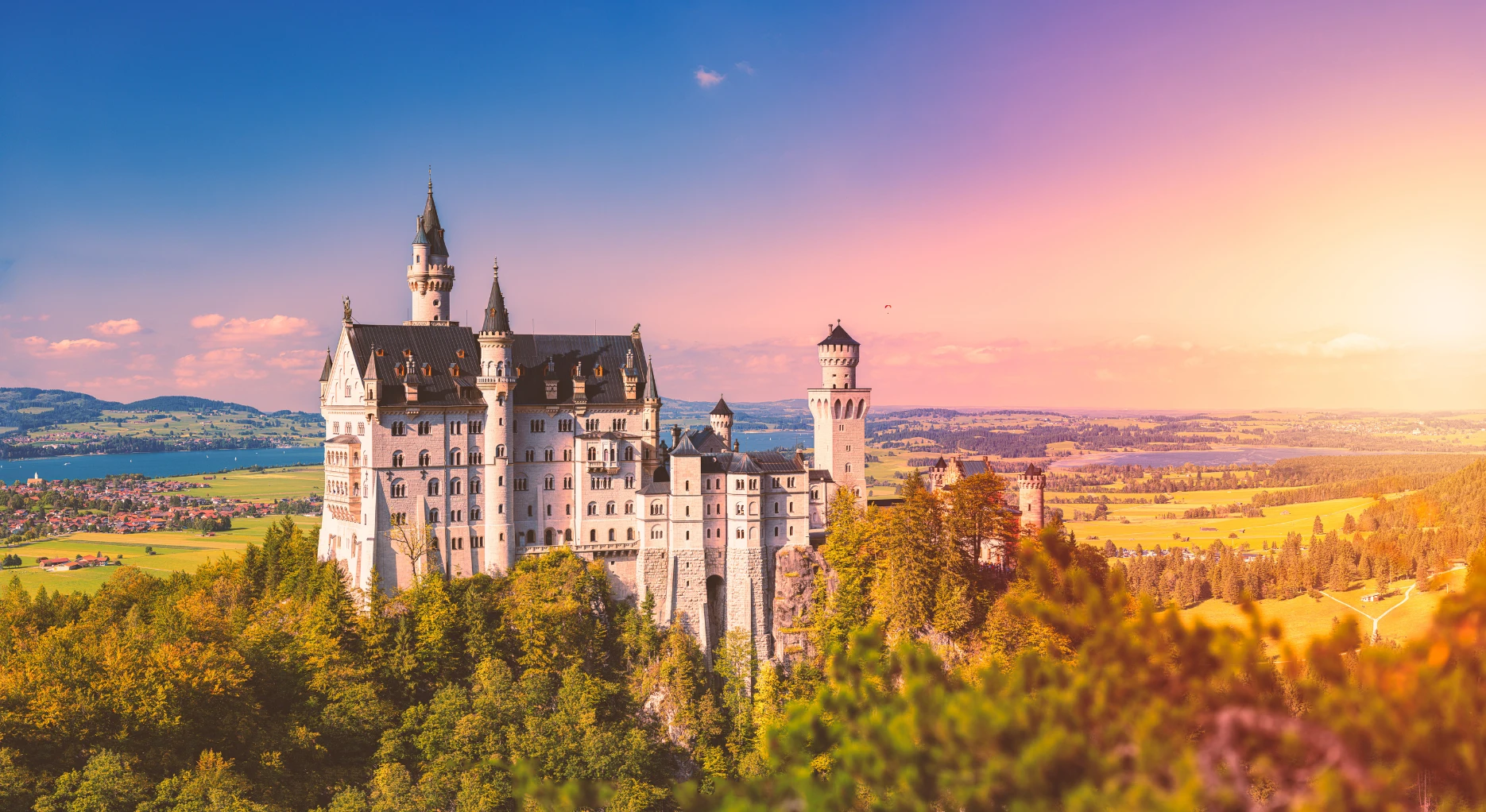
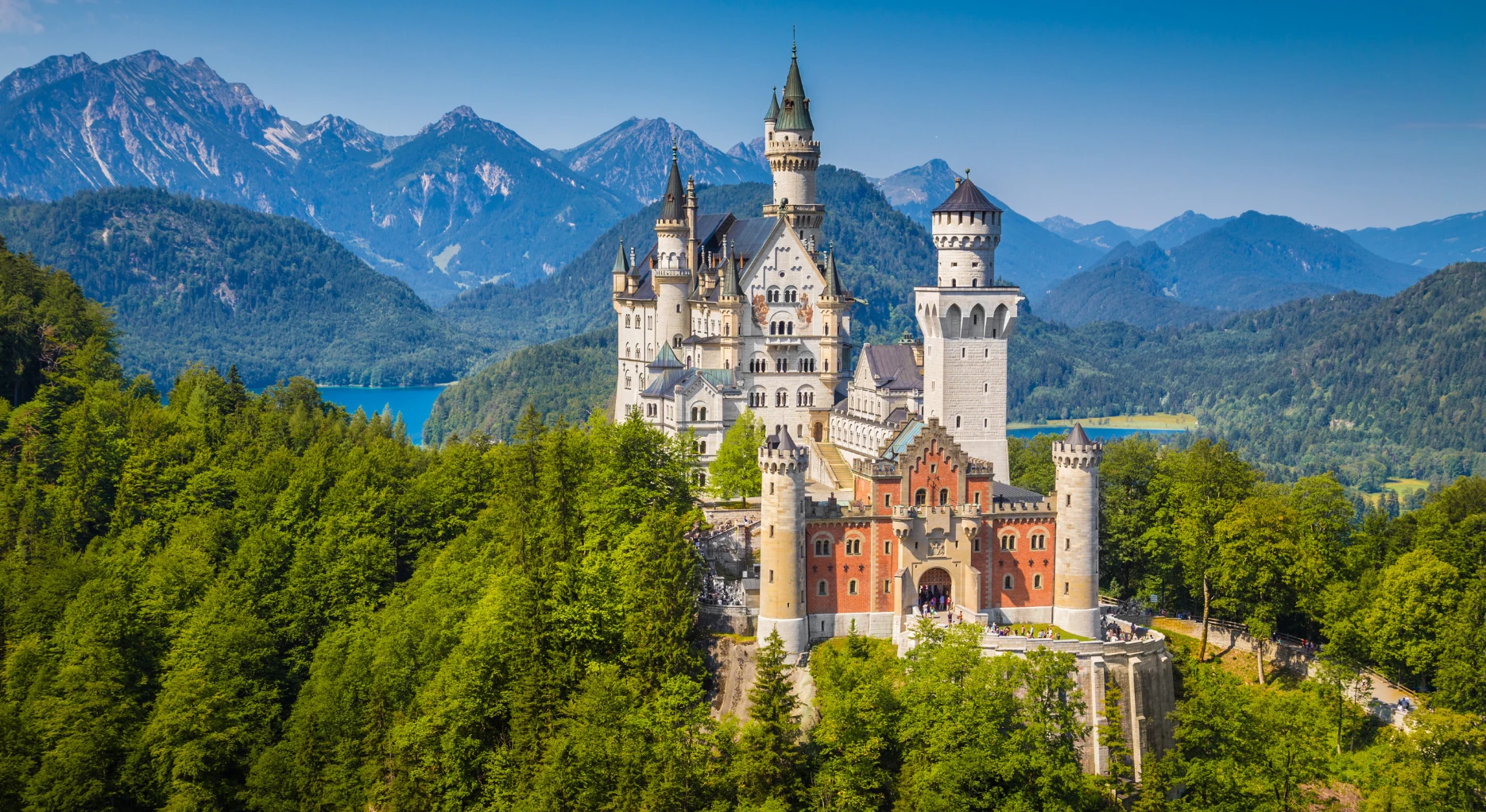
Did you know the Disney castle silhouette, the one every child recognizes before they can read, was never dreamed up in a studio at all? It came from a real castle in Bavaria, built by a king whose private life...We Suggest...
Disney’s German Roots: The Real Fairy Tale Trail
What to Combine It With
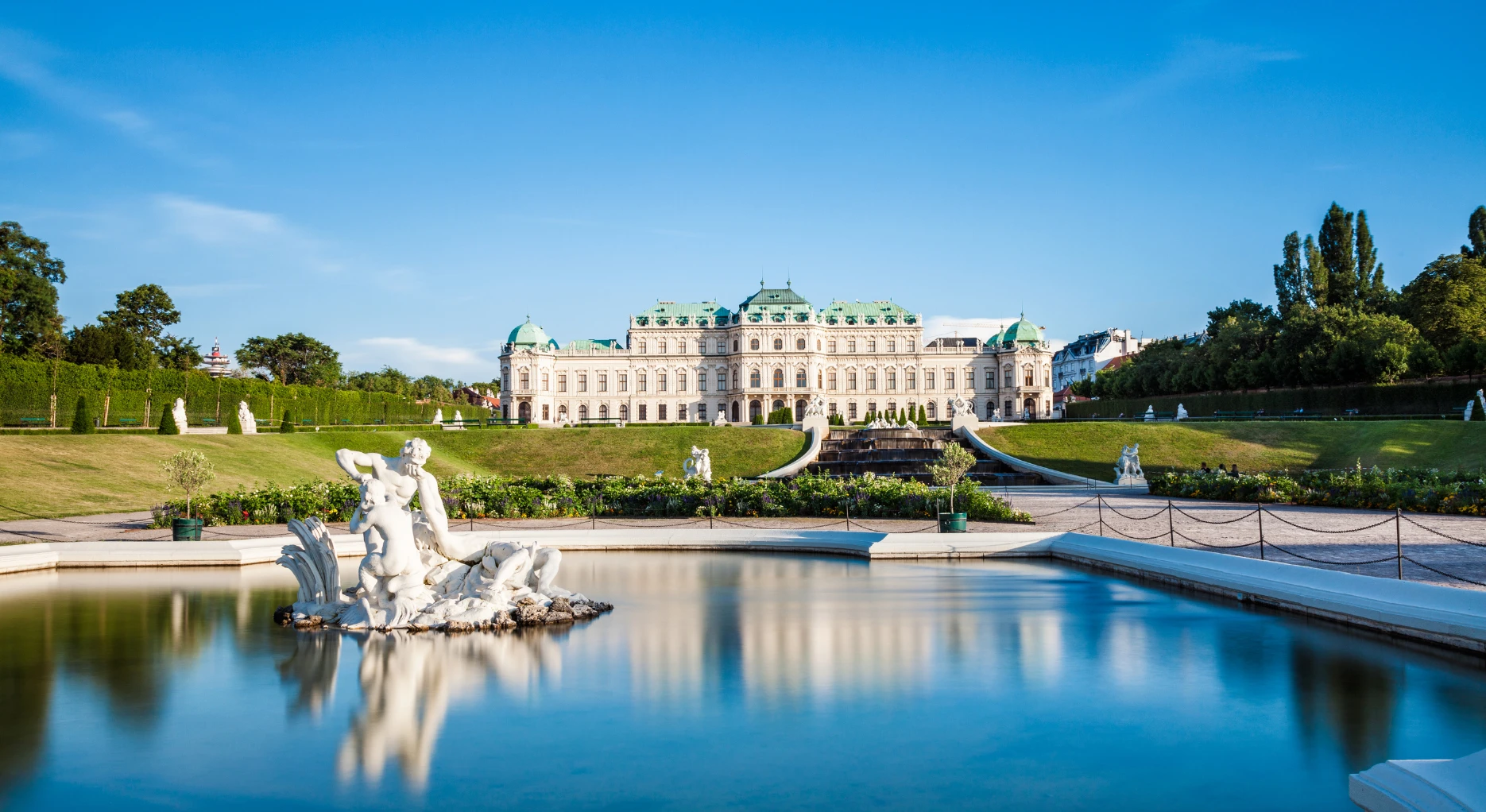
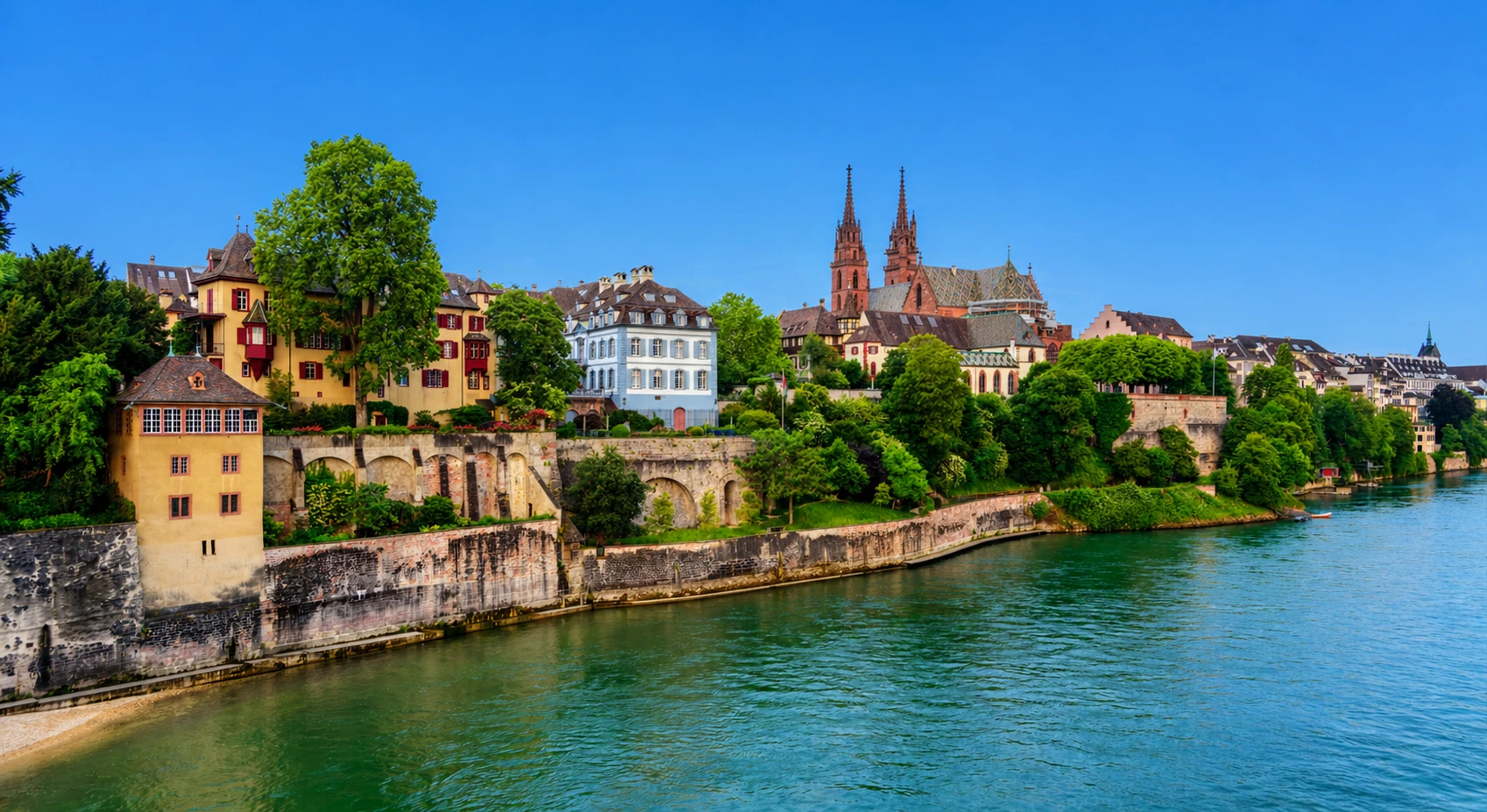
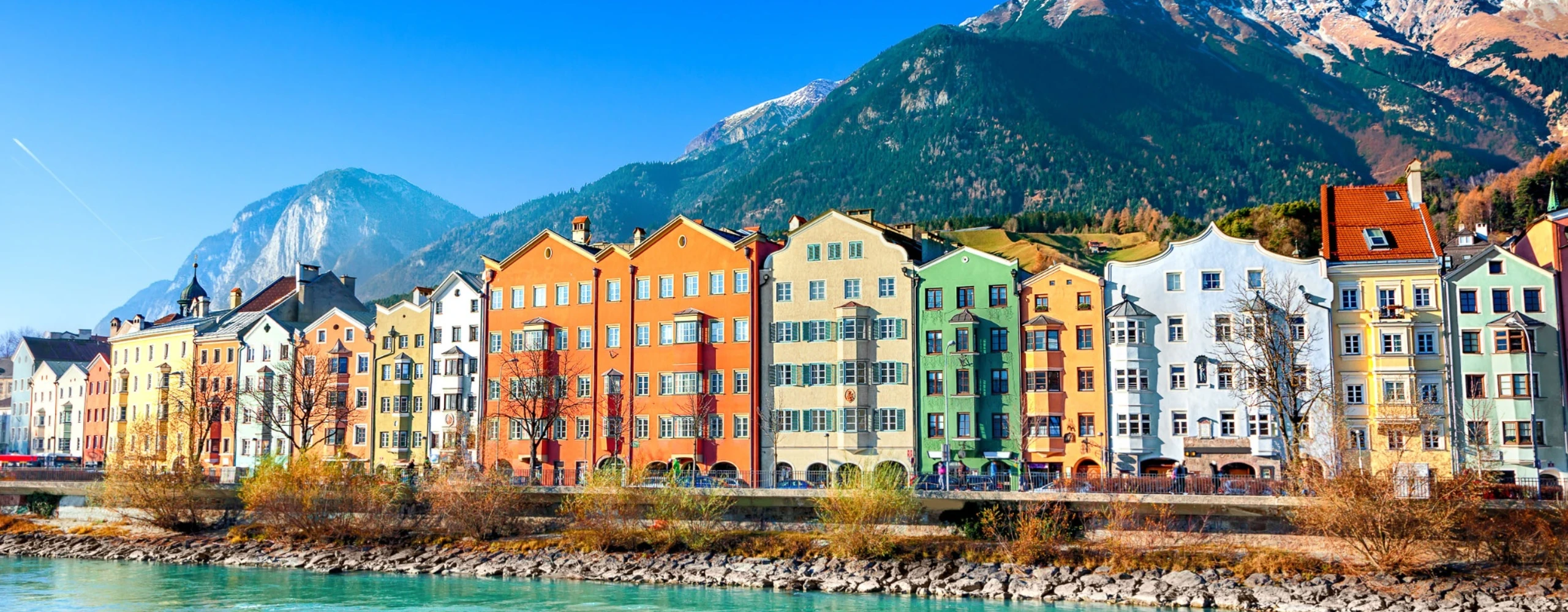
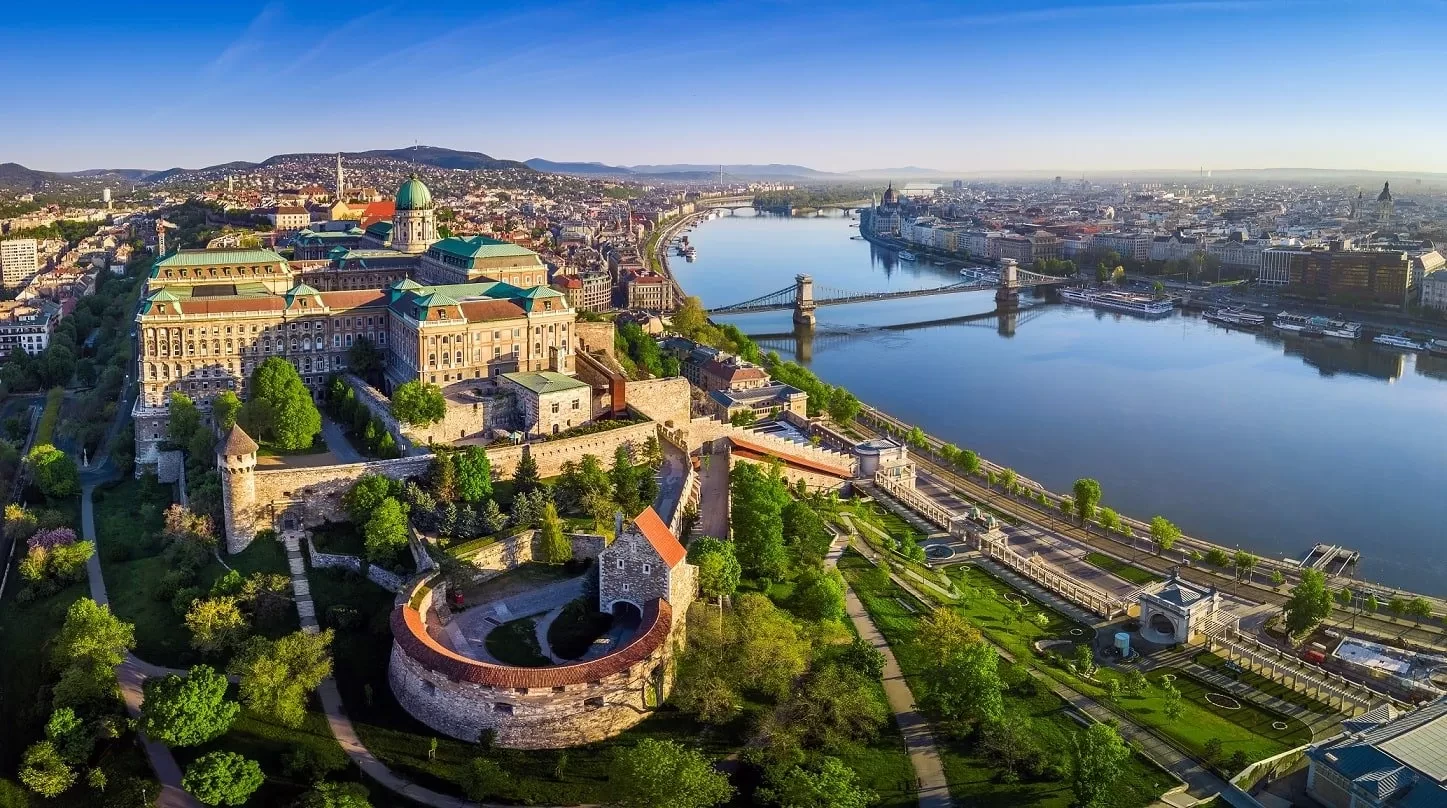
Munich’s location makes it an easy anchor for a longer trip through southern Germany and the Alps. Salzburg sits under two hours away by train, giving you Mozart’s birthplace and a genuinely stunning old town as a quieter follow-up to the festival’s noise. Innsbruck, similarly close, adds mountain scenery and a completely different pace. For something further afield, Vienna is roughly four hours by train and pairs beautifully with Munich for a two-city trip through the heart of German-speaking Europe, while Zurich offers a shorter, equally scenic route into Switzerland.
Speak to our LGBTQ+ travel experts to build an Oktoberfest itinerary around Gay Sunday, including the right tent reservations, boutique hotels, and onward stops in Austria or Switzerland to round out the trip.