


Editorials
Safari for Gay Senior Travelers: What to Know Before You Go
Discover the best safari experiences for gay senior travelers, from luxury Kruger lodges and malaria-free safaris to Cape Town, the Winelands, and expert travel tips.
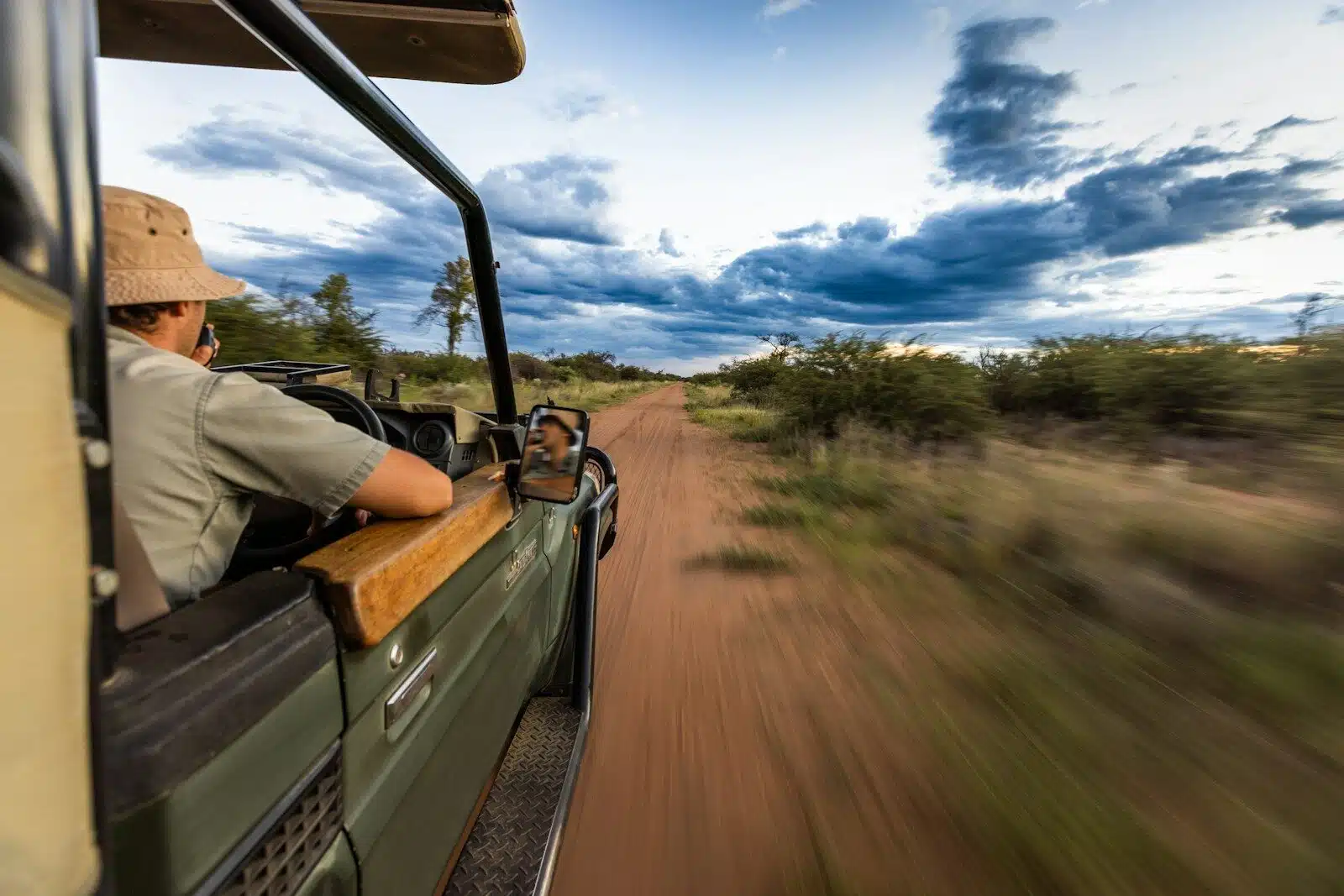
There is something about safari that still feels wonderfully cinematic. The first coffee before sunrise. The low rumble of a 4×4 heading out into the bush. The sudden stillness when a leopard appears between the trees. Then, back at the lodge, a long lunch, a swim, perhaps a massage, and sundowners as the light begins to fade.
For gay senior travelers, safari can be every bit as luxurious, comfortable, and effortless as a beach resort or European city break — provided the trip is planned around the right destination, lodge, and pace.
South Africa is often the most natural place to begin. It combines some of Africa’s most rewarding wildlife experiences with excellent hotels, straightforward logistics, luxury travel infrastructure, and destinations such as Cape Town and the Winelands that are particularly well suited to LGBTQ+ travelers.
The key is not trying to see everything. It is choosing the right safari for you.
Why South Africa Works So Well for Gay Senior Travelers
South Africa offers one of the easiest introductions to safari, particularly for travelers who want wildlife without sacrificing comfort.
The country has an exceptional range of luxury lodges, excellent internal flight connections, world-class dining, and some of the continent’s most established safari regions. It also makes it easy to combine time in the bush with Cape Town, the Cape Winelands, or a few slower days by the coast.
For LGBTQ+ travelers, that combination can feel reassuring. Cape Town in particular has a visible gay scene, world-class restaurants, stylish hotels, and the kind of cosmopolitan atmosphere that makes it an easy place to settle into at the beginning or end of a trip.
Kruger Is Huge, but It Does Not Have to Feel Overwhelming
Kruger National Park operates on an almost unimaginable scale. Covering close to 20,000 square kilometers, it is roughly the size of Wales, stretching for around 350 kilometers from north to south.
That scale is part of what makes it so extraordinary. This is not one single landscape, but a vast sweep of bushveld, river systems, open savanna, woodland, rocky outcrops, and wilderness. Different parts of the park feel entirely distinct, with wildlife moving through huge, unfenced ecosystems rather than contained safari areas.
For first-time visitors, that can sound daunting. In reality, you do not need to cover vast distances or attempt to see the entire park.
The most comfortable way to experience Kruger is often to stay in a carefully chosen private reserve or luxury lodge, where expert guides know the terrain intimately and game drives are planned around the wildlife rather than a checklist of destinations. Transfers, meals, drives, and the practical details are handled for you, allowing the sheer scale of Kruger to feel exciting rather than exhausting.
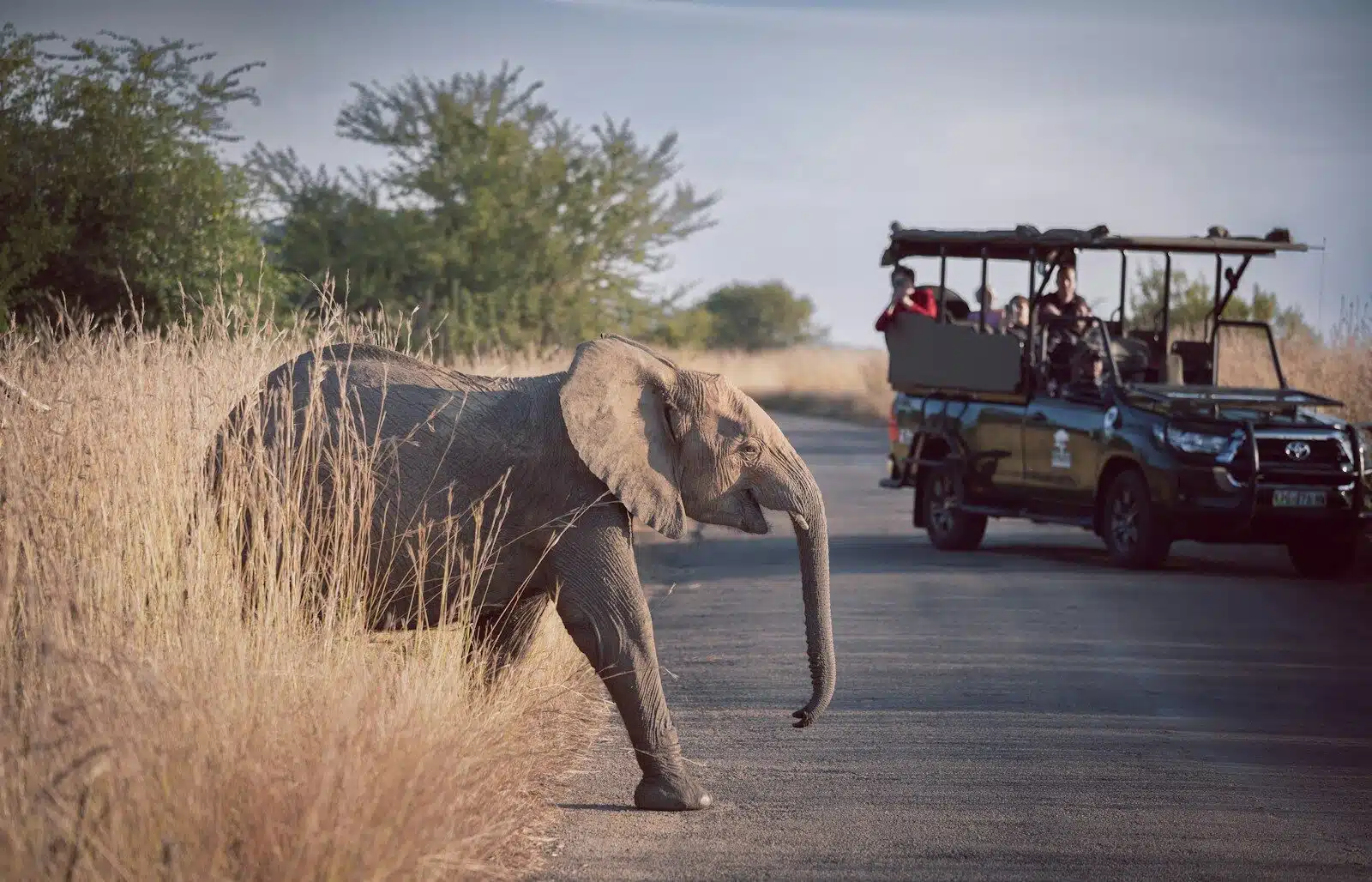
You can spend the morning tracking elephants along a riverbed, return to the same suite for lunch and a swim, then head out again in the late afternoon with a guide who already knows what you have seen and what you are hoping to find next.
For senior travelers in particular, that combination of enormous wilderness and highly personalized comfort is one of Kruger’s greatest strengths.
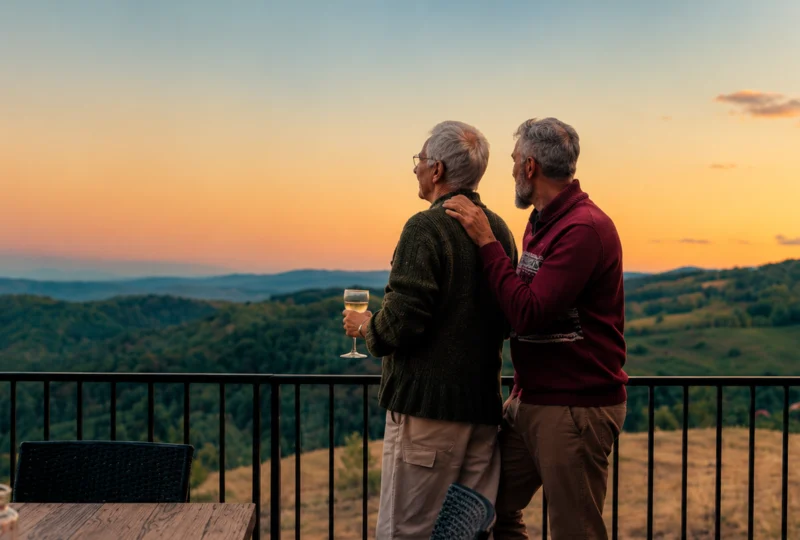
Private Reserve or National Park?
A national park and a private reserve can offer very different safari experiences.
In Kruger National Park itself, visitors travel on public roads and follow the park’s rules on where vehicles can and cannot go. You may be self-driving, or joining an organized game drive, but the experience is generally more structured around the road network and the wider park.
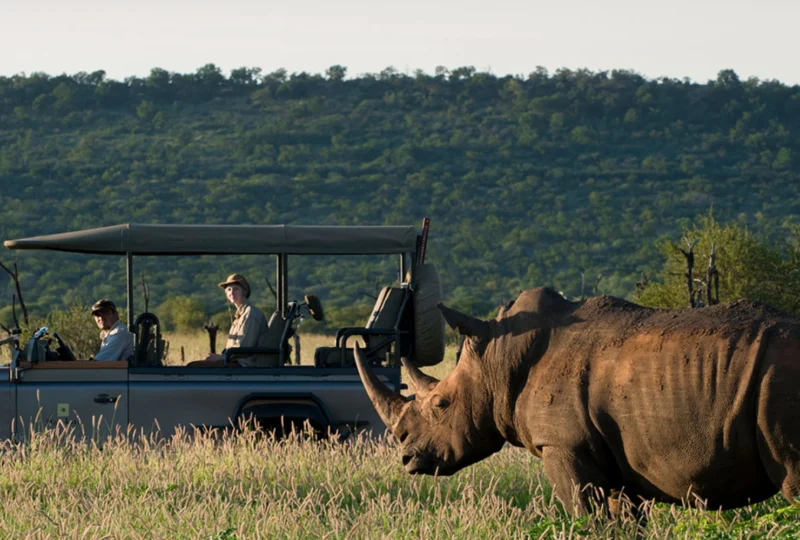
Private reserves, by contrast, sit on privately managed land, often alongside Kruger and in some cases within the same greater ecosystem. They usually offer a more guided and flexible experience, with smaller lodges, dedicated rangers and trackers, and game drives designed around the animals rather than a fixed route.
That can mean fewer vehicles, more time spent following a sighting, and in some reserves the ability to leave the main tracks when conditions allow. Many private reserves also include meals, drinks, game drives, and transfers as part of the stay, so there is very little for you to organize once you arrive.
For senior travelers, the appeal is often simplicity. You are not navigating the park yourself, planning routes, or moving between camps. Instead, you stay in one comfortable lodge and let an experienced team handle the safari around you.
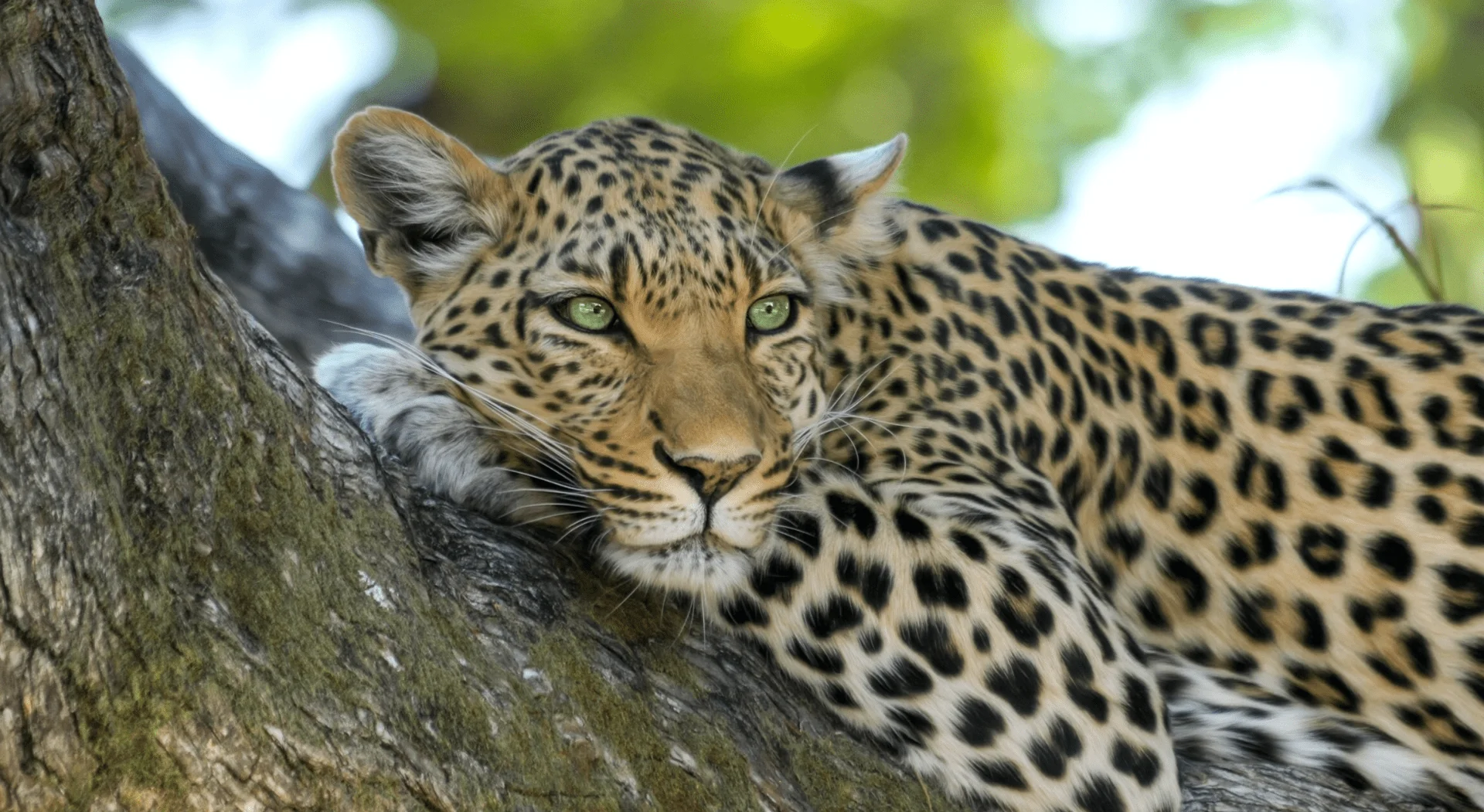
Consider a Malaria-Free Safari
For some travelers, one of the biggest decisions is whether to visit a malaria-risk area.
Kruger and parts of northeastern South Africa do have seasonal malaria risk, which means travelers should speak with a doctor or travel health specialist before departure.
If you would prefer to avoid that consideration altogether, South Africa has several excellent malaria-free safari areas.
Madikwe Game Reserve is one of the best known, offering Big Five wildlife and high-end lodges without the need to plan around malaria medication. The Eastern Cape also has a number of luxury reserves that can work particularly well when combined with Cape Town or the Garden Route.
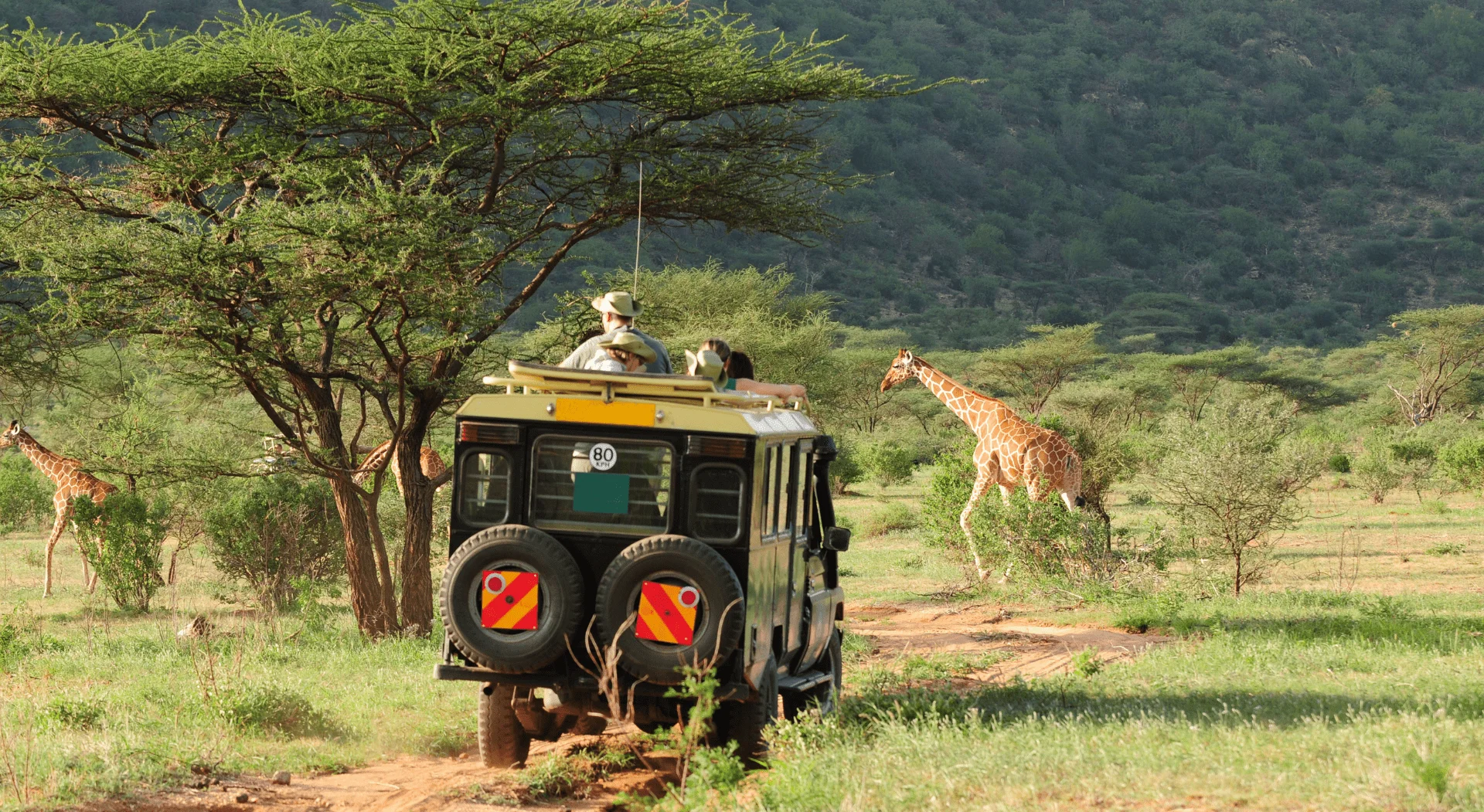
Safari Can Be Surprisingly Relaxed
There is an idea that safari is inherently strenuous. In reality, much of the experience is spent seated in a comfortable vehicle watching the landscape unfold around you.
That said, there are practical details worth considering.
Game drives can be bumpy. Vehicles can be high. Some lodges have long paths, steps, or rooms set far apart from the main areas. Early starts are also common, particularly during cooler months when wildlife is more active at dawn.
None of this needs to be a problem, but it is worth planning around.
A good safari specialist should know which lodges have easier vehicle access, shorter walking distances, golf-cart transfers, walk-in showers, and rooms close to the restaurant or main deck.
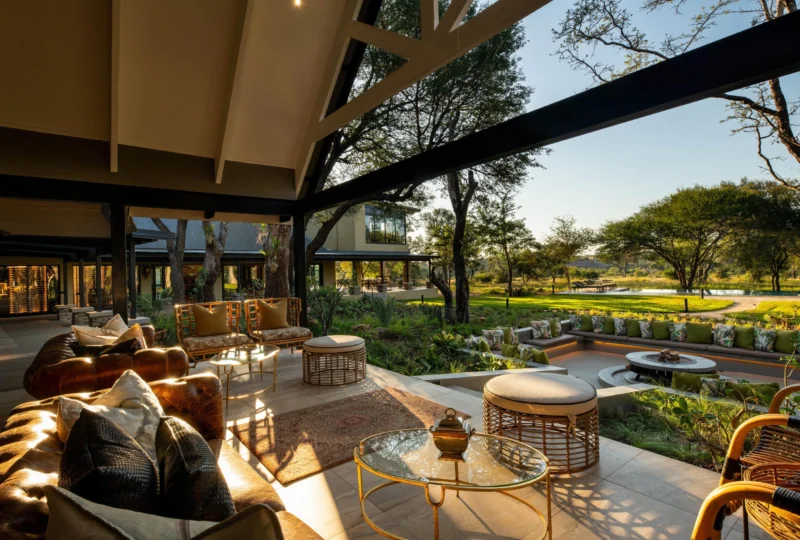
Choose the Lodge as Carefully as the Destination
On safari, the lodge is not just somewhere to sleep. It shapes almost every part of the experience: how you see wildlife, how private the trip feels, how much ground you can cover, and what happens between game drives.
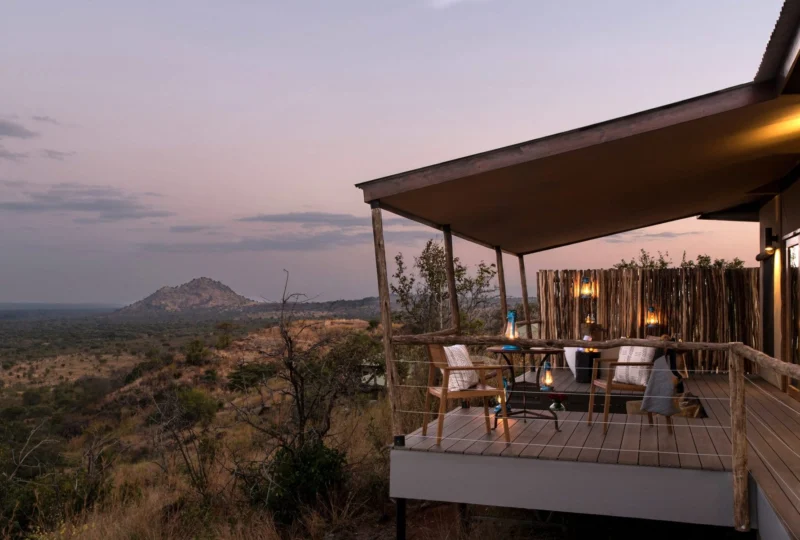
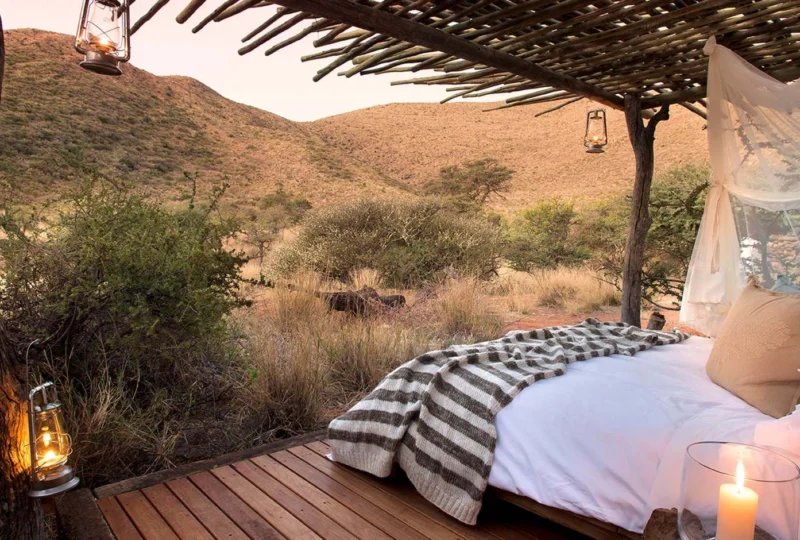
Some lodges are known for exceptional positioning, with suites overlooking riverbeds, waterholes, or open bush where wildlife can appear without you leaving your room. Others stand out because of their traverse rights, giving guides access to larger areas of private wilderness and, in turn, more flexibility when tracking animals.
Then there is the guiding itself. The right ranger-and-tracker team can transform a safari, especially in areas such as Sabi Sand and Timbavati, where expert local knowledge is often what turns a distant sighting into an unforgettable one.
For travelers looking for a more luxurious experience, the differences can be considerable. You might find private plunge pools, expansive decks, outdoor showers, spa treatments, smaller guest numbers, or private vehicles. At some properties, the setting is the attraction in its own right: a lodge raised above the bush, a suite overlooking a river, or even a converted train suspended above the Sabie River.
The hard part is not finding a beautiful place. It is finding the right one for you.
Request a quote →You Do Not Need to Go on Every Game Drive
Most safari lodges run two game drives a day: one around sunrise and another in the late afternoon.
You do not have to do both.
After several early mornings, staying behind for breakfast in bed, a massage, or a few hours beside the pool can feel just as luxurious as spotting another herd of elephants.
This is particularly worth remembering on longer safaris.
There can be a temptation to treat every drive as unmissable, but safari is at its best when there is room to slow down. Missing one game drive does not mean missing the trip.
Sometimes the most memorable moments happen back at the lodge, watching animals gather at a waterhole from your terrace.
Combine Safari With Cape Town and the Winelands
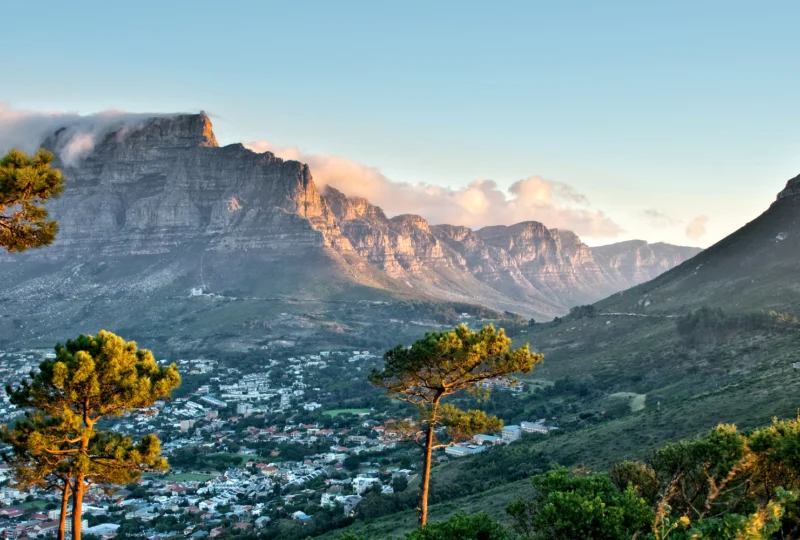
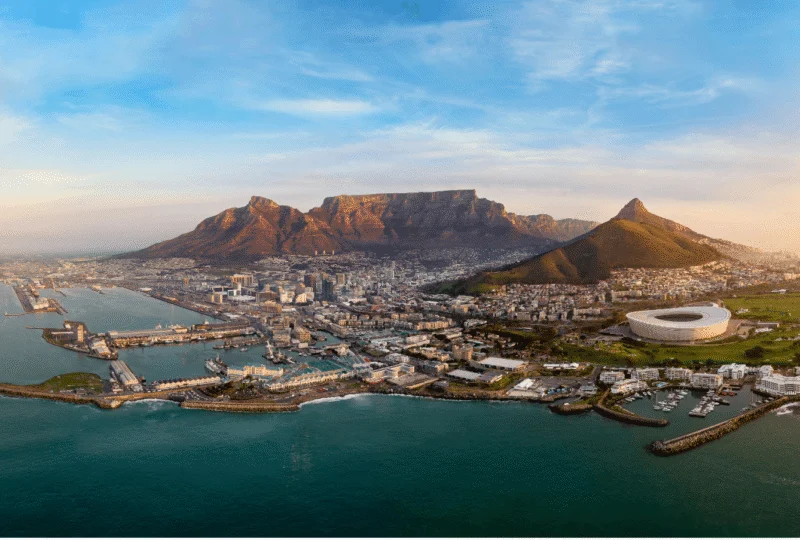
Cape Town is one of the world’s great coastal cities, where the drama of the natural landscape is impossible to ignore. Table Mountain rises above the city, the Atlantic coastline stretches out beyond the suburbs, and within a single day you can move from a quiet beach to a world-class restaurant, a contemporary art gallery, or a historic wine estate.
From here, the road into the Cape Winelands feels like a complete change of scene. The landscapes are timeless: rows of vines stretching beneath mountain ranges, historic Cape Dutch estates, and oak-lined avenues.
Franschhoek and Stellenbosch have become some of the world’s most celebrated wine destinations, attracting travelers who come as much for the food and hospitality as they do for the vineyards. Here, the experience is about private tastings with passionate winemakers, beautifully prepared seasonal cuisine, and hotels where every detail feels considered.
Properties such as Babylonstoren capture this perfectly. A historic Cape Dutch farm transformed into one of South Africa’s most distinctive stays, it combines incredible gardens, exceptional dining, wine, and a deep connection to the land.
After the excitement of tracking wildlife through the bush, the Winelands offer a different kind of luxury: long lunches overlooking vineyards, spa treatments, quiet mornings, and evenings spent with some of the finest wines in the world.
For many travelers, the perfect South African journey is not simply a safari. It is the contrast between the wild landscapes of Kruger, the energy of Cape Town, and the refined pleasures of the Winelands — three unforgettable sides of one extraordinary destination.
Is Victoria Falls Worth Adding?
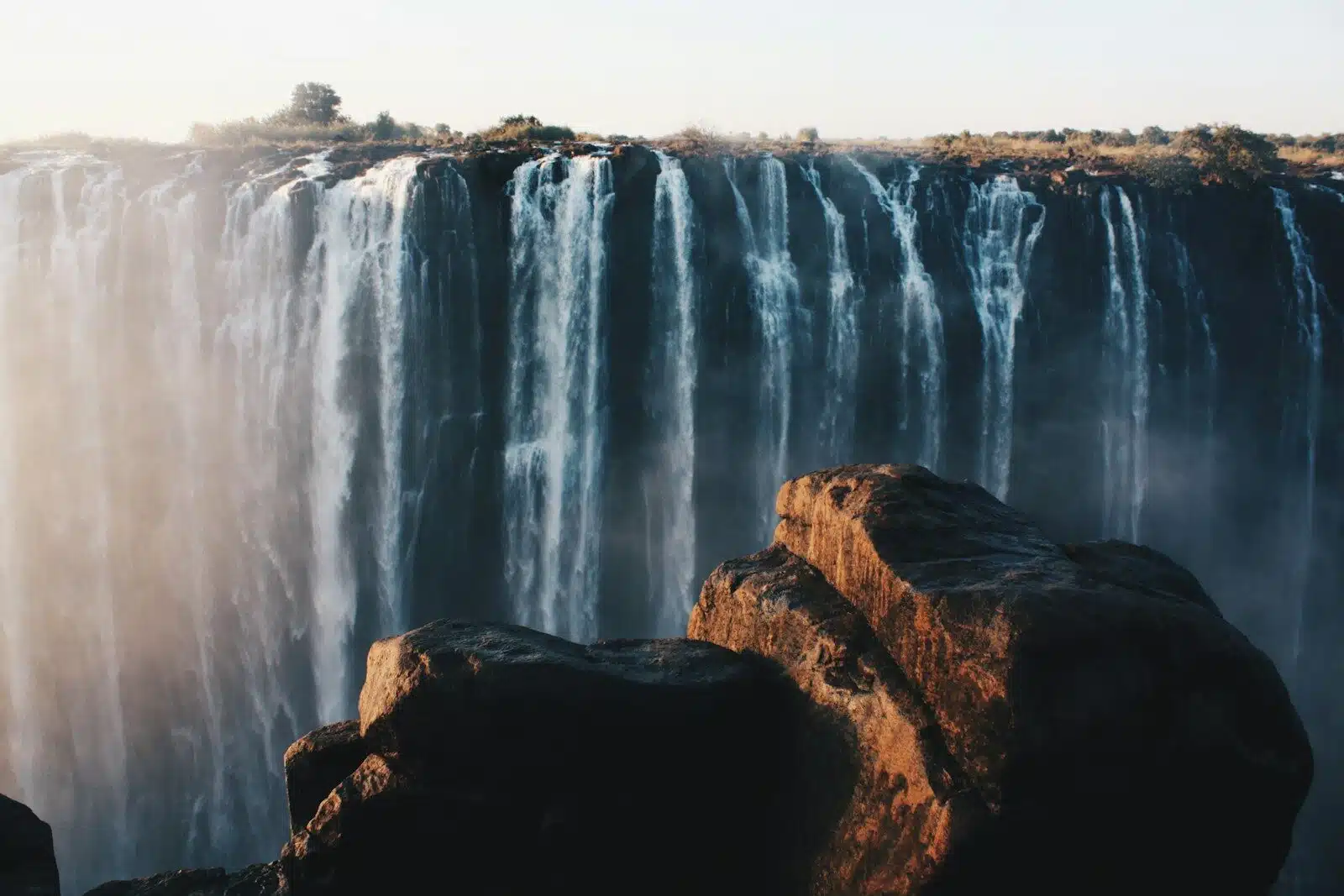
Victoria Falls is spectacular, but it is best treated as an extension rather than something to squeeze into a single day.
On paper, a day trip can sound efficient. In reality, flights, transfers, border formalities, and airport time can make it a tiring experience.
If Victoria Falls is high on your list, two or three nights is usually far more rewarding.
That gives you time to see the falls properly, enjoy a sunset cruise, perhaps take a scenic flight, and recover between activities without feeling as though you are racing through the destination.
Think About the Best Time of Year for You
There is no single perfect month for safari.
The dry season is often favored for wildlife viewing because animals tend to gather around water sources and vegetation is less dense. It can also bring cooler mornings and evenings.
The greener months offer a different atmosphere: lush landscapes, dramatic skies, excellent birdlife, and a greater sense of abundance.
Comfort matters too.
If you dislike intense heat, cooler months may suit you better. If you prefer warmer evenings and greener scenery, a shoulder-season trip can be ideal.
The best time to travel is the one that matches the kind of safari you actually want.
Safari Does Not Have an Age Limit
A great safari is not about how far you travel or how many activities you can fit into a day. It is about choosing an experience that feels effortless, comfortable, and completely your own.
For senior travelers, thoughtful planning can make all the difference. The right lodge can mean easier access to safari vehicles, rooms closer to the main areas, walk-in showers, assistance when needed, and a team who understands that luxury is often found in the smallest details.
It is also worth discussing any medication requirements before you travel, particularly if you need refrigeration or if your itinerary includes more remote areas. The best safari operators and lodges are used to accommodating different needs — they simply need to know how to make the experience work for you.
Because the truth is, safari does not have an age limit.
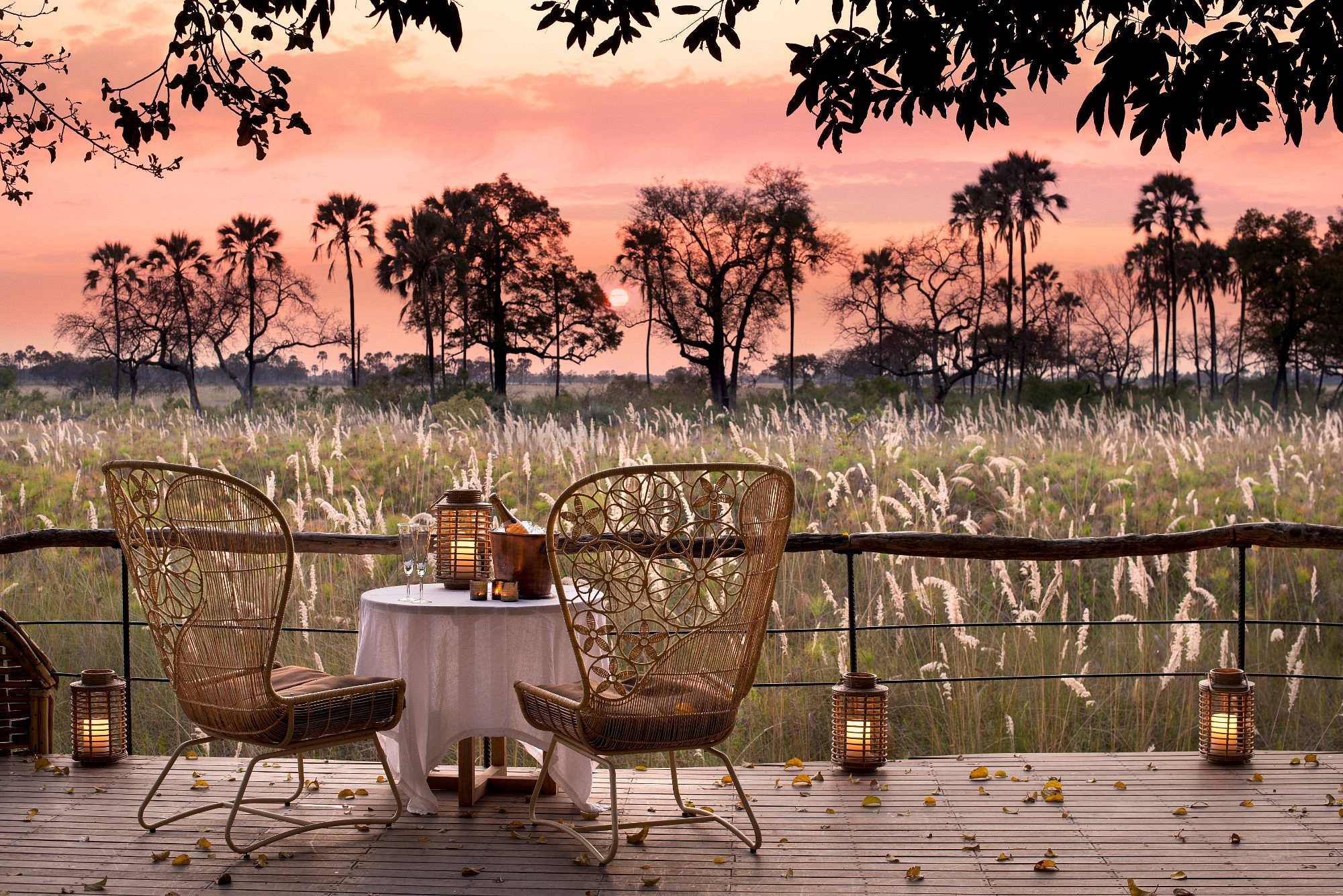
There is no better feeling than watching the sun rise over the African bush, following the tracks of elephants with an expert guide, then returning to a beautiful lodge for a leisurely lunch, a quiet afternoon by the pool, and dinner beneath a sky full of stars.
At Out Of Office, we specialize in creating exceptional LGBTQ+ luxury travel experiences around the world. With deep destination knowledge, trusted local partners, and a commitment to inclusive hospitality, our travel experts can design a safari itinerary that feels completely personal, from the lodge you choose to the pace of your journey.
Start planning your South African safari with the world’s leading LGBTQ+ luxury travel specialist.
On this page
- Why South Africa Works So Well for Gay Senior Travelers
- The Most Gay-Friendly African Countries, From South Africa to Seychelles
- Kruger Is Huge, but It Does Not Have to Feel Overwhelming
- How to Travel Well as a Gay Senior
- Private Reserve or National Park?
- Consider a Malaria-Free Safari
- Safari Can Be Surprisingly Relaxed
- Best Gay-Friendly Safari Lodges in Africa
- Choose the Lodge as Carefully as the Destination
- You Do Not Need to Go on Every Game Drive
- South Africa Food & Wine Tour in the Winelands
- Combine Safari With Cape Town and the Winelands
- Is Victoria Falls Worth Adding?
- Think About the Best Time of Year for You
- Safari Does Not Have an Age Limit
New to Out Of Office?
We are a luxury travel company for LGBTQ+ travelers. Everything we sell is tailor-made, planned by one named member of our team throughout, and nothing on this site is a fixed package unless it says so.
Where exclusivity meets inclusivity
Ten years, hundreds of five-star reviews, and a team who will tell you when a destination is not right for the trip you have in mind.
See your complete itinerary before you decide.
Your specialist will bring together every detail of your trip, with clear pricing throughout.
Stellar service. Stellar products. Stellar people and it gets so much better when you pick up the phone and call.
Anthony S.
Super client centred service. From first contact I have had warm, efficient, friendly and flexible service.
John
I’m confident in giving Out Of Office a 5-star review! They are one of the leaders in this space without a doubt.
Tiberiu
We plant trees for every booking
For every booking made with Out Of Office we commit to planting trees in your name to help reduce the impact of travel on future generations. You'll even get a link to see where your trees are planted in the world via our partner Ecologi.

We donate to Rainbow Railroad with every booking
Rainbow Railroad helps LGBTQ+ people escape state-sponsored violence and persecution. A donation goes with every trip we sell, funded by us and never added to your price.

Start Planning Your Trip
Tell us where you would love to go, when you are thinking of traveling and what kind of trip you have in mind. One of our LGBTQ+ travel specialists will create a tailor-made itinerary designed around your destination, style and preferences.
One named specialist, first inquiry to homecoming. No call center, and nothing is charged until you decide to book.