




Editorials
The Most Gay-Friendly African Countries, From South Africa to Seychelles
Discover the most gay-friendly countries in Africa, from the progressive streets of Cape Town to the private luxury of Seychelles
Africa is vast, complex, and often misunderstood when it comes to LGBTQ+ travel. While many countries on the continent still criminalize same-sex relationships, others are quietly paving the way toward a more inclusive future. For gay travelers looking to explore Africa in style, it is entirely possible to find welcoming destinations that offer not only safety and comfort but also luxury, natural beauty, and cultural depth.
Here are the African countries where LGBTQ+ travelers can feel genuinely welcomed — and where the travel experience is just as remarkable as the destination.
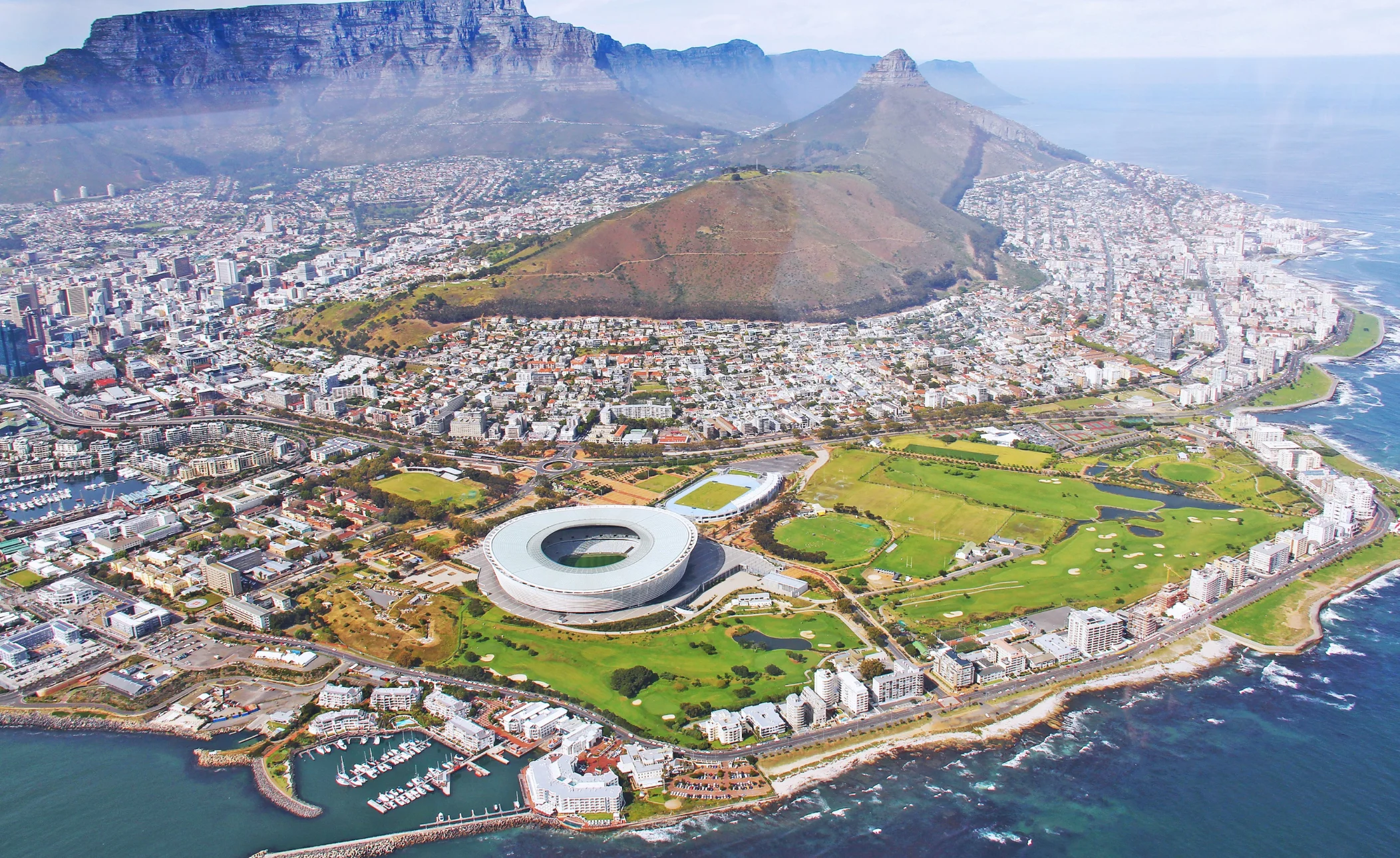
South Africa: Still the Gold Standard
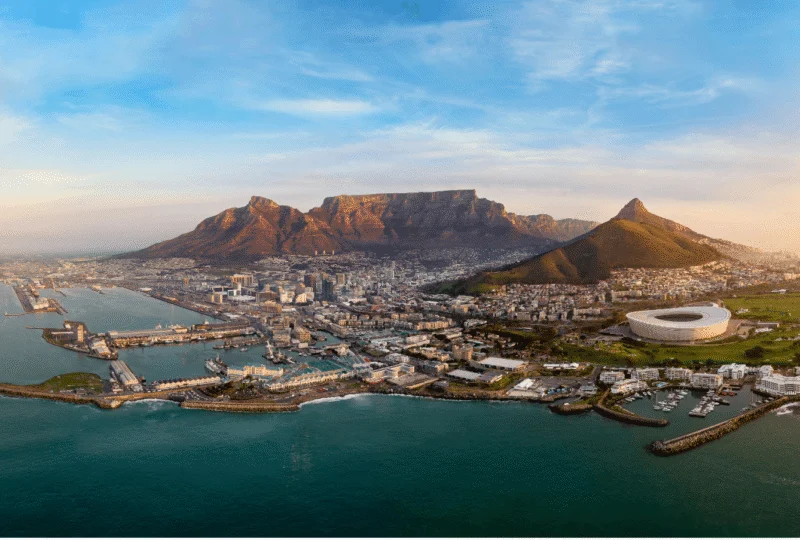
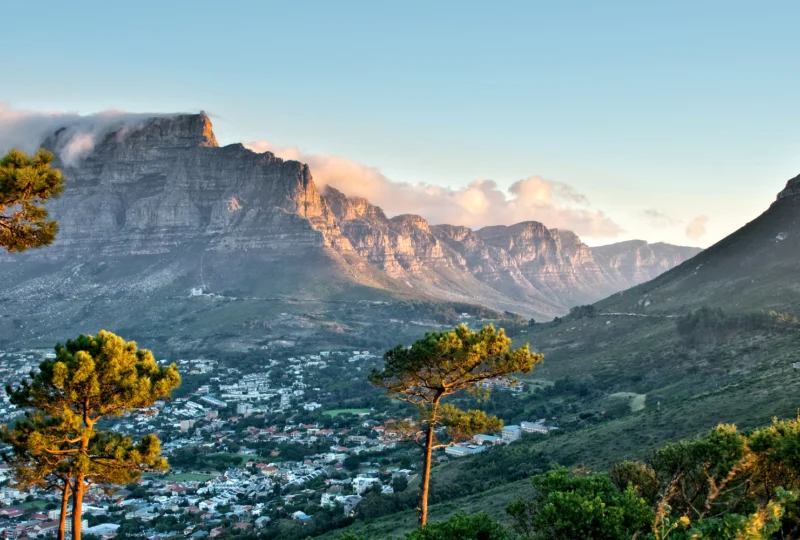
No country in Africa comes close to South Africa in terms of legal protection and cultural acceptance for LGBTQ+ people. Same-sex marriage has been legal since 2006, and the country’s constitution explicitly prohibits discrimination based on sexual orientation. These protections are not just theoretical. In cities like Cape Town and Johannesburg, gay travelers will find real community, visible nightlife, and a sense of normalcy that rivals the most progressive cities in the world.
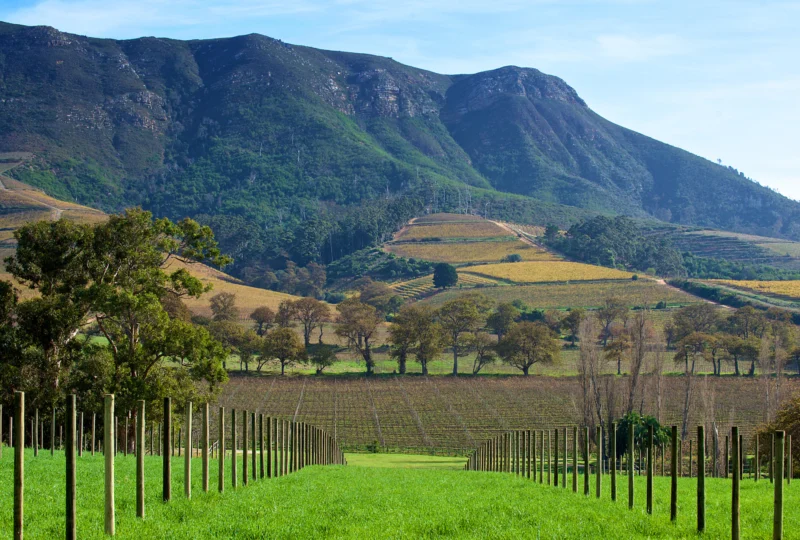
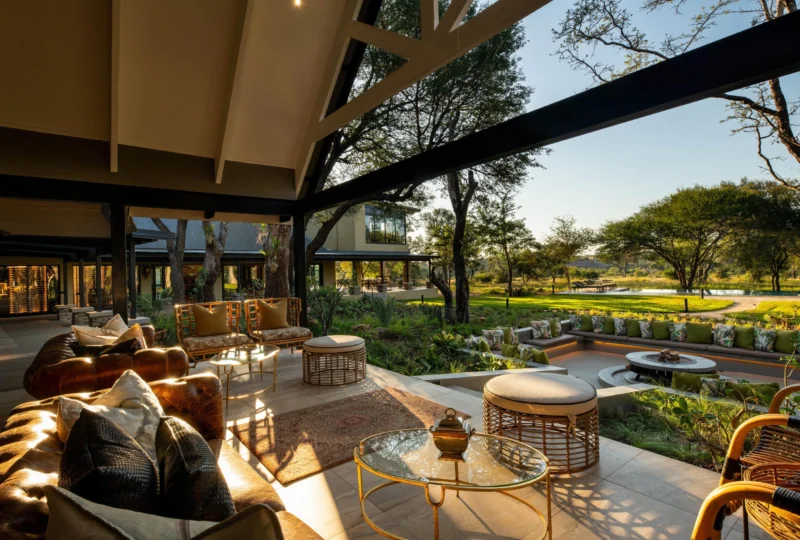
Cape Town is the epicenter of gay life in Africa, particularly in the De Waterkant neighborhood, which feels like a cross between Soho and Silver Lake. Gay-owned guesthouses, chic rooftop bars, and design-forward restaurants all cluster together. Clifton 3rd Beach is the go-to spot for LGBTQ+ sunseekers, and Cape Town Pride in February is always a big event. Outside the city, Stellenbosch and Franschhoek are a must for wine-lovers, and South Africa’s safari lodges, from Kruger to the Eastern Cape, welcome LGBTQ+ couples with five-star accommodation.
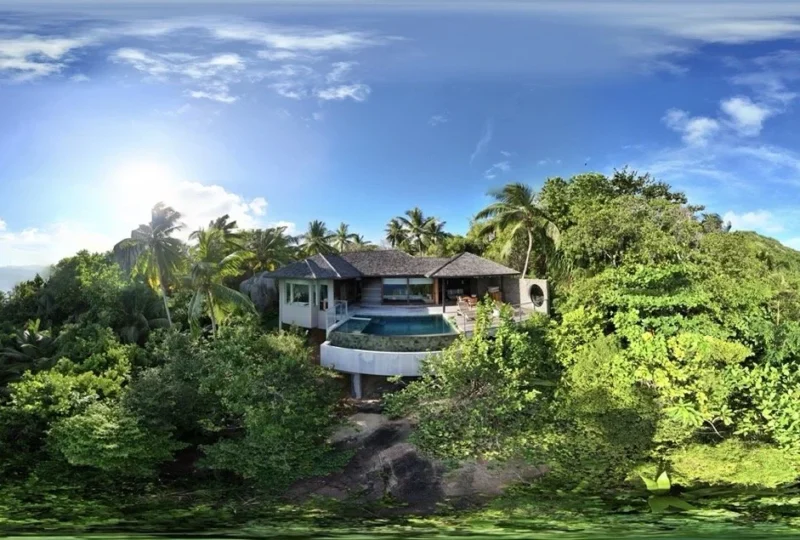
Seychelles: Private Luxury in the Indian Ocean
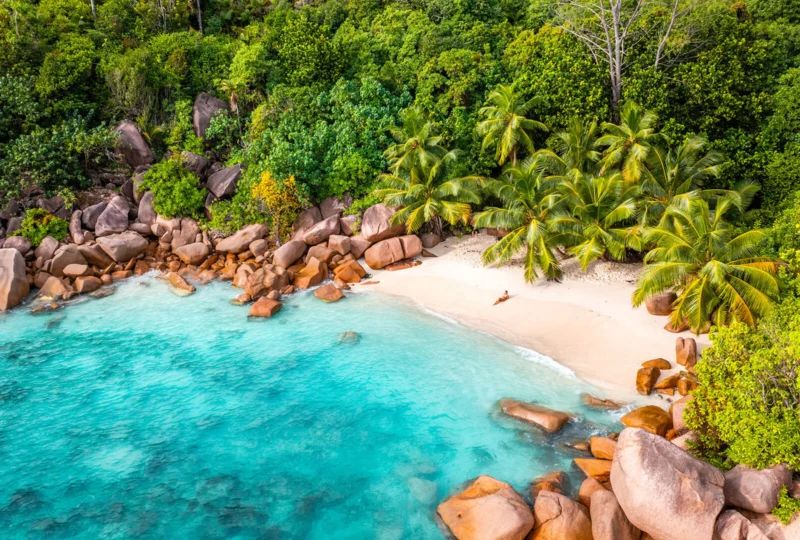
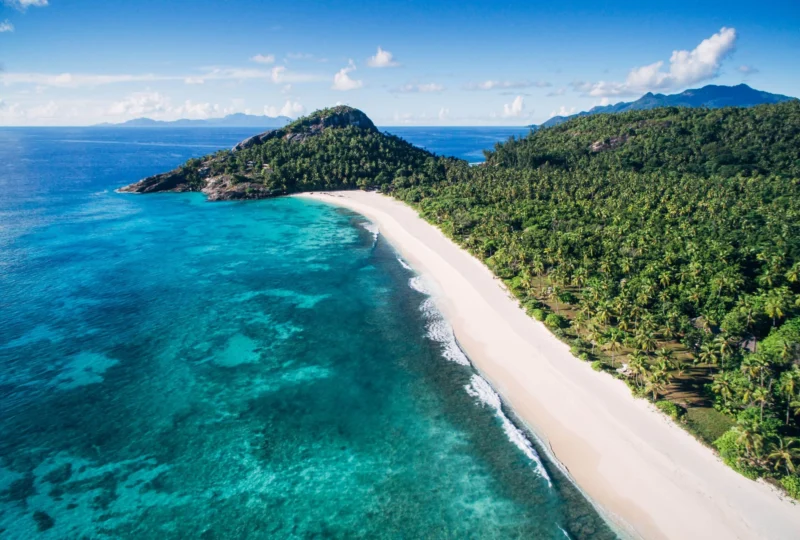
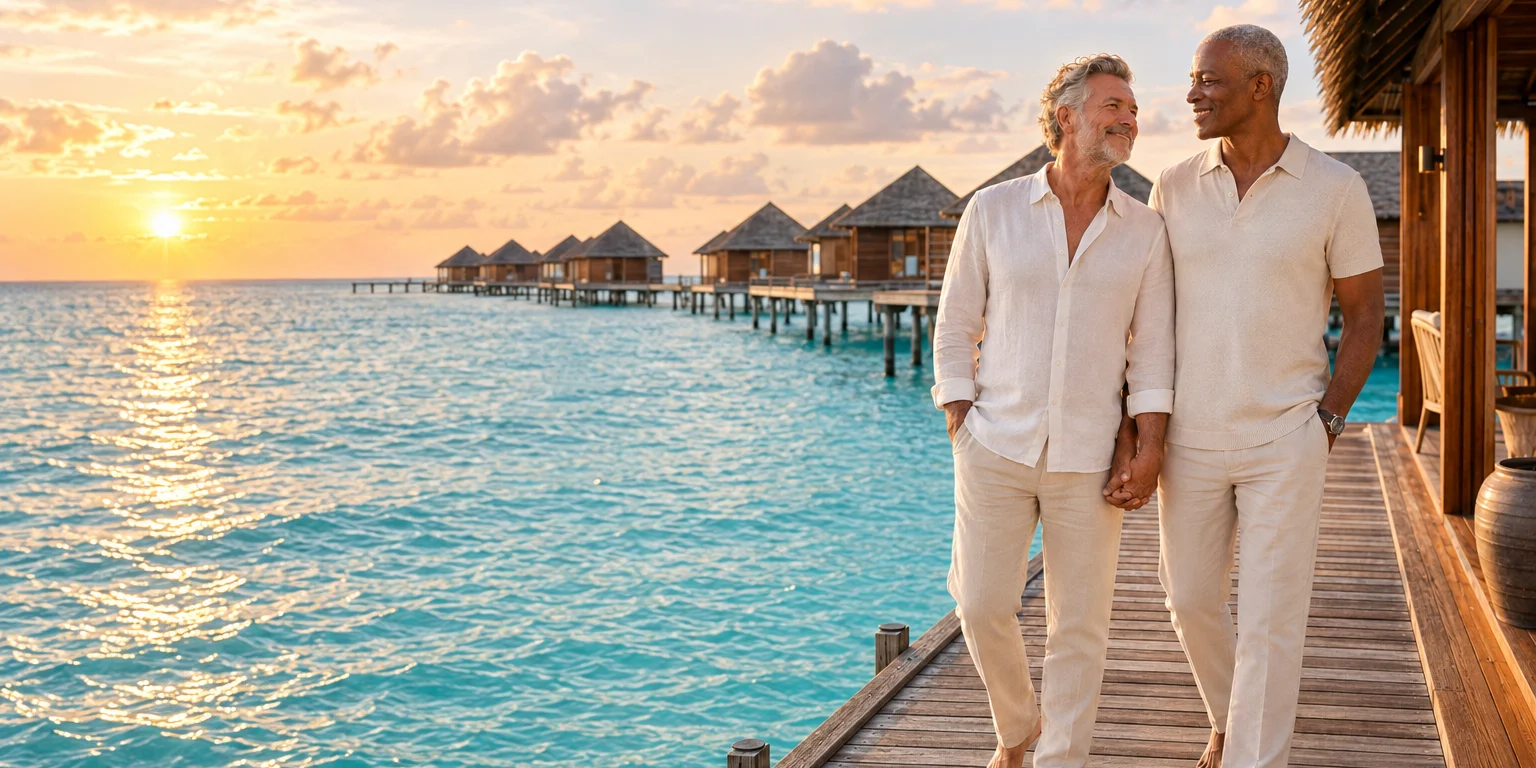
Seychelles has quietly become one of the most progressive destinations in East Africa. The country decriminalized homosexuality in 2016 and has since added anti-discrimination laws that protect LGBTQ+ individuals in areas such as employment and accommodation. There may not be a Pride parade or rainbow flags, but there is privacy, discretion, and genuine hospitality.
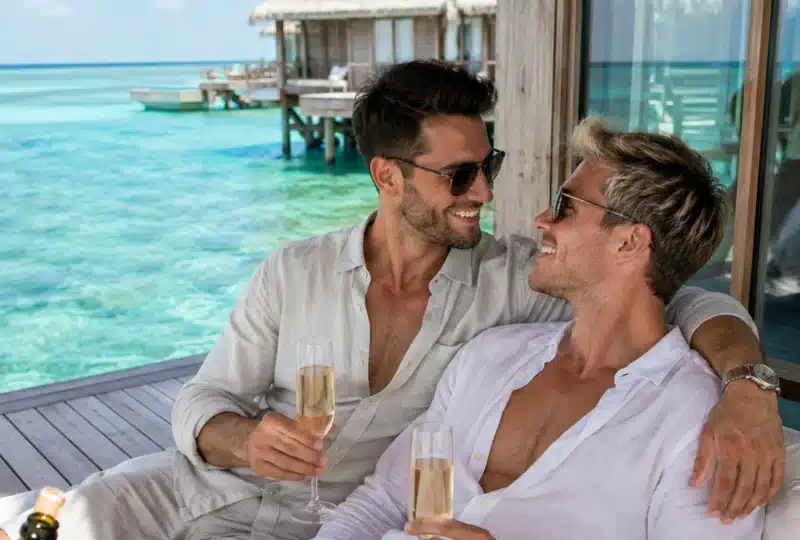
For gay honeymooners, this is paradise. Villas with plunge pools, infinity-edge views, and spa rituals steeped in local tradition define the experience. Resorts like Six Senses Zil Pasyon, Raffles Seychelles, and Four Seasons Seychelles are very welcoming to same sex couples. The welcome is natural.
Seychelles also stands out for its position within Africa. In a region where LGBTQ+ rights are often ignored or actively opposed, this island nation represents a shift. It is Africa, but with coral reefs, French-Creole culture, and a tourism industry that knows how to look after every kind of couple.
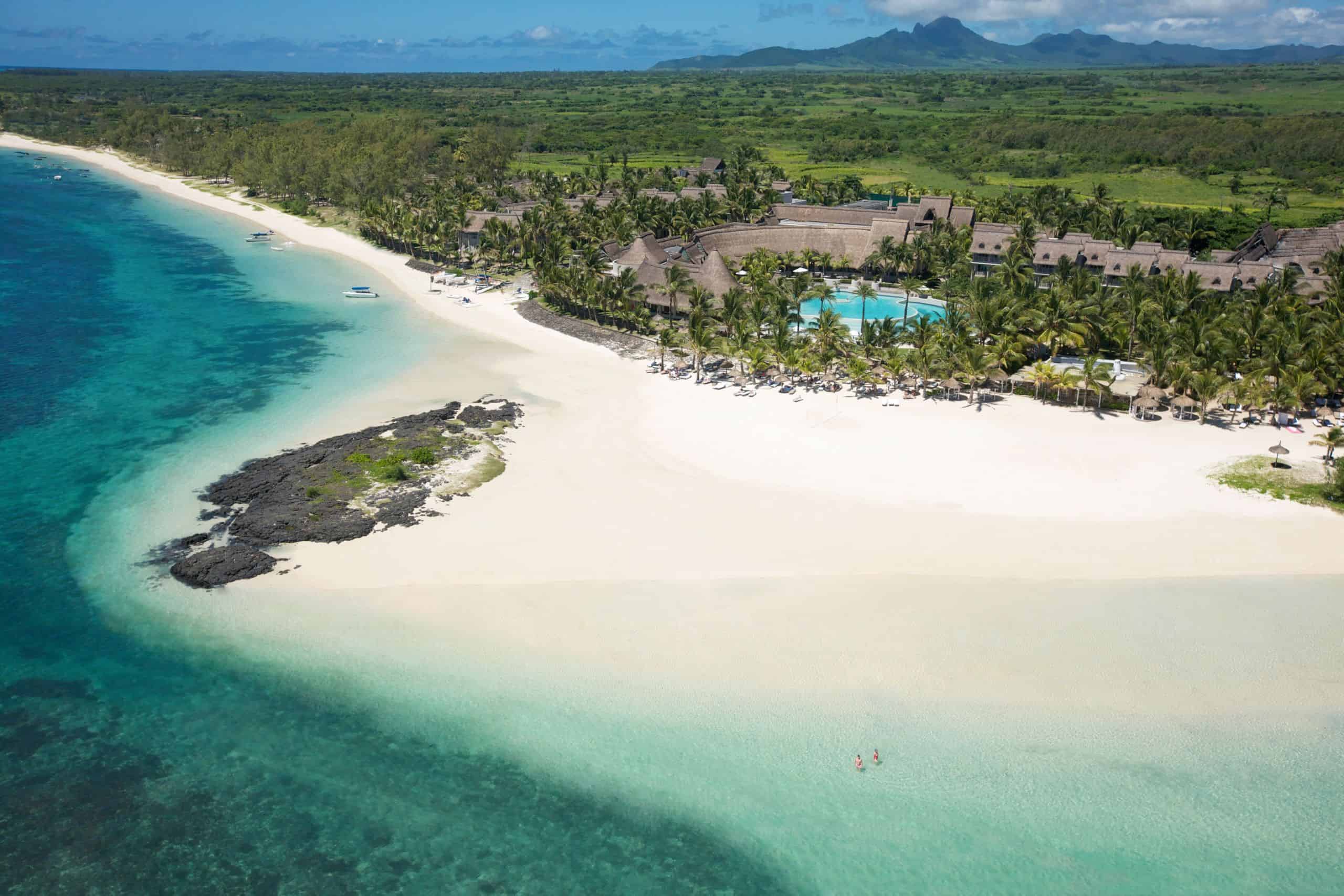
Mauritius: Discreet, Sophisticated, and Safe
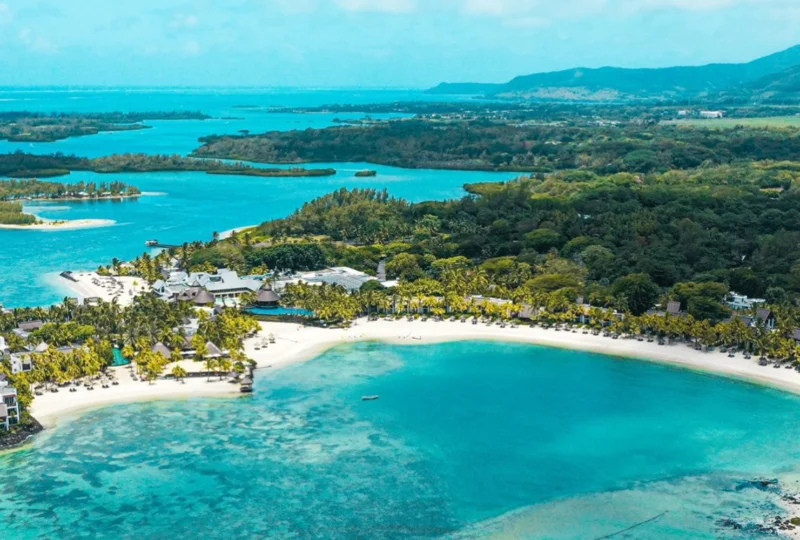
Mauritius may not have legal same-sex marriage yet, but it has decriminalized same-sex relationships and hosts one of Africa’s only annual Pride celebrations, led by the advocacy group Collectif Arc-en-Ciel. What makes Mauritius stand out, however, is not activism but luxury hospitality.
This is an island where high-end resorts know exactly how to treat gay couples. You can check into LUX* Grand Baie, Four Seasons Mauritius, or The Oberoi and expect the same level of polished service that any straight honeymooner would receive. The staff will ask if you’re celebrating something special. They will bring the champagne either way.
Culturally, Mauritius blends Indian, African, Chinese, and European influences. The result is a cosmopolitan society where tolerance is part of the DNA, especially in the hospitality sector. Grand Baie has a small LGBTQ+ scene, and even outside the tourist areas, there is a strong emphasis on respect and personal privacy.
Tell us where your mind keeps going back to. We will do the rest.
Request a quote →Mozambique: Barefoot Luxury and Island Calm
Same-sex activity is legal, and while there are no explicit protections for LGBTQ+ rights, the tourism experience can be extremely welcoming — especially in the remote, high-end lodges along the coast.
Mozambique’s most luxurious offerings are found along its spectacular coastline and on its remote islands, where castaway privacy meets five-star polish. andBeyond Benguerra Island is one of the country’s standout properties, set within a protected marine reserve in the Bazaruto Archipelago. Guests arrive by helicopter and stay in thatched villas with private plunge pools and direct beach access. Days revolve around dhow cruises at sunset, reef snorkeling, and candlelit dinners under palm trees.
Another top-tier option is White Pearl Resorts near the South African border, offering all-suite beachfront accommodation, horseback rides along the dunes, and an ultra-personalized service.
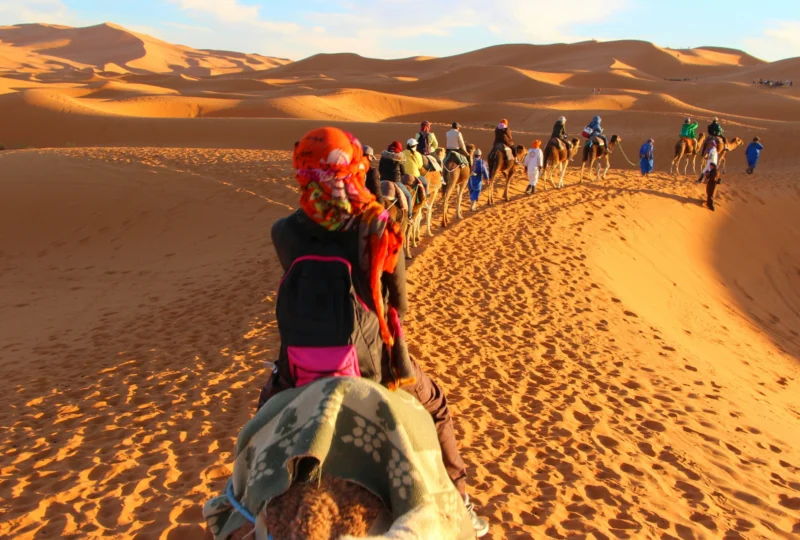
Morocco: A Complicated Legacy That Still Draws Travelers
Once upon a time, Morocco was considered a haven for gay artists and intellectuals. In the postwar years, Tangier and Marrakech became enclaves for people like Joe Orton, William Burroughs, and Paul Bowles, who found creative freedom and sexual expression far from the conservative norms of the West.
That legacy still lingers, but the legal climate has shifted. Same-sex acts remain criminalized in Morocco, and public displays of affection between same-sex couples can attract attention or worse. That said, Morocco continues to attract gay travelers, particularly those staying at luxury properties where privacy is built into the experience.
Places like Kasbah Tamadot — Richard Branson’s mountainside retreat — or the opulent Royal Mansour in Marrakech offer another kind of safety: discretion. These resorts are used to hosting high-profile guests and LGBTQ+ couples, and the service reflects that confidence. While the country as a whole may not offer legal protection, the luxury hospitality sector knows exactly what it is doing.
Morocco is not a place for partying or public identity, but it can still be a deeply rewarding experience for couples who are thoughtful about where they stay and how they navigate local customs.
The Bottom Line
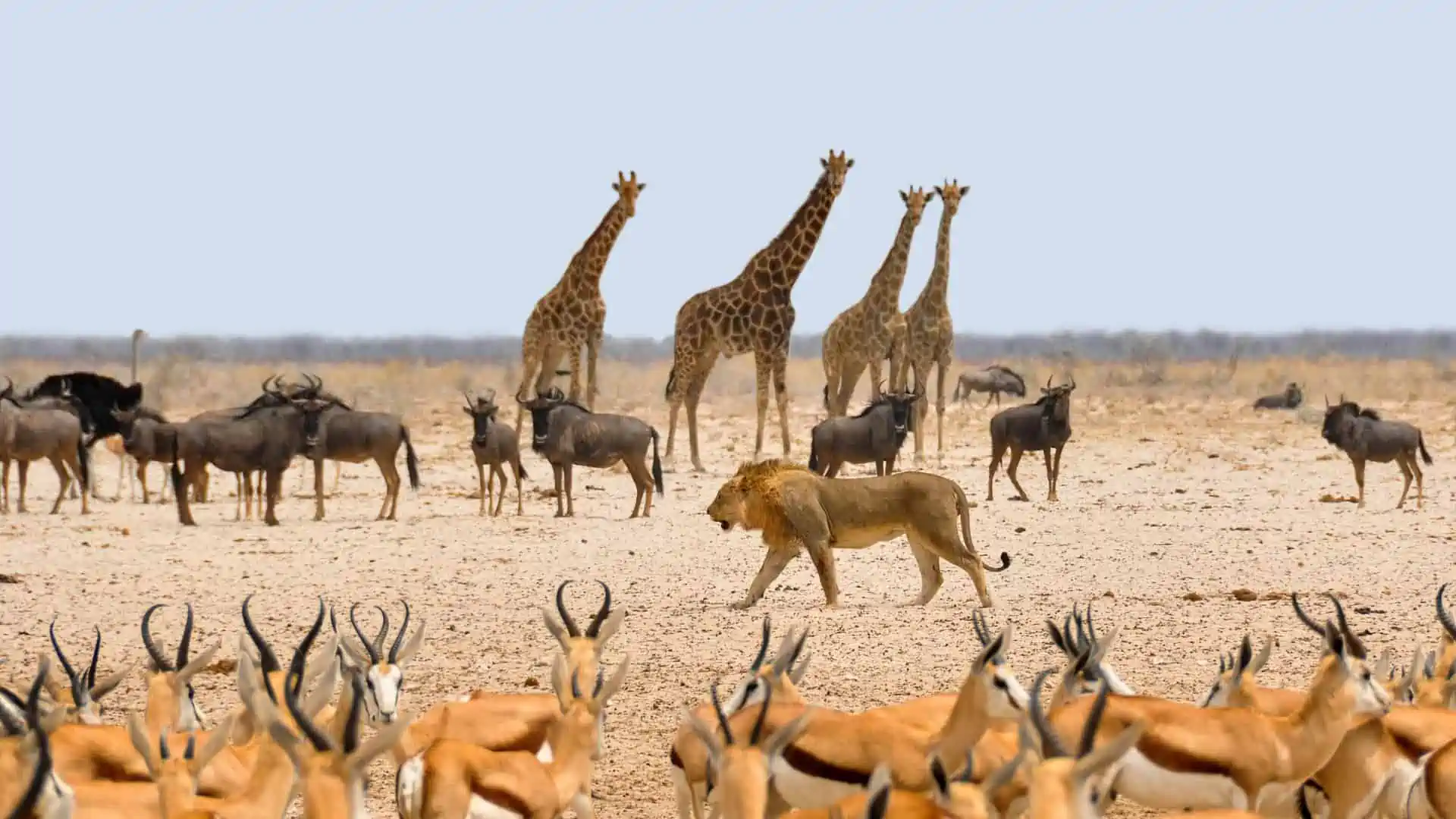
Africa is not monolithic. For LGBTQ+ travelers, it presents a range of experiences, from open celebration in South Africa to quiet inclusion in Seychelles and Mauritius, and the promise of private paradise in Mozambique. Even in countries where the legal framework falls short, the hospitality industry often leads the way.
Ready to explore Africa in style? Whether you’re dreaming of a chic city stay in Cape Town, a barefoot honeymoon in Seychelles, or island seclusion in Mozambique, our luxury travel experts will craft a tailor-made itinerary that matches your style and celebrates who you are. Get in touch today and plan your perfect LGBTQ+ journey through Africa.
On this page
- South Africa: Still the Gold Standard
- Plan Your Gay Honeymoon in Seychelles
- Seychelles: Private Luxury in the Indian Ocean
- Mauritius: Discreet, Sophisticated, and Safe
- Mozambique: Barefoot Luxury and Island Calm
- Morocco’s Hidden Gay History: Yves Saint Laurent to Joe Orton
- Morocco: A Complicated Legacy That Still Draws Travelers
- The Bottom Line
New to Out Of Office?
We are a luxury travel company for LGBTQ+ travelers. Everything we sell is tailor-made, planned by one named member of our team throughout, and nothing on this site is a fixed package unless it says so.
Where exclusivity meets inclusivity
Ten years, hundreds of five-star reviews, and a team who will tell you when a destination is not right for the trip you have in mind.
The best trips begin with a conversation, not a booking form.
Tell us how you would like the trip to feel, and a specialist will take it from there.
Stellar service. Stellar products. Stellar people and it gets so much better when you pick up the phone and call.
Anthony S.
Super client centred service. From first contact I have had warm, efficient, friendly and flexible service.
John
I’m confident in giving Out Of Office a 5-star review! They are one of the leaders in this space without a doubt.
Tiberiu
We plant trees for every booking
For every booking made with Out Of Office we commit to planting trees in your name to help reduce the impact of travel on future generations. You'll even get a link to see where your trees are planted in the world via our partner Ecologi.

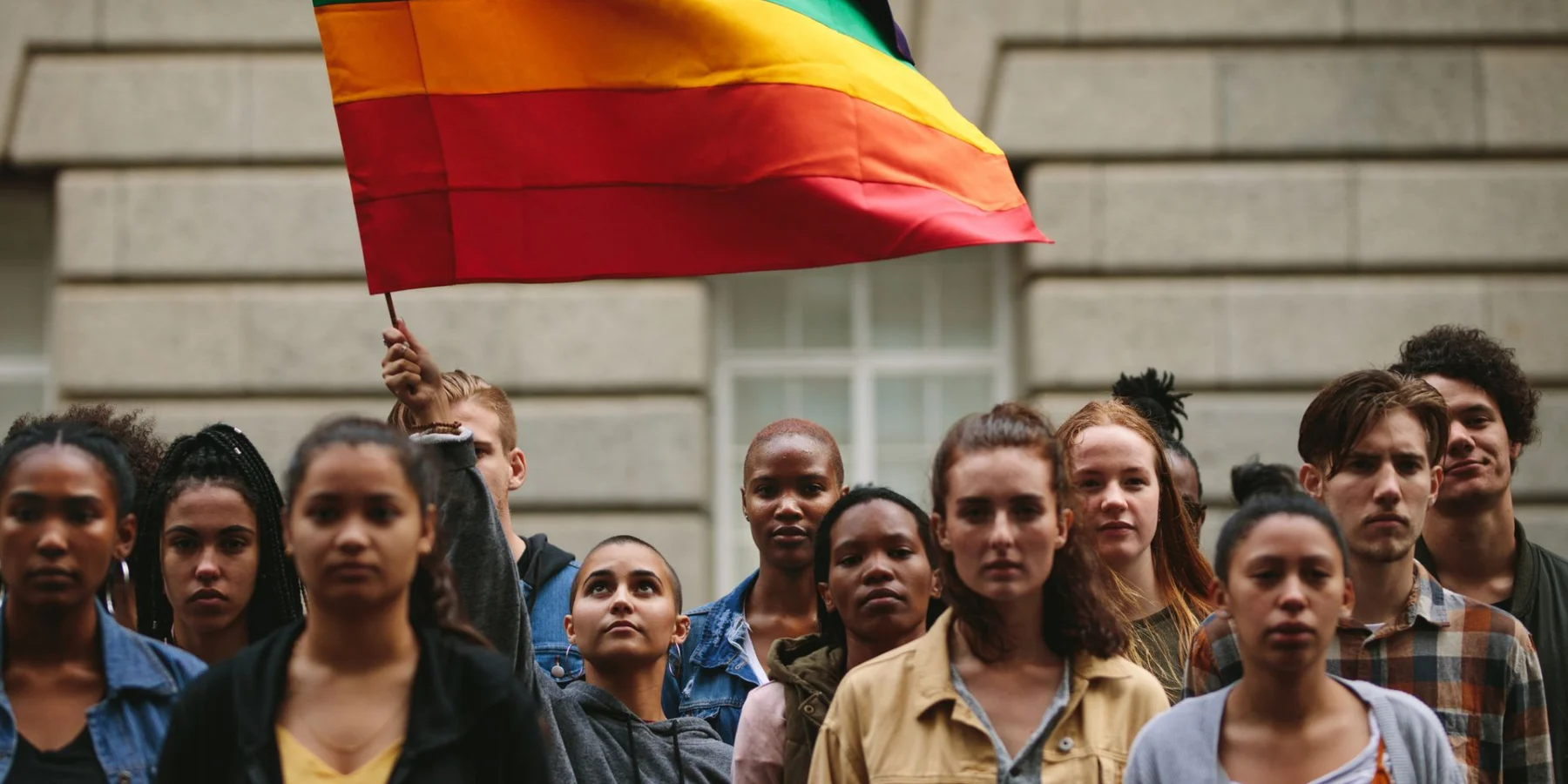
We donate to Rainbow Railroad with every booking
Rainbow Railroad helps LGBTQ+ people escape state-sponsored violence and persecution. A donation goes with every trip we sell, funded by us and never added to your price.

Start Planning Your Trip
Tell us where you would love to go, when you are thinking of traveling and what kind of trip you have in mind. One of our LGBTQ+ travel specialists will create a tailor-made itinerary designed around your destination, style and preferences.
One named specialist, first inquiry to homecoming. No call center, and nothing is charged until you decide to book.