




Tailor-made Vacation · Greece
Luxury Mediterranean Cruise: Athens to Barcelona
Tailor-made, always
Every trip built from scratch around your dates, pace and preferences.
Your own specialist
One named person and a 24-hour number while you travel.
Hundreds of five-star reviews
Rated Excellent on Trustpilot across ten years of LGBTQ+ luxury travel.
At a glance
This itinerary pairs Athens's ancient core with a week at sea through some of the Mediterranean's quieter ports, closing in Barcelona. It's built around one of Seabourn's signature Mediterranean sailings, with the two city stays framing the cruise on either end.
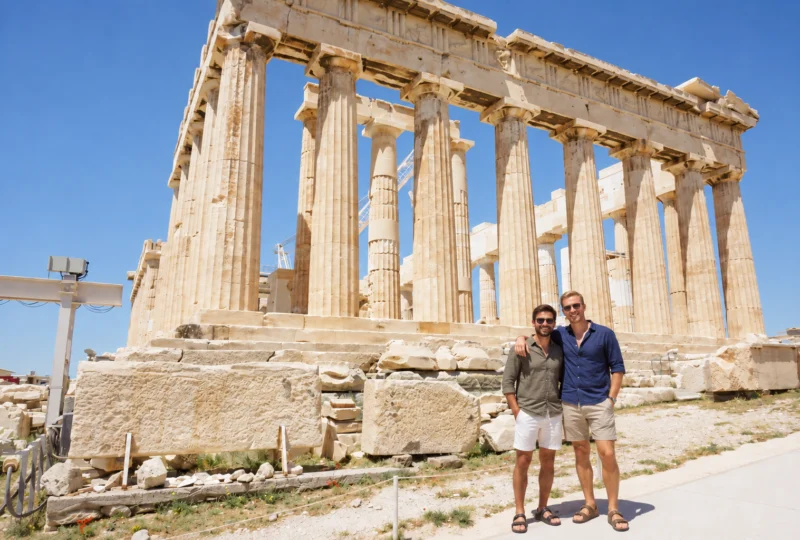
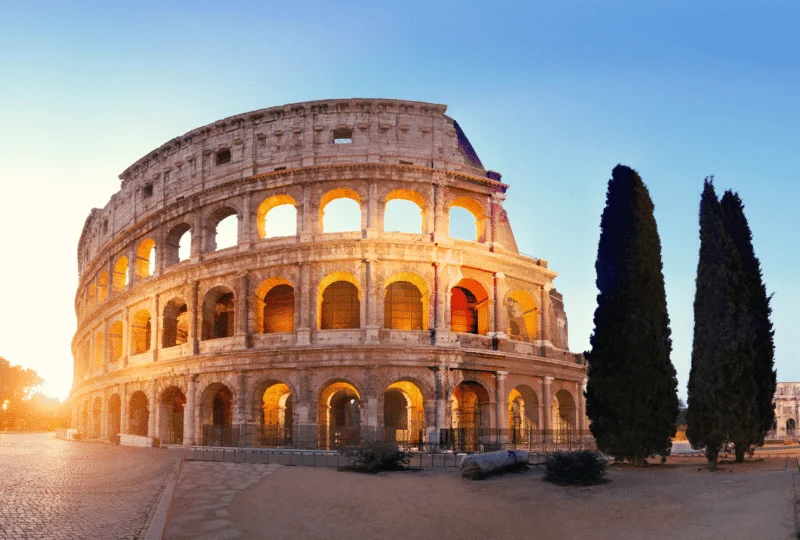
The trip begins in Athens at the King George Hotel, positioned in the city's historic center. A private history tour covers the city's ancient sites with a specialist guide, followed by a food walking tour built around the dishes and ingredients that define Greek cooking.
Read more
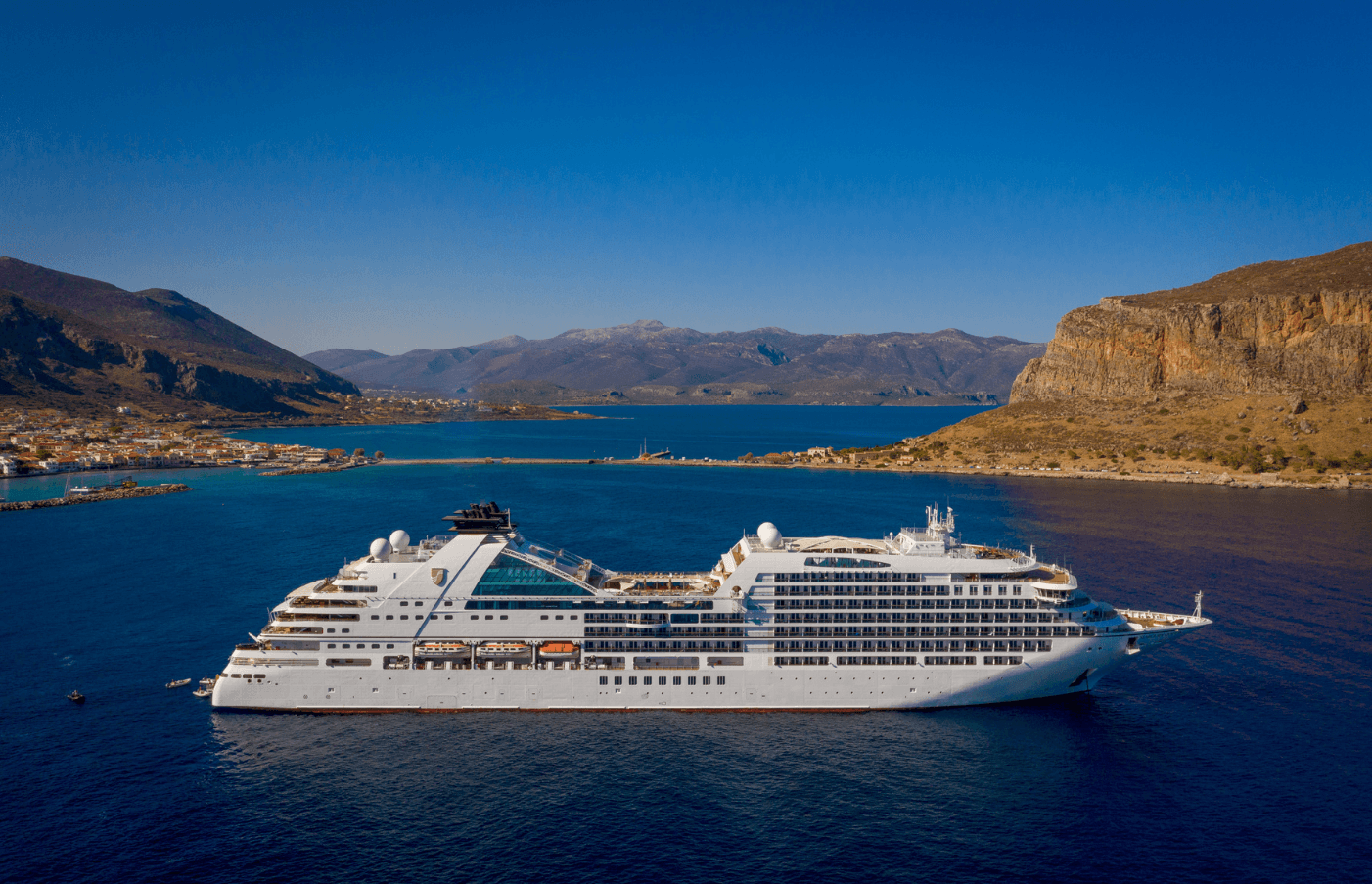
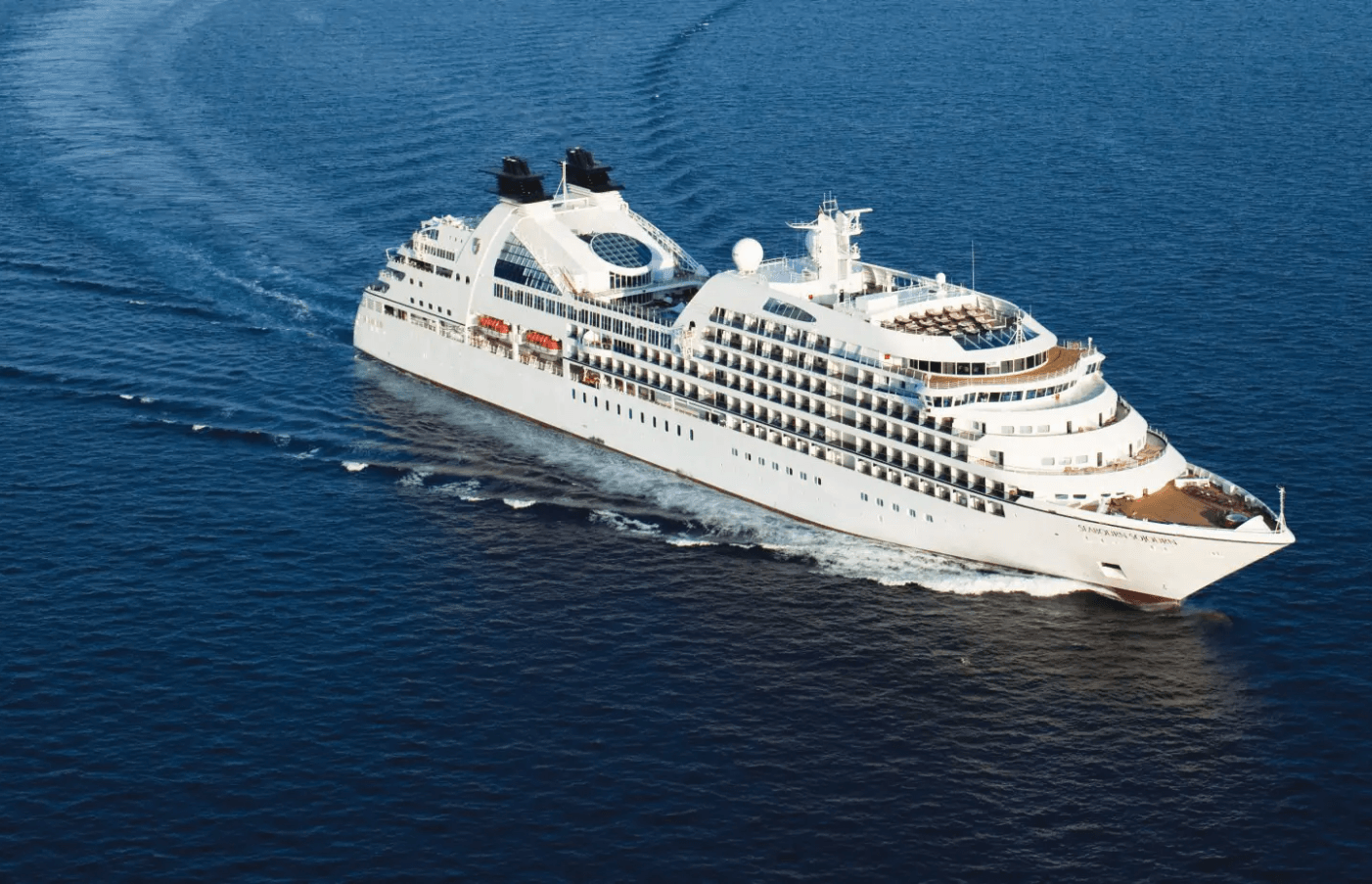
From Athens, the trip moves aboard the Seabourn Sojourn for the cruise itself, staying in an Ocean View suite. The route calls at a handful of ports chosen for character rather than scale: Monemvasia, a fortified town built into a rock outcrop off the Peloponnese coast and largely bypassed by mass tourism; Valletta, Malta's capital, dense with fortifications and Baroque architecture from centuries of Knights of St. John rule; and Mgarr, the quieter port town on Gozo, Malta's smaller neighboring island.
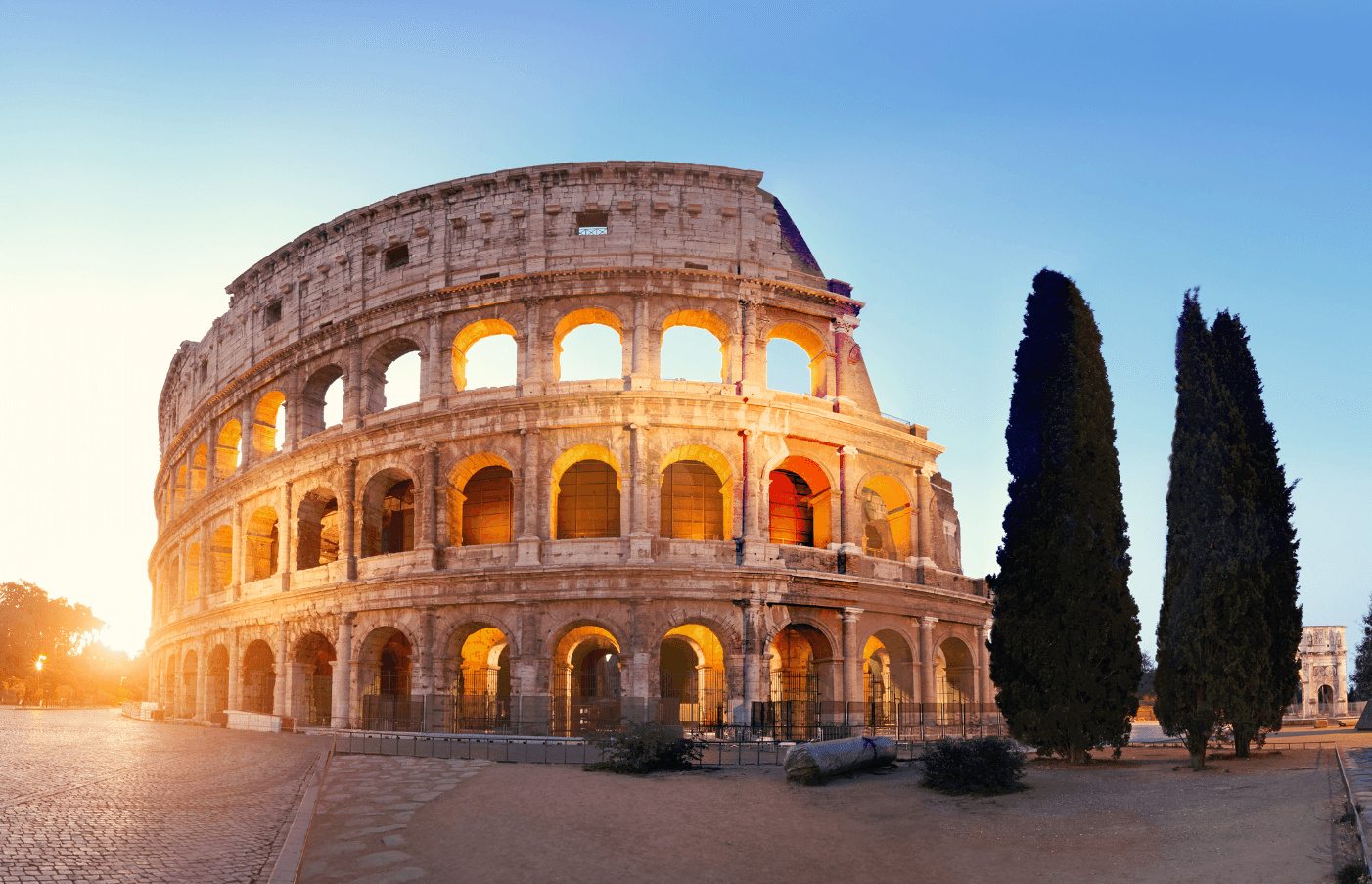
The journey ends in Barcelona, staying at the Mandarin Oriental on Passeig de Gràcia. Time here includes a visit to Park Güell, Gaudí's public park above the city, and a sailing trip along the coast to close the trip on the water rather than in it.
Alternative dates, routes, and ships are available for this itinerary. Speak to our team for a fully tailored version.
Day by day
This is a sample plan, not a fixed departure. Days can be added, removed or reordered, and almost every client changes something. Prices are an entry-level guide; your quote will be exact.
Day 1-2 Athens
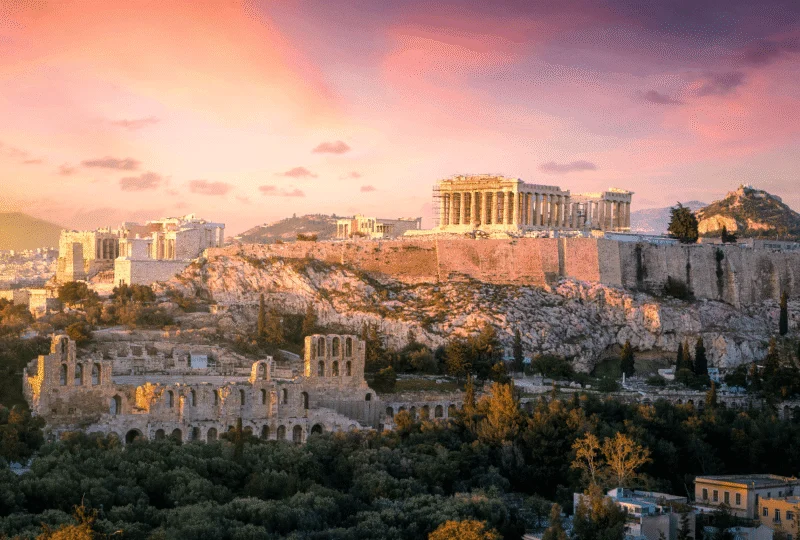
The trip begins in Athens, staying at the King George Hotel, a five-star property with a long history of its own, set directly opposite the Acropolis and within walking distance of the city’s oldest neighborhoods.
The first full day is spent with a private guide, moving through the Acropolis and the Parthenon before continuing into Plaka, the oldest surviving neighborhood in Athens, still built along its ancient street layout. The route is paced to take in the history in some depth rather than rushing between landmarks, with time given to the smaller sites and stories that a group tour typically skips.
In the evening, a Greek food walking tour moves through the city’s markets and family-run tavernas, tasting dishes like moussaka and baklava alongside the chefs and producers who make them. It’s less a food tour in the tasting-menu sense and more a walk through how Athenians actually eat.
Day 2-12 Seabourn Cruise
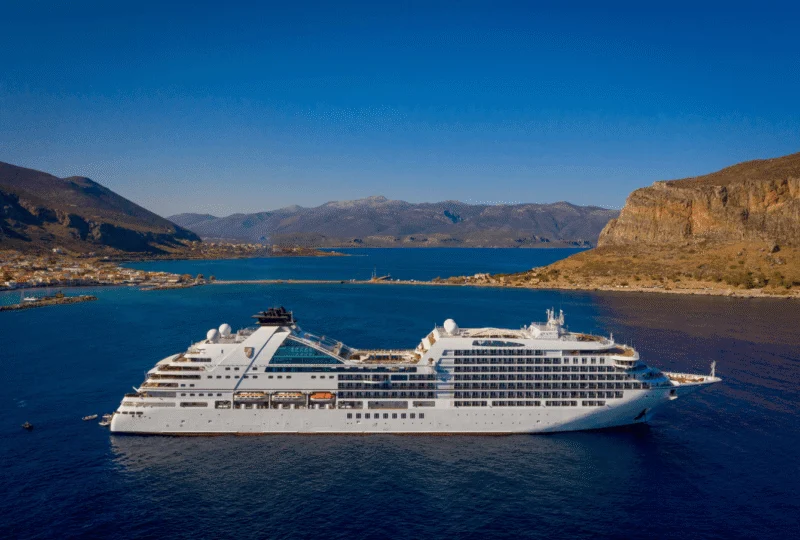
The next ten days are spent aboard Seabourn Sojourn, a ship that carries just 229 guests, small enough that service stays personal rather than scaled to a crowd. Days move between dining, onboard entertainment, and a rotating set of activities, with a different port to explore as each one comes into view.
The suite for this leg is an Ocean View Suite, at 295 square feet, with a separate living and dining area facing the water and a queen bed set apart from the rest of the room. The layout gives enough separation between sitting and sleeping space that the suite functions less like a cabin and more like a small apartment between ports.
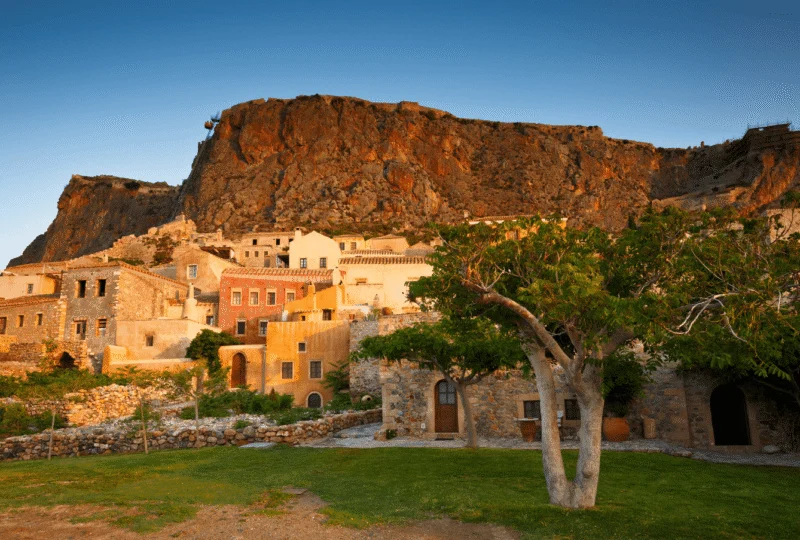
Monemvasia, Greece
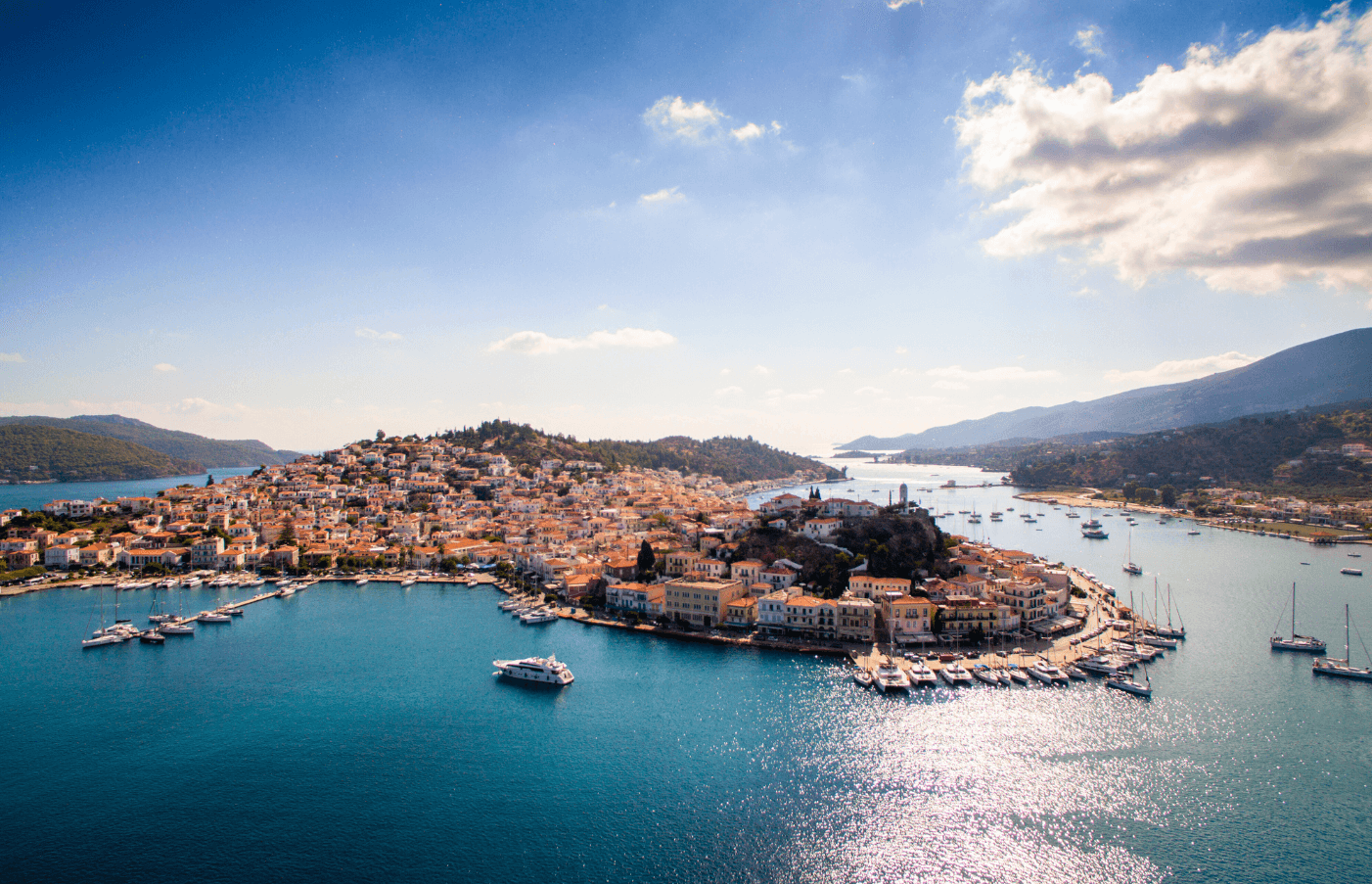
The first port of call is Monemvasia, a fortified town built into a single rock outcrop off the Peloponnese coast. It reads as an island from the water, though a narrow causeway connects it to the mainland, a detail easy to miss given how completely the rock dominates the approach.
Monemvasia was once a major medieval trading port, known across Europe for the Malmsey wine shipped out from here in the Middle Ages. What remains today is a walled town of cobbled lanes and Byzantine churches, largely untouched by the kind of development that’s changed much of the rest of the Greek coast. A walk through the fortress walls takes in small cafes tucked into the old stone, with the Aegean visible from almost every turn.
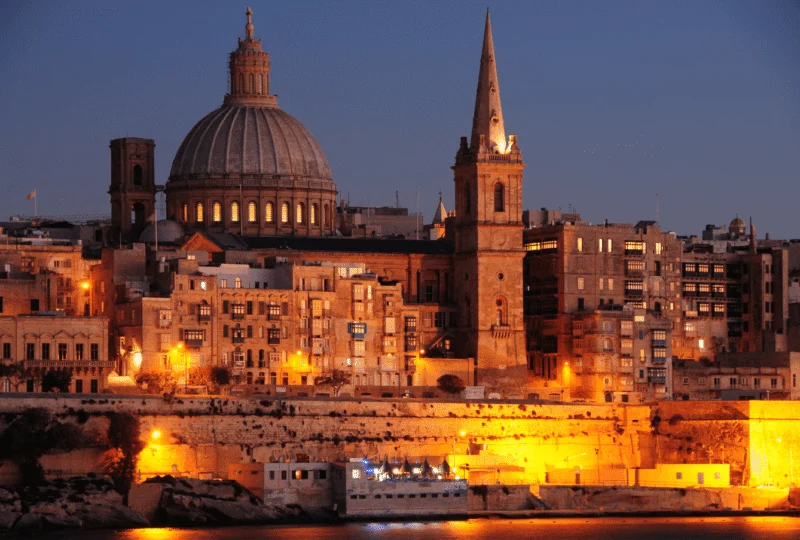
Valletta, Malta
Valletta, Malta’s capital, is a UNESCO World Heritage site built almost entirely from golden limestone, its baroque architecture and fortified streets largely unchanged since the 16th century.
Much of that architecture dates to the Knights of St. John, the military and religious order that built the city and left its mark across landmarks like St. John’s Co-Cathedral and the Grand Master’s Palace, both still standing much as they did under the Knights’ rule.
Malta’s more recent history is just as visible. During the Second World War, the island withstood a sustained German and Italian siege and bombing campaign without ever being occupied, a defense that earned the entire population the George Cross, one of the only times the honor has been awarded collectively rather than to an individual. Independent since 1964, Malta still carries that history in its fortifications, which continue to ring the harbors the sieges were fought to protect.
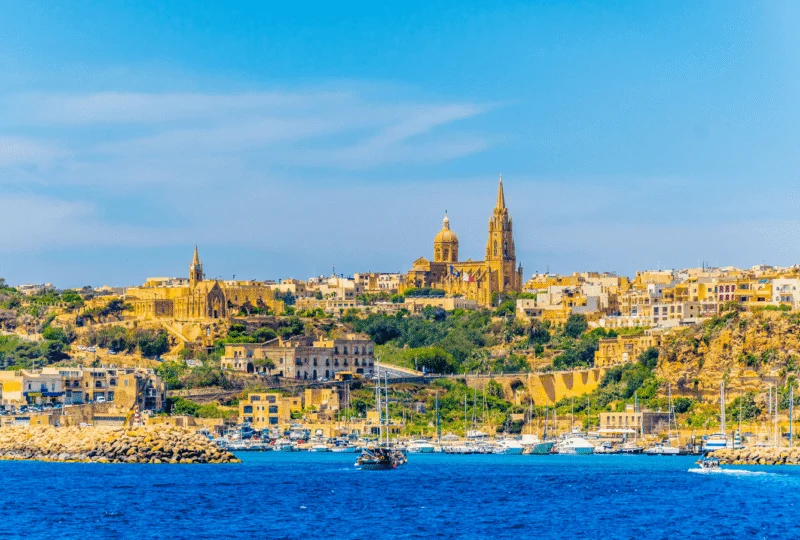
Mgarr (Victoria), Gozo, Malta
The next port is Mgarr, the small harbor town on Gozo, Malta’s quieter sister island. It’s rarely visited by larger cruise ships, more commonly reached by fishing boats and private yachts, which keeps it well outside the usual cruise circuit.
The Ggantija Temples, a short drive from the harbor, are one of the oldest freestanding structures in the world, predating both Stonehenge and the Egyptian pyramids. Beyond the temples, Gozo’s coastline holds a string of largely undeveloped beaches and small villages, along with Victoria, the island’s capital a few miles inland, known locally as Rabat, home to a centuries-old citadel and the parish church of St. George at its center.
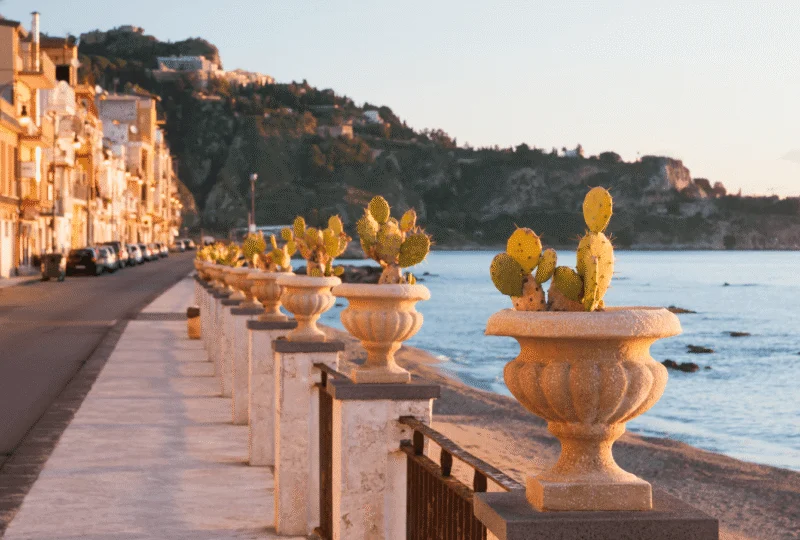
Giardini Naxos (Taormina), Italy
The harbor at Giardini Naxos sits on Sicily’s eastern coast, within easy reach of some of the island’s most significant ancient sites and natural landmarks.
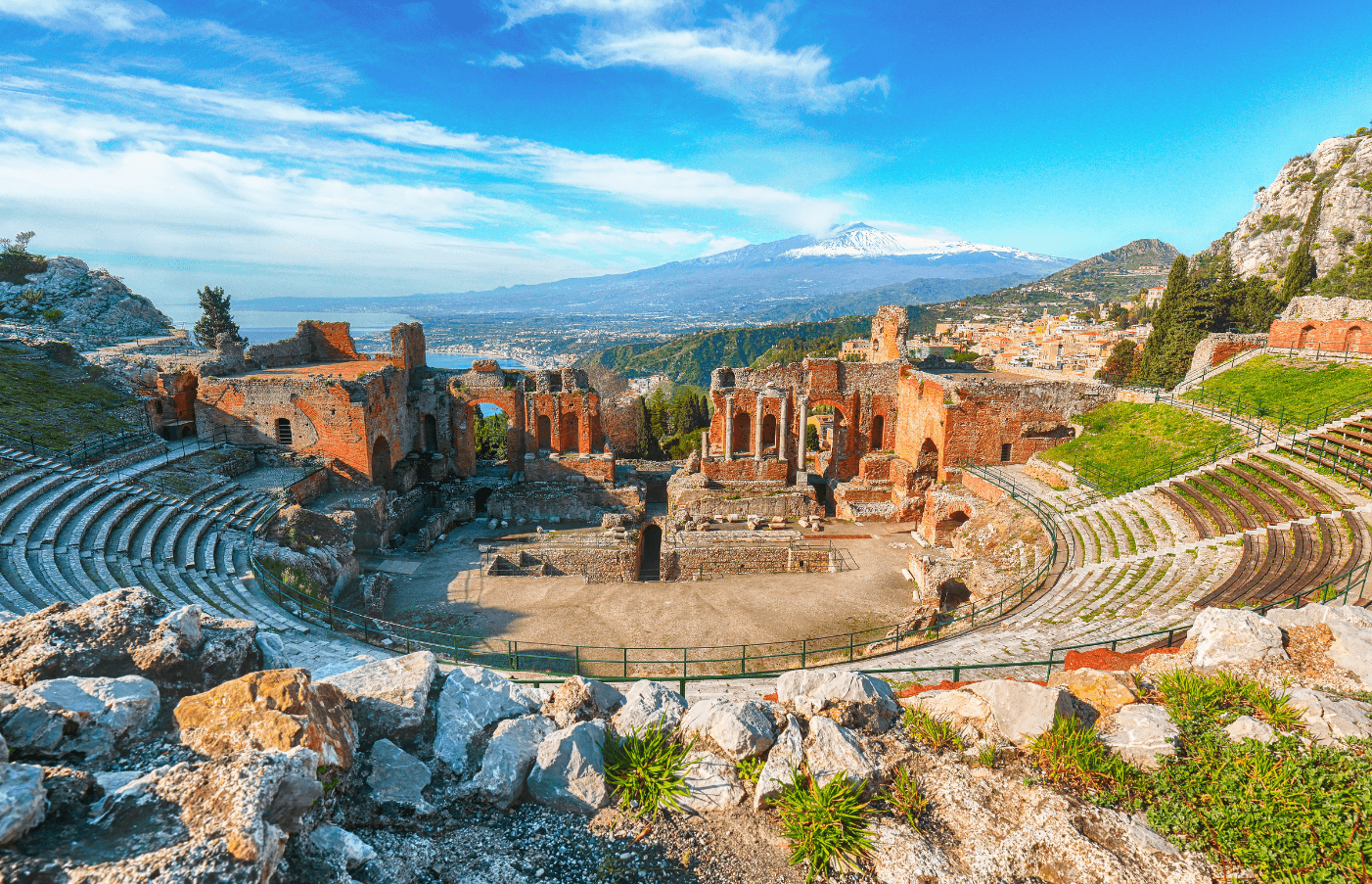
A short drive up the cliffside brings you to Taormina, home to a Greco-Roman theater with a direct view out over the sea, one of Italy’s best-preserved ancient sites and still used for performances today. The town itself is worth slowing down for. Its main streets are lined with boutiques and cafes built into buildings that have stood for centuries.
Back at sea level, Giardini Naxos has its own draw in Lido Europa, a stretch of sand that makes for an easy afternoon without the climb. For those who’d rather spend the day inland, Mount Etna is reachable from here too, one of the few places in the world where an active volcano can be observed this closely, with guided routes taking visitors up to a safe vantage point on its slopes.
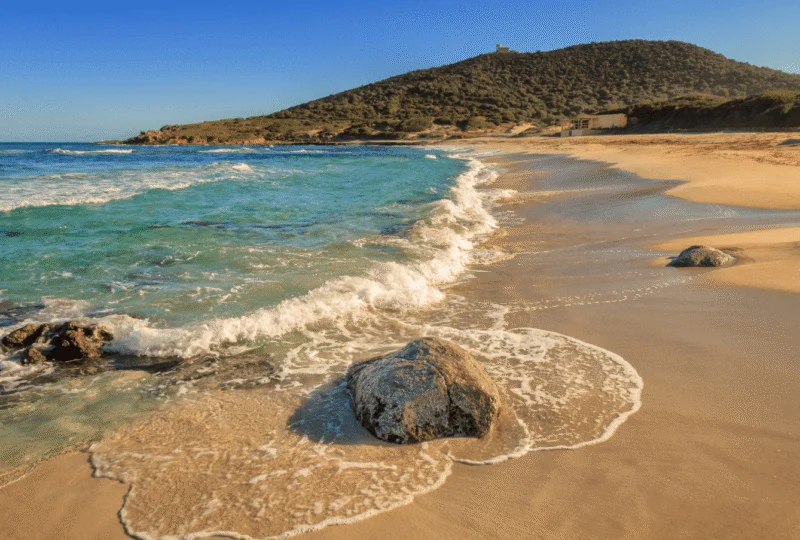
Ile-Rousse, Corsica, France
The route continues to Ile-Rousse, on Corsica’s northwest coast, a town built around sandy beaches and a slower pace than most French Mediterranean ports. Time here can be spent moving through the town’s market, walking the marina, or heading inland into Corsica’s mountainous interior, which offers a different kind of scenery entirely and a clear sense of how separate this island’s culture is from mainland France.
The main square is shaded by palm trees over a century old, where locals still gather for games of pétanque most afternoons. Further inland, the island’s rugged maquis scrubland, the same terrain Dumas wrote through in The Corsican Brothers, gives a sense of how isolated much of Corsica’s interior remains, even a short drive from the coast.
Between its old town and its wilder inland reach, Ile-Rousse holds two versions of Corsica within a single stop.
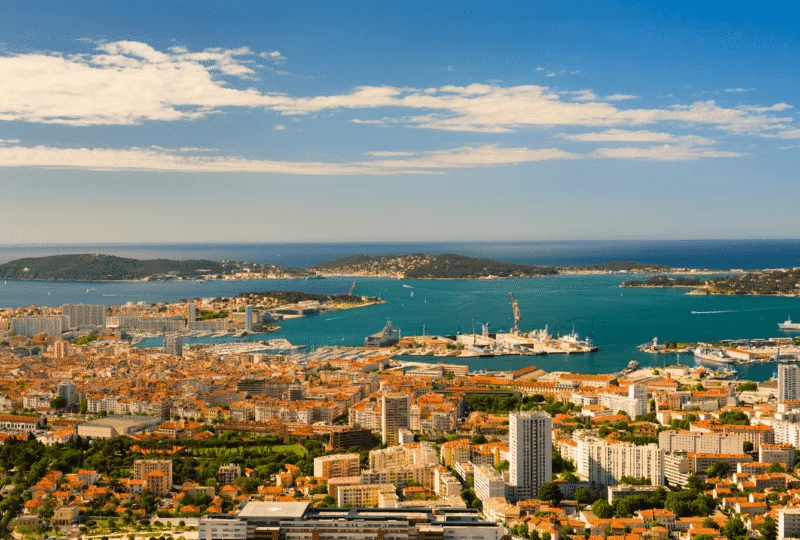
Toulon, France
The next stop is Toulon, a naval city with centuries of maritime history behind it and one of the main gateways into the French Riviera.
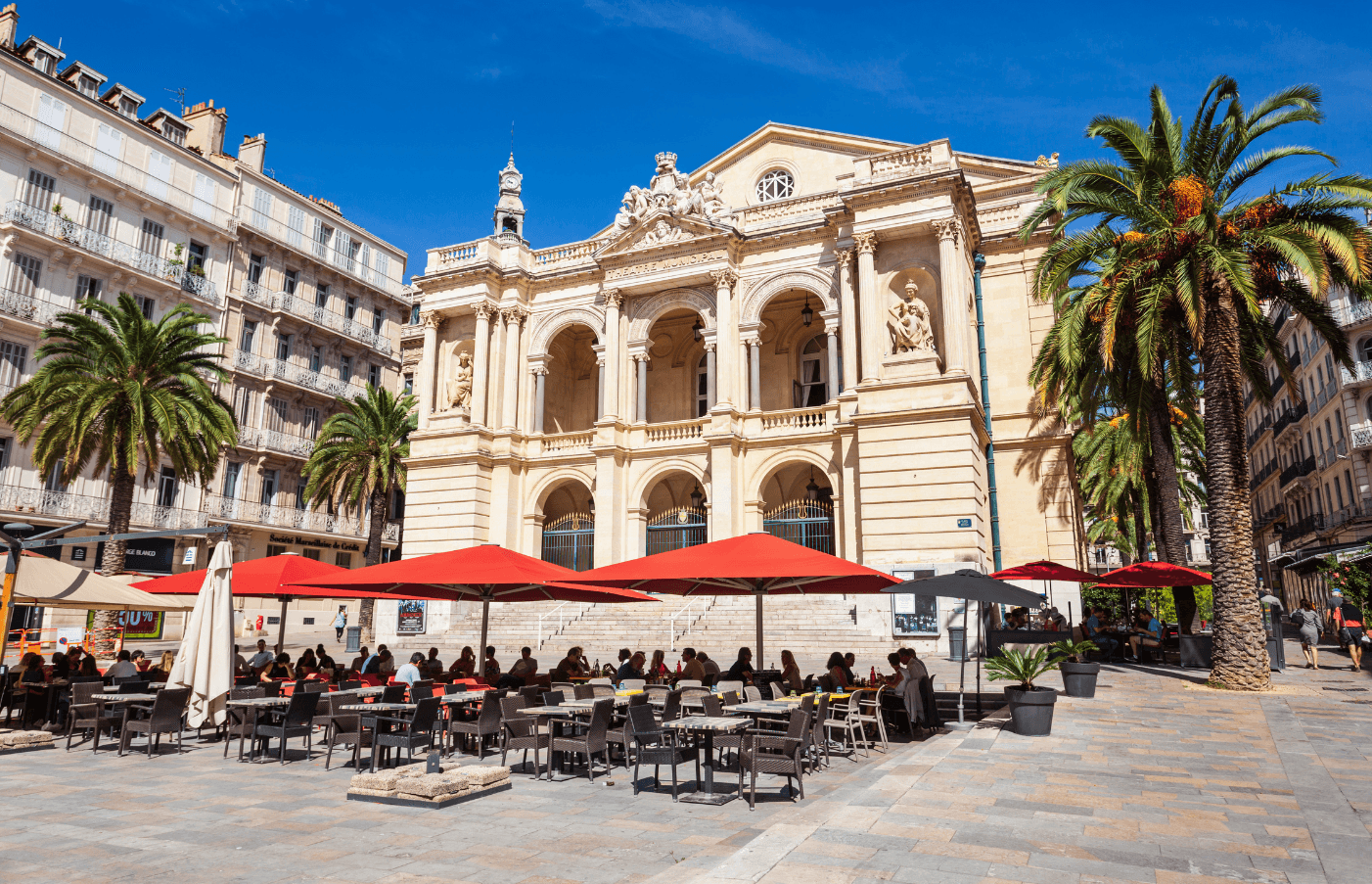
The Old Town sits close to the waterfront, its narrow lanes opening onto small squares built around fountains, many dating back to the city’s period as France’s principal Mediterranean naval base. The Naval Museum covers that history directly, and the surrounding streets are a good place to eat, with Provençal cooking built on the produce and seafood this coast is known for. A cable car runs up Mont Faron, giving sweeping views over the city and harbor without the effort of the road up, a route well known among cyclists for how demanding it is.
Between its naval history and its Provençal character, Toulon offers a different read on French Mediterranean life than the more polished resort towns further along the coast.
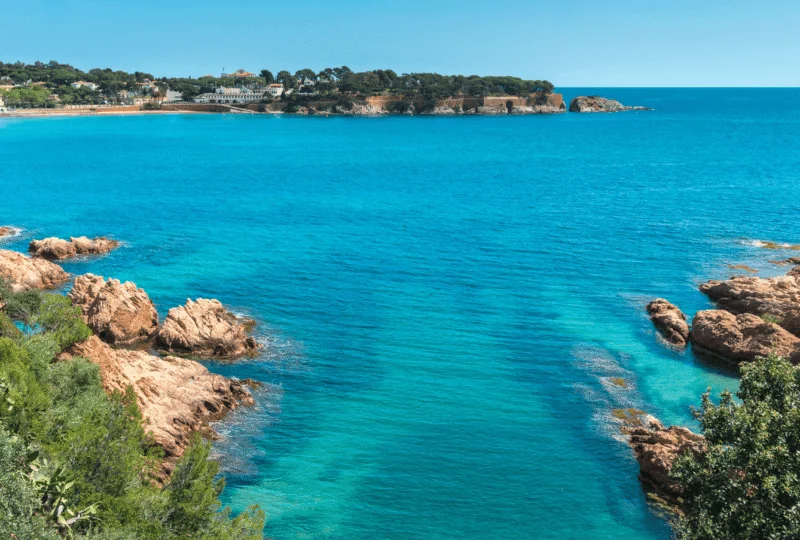
Palamos, Spain
The final stop is Palamós, a Catalan fishing town at the southern end of the Costa Brava, backed by the last stretch of hills before the coast flattens out toward Barcelona.
The town has seven beaches within its limits, along with real depth in its history. The Castell de Sant Esteve de Mar, a ruined medieval castle on the cliffs above La Fosca beach, sits on ground first settled far earlier: the nearby Castell de la Fosca Iberian site dates to the 6th century BC, one of the oldest documented settlements on this stretch of coast. Santa Maria de Palamós, the town’s oldest surviving building and its main parish church, anchors the old town itself.
Fishing still shapes daily life here more than tourism does, and the seafood reflects it. A walk through the old quarter’s narrow streets, a stop at the harborside Fishing Museum, and a plate of whatever came in that morning make for as authentic an afternoon as this coast offers.
The ship docks in Barcelona on the final day, marking the start of the next leg of the trip.
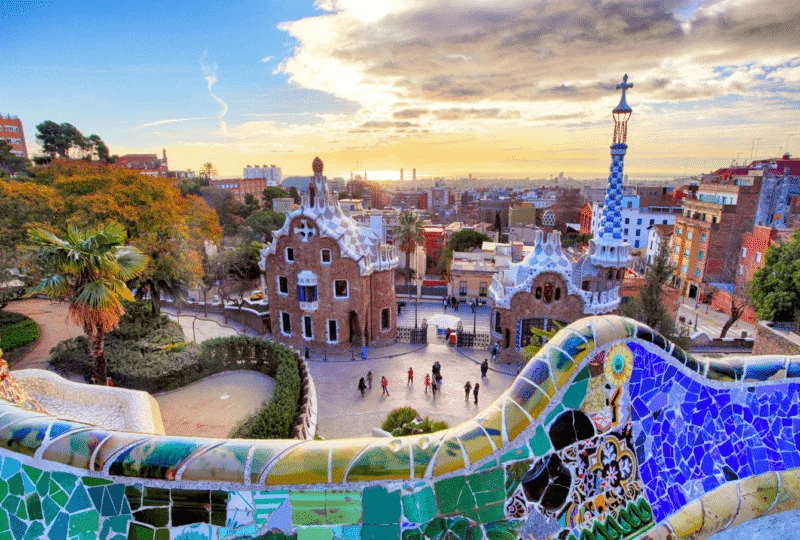
Day 12-14 Barcelona
The trip closes in Barcelona, staying at the Mandarin Oriental on Passeig de Gràcia, in the heart of the city’s most walkable district. A private tour takes in Park Güell, the public park Gaudí designed around the natural contours of the hillside, its mosaic-covered benches and structures still among the clearest examples of his style anywhere in the city.
The final evening is spent on the water, a sunset sail along the coast with Barcelona’s skyline as the backdrop. It’s a quiet way to close out a trip built on ports and cities, watching the city’s lights come up from the sea rather than moving through them on foot.
Our Experts

Greece is one of our clients' most popular destinations. The combination of history in Athens and beach life in the islands is a brilliant combination.

Island hopping in Greece is one of my favorite travel experiences. The cobbled streets of Mykonos and the bright blue domes of Santorini are picture perfect.
Stellar service. Stellar products. Stellar people and it gets so much better when you pick up the phone and call.
Anthony S.
Super client centred service. From first contact I have had warm, efficient, friendly and flexible service.
John
I’m confident in giving Out Of Office a 5-star review! They are one of the leaders in this space without a doubt.
Tiberiu
Similar tours
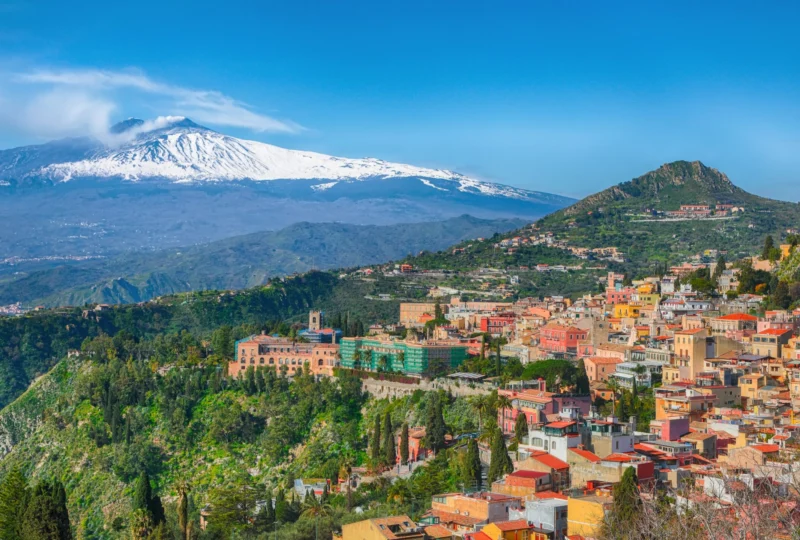
Gay Group Trip: Sicily & Malta Explorer
Catania · Siracusa · Malta Group TripTwo islands and three thousand years of Mediterranean history, brought together in ten days. This LGBTQ+ group trip moves from the volcanic baroque of Catania and the slopes of Mount Etna, through the old island city of Ortigia in Siracusa, and across the sea from Sicily to Malta, one of the most progressive countries in Europe for LGBTQ+ travelers.
10 days group departure from $4,790 per person View trip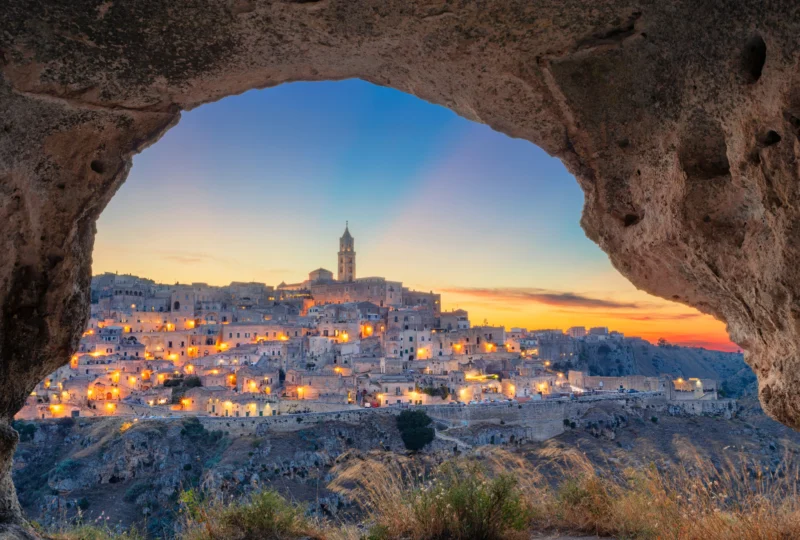
Luxury Gay Matera & Puglia Tour: Caves, Masserie & Coast
Tailor-made VacationThere are few places in Europe quite like Matera. Carved into a limestone ravine, its ancient Sassi are a maze of cave dwellings, rock-cut churches, hidden courtyards and steep lanes that seem to fold into one another.
8 days tailor-made from $7,545 per person View trip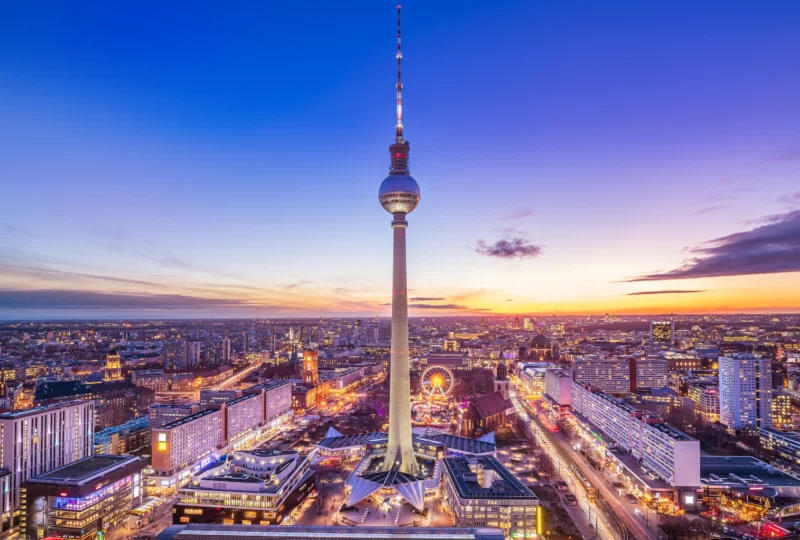
World War II Tour of Europe: London, Normandy, Berlin & Krakow
Tailor-made VacationThis route follows the war's actual turning points, London's underground command center, the beaches where the Allies broke through, the capital of the regime being fought, and the site of its worst crime, in something close to chronological order. Four stops, each one a different piece of how the war was run, fought, caused, and ultimately answered for.
12 days tailor-made from $9,775 per person View tripThe best trips begin with a conversation, not a booking form.
Frequently asked questions
What does Out Of Office do?
Out Of Office is a luxury LGBTQ+ travel company specializing in tailor-made vacations and extraordinary journeys around the world. We create bespoke luxury vacations, LGBTQ+ honeymoons, safaris, cruises, beach escapes, private tours and group trips, with every itinerary designed around you. Our travel specialists combine global expertise, first-hand destination knowledge and trusted local partners to create seamless, highly personalized experiences.
Is Out Of Office a gay travel agency?
Out Of Office is an LGBTQ+ owned and run luxury travel specialist, with particular expertise in gay and LGBTQ+ travel. We understand the additional considerations that can come with traveling as an LGBTQ+ person or couple, from local laws and customs to finding genuinely welcoming hotels and experiences.
We welcome every traveler, including friends, families and allies. Many of our clients are not members of the LGBTQ+ community, but choose Out Of Office for our luxury travel expertise, personalized service and discretion.
Do you create tailor-made LGBTQ+ vacations?
Yes. Every tailor-made trip with Out Of Office is designed from scratch around your interests, travel style, budget and the way you want to experience a destination. We can arrange luxury hotels, private transfers, flights, guides, excursions, cruises and special experiences as part of one personalized itinerary. The journeys shown on our website are there to inspire you rather than restrict you; only clearly identified group departures operate as fixed itineraries.
How do you choose LGBTQ+ friendly hotels and destinations?
We combine first-hand destination knowledge with trusted local expertise to recommend luxury hotels, resorts and experiences where LGBTQ+ travelers can feel informed and welcome. We also consider the laws, customs and attitudes of each destination, because LGBTQ+ rights and experiences differ around the world. Our team regularly visit many of the properties we work with and where a destination requires greater awareness, we give you clear and considered advice so that you can make an informed decision about where and how you travel.

We plant trees for every booking
For every booking made with Out Of Office we commit to planting trees in your name to help reduce the impact of travel on future generations. You'll even get a link to see where your trees are planted in the world via our partner Ecologi.


We donate to Rainbow Railroad with every booking
Rainbow Railroad helps LGBTQ+ people escape state-sponsored violence and persecution. A donation goes with every trip we sell, funded by us and never added to your price.

Start Planning Your Trip
Tell us where you would love to go, when you are thinking of traveling and what kind of trip you have in mind. One of our LGBTQ+ travel specialists will create a tailor-made itinerary designed around your destination, style and preferences.
One named specialist, first inquiry to homecoming. No call center, and nothing is charged until you decide to book.