







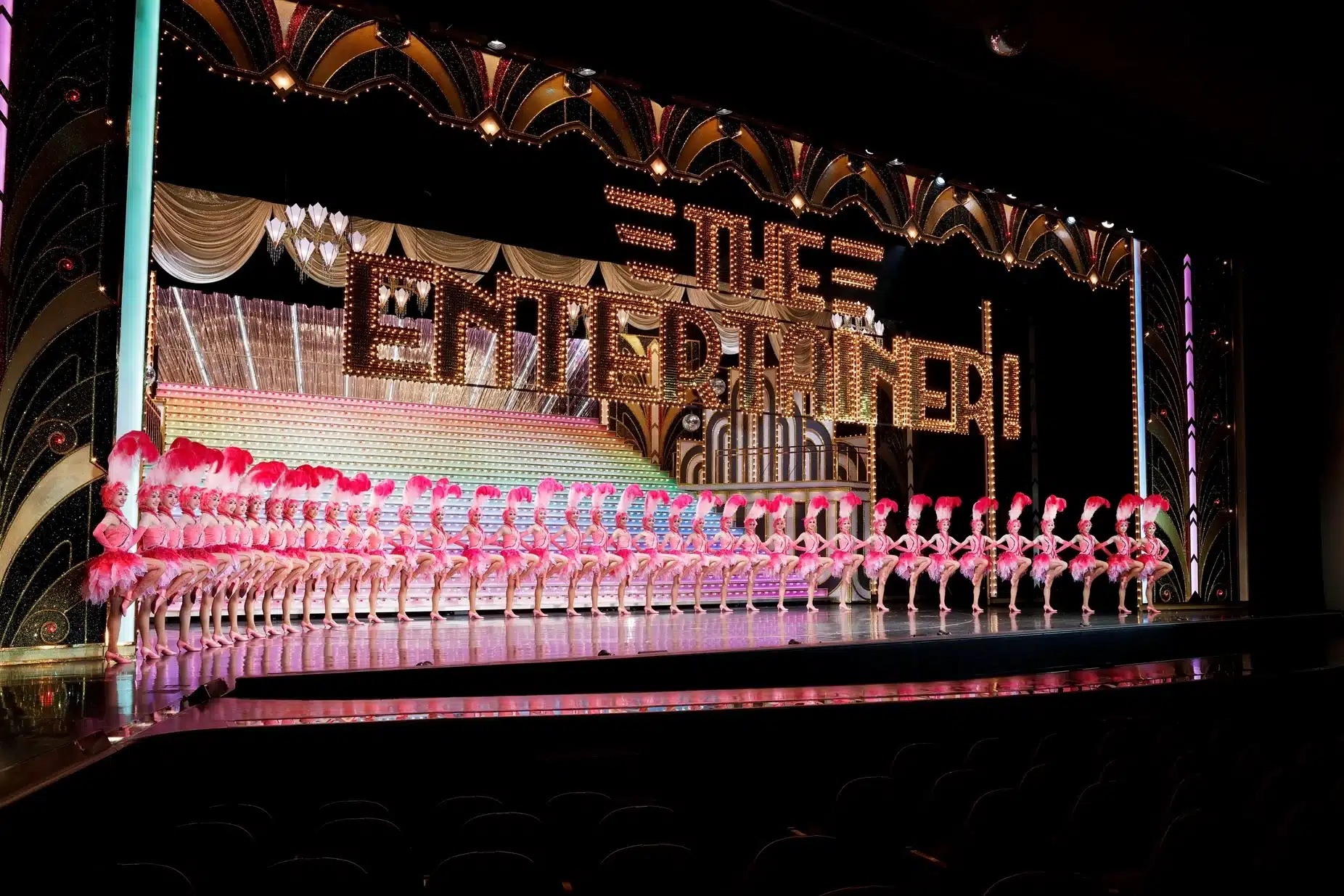
Moment · Japan
Takarazuka: An Evening at Japan’s All-Female Revue
Watch the all-female Takarazuka Revue, where women play every role, from dashing leading men in feathered finales to the heroines they court.
A Century of the Revue
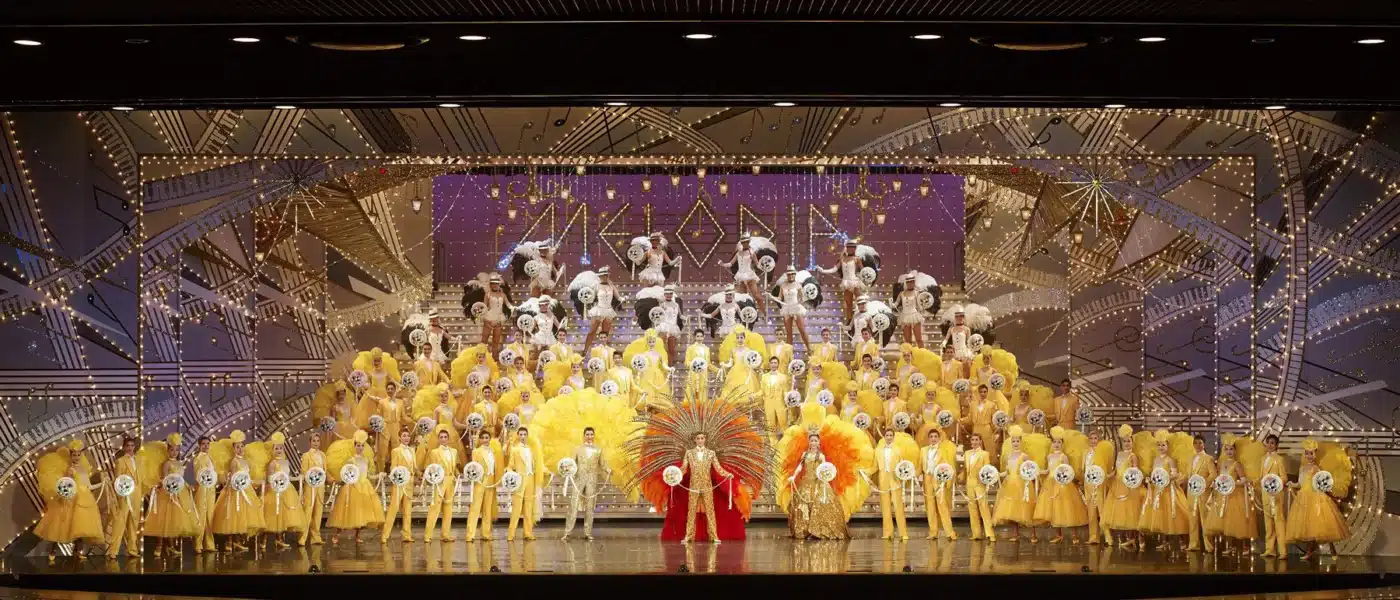
The Takarazuka Revue has been performing since 1914. Every role is played by women, from heroines and villains to the dashing leading men, and its shows mix Broadway, French revue, and Japanese storytelling on a grand scale.
The company was founded by Kobayashi Ichizo, the head of the Hankyu railway, to draw visitors to the spa town of Takarazuka near Osaka. It now plays to around two million people a year.
With a guide who knows its world, an evening at Takarazuka becomes far more than a night at the theater.
The Grand Theater and the Flower Road
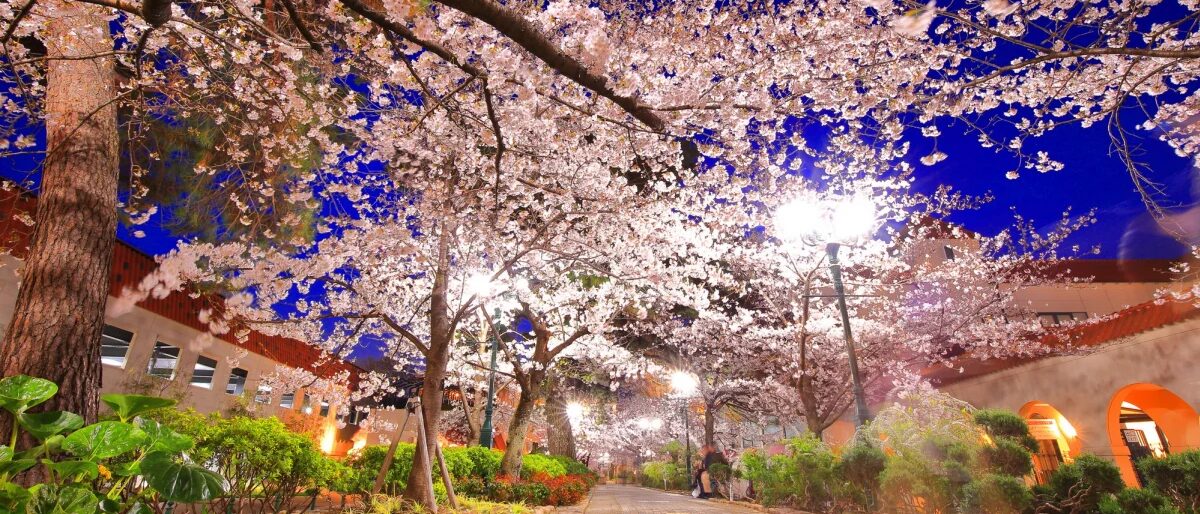
In Takarazuka itself, a walk known as the Flower Road leads from the station to the Takarazuka Grand Theater, which first opened in 1924. New productions premiere here before moving to Tokyo, so this is where the company feels most at home.
Nearby, the Osamu Tezuka Manga Museum honors the artist who grew up in the town and was shaped by the shows. Many visitors make a full day of it, arriving early to walk the town before the curtain rises.
The Tokyo Takarazuka Theater
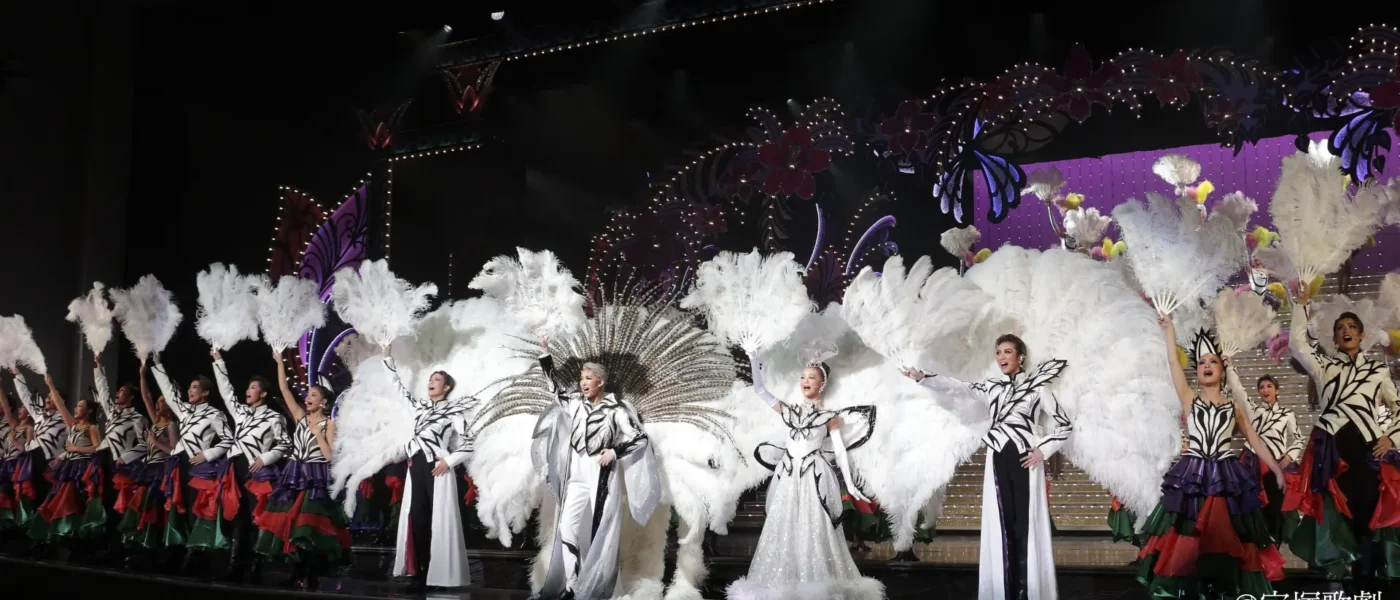
In Tokyo, the company performs at its own theater in Hibiya, the city’s theater district, right beside the Imperial Hotel. It has red carpets, chandeliers, and a sweeping staircase, and the stage matches the one in Takarazuka.
If your trip is centered on Tokyo, this is the easier way to see a show, and the neighborhood is ideal for dinner before or after.
Tell us where your mind keeps going back to. We will do the rest.
Request a quote →The Otokoyaku
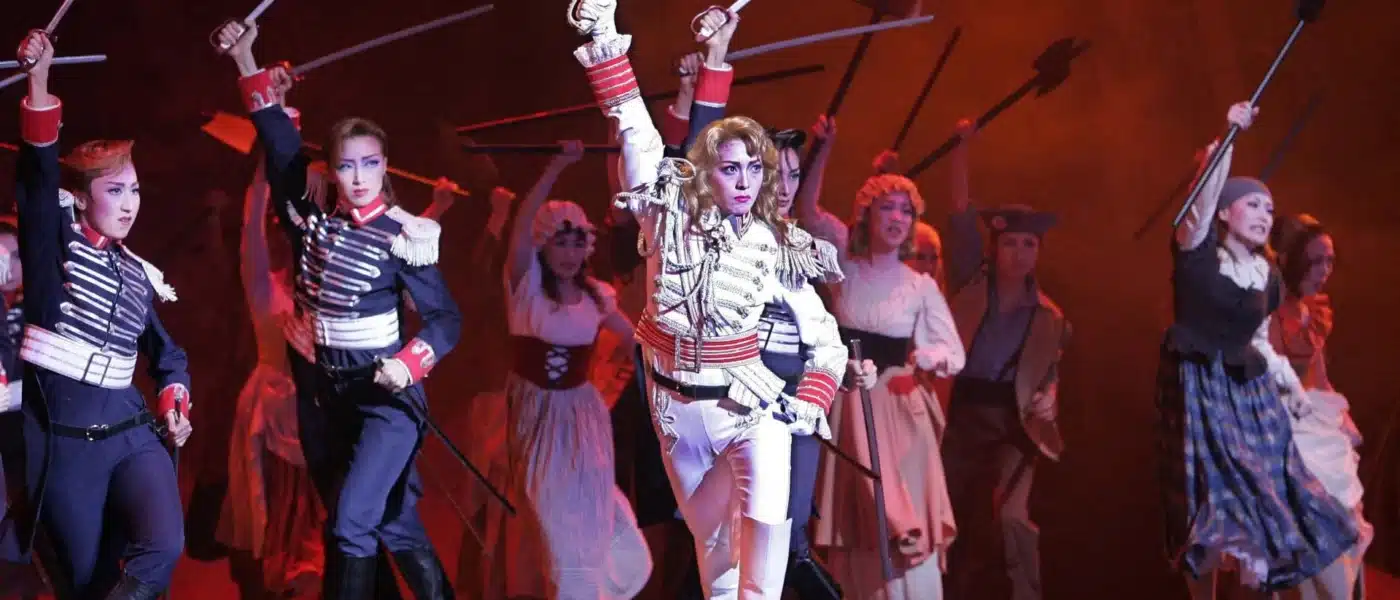
The stars of Takarazuka are the otokoyaku, the women who specialize in male roles. They train for two years at the Takarazuka Music School, which accepts only a small number of applicants each year, and then spend years perfecting a stylized, romantic masculinity on stage.
The women who play female roles are known as musumeyaku. Together they perform in five troupes, each with its own style, and the shows end with a spectacular revue in which the top stars descend a giant staircase in feathered costumes.
A Devoted Following
Takarazuka’s audience is overwhelmingly female, and its fan clubs are famously organized. Before and after performances, members often line the street in matching colors to greet their favorite stars.
The company has also long had a devoted following among lesbian and queer women. Scholars such as the anthropologist Jennifer Robertson have written about how Takarazuka has played with gender since the 1930s, and for many fans, the otokoyaku remains one of the most fascinating figures in Japanese popular culture.
Seeing a Show
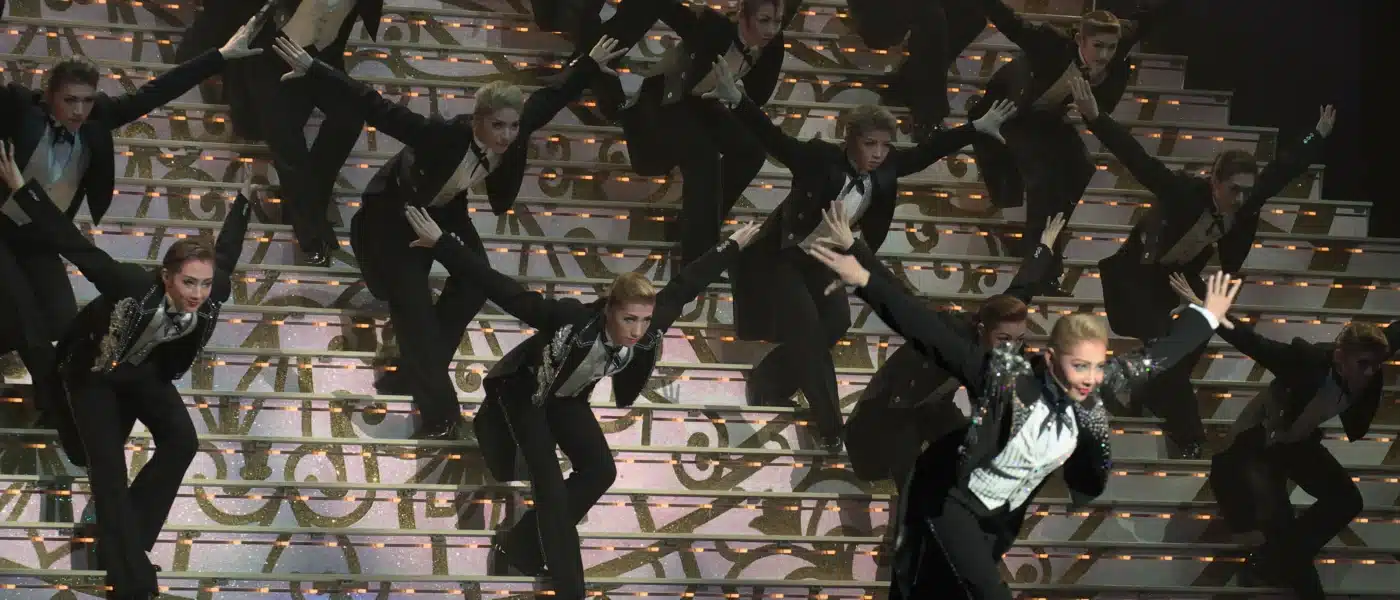
Performances run for several hours, usually in two parts: a musical drama followed by the revue. Recent seasons have included adaptations of Western musicals as well as historical romances and stories based on Japanese manga.
English support varies from show to show, so a guide who can explain the story and the conventions beforehand makes the evening much easier to enjoy.
Planning Your Takarazuka Experience
Tickets are in high demand and often sell out quickly, so it is worth planning well ahead. Takarazuka is around 30 minutes by train from Osaka, and the Tokyo theater is a short walk from Ginza. Shows take place most days, with some dark days each month.
Out Of Office can secure your tickets, arrange a guide to brief you before the performance and reserve dinner nearby. Your LGBTQ+ travel specialist can also build the evening into one of our culture vacations or a longer journey through Japan.
The best trips begin with a conversation, not a booking form.
Tell us how you would like the trip to feel, and a specialist will take it from there.
More Moments in Japan
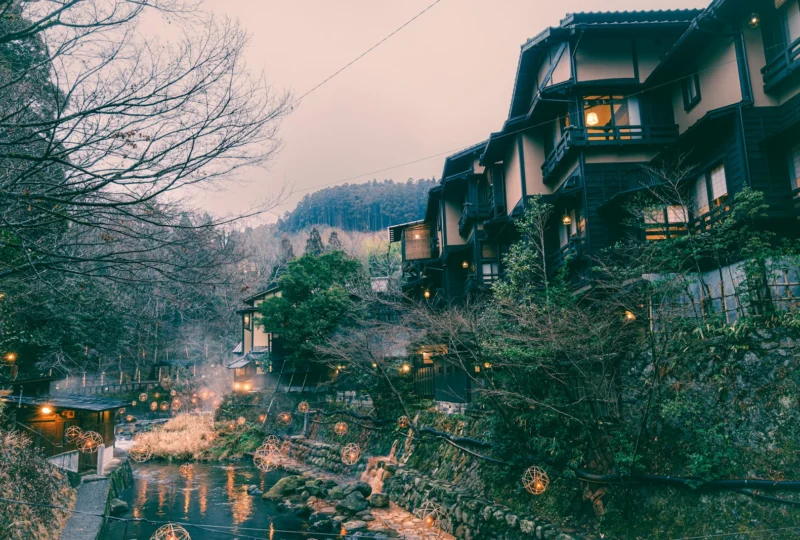
Kinosaki Onsen After Hours, with a Private Bath for Two
A Town Built for Bathing Kinosaki Onsen is a small canal town on the north coast of Hyogo Prefecture, shaped almost entirely by water. For over 1,300 years people have come not for temples or views but to bathe. Its seven public bathhouses line a willow-edged canal, all fed from the same geothermal source and each with its own history and character.
Discover more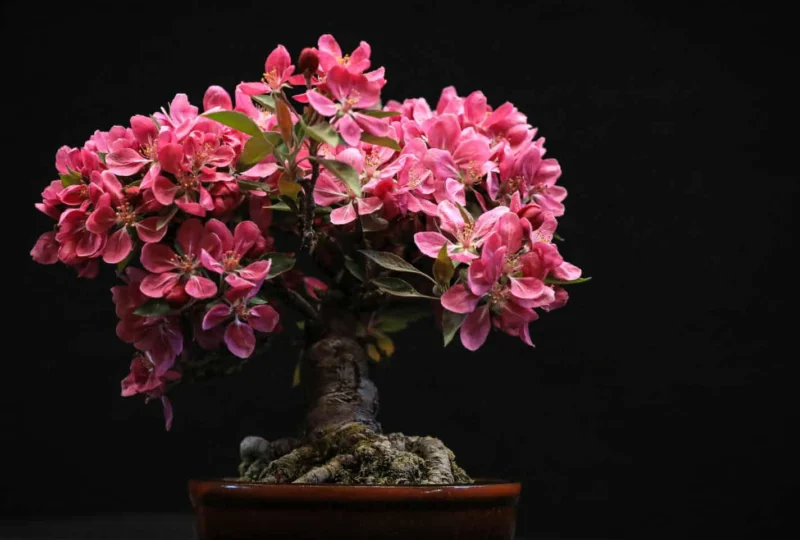
A Private Bonsai Workshop with a Master in Omiya Bonsai Village
From Chinese Penjing to Zen Discipline Bonsai began in Tang dynasty China as penjing, miniature landscapes arranged in trays. Buddhist monks brought it to Japan in the Heian period, where it became an art of the single tree rather than the composed scene, closely linked to Zen: simplicity, restraint and balance as expressions of a worldview, not mere style.
Discover more
Arashiyama’s Bamboo Grove at First Light, with a Private Photographer
A Courtly Retreat and a Famous Sound Arashiyama became a favorite escape in the Heian period, when members of the imperial court came to flee the summer heat and enjoy nature. The bamboo that defines the grove was first grown for practical things like baskets and fencing, but it gained cultural meaning as nearby temples, including Tenryu-ji, brought it into their practice.
Discover more
We plant trees for every booking
For every booking made with Out Of Office we commit to planting trees in your name to help reduce the impact of travel on future generations. You'll even get a link to see where your trees are planted in the world via our partner Ecologi.


We donate to Rainbow Railroad with every booking
Rainbow Railroad helps LGBTQ+ people escape state-sponsored violence and persecution. A donation goes with every trip we sell, funded by us and never added to your price.


Start Planning Your Trip
Tell us where you would love to go, when you are thinking of traveling and what kind of trip you have in mind. One of our LGBTQ+ travel specialists will create a tailor-made itinerary designed around your destination, style and preferences.
One named specialist, first inquiry to homecoming. No call center, and nothing is charged until you decide to book.