







Moment · Italy
Leonardo’s Last Supper in Milan, on a Private Visit
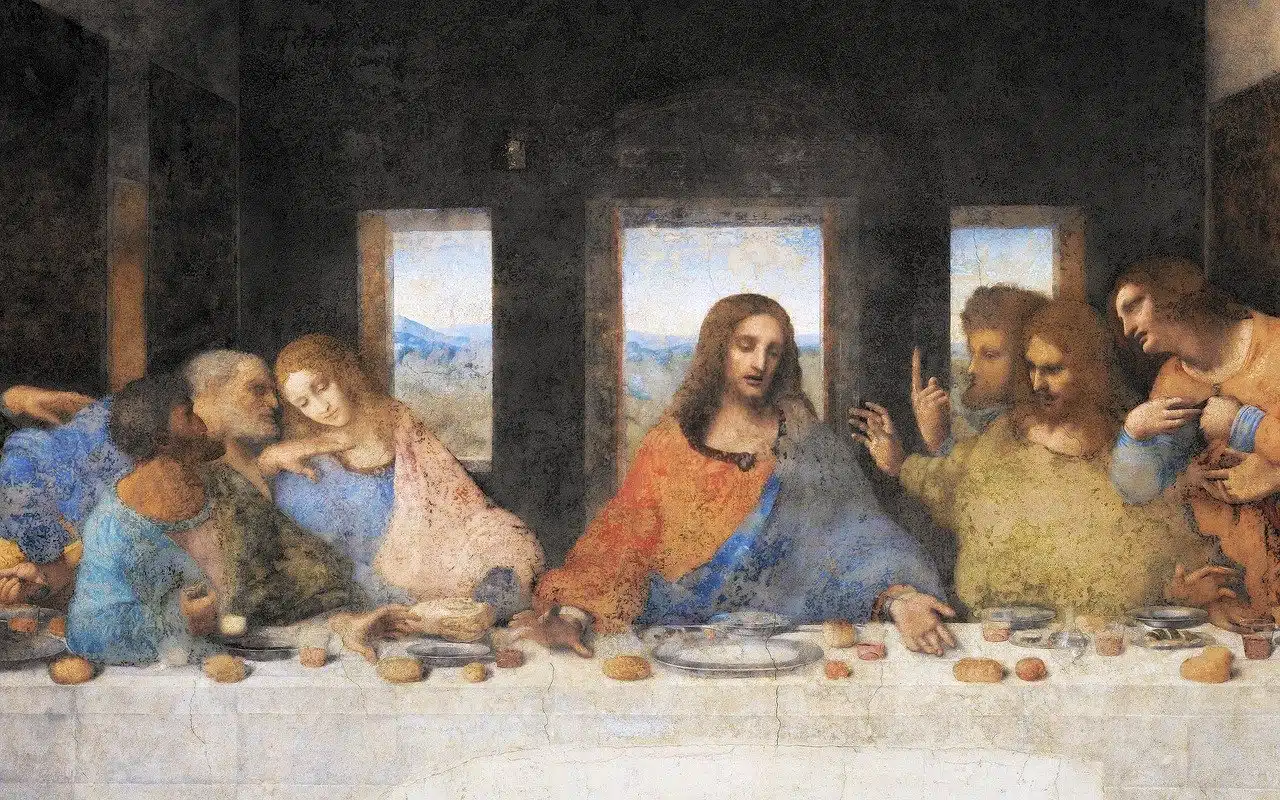
Stand before Leonardo's mural in near silence at Santa Maria delle Grazie, with time to see its fragile beauty rather than a hurried slot.
A Plain Room and an Extraordinary Wall
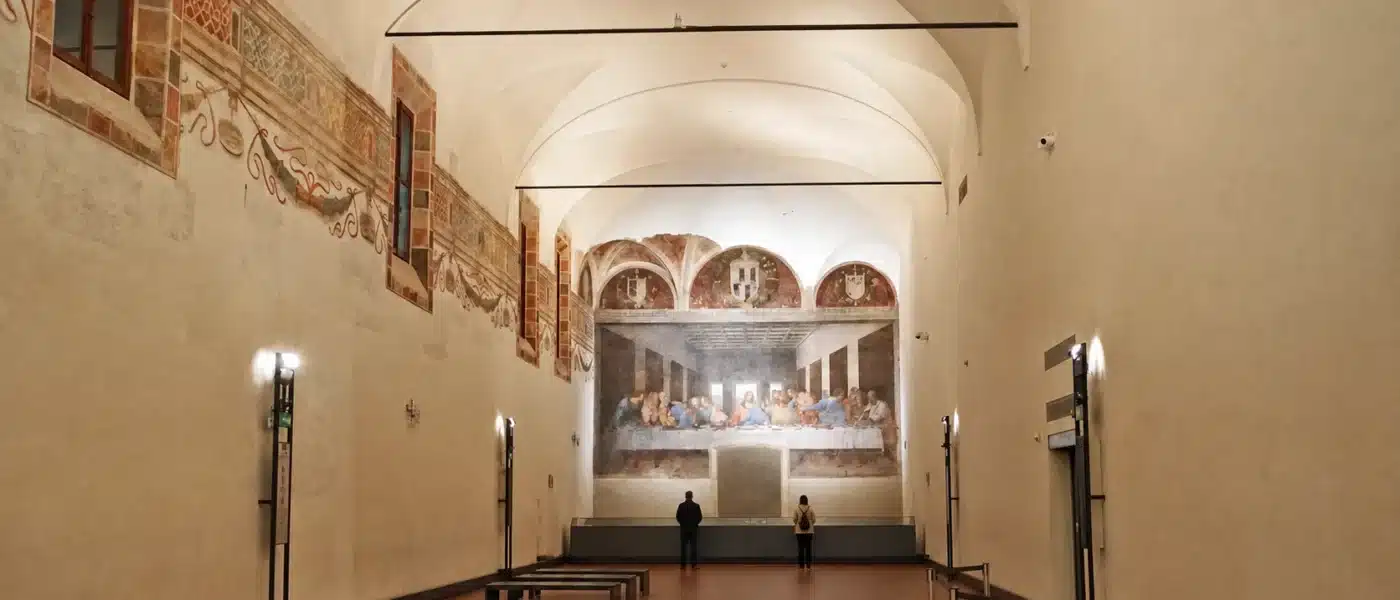
Tucked away in the old dining hall of Santa Maria delle Grazie, a Dominican convent in a calm part of Milan, is a painting scholars have studied and travelers have longed to see for centuries. You may think you know it from a lifetime of copies, lectures and books, but the first glimpse of the real thing, filling the end wall, still takes your breath away. The room around it is bare and simple, which only sharpens the painting’s presence.
Usually you see it within tightly timed groups: efficient but quick, a short window shoulder to shoulder with dozens of others racing to take it all in before the doors open for the next group, which turns contemplation into mere looking.
With only a handful of people, the refectory grows calm, the light settles more gently on the faded pigment and the architectural lines sharpen. You can walk the whole hall, stop, and drift back to the middle unhurried, and the figures seem warmer, closer and far more moving than any copy suggests.
Leonardo’s Experiment
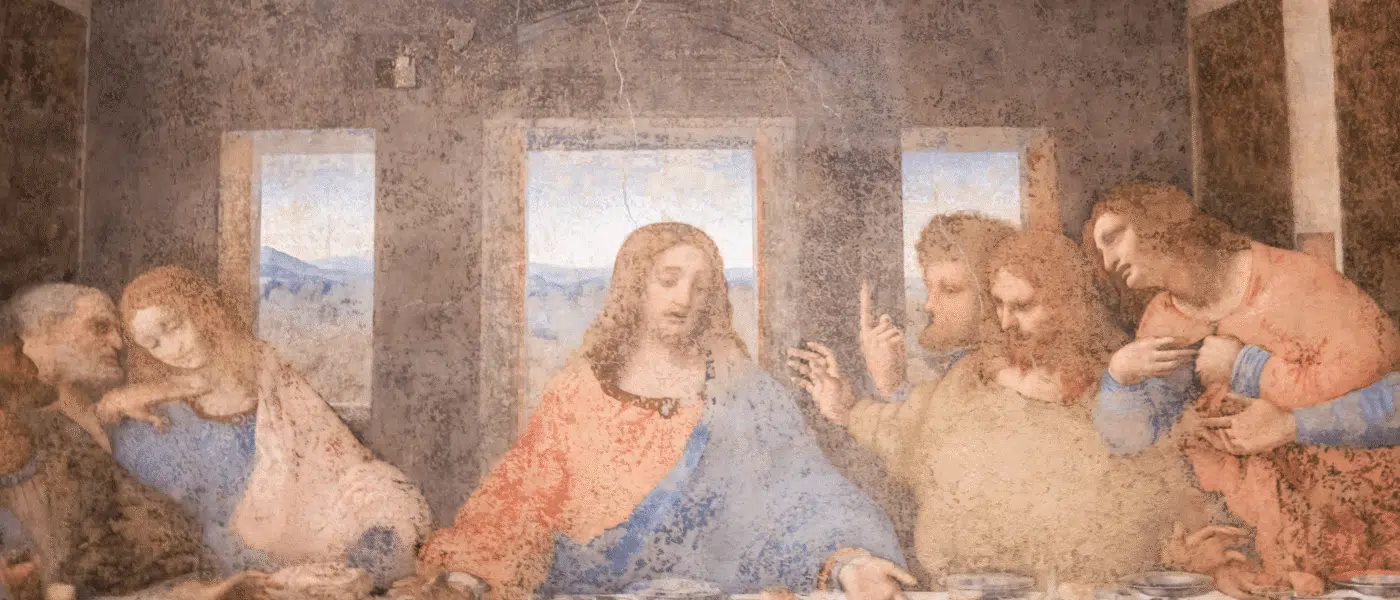
Leonardo worked on it in the late fifteenth century for Milan’s ruler Ludovico Sforza, who had lured him from Florence to serve as engineer as well as painter. Rather than painting into wet plaster as fresco demands, he tried a new mix of tempera and oil on a dry wall, which gave him finer detail and softer modeling but left the image at the mercy of damp; preserving it has been a struggle ever since, which is why access is so tightly controlled.
The scene is of the moment Christ announces that a disciple will betray him. Leonardo painted the shock itself rather than a still tableau, each apostle reacting in his own way so the drama ripples along the table, while converging lines pull your eye inward and the loggia painted behind Christ seems to push the room beyond its wall, an illusion that’s startling in person.
For centuries the painting has been at the heart of debates on technique, symbolism and restoration, and it has survived neglect, wartime damage and environmental harm. Its biggest restoration, completed at the end of the last century, stripped away later repainting to uncover a paler, more delicate range of color nearer to what Leonardo intended. Because it is so fragile, visitors are rationed, places vanish quickly and ordinary visits are short.
Why It Deserves More Time
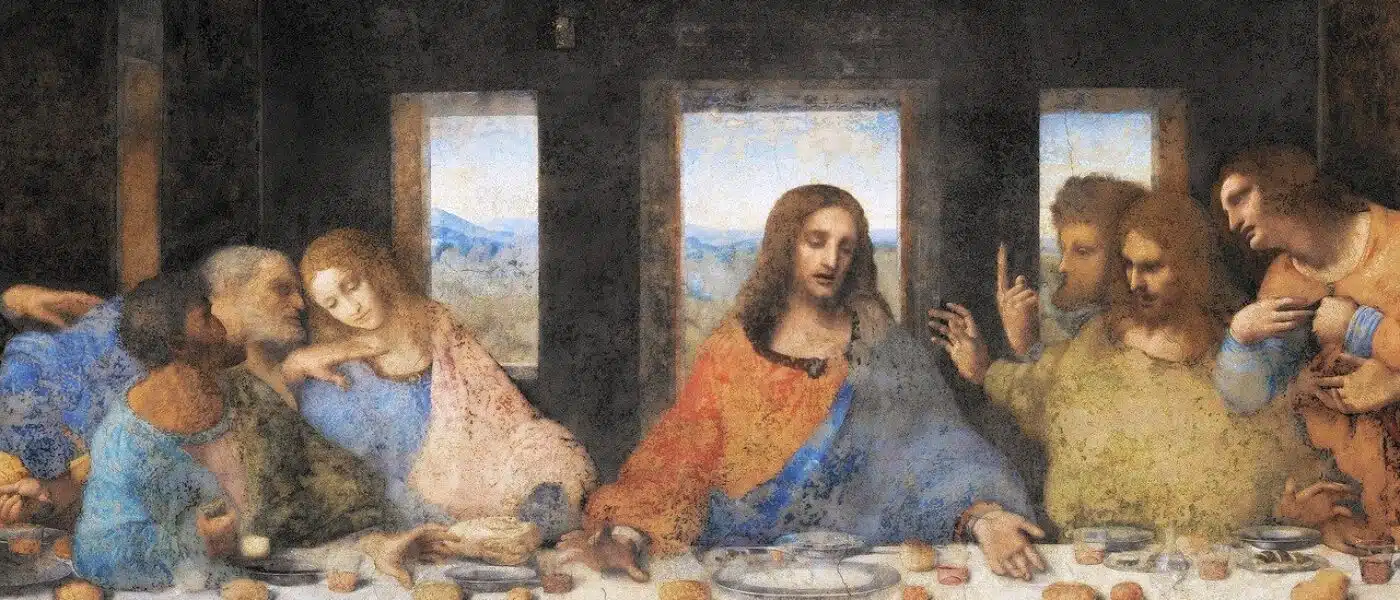
Visiting privately or in a small group gives the mural the time and space it deserves. You enter with just a few others, and your guide sets the pace so you can see the composition from different points in the room. Without background noise, you notice the tension in the apostles’ gestures, the gentleness of Christ’s face and the way light plays on the wall’s surface, and the sense of occasion a work like this should carry returns.
Your guide can follow whatever draws you, be it the era, the hidden meanings, the conservation story or the geometry of the space, and the conversation becomes personal. You also sense the relationship between mural and room: the Dominican friars once ate beneath this painting in a space designed for quiet reflection, and with few people present, something of that atmosphere comes back. It’s an unforgettable hour for a couple, friends or a solo art lover.
The best trips begin with a conversation, not a booking form.
Request a quote →Thomas, Peter, Judas and the Painted Room
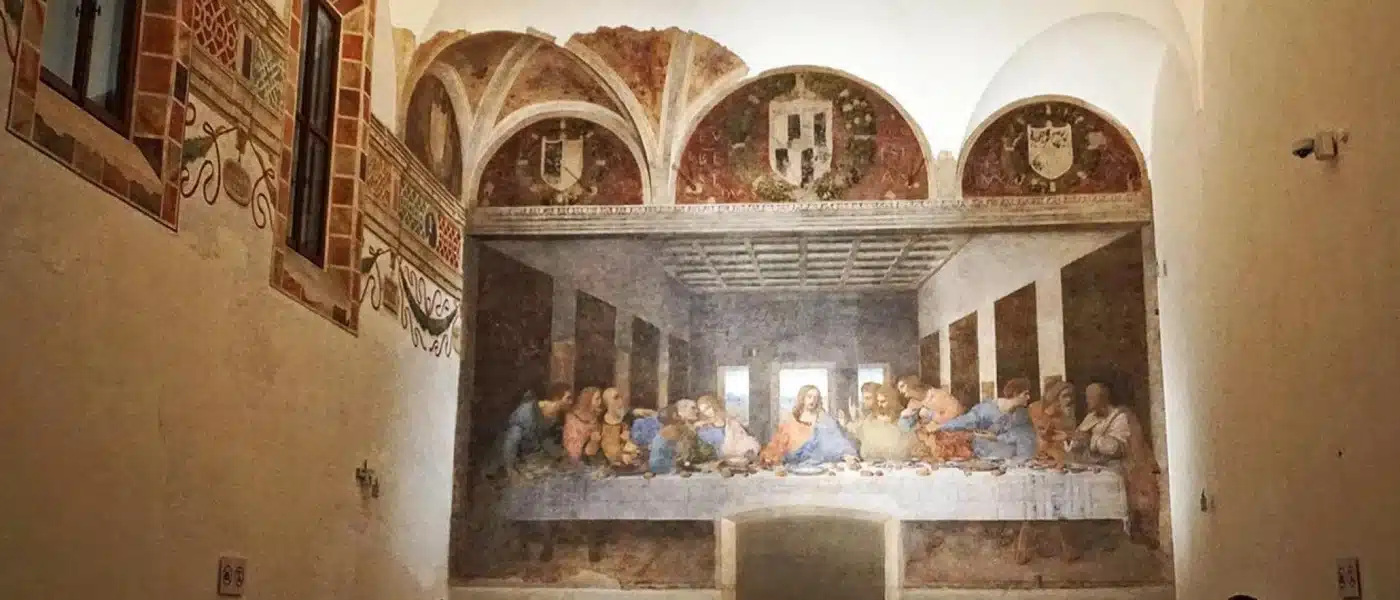
As your eyes adjust to the lofty, rectangular hall and its unadorned walls, the painting reveals itself, almost thirty feet wide, the diners seated on the far side of a table that sits roughly at your eye level. Time has dulled the color, but the feeling still comes through clearly. The twelve fall into four clusters of three, each man reacting with doubt or a question: Thomas lifts a pointing finger, Peter pushes forward urgently, and Judas recoils a little, his fingers close to the purse that gives him away.
Its perspective is one of its greatest achievements, the painted ceiling appearing to run on from the real one, and when you stand in the middle of the empty floor, the wall seems to dissolve into space. On the facing wall is Giovanni Donato Montorfano’s Crucifixion, painted in another manner entirely but useful context, the two works framing the room in a dialogue about sacrifice and redemption. Gentle lights and carefully managed humidity protect the painting and deepen the hush, and when only a few of you are there, even the murmur of the climate control disappears.
The Church and Bramante’s Tribune
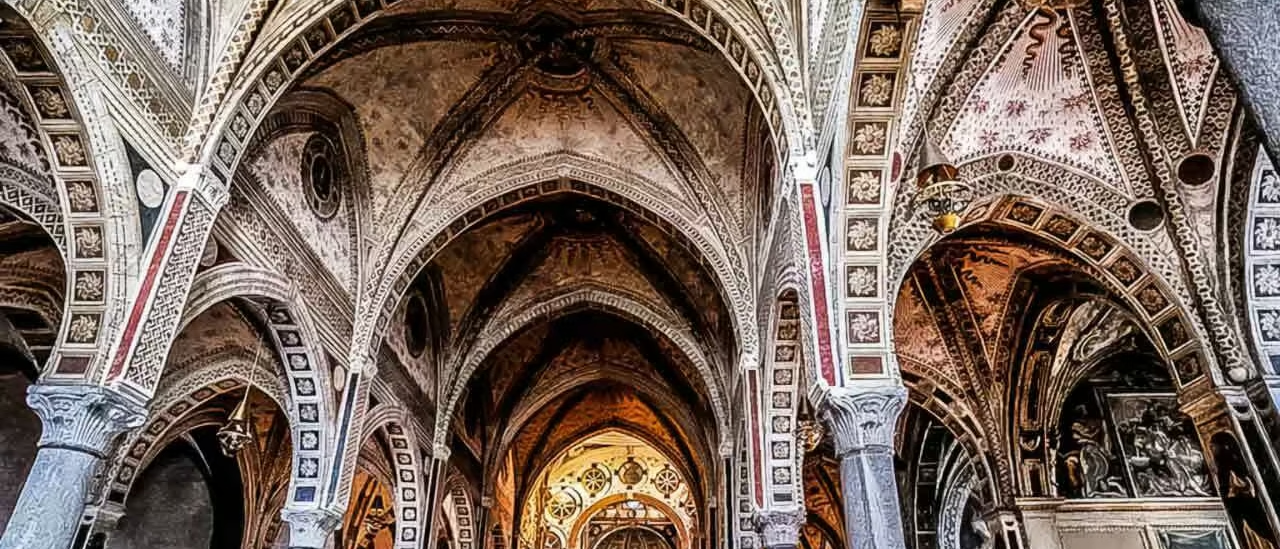
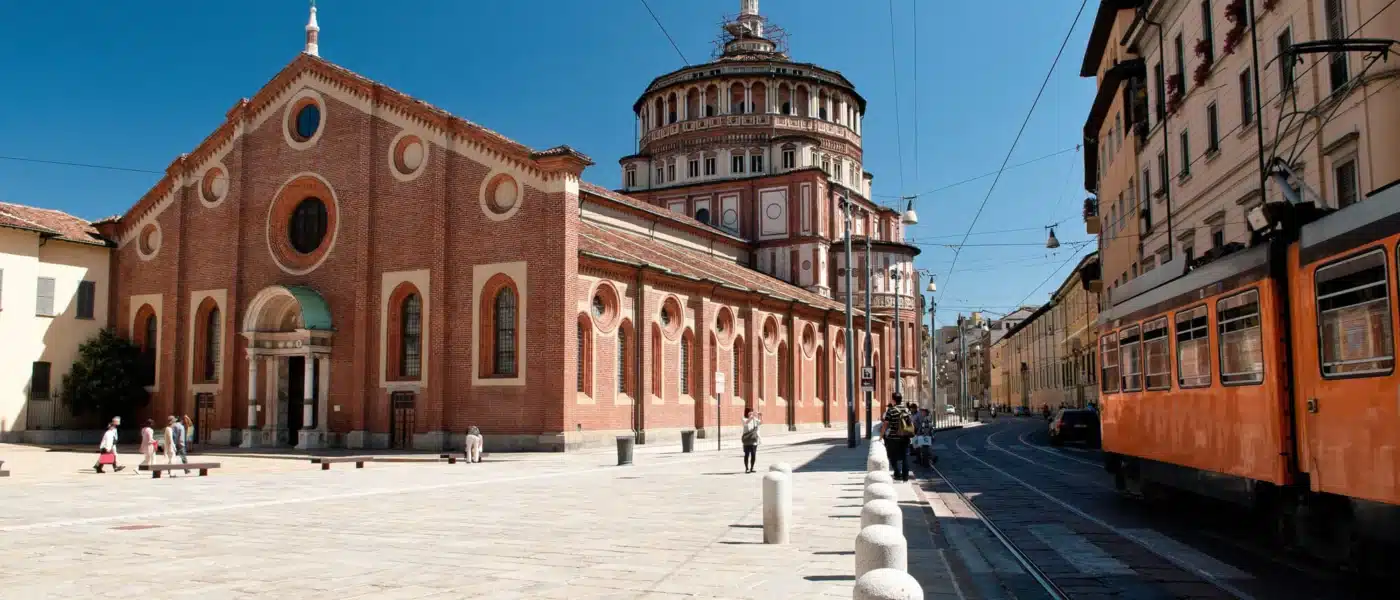
Before or after your time in the refectory, step next door into the church of Santa Maria delle Grazie. Its long brick nave was begun by Guiniforte Solari in the 1460s. In the 1490s, Ludovico Sforza had Donato Bramante add a domed tribune at the east end, intending the church to serve as his family’s mausoleum. Standing beneath it, your eye is drawn up past pale walls and round windows into the dome, a space filled with light after the darker Gothic nave.
Beside the tribune, the small cloister known as the Chiostro delle Rane, named for the bronze frogs on its fountain, is a quiet corner of central Milan. In August 1943, Allied bombing destroyed much of the refectory, and the Last Supper survived behind sandbags and scaffolding. The church and cloister have their own history of survival, and together with the refectory they have been a UNESCO World Heritage Site since 1980.
How Private Access Changes the Visit
On a normal ticket you queue, lower your expectations and move with the crowd: in, a look, a photo, out. Privately, you skip the line and the visit unfolds gradually, so you can stand back for the full scene, lean in to see the texture of what remains of Leonardo’s own paint, or just stay quiet for a while, with your guide’s commentary quieter and more conversational. It’s a slower pace that shows you a Milan most visitors hurry past.
Out Of Office arranges access, timing, guide and logistics, well aware how quickly ordinary places go and how uneven the usual visit can be, and plans it around your schedule, interests and pace. Your LGBTQ+ travel specialist can add more of Milan’s Renaissance story nearby, from architecture to lesser-known fresco cycles, and pair it with a welcoming hotel.
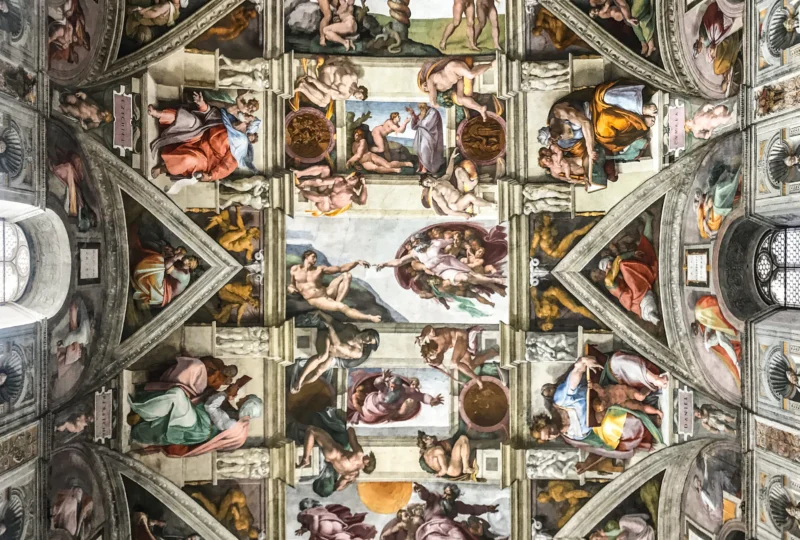
No two trips we plan are the same. Yours will be no exception.
Every itinerary starts as a blank page and is shaped around your pace, your routing and the places you actually want to see.
More Moments in Italy
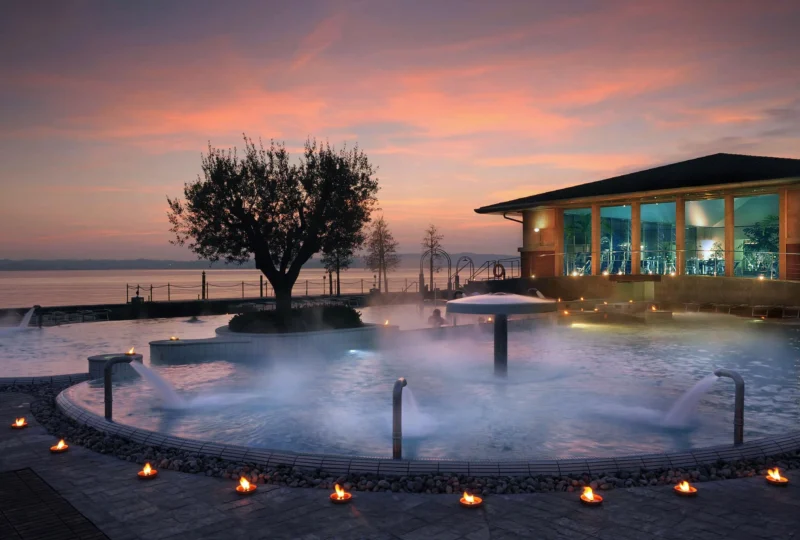
Sirmione’s Thermal Waters: An Early Morning at Aquaria
Hot Springs Beneath the Lake A thin strip of land pushes four kilometers out from Garda's southern shore, and Sirmione's old town fills its end. You cross into it past the Castello Scaligero, where the peninsula is thinnest, then follow the lanes toward the Roman ruins of the Grotte di Catullo on the point and down to the lakefront, where the Aquaria spa stands in a park above the lake.
Discover more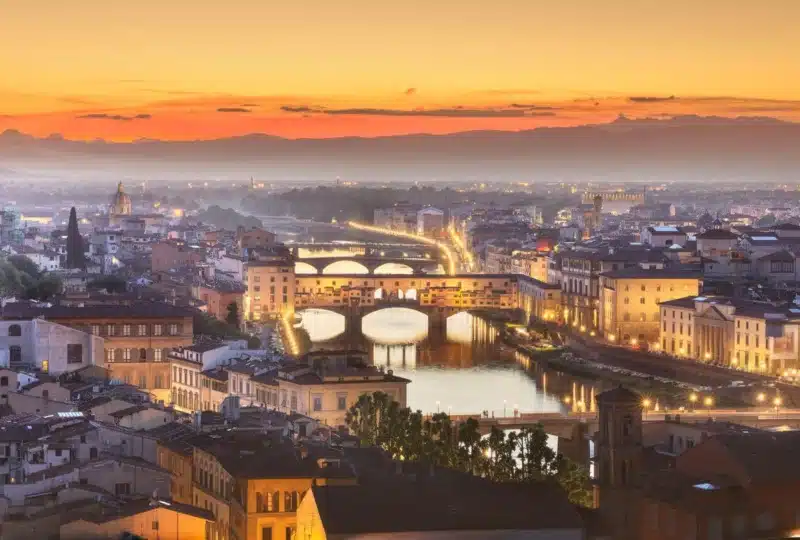
Walking Florence’s Vasari Corridor Above the Ponte Vecchio
A Private Road Above the City For about 760 meters the Vasari Corridor runs high above Florence's streets, leaving the Uffizi, riding along the top of the Ponte Vecchio, crossing the Arno, skirting the church of Santa Felicita and emerging in the Boboli Gardens behind the Pitti Palace.
Discover more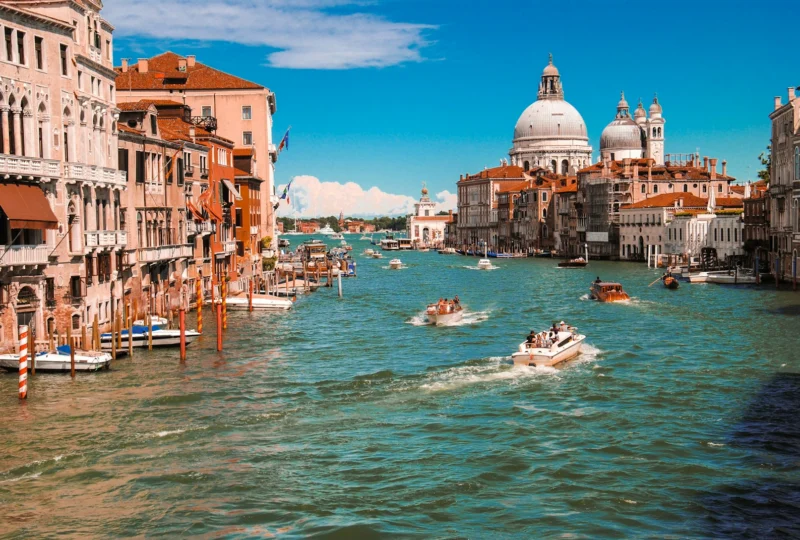
A Private Gondola Through Venice’s Quiet Canals
A Thousand Years on the Water For more than a thousand years, gondolas were how Venice moved, across the lagoon and through the city's waterways. Their flat bottoms, lopsided hulls and ornate iron prow, the ferro, were all shaped for shallow, twisting canals. In the seventeenth and eighteenth centuries there were thousands; today fewer than 500 are still working, most of them for visitors.
Discover more
We plant trees for every booking
For every booking made with Out Of Office we commit to planting trees in your name to help reduce the impact of travel on future generations. You'll even get a link to see where your trees are planted in the world via our partner Ecologi.


We donate to Rainbow Railroad with every booking
Rainbow Railroad helps LGBTQ+ people escape state-sponsored violence and persecution. A donation goes with every trip we sell, funded by us and never added to your price.


Start Planning Your Trip
Tell us where you would love to go, when you are thinking of traveling and what kind of trip you have in mind. One of our LGBTQ+ travel specialists will create a tailor-made itinerary designed around your destination, style and preferences.
One named specialist, first inquiry to homecoming. No call center, and nothing is charged until you decide to book.