




Editorials
The Lost Generation: Finding Gay Paris in the Roaring Twenties
Hemingway, Stein, Fitzgerald, and Natalie Barney all found freedom in 1920s Paris. Here's the LGBTQ+ story behind the Lost Generation and where to find it today.
Paris in the 1920s was one of those rare moments in history when an extraordinary concentration of talent ended up in the same place at the same time. The American writers and artists who arrived after the First World War, fleeing Prohibition, conservatism, and creative suffocation at home, found a city that was willing to leave them alone.
They drank, they wrote, they fell in and out of love, and they produced some of the most important literature of the 20th century. Woody Allen captured something of this world in Midnight in Paris, his 2011 film in which a writer stumbles back in time to the salons and cafés of the 1920s. The film is a love letter to the idea of Paris as a place where creativity and freedom coincide. The reality was messier, more interesting, and considerably queerer than Allen’s version suggests.
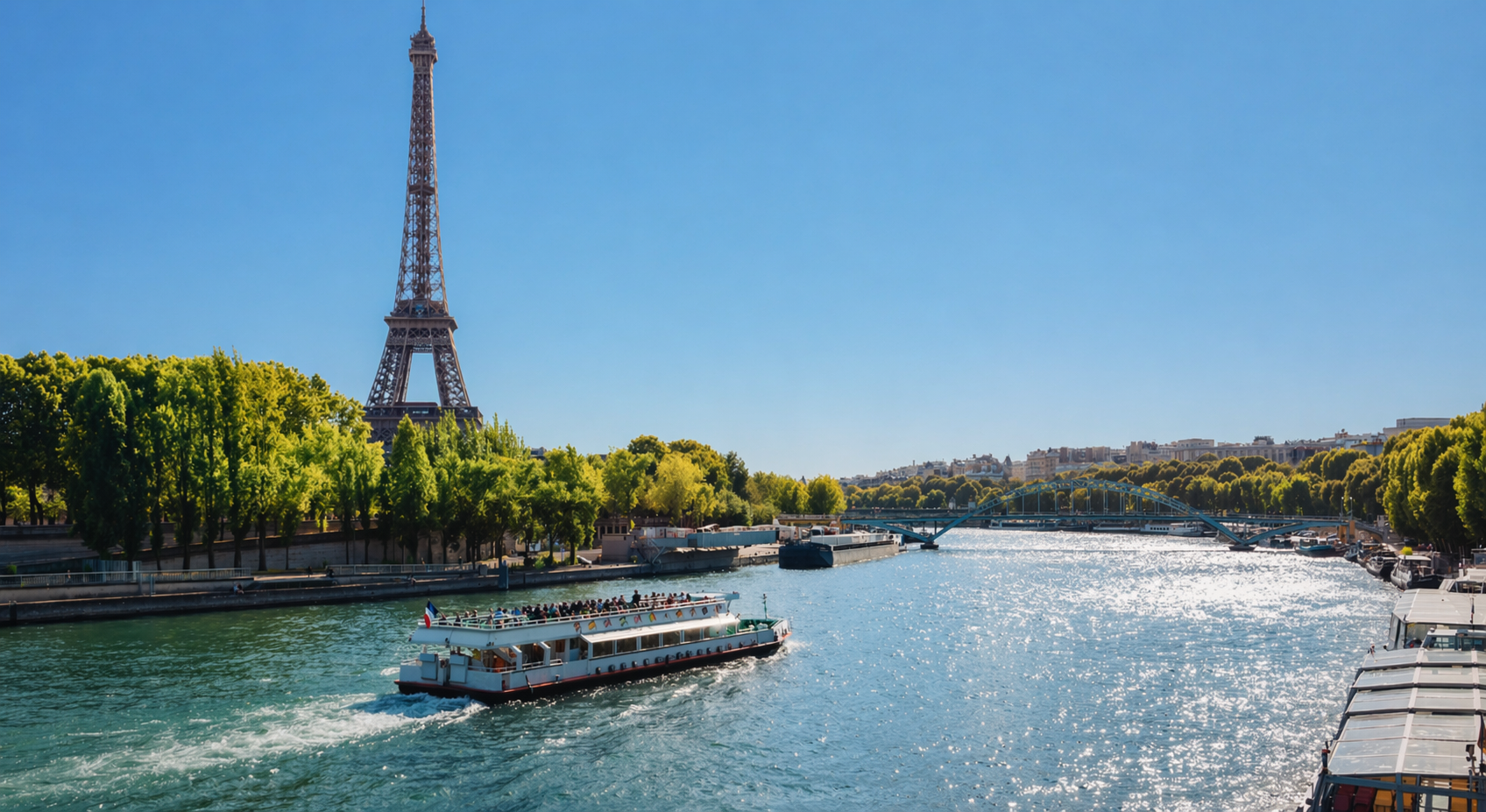
Natalie Barney and the Salon on Rue Jacob
The most important address in this story is 20 Rue Jacob, in the Saint-Germain neighborhood on the Left Bank. This was the home of Natalie Barney, an American writer and heiress who ran the most influential literary salon in Paris from 1909 until the 1960s. The figures who passed through her garden on Friday evenings read like a roll call of early 20th-century culture: Gertrude Stein, Colette, Ezra Pound, Rainer Maria Rilke, and the surviving members of Oscar Wilde’s circle.
Barney was openly lesbian at a time when that required real courage, and her salon was one of the few places in the world where queer artists could gather without pretense or performance. She and the painter Romaine Brooks were together, on and off, for fifty years. The building still stands on Rue Jacob and the garden, where Barney staged moonlit theatrical performances for her guests, is largely unchanged.
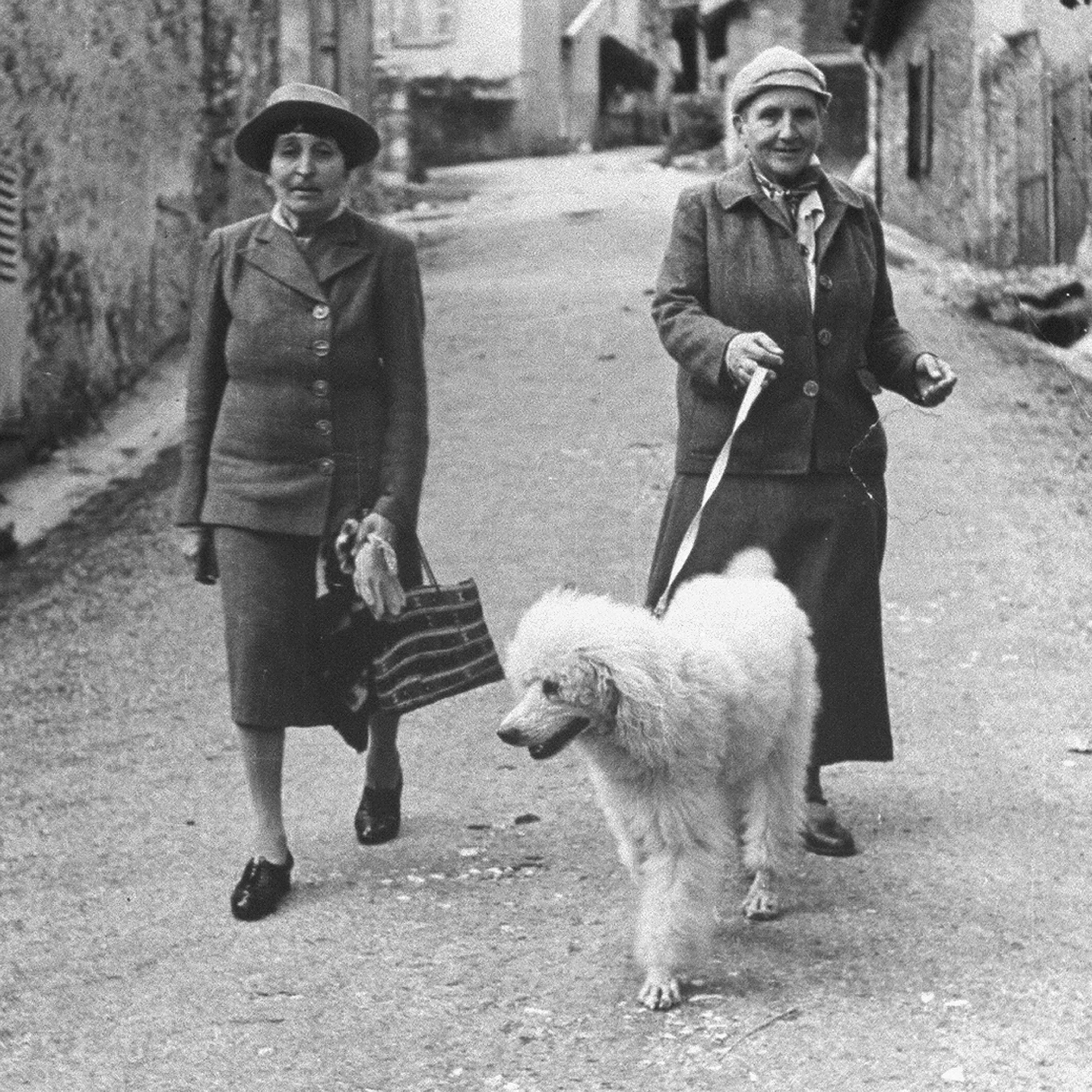
Gertrude Stein and Alice B. Toklas
A short walk from Barney’s salon, at 27 Rue de Fleurus, Gertrude Stein and Alice B. Toklas built one of the most remarkable households in the history of art. Stein held her own salon here on Saturday evenings, and the walls were covered with work by Picasso, Matisse, and Cézanne, many of whom she supported and championed before they were famous.
Her relationship with Toklas was one of the great love stories of the 20th century, conducted openly and without apology in a city that allowed it. Toklas managed the household, edited Stein’s manuscripts, and eventually wrote her own cookbook, which became a classic in its own right. Stein’s most famous book, The Autobiography of Alice B. Toklas, is narrated in Toklas’s voice and is one of the wittiest accounts of Paris in this period ever written. It is also, read carefully, a gay love story.
Djuna Barnes
Less well known than Stein but equally central to the queer literary world of 1920s Paris, Djuna Barnes was an American writer and artist whose novel Nightwood, published in 1936, is one of the great modernist works about desire, identity, and the night lives of people who don’t fit anywhere else.
Barnes moved in the same circles as Stein and Barney, was part of the salon world of the Left Bank, and had a long and turbulent relationship with the sculptor Thelma Wood. Nightwood is set partly in Paris and is dedicated, in part, to the city that made it possible. It remains one of the most important LGBTQ+ novels ever written and is almost never mentioned in standard accounts of the Lost Generation.
Tell us how you like to travel. We will shape the trip around it.
Request a quote →F. Scott and Zelda Fitzgerald
Scott and Zelda arrived in Paris in 1924 and immediately became the most glamorous and destructive couple in a city full of glamorous and destructive couples. They drank at the Ritz, fought publicly, and cut through the expatriate social world like a fire. Scott was working on The Great Gatsby, which he finished in France, and the novel’s obsession with performance, reinvention, and the gap between appearance and reality reflects something of the expatriate experience in Paris.
Zelda’s story is the more complicated one. She was a writer and painter in her own right, consistently overshadowed by her husband, and her relationships with women, including a significant attachment to a French aviator named Madame Egorova, have been the subject of serious biographical debate. Paris gave her a freedom she struggled to hold onto. She spent much of her later life in psychiatric institutions. Her novel Save Me the Waltz, written in a sanatorium in 1932, is autobiographical and devastating.
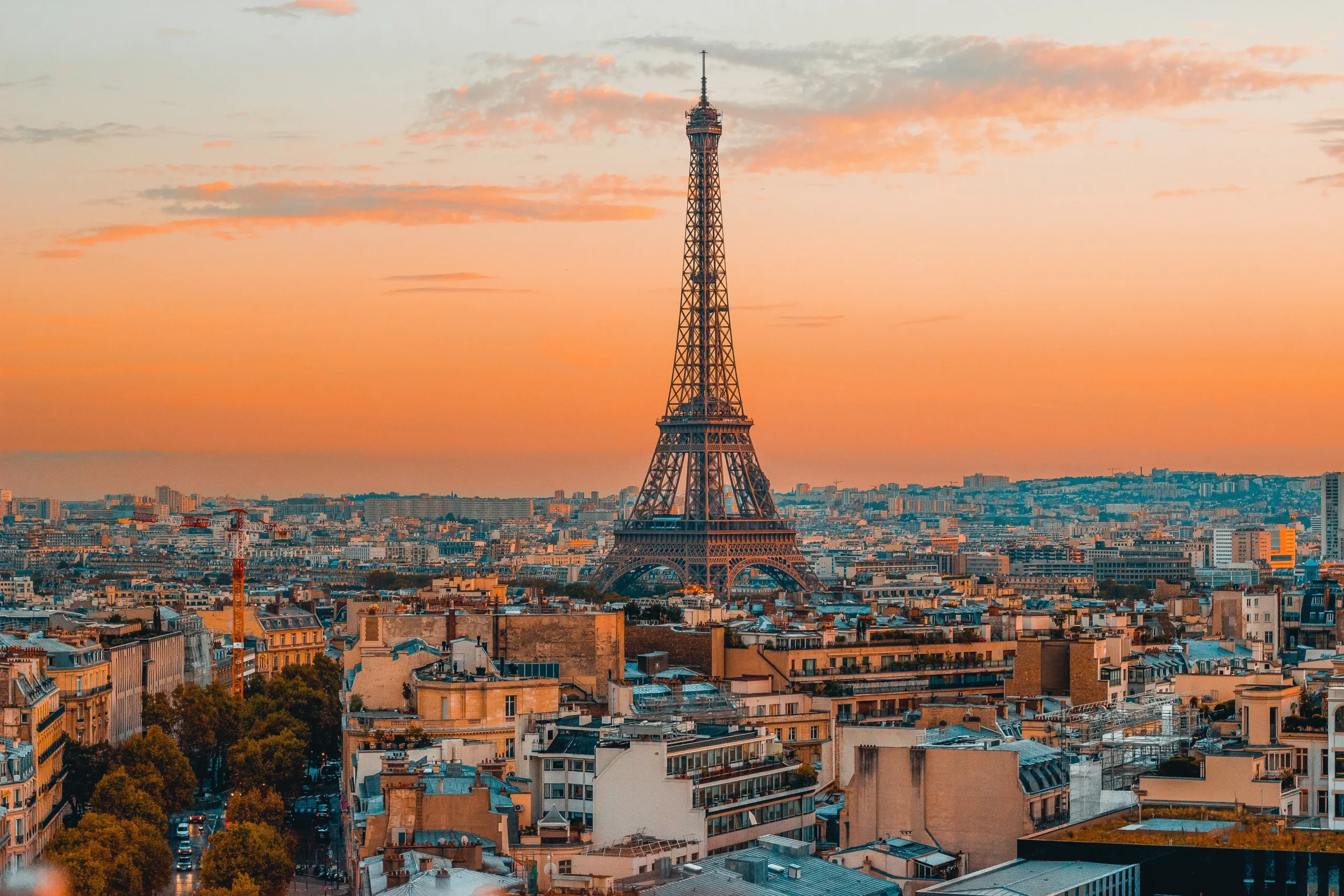
Ernest Hemingway
Hemingway arrived in Paris in 1921 with his first wife Hadley and letters of introduction from Sherwood Anderson. He was twenty-two, unpublished, and working as a journalist. What he found was a city where serious writing was taken seriously, where cafés were cheap and warm, and where Gertrude Stein, who became his mentor, told him exactly what was wrong with his prose.
A Moveable Feast, his memoir of these years published posthumously in 1964, is the most evocative account of Paris in this period ever written, and also one of the most self-serving. Hemingway’s Paris is a city of cold mornings, good wine, trout fishing in the Irati River, and a literary world he presents himself at the center of.
The cafés he wrote about are all still there: La Rotonde and Le Dôme in Montparnasse, the Café de Flore in Saint-Germain. His relationship with the queer world around him was complicated. He was close to Stein, dismissive of her later. He was threatened by and fascinated with gay men. His own work is full of a homoerotic charge he went to considerable lengths to deny.
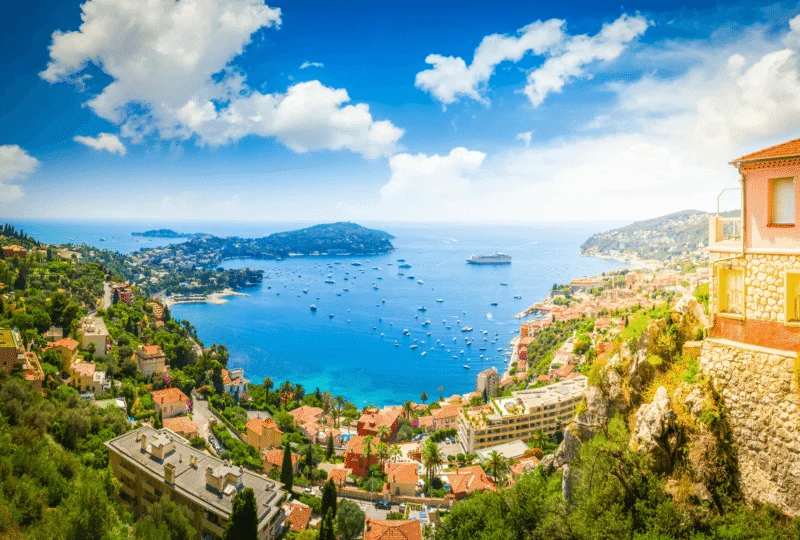
Finding This Paris Today
You can still walk this city. Shakespeare and Company on the Rue de la Bûcherie is a reconstruction of Sylvia Beach’s original bookshop on Rue de l’Odéon, where she published Ulysses in 1922 and extended credit to half the writers in the city. The Café de Flore and Les Deux Magots in Saint-Germain were where they argued through long afternoons.
La Rotonde and Le Dôme in Montparnasse are still open. The Ritz bar on Place Vendôme, where Hemingway claimed a hand in liberating Paris in 1944, remains one of the great bars in the world and worth the price of a drink for the room alone.
The Marais, now the heart of LGBTQ+ Paris, connects the story to the present. The city that tolerated Barney’s salon and Stein’s household was the same city that became one of the most openly gay-friendly capitals in the world.
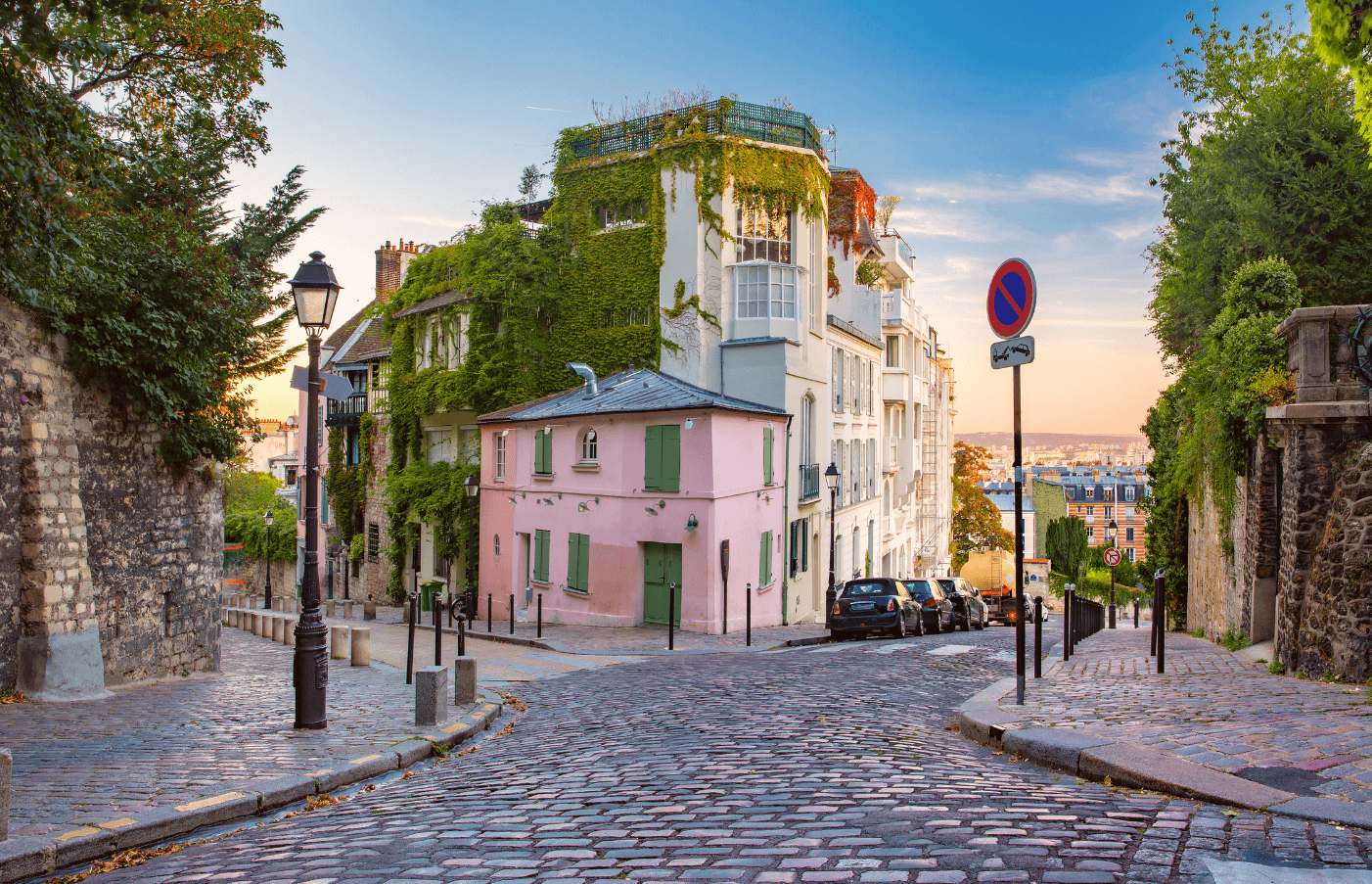
Walking between these addresses, from Rue de Fleurus to Rue Jacob to the Left Bank cafés and back through the Marais in the evening, is to trace a version of Paris that still exists just beneath the surface of the tourist city. You just have to know where to look. Out Of Office can build a Paris itinerary around this world. Get in touch to start planning.

New to Out Of Office?
We are a luxury travel company for LGBTQ+ travelers. Everything we sell is tailor-made, planned by one named member of our team throughout, and nothing on this site is a fixed package unless it says so.
Where exclusivity meets inclusivity
Ten years, hundreds of five-star reviews, and a team who will tell you when a destination is not right for the trip you have in mind.
The hard part is not finding a beautiful place. It is finding the right one for you.
Every property we suggest is handpicked by our team. Twenty minutes with a specialist will tell you which ones are worth your time.
Stellar service. Stellar products. Stellar people and it gets so much better when you pick up the phone and call.
Anthony S.
Super client centred service. From first contact I have had warm, efficient, friendly and flexible service.
John
I’m confident in giving Out Of Office a 5-star review! They are one of the leaders in this space without a doubt.
Tiberiu
We plant trees for every booking
For every booking made with Out Of Office we commit to planting trees in your name to help reduce the impact of travel on future generations. You'll even get a link to see where your trees are planted in the world via our partner Ecologi.

We donate to Rainbow Railroad with every booking
Rainbow Railroad helps LGBTQ+ people escape state-sponsored violence and persecution. A donation goes with every trip we sell, funded by us and never added to your price.

Start Planning Your Trip
Tell us where you would love to go, when you are thinking of traveling and what kind of trip you have in mind. One of our LGBTQ+ travel specialists will create a tailor-made itinerary designed around your destination, style and preferences.
One named specialist, first inquiry to homecoming. No call center, and nothing is charged until you decide to book.