







Moment · Japan
Nara’s Deer Park Before the Crowds, on a Private Family Walk
Meet Nara's sacred deer in the calm of early morning, then stand in Todai-ji's Great Buddha Hall before the school groups arrive.
Nara Before Nine
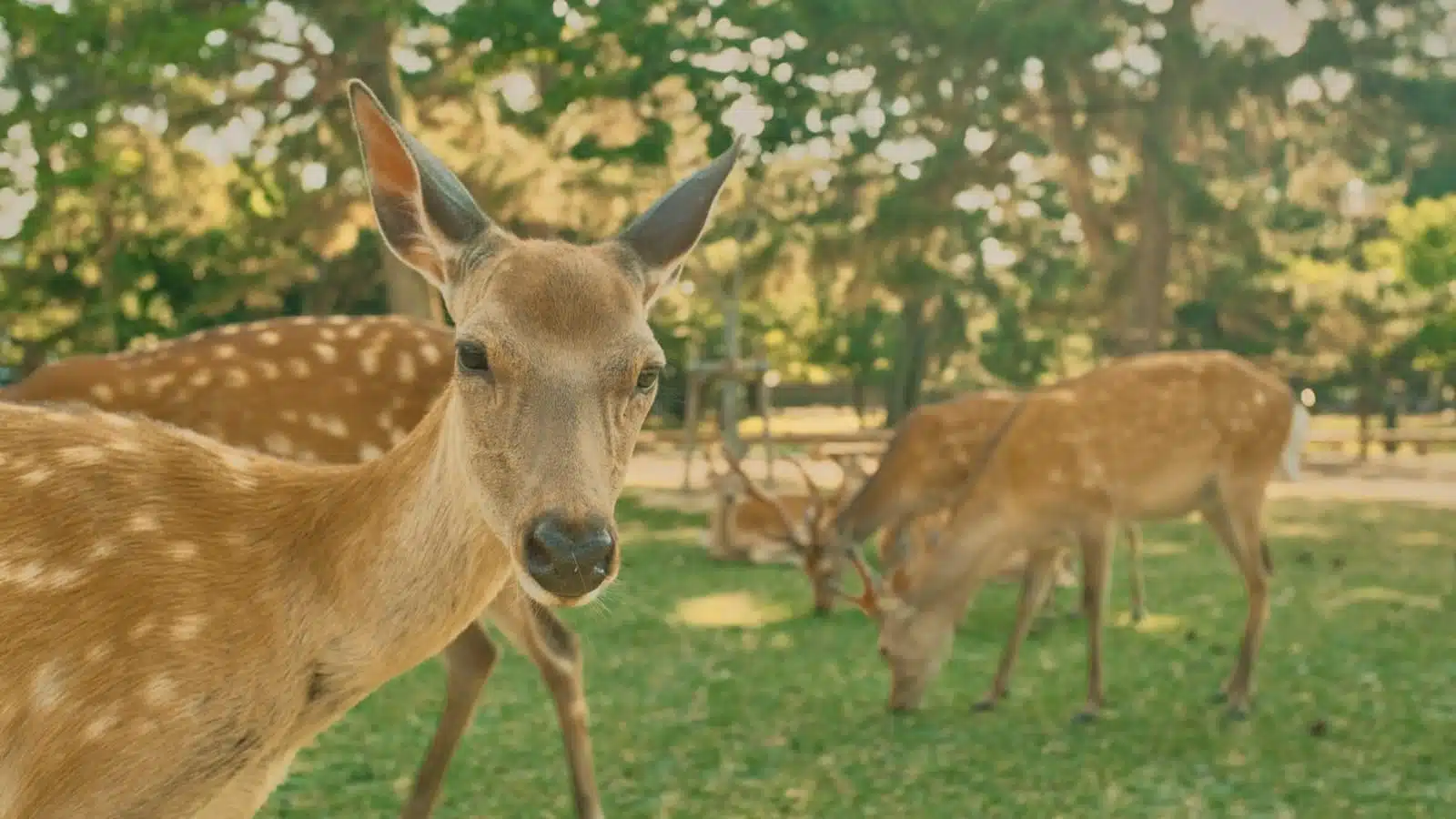
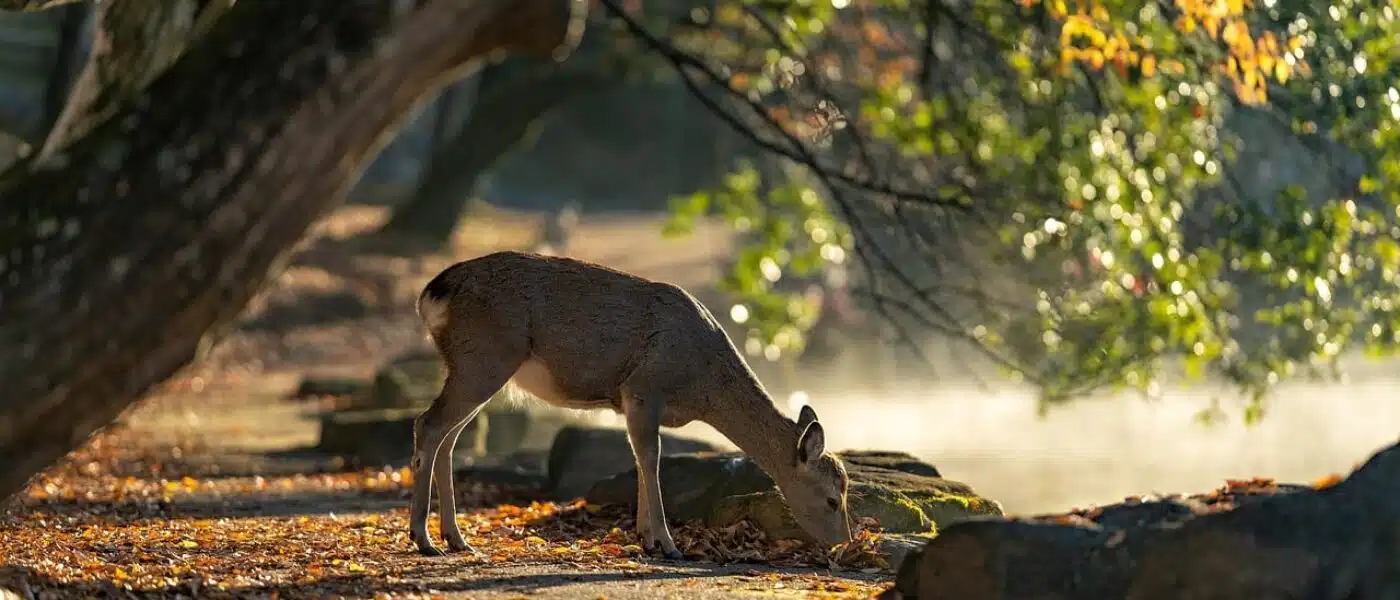
Early in the day, the streets are quiet, the park paths wide enough to walk side by side, the air cool near the forest edge and the grass still damp with dew. The deer are already up, standing in loose groups across the lawns, alert but relaxed, grazing or calmly watching you pass. Without mid-morning crowds, they seem measured, almost gentle.
The park is open around the clock and free, so anyone could come at dawn, yet the crowds mostly roll in from Osaka and Kyoto by mid-morning. Set off privately at half past seven or eight and it feels completely different: the deer are at their hungriest and most active but also calmest, not yet mobbed by people waving crackers or chasing photos. Children can approach without being jostled, parents aren’t managing crowds while supervising, and the paths feel spacious and easy to navigate. For families, including LGBTQ+ parents traveling with children, it’s a morning of discovery together rather than crowd control.
Messengers of the Gods
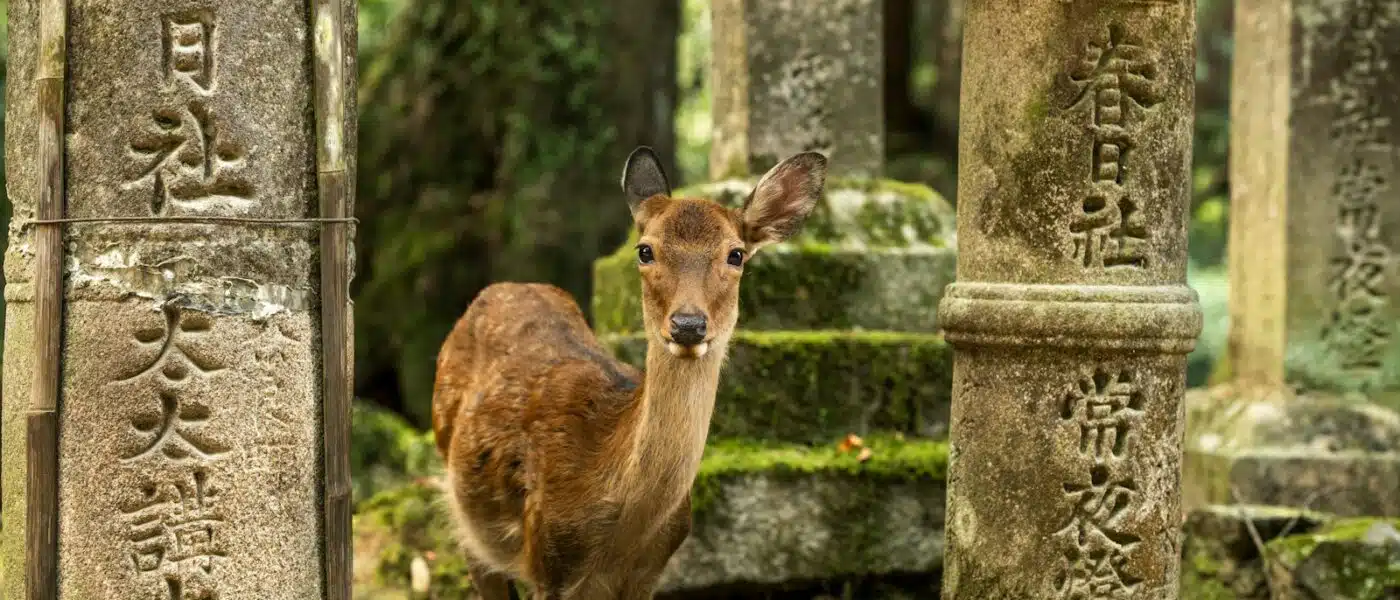
It all goes back over thirteen centuries, to Nara’s founding as Japan’s first fixed capital. Shinto tradition says the deity Takemikazuchi-no-mikoto came to guard the city mounted on a white deer, and from then on the deer were seen as divine messengers; for centuries, harming one was a grave crime, with the final known execution for the offense carried out in 1637. Now the law protects them as National Natural Treasures, and recent DNA studies have shown they’re genetically distinct from every other sika deer in Japan, an isolated lineage formed over a thousand years within these sacred bounds.
Shrine Lanterns and the Great Buddha
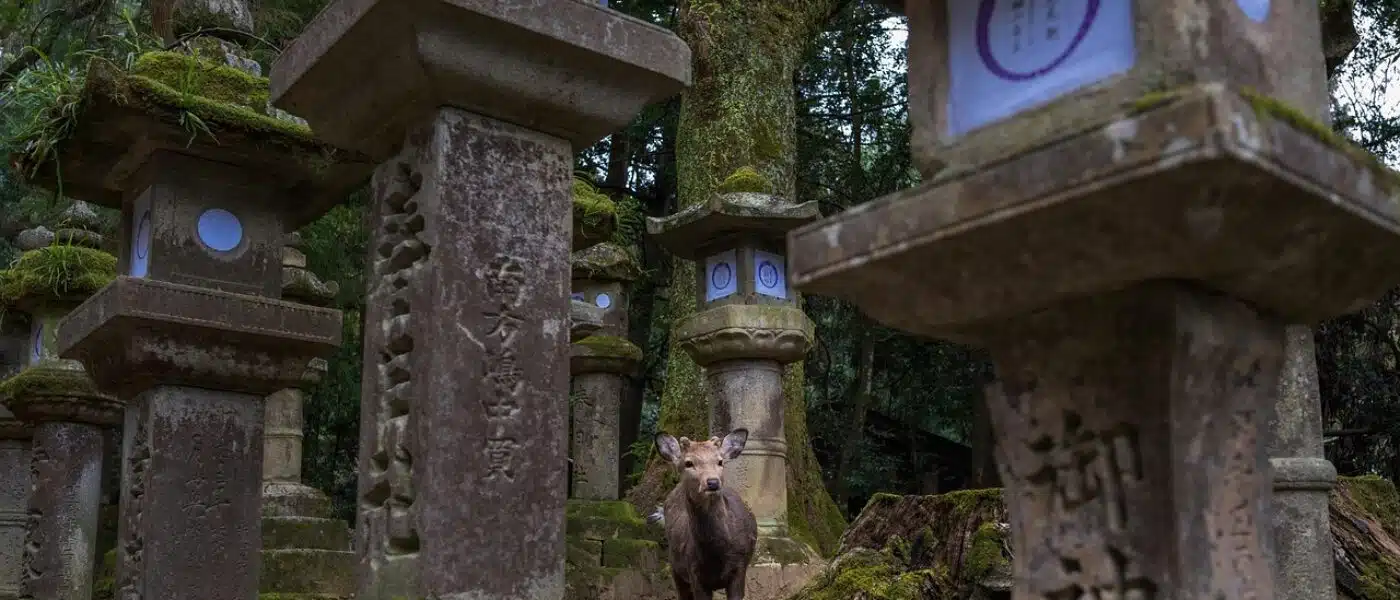
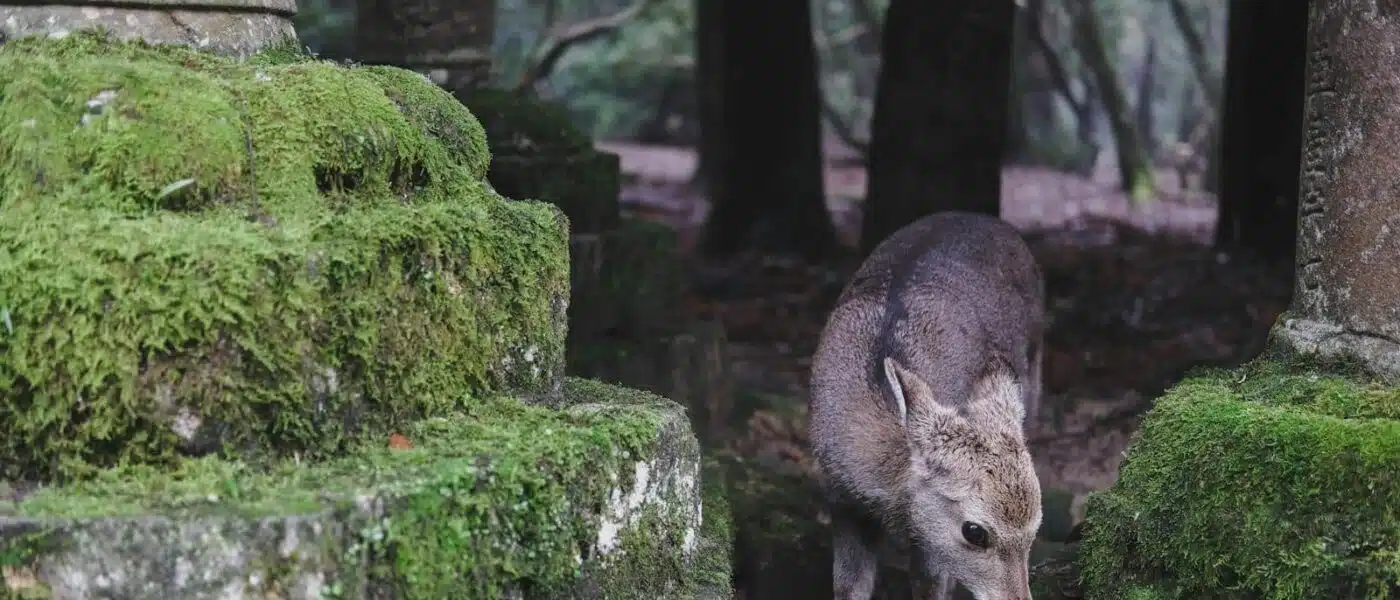
Family walks tend to start on the park’s calmer fringes, where city gives way to forest, and children spot what adults miss: hoofprints in the gravel, rustling in the trees, the way a deer pauses before stepping onto a path. Mist often lingers in the woods around Kasuga Taisha early on, where stone lanterns line walkways beneath tall cedars; early on the shrine feels calm and welcoming rather than formal, and it’s where guides tell you why the deer are sacred and how faith ran through everyday life in old Japan.
Then Todai-ji comes into view. Going in as the doors open, before school groups and tours fill it with echoes, you can stand in the Great Buddha Hall undisturbed; in the quiet, the colossal bronze Buddha is easier to comprehend, and your guide explains its meaning in a way that keeps children listening.
No two trips we plan are the same. Yours will be no exception.
Request a quote →Speaking Deer
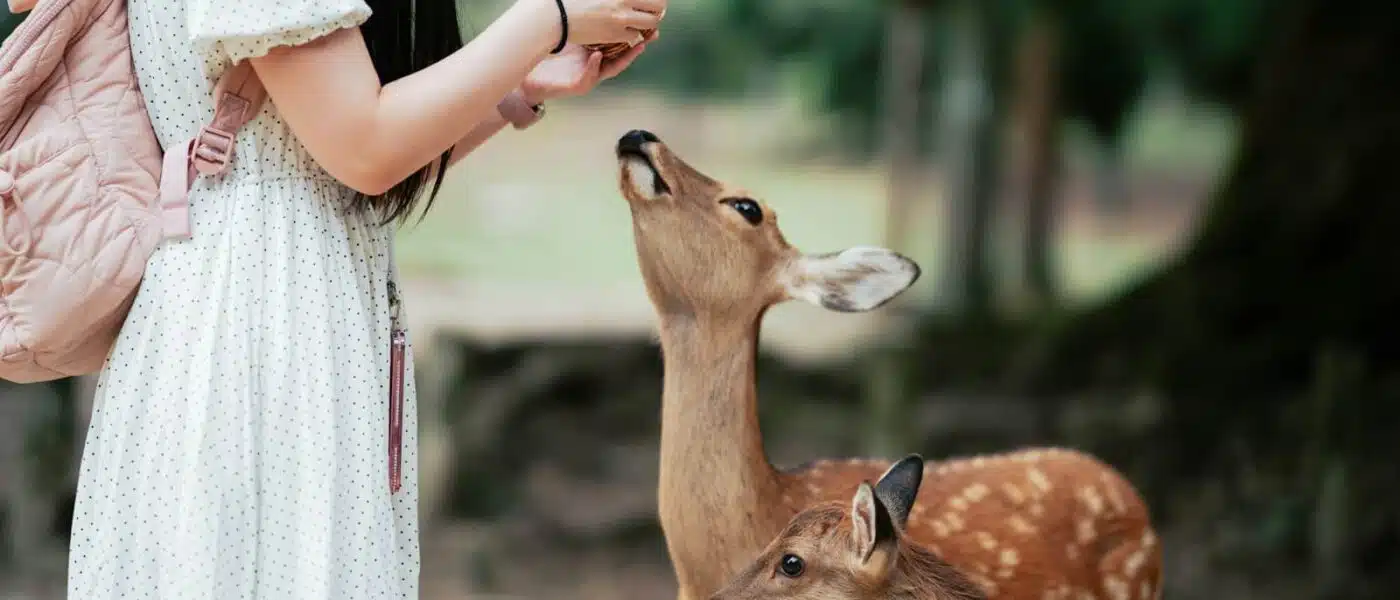
The famous bow isn’t quite politeness. In deer language, a lowered head can mean “food, please”, and if ignored, a firm nudge may follow; your guide shows you when to offer food and when to give a deer space. Children learn a confidence-building signal too: when the crackers are gone and a deer crowds in, raising both open palms shows there’s nothing left, and most Nara deer soon lose interest.
The crackers, shika-senbei, are strictly controlled, baked from nothing but rice bran and wheat flour, without salt or sugar, to protect the deer’s health. Since vendors generally set up between half past eight and nine, so early guides may bring a small supply to use thoughtfully rather than constantly.
The Deer-Calling Ceremony
At some times of year you may be able to add Shikayose, the deer-calling ceremony. A few bars of Beethoven’s Sixth Symphony ring out on a horn, and deer come running from deep in the forest, answering a signal learned over generations. Public ceremonies are usually held in late winter and summer at around 9:30 or 10 am; for a more personal version, the Nara Deer Preservation Foundation can stage a private calling if you book ahead and make the donation it asks for. Without crowds it feels less like a performance than a glimpse of how habit and heritage work, children watching music and routine guide the animals’ behavior.
Planning Your Morning
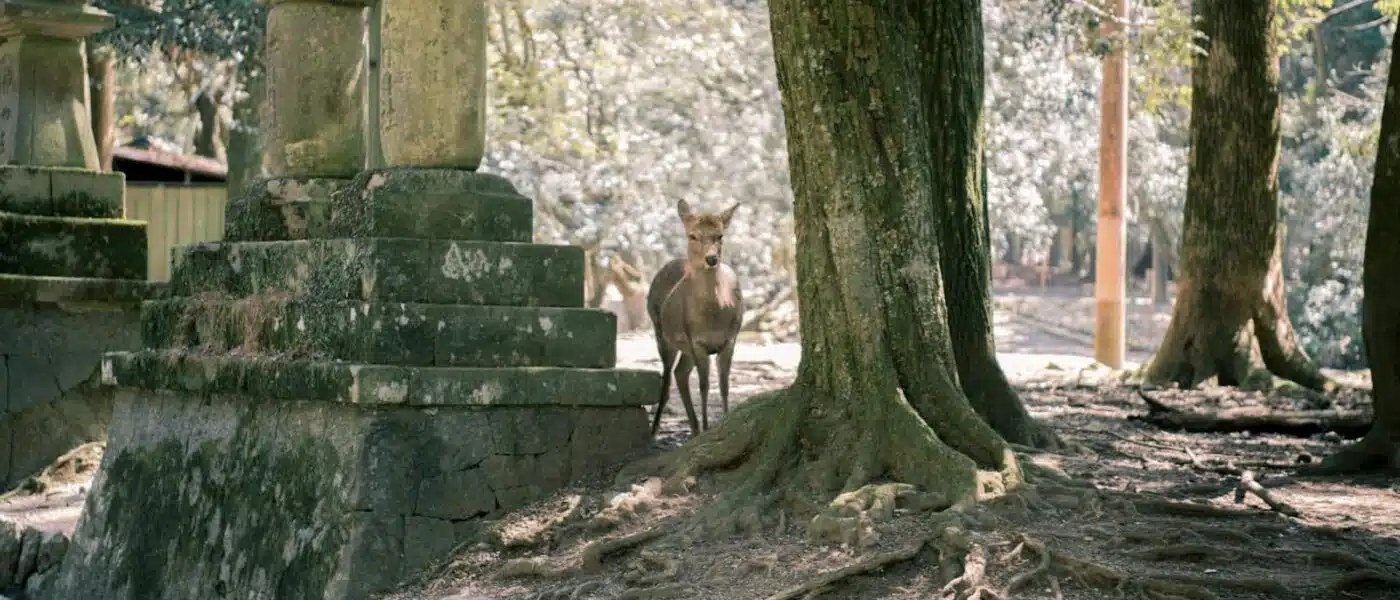
Early starts work best with a little planning. Staying in Nara instead of commuting from Kyoto or Osaka means no rush, and a ryokan or hotel near or inside the park means you can join your guide at about seven for a walk at sunrise. Temple hours change with the seasons: Todai-ji’s doors usually open at half past seven between April and October and at eight in winter, while Kasuga Taisha’s outer grounds are always open while the inner precinct opens sooner in the summer months.
Your private guide tailors the pace and route to your family’s ages and interests, knowing where the herd collects at first light, how the weather changes their habits and when to leave a spot before it gets busy. You’ll also hear about Shika-no-Tsunokiri, the antler-cutting ceremony held every October to keep deer and visitors safe in mating season, why the park is kept so tidy with so many animals, and the everyday work of the Foundation that looks after them. Your Out Of Office LGBTQ+ travel specialist can arrange the guide and a welcoming ryokan, and our Japan guide covers LGBTQ+ rights and travel advice.
Your personal travel specialist, from the first conversation to the flight home.
From your first conversation, you’ll have one dedicated expert looking after your trip from start to finish, getting to know you and taking care of every detail along the way. Your journey starts with a complimentary, no-obligation consultation.
More Moments in Japan
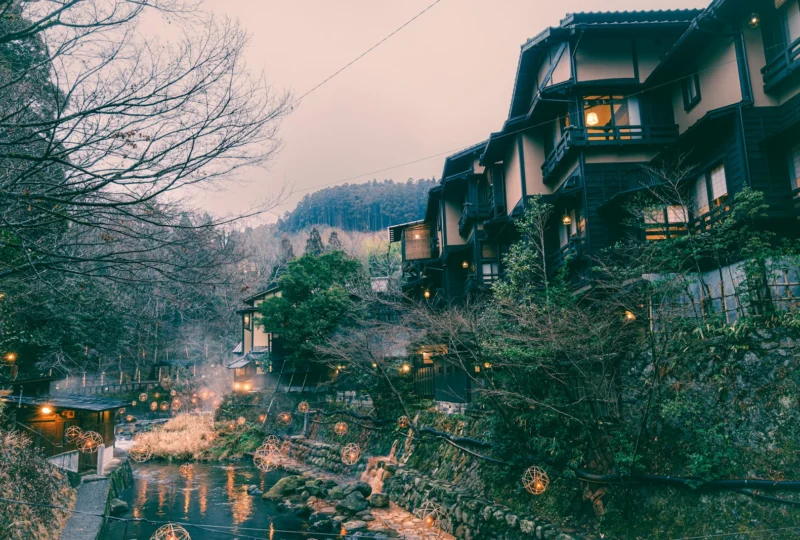
Kinosaki Onsen After Hours, with a Private Bath for Two
A Town Built for Bathing Kinosaki Onsen is a small canal town on the north coast of Hyogo Prefecture, shaped almost entirely by water. For over 1,300 years people have come not for temples or views but to bathe. Its seven public bathhouses line a willow-edged canal, all fed from the same geothermal source and each with its own history and character.
Discover more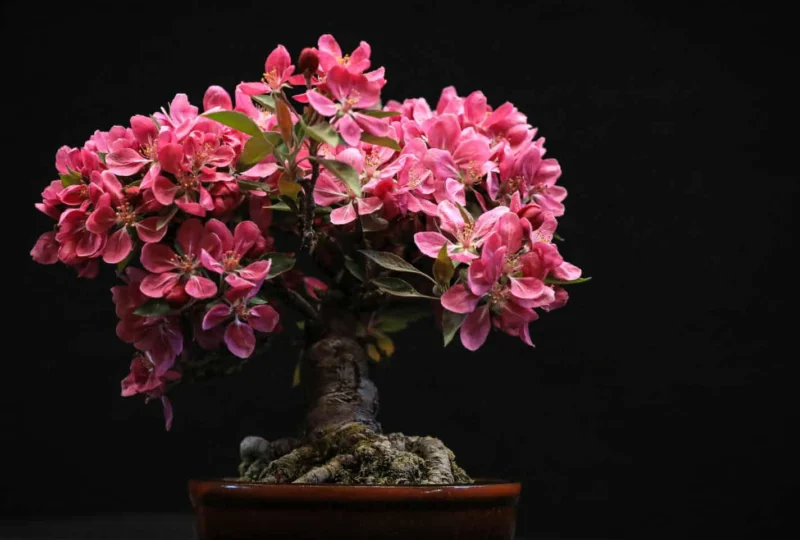
A Private Bonsai Workshop with a Master in Omiya Bonsai Village
From Chinese Penjing to Zen Discipline Bonsai began in Tang dynasty China as penjing, miniature landscapes arranged in trays. Buddhist monks brought it to Japan in the Heian period, where it became an art of the single tree rather than the composed scene, closely linked to Zen: simplicity, restraint and balance as expressions of a worldview, not mere style.
Discover more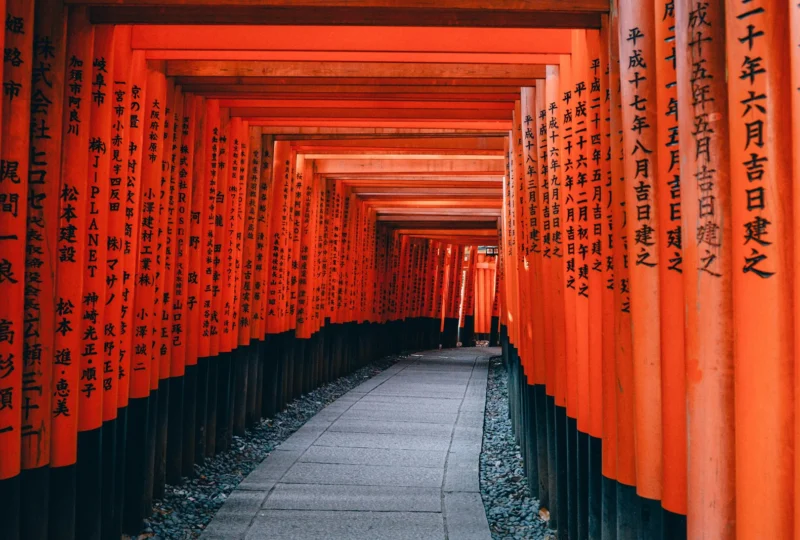
Arashiyama’s Bamboo Grove at First Light, with a Private Photographer
A Courtly Retreat and a Famous Sound Arashiyama became a favorite escape in the Heian period, when members of the imperial court came to flee the summer heat and enjoy nature. The bamboo that defines the grove was first grown for practical things like baskets and fencing, but it gained cultural meaning as nearby temples, including Tenryu-ji, brought it into their practice.
Discover more
We plant trees for every booking
For every booking made with Out Of Office we commit to planting trees in your name to help reduce the impact of travel on future generations. You'll even get a link to see where your trees are planted in the world via our partner Ecologi.


We donate to Rainbow Railroad with every booking
Rainbow Railroad helps LGBTQ+ people escape state-sponsored violence and persecution. A donation goes with every trip we sell, funded by us and never added to your price.


Start Planning Your Trip
Tell us where you would love to go, when you are thinking of traveling and what kind of trip you have in mind. One of our LGBTQ+ travel specialists will create a tailor-made itinerary designed around your destination, style and preferences.
One named specialist, first inquiry to homecoming. No call center, and nothing is charged until you decide to book.