




Editorials
Bangkok, Through the Kitchen
One of the best ways to experience Thailand authentically is through it's world-leading food scene.
Bangkok’s culinary landscape operates on a different logic than most luxury food destinations. Michelin stars belong to street vendors cooking from carts. The city’s most influential chefs often run 20-seat restaurants in converted shophouses rather than hotel dining rooms.
Female chefs who spent years researching regional Thai techniques now lead kitchens that book months ahead through Instagram DMs, not reservation platforms. Understanding Bangkok’s food culture requires knowing which experiences deliver genuine access versus which package “authenticity” for tourists who won’t know the difference.

Street Food Beyond the Clichés
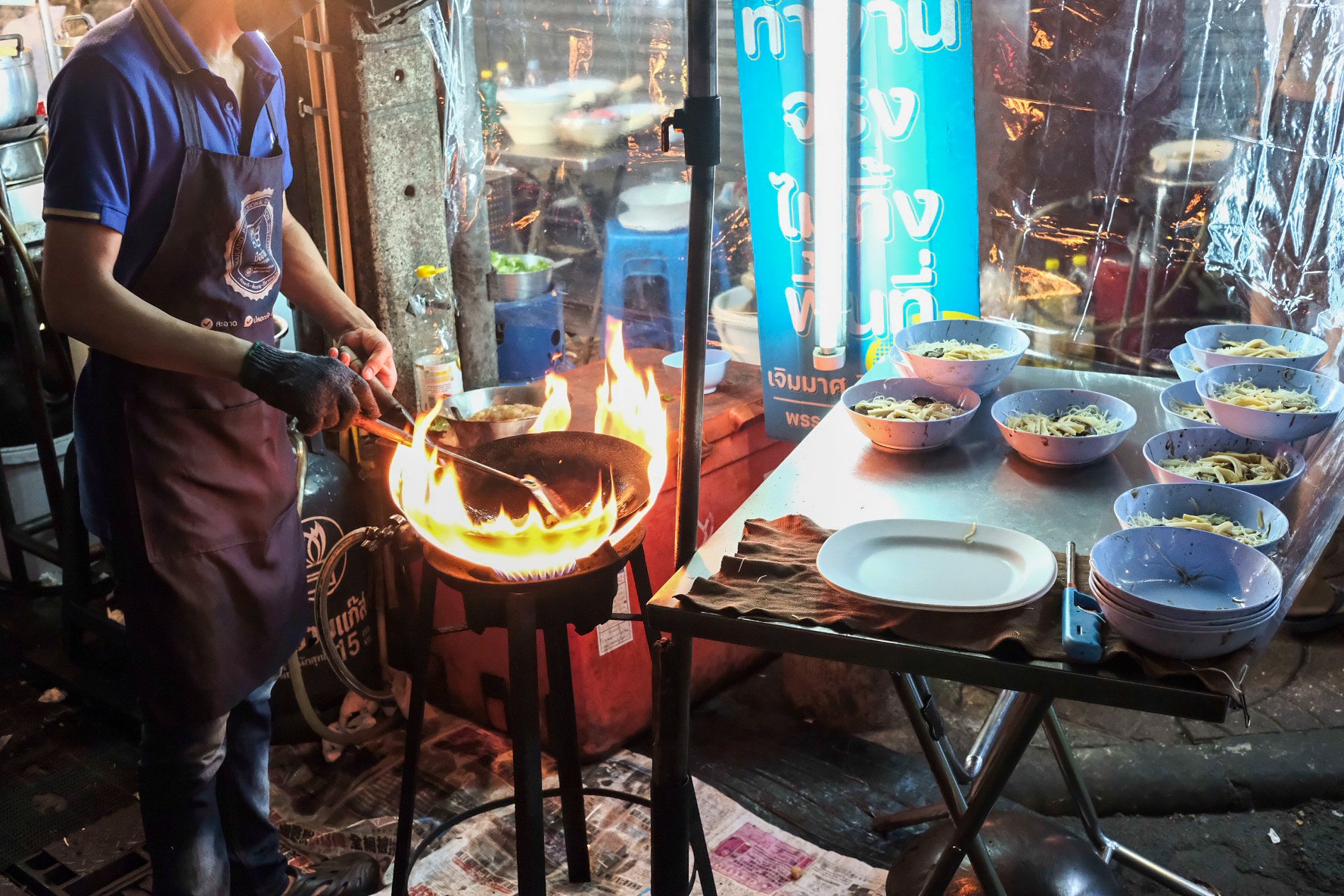
Jay Fai’s crab omelet takes 20 minutes to cook over charcoal in a massive wok. The 76-year-old chef has held a Michelin star since 2018, works alone, and maintains the same pace she’s kept for four decades. Her shophouse on Mahachai Road seats maybe 10 people inside, with another 20 waiting on the street. Reservations open months ahead and fill within hours. You’ll be watching someone who’s cooked the same six dishes to the same standard for longer than most chefs have been alive.
This represents Bangkok street food at its highest expression, but the Michelin guide’s Thailand edition (launched 2018) complicated the landscape. Some vendors adapted to tourist influx by raising prices or expanding seating. Others maintained exactly the same operation, star or not. Jay Fai falls into the latter category. So does Jek Pui curry over rice in Talat Phlu, where a Michelin Bib Gourmand didn’t change the plastic furniture or decades-old recipes.
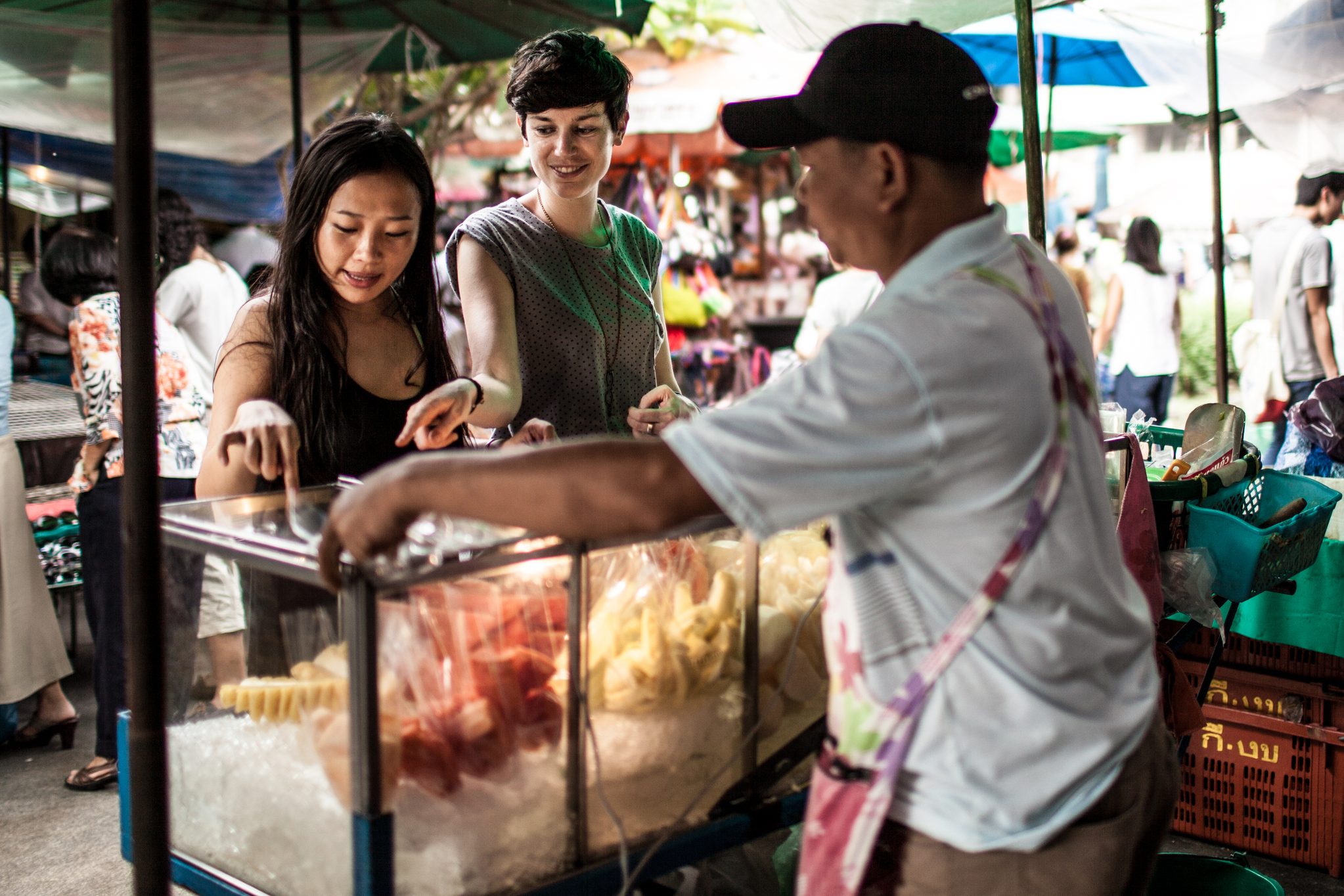
The challenge for travelers: distinguishing between vendors cooking traditionally and those performing tradition for social media. Chef-led street food tours address this when done properly. The strongest operations run small groups (4-6 people maximum), move through neighborhoods like Bang Rak or Yaowarat’s Chinese quarter during off-peak hours, and focus on vendors the guide actually knows personally rather than hitting Michelin-starred stops tourists already found on Google.
Bo.lan’s Duangporn “Bo” Songvisava pioneered this model before closing her restaurant in 2021. Her street food tours through Thonburi introduced techniques most tourists miss: the difference between Northern Thai larb and Isan larb, why certain curries require specific varieties of Thai basil, how Chinese-Thai cooking in Yaowarat differs fundamentally from Cantonese food in Hong Kong. She’s since shifted to private dining projects and consulting work, but chefs trained in her kitchen continue similar educational approaches.

Female Chefs Redefining Thai Cooking
100 Mahaseth occupies a converted Chinatown shophouse where chef Chalee Kader serves whole-animal Thai cooking that draws on Isan (northeastern) and Southern Thai techniques. The restaurant works directly with organic farms in Khao Yai, sources heritage rice varieties, and serves cuts most Bangkok restaurants ignore: grilled pork jowl, deep-fried chicken cartilage, beef liver with herbs.
Kader came up through Bangkok’s fine dining scene (she staged at Nahm under David Thompson) before opening 100 Mahaseth in 2015. The restaurant now books 2–3 weeks ahead for dinner, though lunch typically has walk-in availability. The space seats 40, gets loud during service, and doesn’t do tasting menus. You order from a menu that changes based on what farms delivered that week.
Baan Tepa represents this philosophy through Southern Thai cooking, a regional cuisine Bangkok restaurants historically underrepresented. Chef Tammasak “Tam” Cholotong focuses on turmeric-heavy curries, fresh seafood, and preparations from Phuket, Trang, and the deep south. Tam sources directly from fishermen in Ranong and spice vendors in Trang’s markets. Like 100 Mahaseth, Baan Tepa operates as a research project as much as a restaurant, documenting recipes from older generations of Southern Thai cooks before they disappear.
Beyond established restaurants, Bangkok’s most interesting culinary projects often happen outside traditional restaurant formats. Chef Prinpol “Pam” Mahumporn runs private dinners through her project “Root to Rise,” exploring Northern Thai and Isan cooking through seasonal pop-ups and market collaborations.
These events book through social media, typically accommodate 12–20 guests, and happen in borrowed spaces, temple grounds, or private homes. The format allows flexibility traditional restaurants can’t match: entirely foraged ingredients one month, whole-pig Isan feast the next, Northern Thai vegetarian temple food the month after.
This informal network of female chefs (many connected through Bo.lan’s kitchen or the Bangkok culinary school Wandergm) shares information, ingredients, and kitchen space. They’re documenting regional techniques through cooking rather than academic study, working with farmers to preserve heritage ingredients, and creating dining experiences that feel closer to attending a friend’s well-researched dinner party than restaurant service.
See your complete itinerary before you decide.
Request a quote →Private Villas, Private Chefs
The luxury villa market in Bangkok has adapted to accommodate serious food travelers. Properties in Sukhumvit, Thonburi, and along the Chao Phraya now coordinate with independent chefs for multi-day residencies rather than offering standard private chef services.
The distinction matters. A private chef cooking Western-friendly Thai food in your villa kitchen is standard luxury hospitality. A three-day residency with a chef researching Isan fermentation techniques, who sources ingredients from specific farms in Khon Kaen, brings market visits and cooking demonstrations into the experience. These arrangements typically coordinate through villa concierges or directly with chefs, require 4–6 weeks’ lead time, and work best for groups staying 5–7 days who want avoid depth rather than variety.
Certain Bangkok villas (particularly those managed by private villa companies rather than hotel groups) maintain relationships with chefs who don’t run public restaurants. These chefs often cook for private events, embassy functions, or wealthy Thai families. Accessing them requires the right introduction. The food tends toward regional Thai cooking that hasn’t been adapted for international palates: funky, fermented, sour, complex. This represents Thailand’s food culture at the level wealthy Thais actually eat, not what gets served in hotel restaurants.
Accessing Bangkok’s Food Culture Properly
The gap between reading about Bangkok’s food scene and actually accessing it comes down to timing, contacts, and knowing which experiences require advance coordination versus which work better spontaneously.
Michelin-starred street vendors like Jay Fai require reservations weeks or months ahead. 100 Mahaseth dinner service books 2–3 weeks out. Chef-led tours with guides who actually know vendors personally (rather than hitting Instagram-famous stops) need 1–2 weeks’ notice. Private dining projects like Root to Rise announce dinners 4–6 weeks before events and typically sell out within days. Private chef residencies in villas require 4–6 weeks minimum for the chefs worth booking.
Spontaneous exploration works best in neighborhoods where food culture concentrates naturally. Yaowarat (Chinatown) operates on a rhythm where vendors set up late afternoon through early morning. The strongest cooking happens 7pm–midnight when locals are eating, not during tourist-heavy lunch hours. Talat Phlu market near Wongwian Yai runs early morning through lunch, with the best vendors selling out by 1pm. Bang Rak’s shophouse restaurants cluster around Charoenkrung Road, where you can walk between Warehouse 30’s specialty coffee, small Thai restaurants serving single dishes, and Chinese-Thai breakfast spots within three blocks.
Spontaneous exploration works best in neighborhoods where food culture concentrates naturally. Yaowarat (Chinatown) operates on a rhythm where vendors set up late afternoon through early morning. The strongest cooking happens 7pm–midnight when locals are eating, not during tourist-heavy lunch hours. Talat Phlu market near Wongwian Yai runs early morning through lunch, with the best vendors selling out by 1pm. Bang Rak’s shophouse restaurants cluster around Charoenkrung Road, where you can walk between Warehouse 30’s specialty coffee, small Thai restaurants serving single dishes, and Chinese-Thai breakfast spots within three blocks.
Certain experiences don’t improve by being scheduled. Street food neighborhoods reveal themselves through wandering rather than following a predetermined route. Markets operate on vendor rhythms that shift based on supply and weather. The best discoveries often happen when you’re not looking for them.



New to Out Of Office?
We are a luxury travel company for LGBTQ+ travelers. Everything we sell is tailor-made, planned by one named member of our team throughout, and nothing on this site is a fixed package unless it says so.
Where exclusivity meets inclusivity
Ten years, hundreds of five-star reviews, and a team who will tell you when a destination is not right for the trip you have in mind.
Suggested Tours
Thailand in Eco Luxury
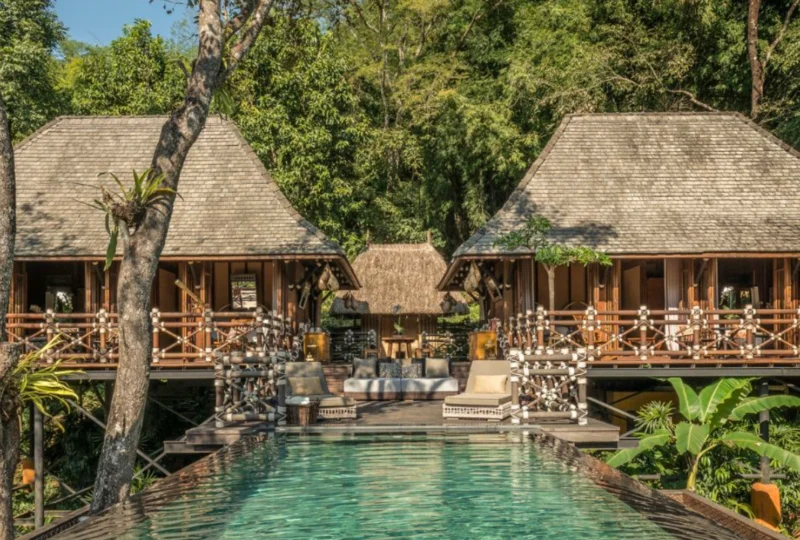
Tailor-made VacationThis 11-day Luxury Eco Escape itinerary travels through four distinct regions of Thailand, beginning in Bangkok, continuing north to Chiang Rai and Chiang Mai, and finishing on the quiet island of Koh Yao Noi in Phang Nga Bay. It is designed to highlight the contrast between Thailand’s urban centers, rural highlands and island landscapes, while keeping travel time efficient and the overall pace relaxed.
11 days tailor-made from $5,880 per person View trip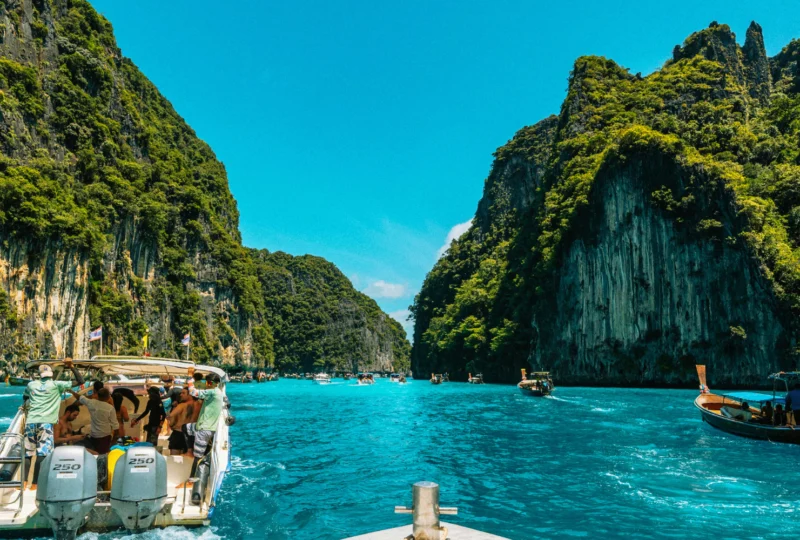
Luxury Northern Andaman Island Hopping
Tailor-made VacationThis 13-day island-hopping itinerary covers Thailand’s Northern Andaman region, traveling from Phuket through Koh Phi Phi, on to Krabi, and finishing on the relaxed shores of Koh Lanta. It is designed to show the contrast between the country's best-known islands and allow you to explore Thailand your way. The journey starts in Phuket, combining beach time with access to cultural sights and nearby coastal scenery.
11 days tailor-made from $4,540 per person View trip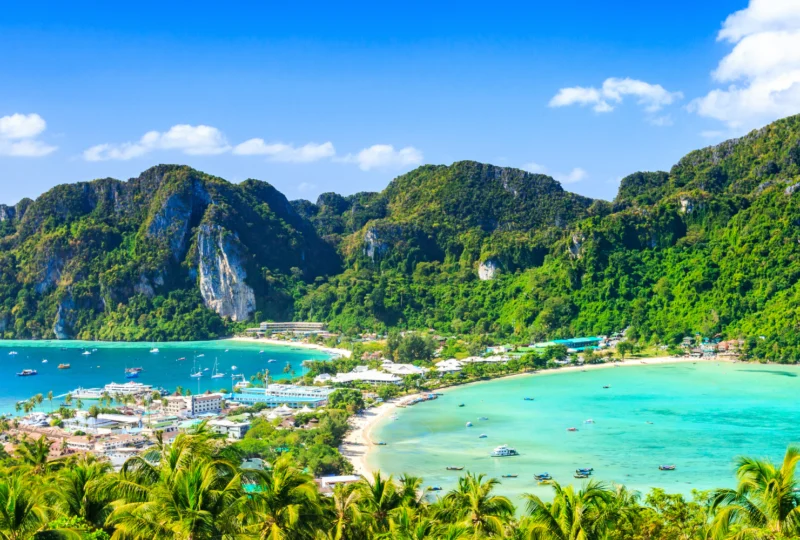
Thailand Luxury Honeymoon
Tailor-made VacationYour honeymoon in Thailand is a seamless blend of culture, adventure, and indulgent luxury, each moment crafted to celebrate your love. From the vibrant streets of Bangkok to the untouched wilderness of Khao Sok National Park, and finally, the secluded paradise of Six Senses Yao Noi, this journey is an intimate escape into Thailand’s most breathtaking landscapes. In Bangkok, the city’s contrasts come alive as you explore its iconic landmarks.
8 days tailor-made from $9,090 per person View trip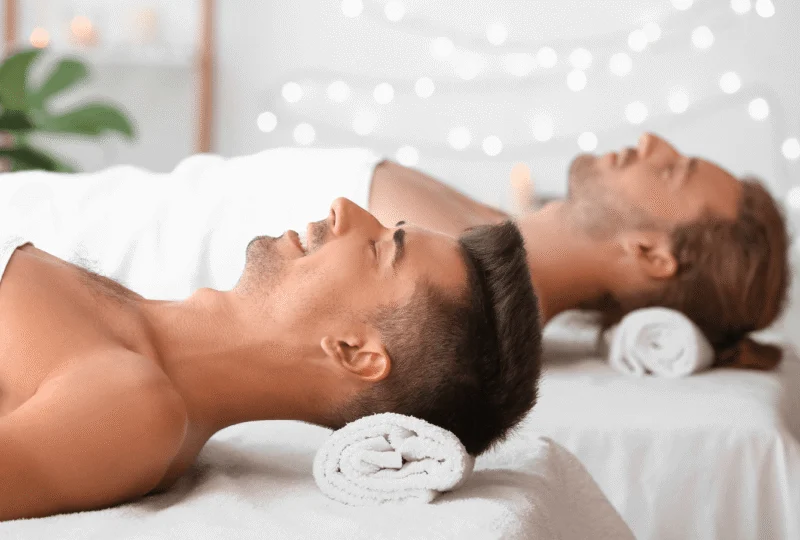
Luxury Wellness Retreat in Thailand: Khao Lak & Phuket
Tailor-made VacationDiscover ultimate serenity on our Thailand Wellness Retreat, a luxurious journey designed to rejuvenate your body, mind, and spirit. From the tranquil beaches of Khao Lak to the vibrant charm of Phuket, culminating at a world-class wellness resort, every detail is crafted for your relaxation and renewal. Start in Khao Lak at the elegant Sarojin, a five-star oasis where yoga and meditation on peaceful beaches set the tone for your retreat.
10 days tailor-made from $4,315 per person View trip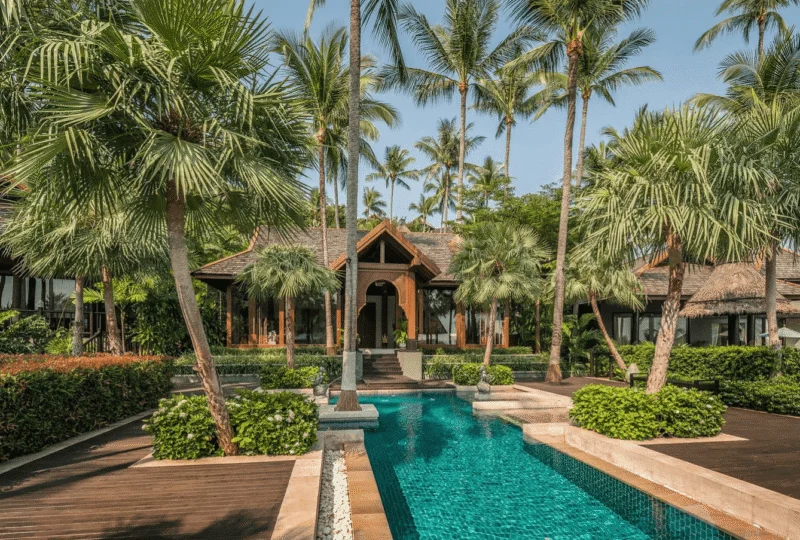
Ultimate Luxury Vacation in Thailand: Bangkok, Yao Noi & Samui
Tailor-made VacationEmbark on an extraordinary 10-day journey with our Thailand: Ultimate Luxury itinerary, where every detail is crafted for those who seek the finest experiences in the Land of Smiles. This luxurious escapade combines the alluring beauty of Thailand with the most luxurious experiences, excursions, and travel options available, ensuring your vacation is nothing short of spectacular. Begin your adventure in Bangkok, the vibrant heart of Thailand.
10 days tailor-made from $10,695 per person View tripWe know where you will be welcome, and where to take more care.
It shapes the hotels we use, the guides we work with and the routes we suggest.
Stellar service. Stellar products. Stellar people and it gets so much better when you pick up the phone and call.
Anthony S.
Super client centred service. From first contact I have had warm, efficient, friendly and flexible service.
John
I’m confident in giving Out Of Office a 5-star review! They are one of the leaders in this space without a doubt.
Tiberiu

We plant trees for every booking
For every booking made with Out Of Office we commit to planting trees in your name to help reduce the impact of travel on future generations. You'll even get a link to see where your trees are planted in the world via our partner Ecologi.

We donate to Rainbow Railroad with every booking
Rainbow Railroad helps LGBTQ+ people escape state-sponsored violence and persecution. A donation goes with every trip we sell, funded by us and never added to your price.

Start Planning Your Trip
Tell us where you would love to go, when you are thinking of traveling and what kind of trip you have in mind. One of our LGBTQ+ travel specialists will create a tailor-made itinerary designed around your destination, style and preferences.
One named specialist, first inquiry to homecoming. No call center, and nothing is charged until you decide to book.