


Tailor-made Vacation · Chile
Luxury Latin America: Peru, Chile and Bolivia
Tailor-made, always
Every trip built from scratch around your dates, pace and preferences.
Your own specialist
One named person and a 24-hour number while you travel.
Hundreds of five-star reviews
Rated Excellent on Trustpilot across ten years of LGBTQ+ luxury travel.
At a glance
South America contains some of the most extraordinary landscapes on earth, and this 16-day journey shows you the best of three of them.
Peru has the Inca heritage, the Sacred Valley, and Machu Picchu, reached by the Belmond Hiram Bingham train through the Andean cloud forest. Bolivia is rawer and less visited, its altiplano operating at a scale that makes the landscape feel like another planet entirely. Chile moves from the extreme aridity of the Atacama Desert, one of the driest places on earth and one of the finest stargazing locations anywhere, to the streets of Santiago and its food and wine scene.
Read more
In between are some of the most singular experiences available anywhere in the world. Lake Titicaca, the highest navigable lake on earth, sits on the Peru-Bolivia border with the floating reed islands of the Uros people on its surface. The Salar de Uyuni, the world's largest salt flat, stretches across 11,000 square kilometers of the Bolivian altiplano in a white expanse that dissolves the horizon completely.
This journey takes serious planning to execute well. The altitude across Peru and Bolivia requires careful sequencing. The Belmond properties and the Hiram Bingham train book out well ahead of peak season. The Atacama observatories and private salt flat excursions need advance coordination. We handle all of it, so the only thing left to think about is which part of the trip you want more time on.


Day by day
This is a sample plan, not a fixed departure. Days can be added, removed or reordered, and almost every client changes something. Prices are an entry-level guide; your quote will be exact.
Days 1-2: Lima, Peru
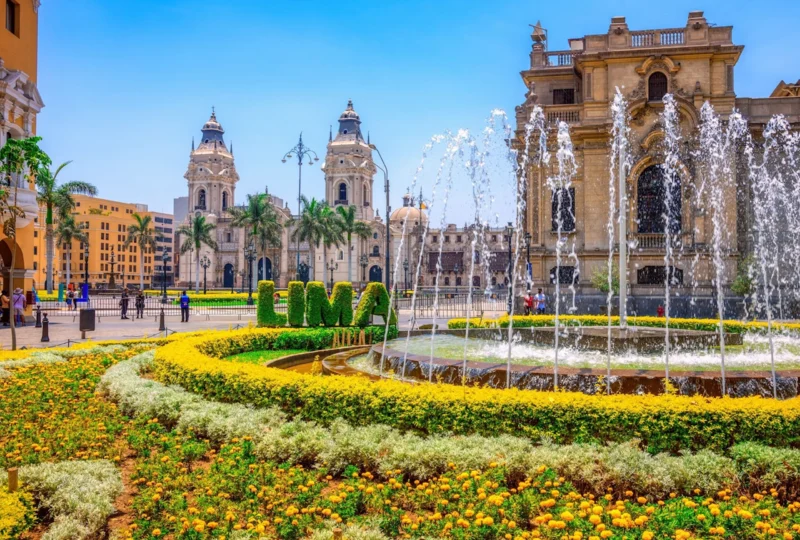
The colonial historic center of Lima is a UNESCO World Heritage Site, the clifftop Miraflores boardwalk looks out over the ocean, and the Larco Museum houses one of the finest collections of pre-Columbian gold and ceramics in the Americas. The food scene is world-class by any measure, with Central and Maido among the best restaurants on the continent.
Two nights here before heading into the mountains is the right call.
Days 3-4: Sacred Valley
The flight from Lima to Cusco takes just over an hour and crosses the Andes at altitude. Rather than heading straight into Cusco at 3,400 meters, the itinerary drops into the Sacred Valley first, sitting at a more manageable 2,800 meters and giving the body time to adjust before the main event.
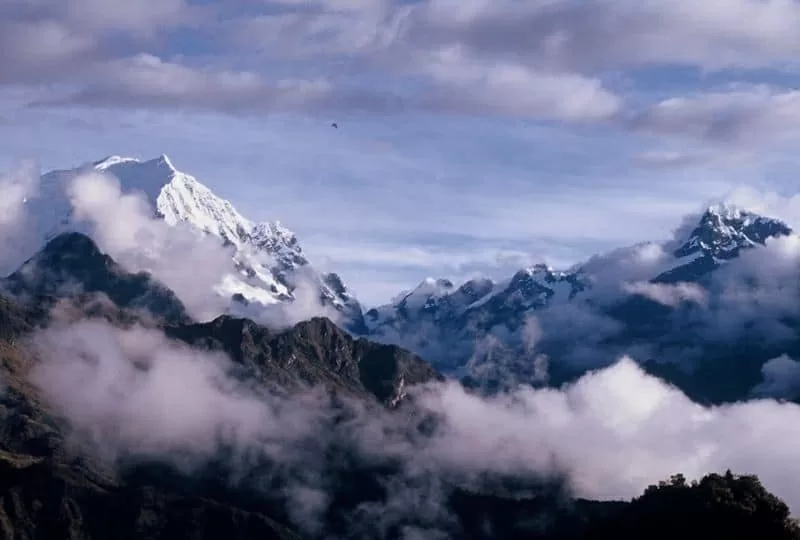
The Inca sites at Pisac and Ollantaytambo are among the most significant in Peru, the markets are genuine rather than tourist-facing, and the landscape of terraced hillsides and snow-capped peaks above is unlike anywhere else in South America. Belmond Rio Sagrado sits on the valley floor with the Urubamba river running past it.
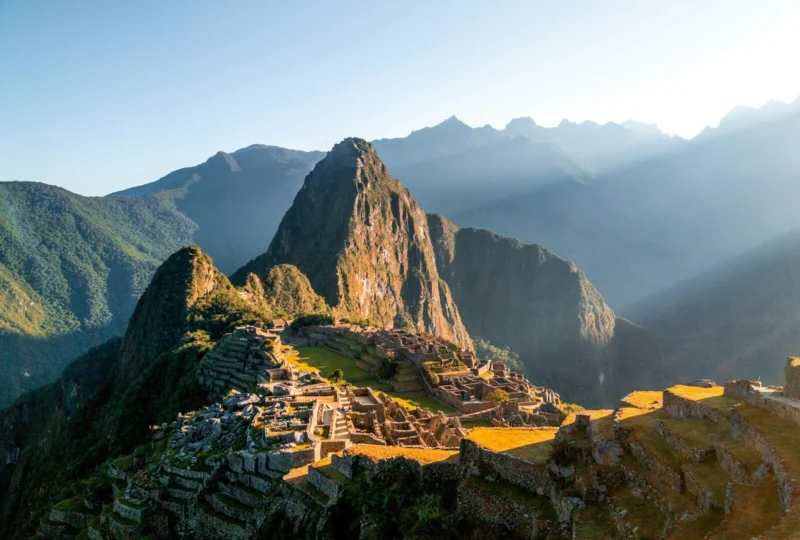
Day 5: Machu Picchu
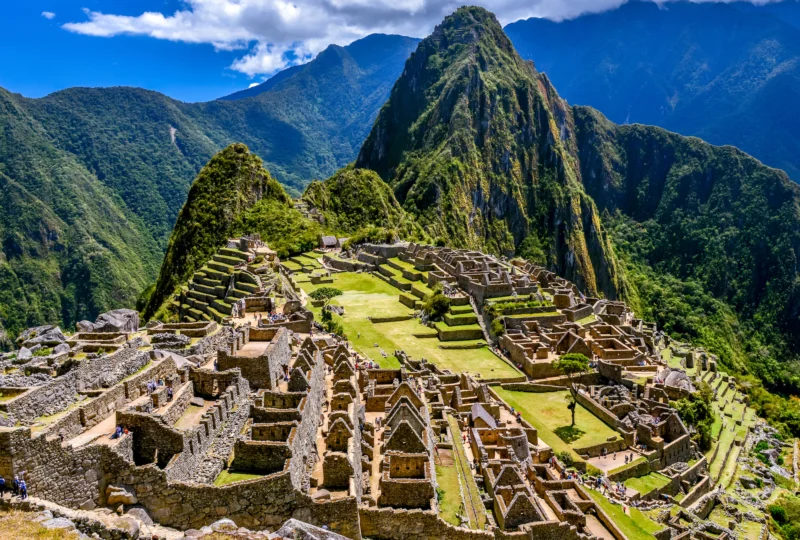
From Ollantaytambo, the Belmond Hiram Bingham train winds through the cloud forest to Aguas Calientes in 1920s Pullman carriages, with a bar car and kitchen turning out proper food for the journey. It is one of the great short rail journeys in South America.
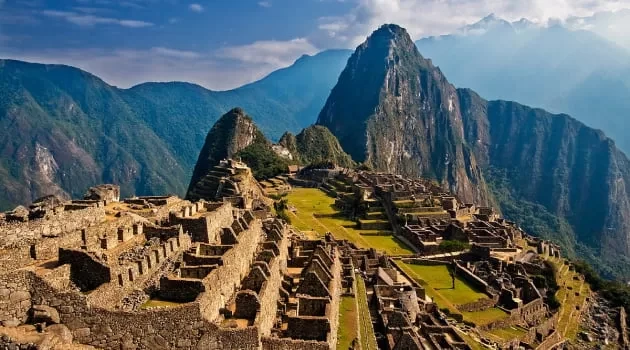
Built by the Inca emperor Pachacuti in the 15th century and unknown to the outside world until 1911, Machu Picchu sits at 2,430 meters above sea level with mountain peaks above and the Urubamba river far below.
The stonework has survived six centuries of Andean weather without mortar. Arriving in the first entry window, before the day crowds make the bus journey up from Aguas Calientes, is a fundamentally different experience from arriving later.
Days 6-7: Cusco
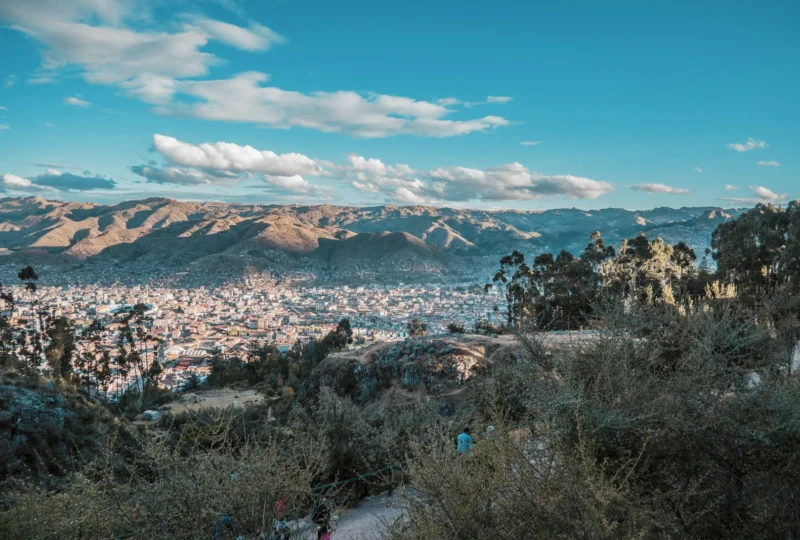
Returning from Machu Picchu, Cusco deserves two proper days rather than being treated as a staging post. The historic center is one of the best preserved in the Americas, with Spanish baroque churches and palaces built directly onto Inca stone foundations in a layering of civilizations visible on almost every street. The Coricancha, the Inca Temple of the Sun, is the most striking example, its original curved granite walls forming the base of the Santo Domingo Church above.
Cusco also has a good restaurant scene and some of the finest boutique hotels in South America. Belmond Palacio Nazarenas and Inkaterra La Casona are among the best small hotels on the continent, both occupying converted colonial buildings in the historic center within walking distance of the main sites.
Day 8-9: Lake Titicaca
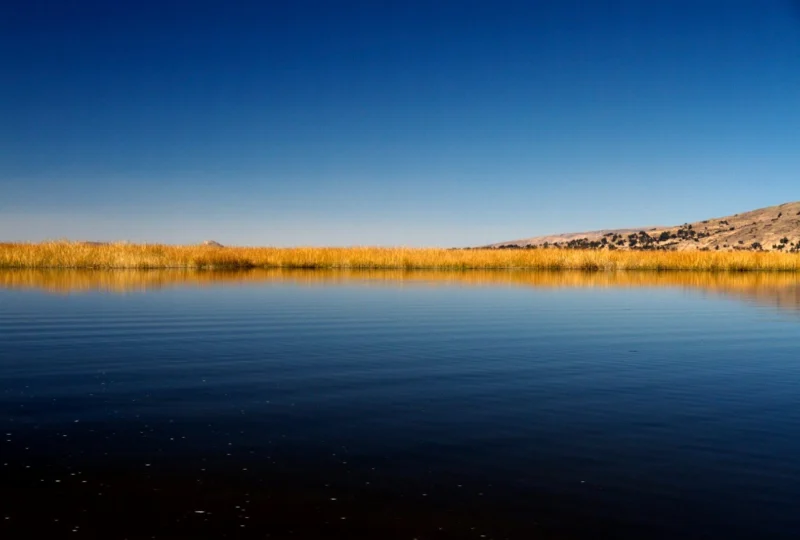
The journey from Cusco to Puno runs by train through the altiplano, climbing to over 3,800 meters as the landscape opens out into a vast, treeless plateau with the lake appearing on the horizon. At 3,812 meters above sea level, Lake Titicaca is the highest navigable body of water on earth, and its scale is difficult to process from the shore.
The following day is spent on the water. The Uros islands, built and maintained entirely from totora reeds by the Uros people, float on the lake’s surface and have been inhabited for centuries. Further out, Taquile Island rises from the lake with Inca terracing on its slopes and views back across the water to the Bolivian Andes.
Day 10: La Paz
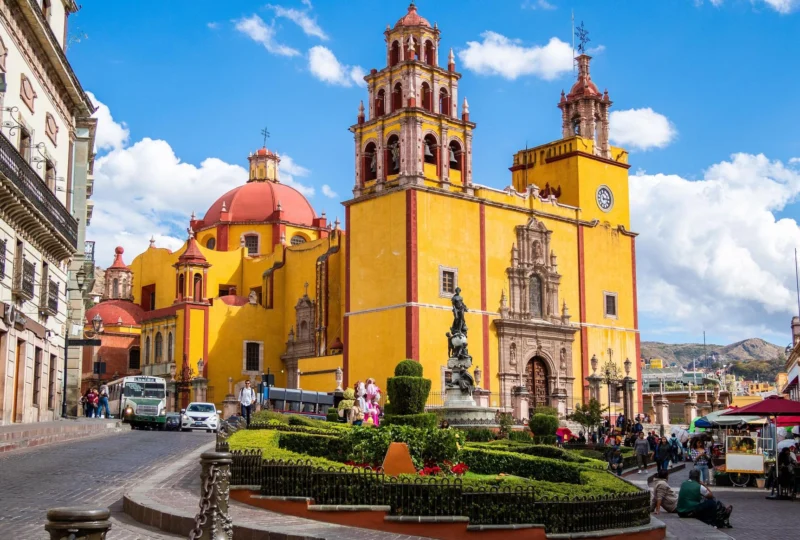
Crossing from Peru into Bolivia, La Paz sits in a natural bowl in the Andes at around 3,600 meters, with the satellite city of El Alto spread across the altiplano rim above it. It is the world’s highest capital and one of the most visually dramatic cities in South America, the surrounding peaks rising to over 6,000 meters and visible from almost anywhere in the center.
The Witches’ Market on Calle Melchor Jiménez sells ritual ingredients and traditional remedies that have supplied the city’s curanderos for generations. The Valle de la Luna, a landscape of eroded clay spires on the city’s outskirts, looks like somewhere else entirely. And the Mi Teleférico cable car network, built to connect La Paz with El Alto, gives views over the city and its extraordinary topography that no street-level tour can replicate.
Day 11-12: Uyuni
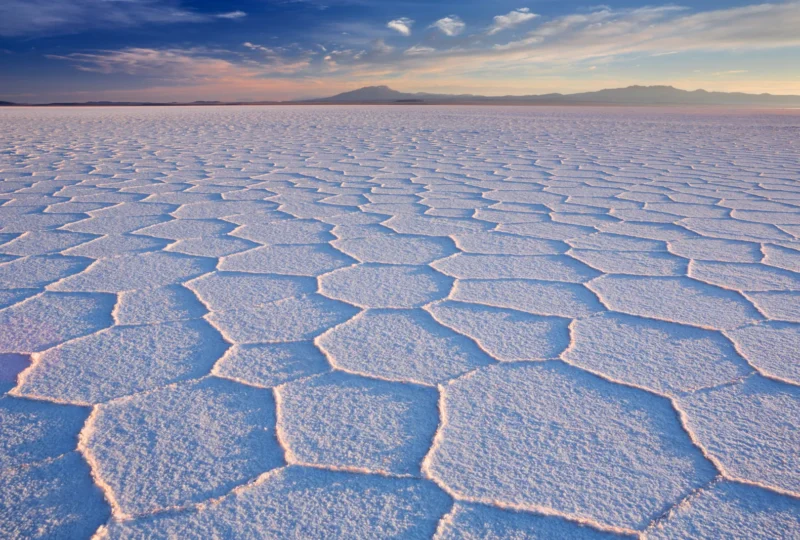
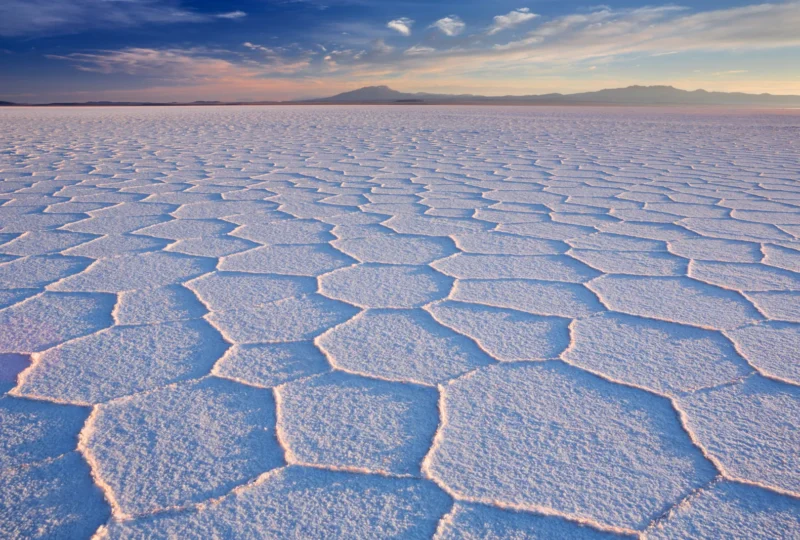
The Salar de Uyuni is the largest salt flat on earth, covering 11,000 square kilometers of the Bolivian altiplano at 3,656 meters above sea level. The crust is between two and ten meters thick, and beneath it sits the world’s largest lithium reserve.
In the dry season the surface is a blinding white expanse that dissolves the horizon and makes the sky feel twice its normal size. In the wet season a thin layer of water turns the entire flat into a mirror, reflecting the clouds above with an accuracy that makes it impossible to tell where the ground ends and the sky begins.
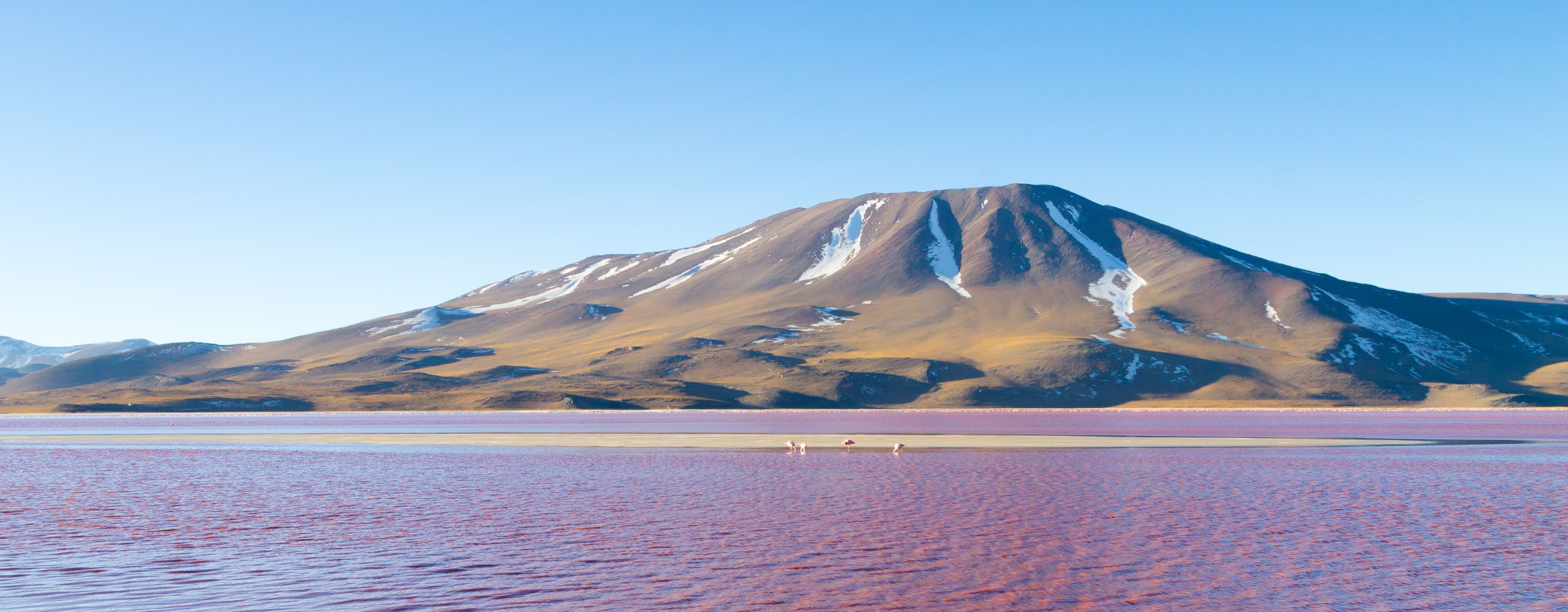
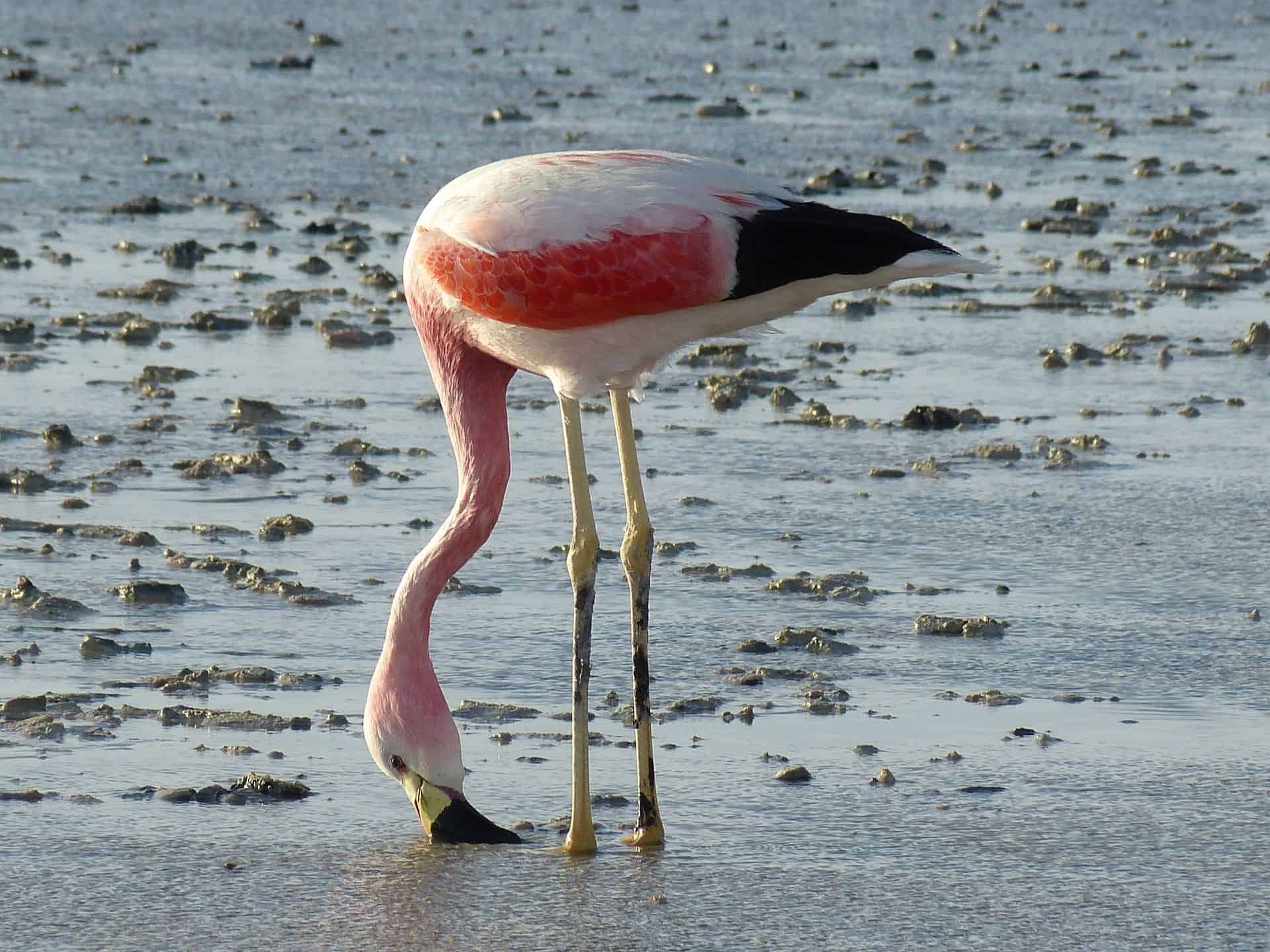
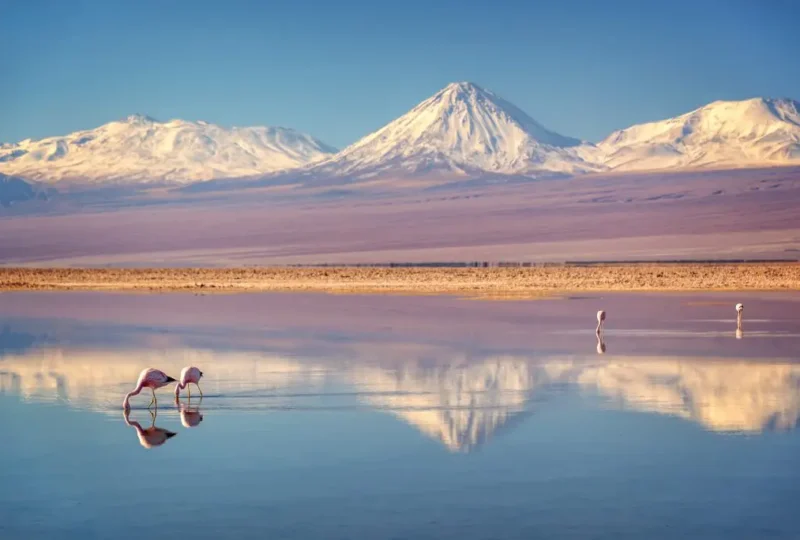
Beyond the salt flat itself, the surrounding landscape delivers further extremes. The Eduardo Avaroa Andean Fauna National Reserve to the south contains active geysers at 5,000 meters, multicolored lagoons tinted red and green by algae and minerals, and populations of pink flamingos feeding at the water’s edge.
A private 4×4 expedition through the reserve, overnighting in lodges on the altiplano, is the way to cover it properly.
Days 13-14: Atacama Desert
The route from Uyuni into Chile crosses the altiplano by 4×4, passing volcanoes, geothermal fields, and the jade-colored Laguna Verde before dropping into San Pedro de Atacama. The drive is one of the great overland crossings in South America.
The Atacama is the driest non-polar desert on earth, and the landscape reflects that in the most extreme terms. The Valle de la Luna, carved by wind and water into salt formations and clay canyons, turns deep red and orange at sunset.
The geysers of El Tatio, at 4,300 meters, are best visited at dawn when the temperature contrast between the ground and the air produces the most dramatic steam columns. And at night, the near-total absence of light pollution and the altitude combine to produce skies that draw astronomers from across the world.
The San Pedro de Atacama Celestial Observatory runs nightly sessions with professional telescopes and guides who know the southern hemisphere sky in detail. It is the kind of experience that recalibrates your sense of scale.
Days 15-16: Santiago
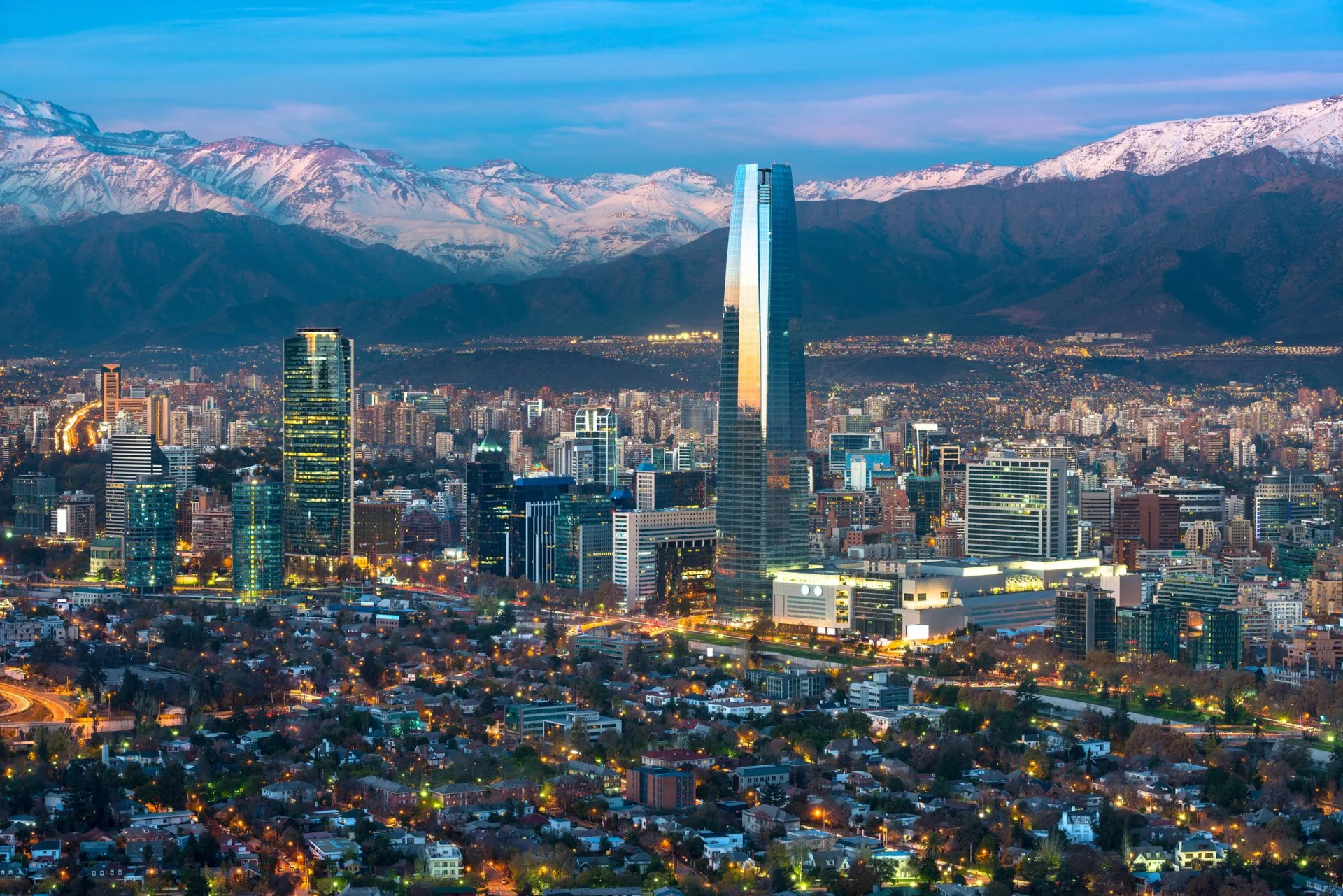
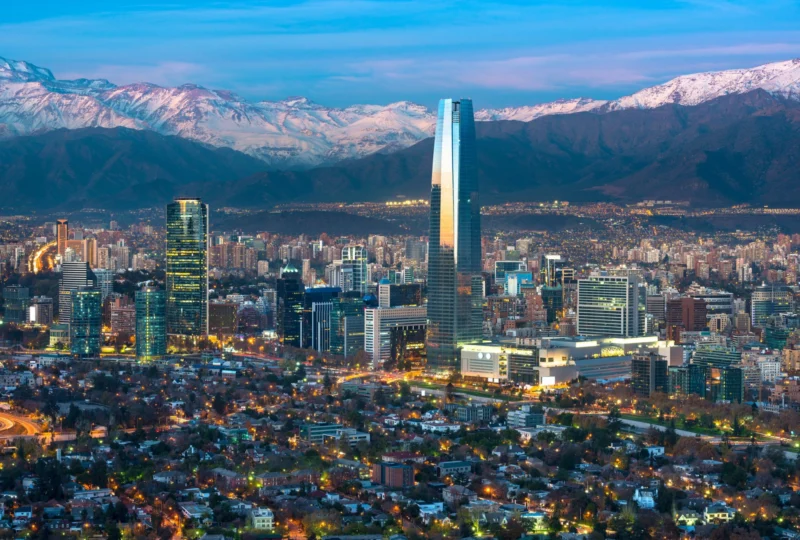
The journey ends in Santiago, and the contrast with everything that preceded it is part of the point. Chile’s capital is a modern city with the Andes visible above the skyline on clear days, a thriving food and wine scene, and neighborhoods like Lastarria and Bellavista that reward an afternoon of exploration.
Two nights here is the right amount of time. The Mercado Central for seafood, a visit to one of the Maipo Valley wineries an hour from the city, and a dinner at one of the better contemporary Chilean restaurants rounds out a journey that has moved through some of the most extreme landscapes on earth. Santiago is a civilized and comfortable place to decompress before the flight home.
Our Experts

Chile is a luxury traveler’s dream, offering everything from private wine tastings in the Central Valley to exclusive stays in Patagonia’s eco-lodges, all set against some of the world’s most stunning landscapes.
For those seeking both adventure and relaxation, Chile delivers the perfect blend – from world-class skiing in the Andes to indulgent spa retreats in the heart of its breathtaking wilderness.
Stellar service. Stellar products. Stellar people and it gets so much better when you pick up the phone and call.
Anthony S.
Super client centred service. From first contact I have had warm, efficient, friendly and flexible service.
John
I’m confident in giving Out Of Office a 5-star review! They are one of the leaders in this space without a doubt.
Tiberiu
Similar tours
Luxury Peru: Machu Picchu & the Amazon
Tailor-made VacationFew destinations handle the combination of adventure and indulgence as well as Peru does. The Sacred Valley opens up like a geography lesson in superlatives: the Inca citadel of Machu Picchu floating above the clouds, terraced mountainsides falling away to the Urubamba River, and Andean light that makes everything look like it was lit for a film.
12 days tailor-made from $9,500 per person View trip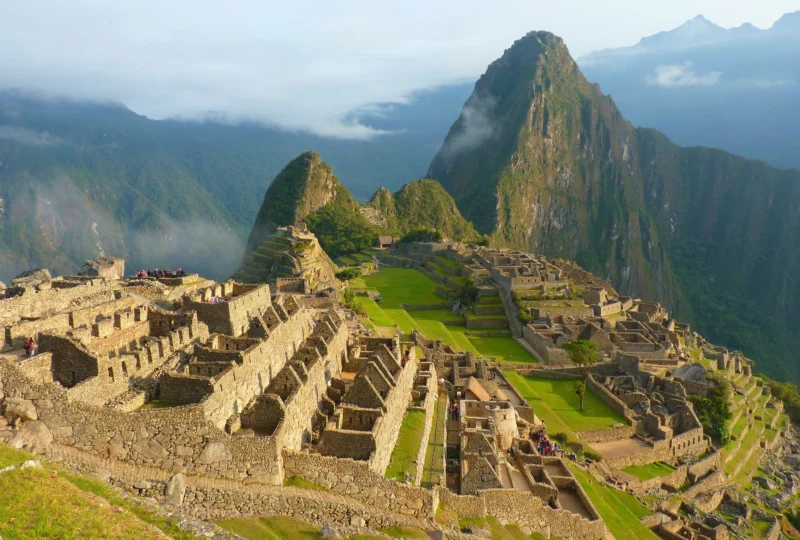
Machu Picchu & the Galápagos: A Luxury Journey
Tailor-made VacationThis itinerary is built around two of the most extraordinary destinations on the planet. Machu Picchu, one of the Seven Wonders of the World, is a fifteenth-century Inca citadel set on a mountain ridge in the cloud forest at 2,430 meters above sea level, hidden from the outside world until 1911 and still capable of stopping people in their tracks.
15 days tailor-made from $13,375 per person View trip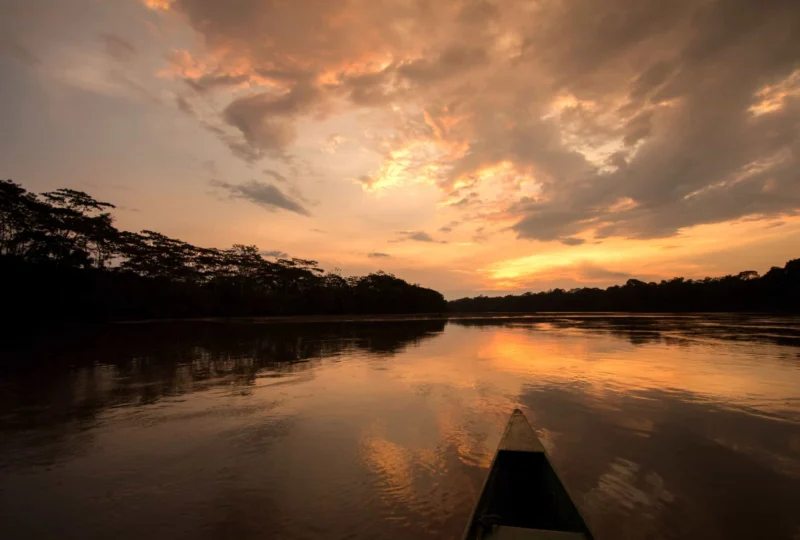
Gay Group Trip: Luxury Amazon Cruise & Machu Picchu
Group TripThis all-inclusive Peruvian journey brings together extraordinary biodiversity, ancient civilizations, and a fully chartered LGBT+ Amazon River cruise, culminating in an immersive Machu Picchu experience. Thoughtfully curated for travelers seeking depth as well as comfort, this is a journey that reveals Peru at its most captivating. Begin in Lima, a sophisticated coastal capital celebrated for its culinary excellence and rich colonial heritage.
12 days group departure from $10,100 per person View tripWe know where you will be welcome, and where to take more care.
Frequently asked questions
What does Out Of Office do?
Out Of Office is a luxury LGBTQ+ travel company specializing in tailor-made vacations and extraordinary journeys around the world. We create bespoke luxury vacations, LGBTQ+ honeymoons, safaris, cruises, beach escapes, private tours and group trips, with every itinerary designed around you. Our travel specialists combine global expertise, first-hand destination knowledge and trusted local partners to create seamless, highly personalized experiences.
Is Out Of Office a gay travel agency?
Out Of Office is an LGBTQ+ owned and run luxury travel specialist, with particular expertise in gay and LGBTQ+ travel. We understand the additional considerations that can come with traveling as an LGBTQ+ person or couple, from local laws and customs to finding genuinely welcoming hotels and experiences.
We welcome every traveler, including friends, families and allies. Many of our clients are not members of the LGBTQ+ community, but choose Out Of Office for our luxury travel expertise, personalized service and discretion.
Do you create tailor-made LGBTQ+ vacations?
Yes. Every tailor-made trip with Out Of Office is designed from scratch around your interests, travel style, budget and the way you want to experience a destination. We can arrange luxury hotels, private transfers, flights, guides, excursions, cruises and special experiences as part of one personalized itinerary. The journeys shown on our website are there to inspire you rather than restrict you; only clearly identified group departures operate as fixed itineraries.
How do you choose LGBTQ+ friendly hotels and destinations?
We combine first-hand destination knowledge with trusted local expertise to recommend luxury hotels, resorts and experiences where LGBTQ+ travelers can feel informed and welcome. We also consider the laws, customs and attitudes of each destination, because LGBTQ+ rights and experiences differ around the world. Our team regularly visit many of the properties we work with and where a destination requires greater awareness, we give you clear and considered advice so that you can make an informed decision about where and how you travel.
We plant trees for every booking
For every booking made with Out Of Office we commit to planting trees in your name to help reduce the impact of travel on future generations. You'll even get a link to see where your trees are planted in the world via our partner Ecologi.

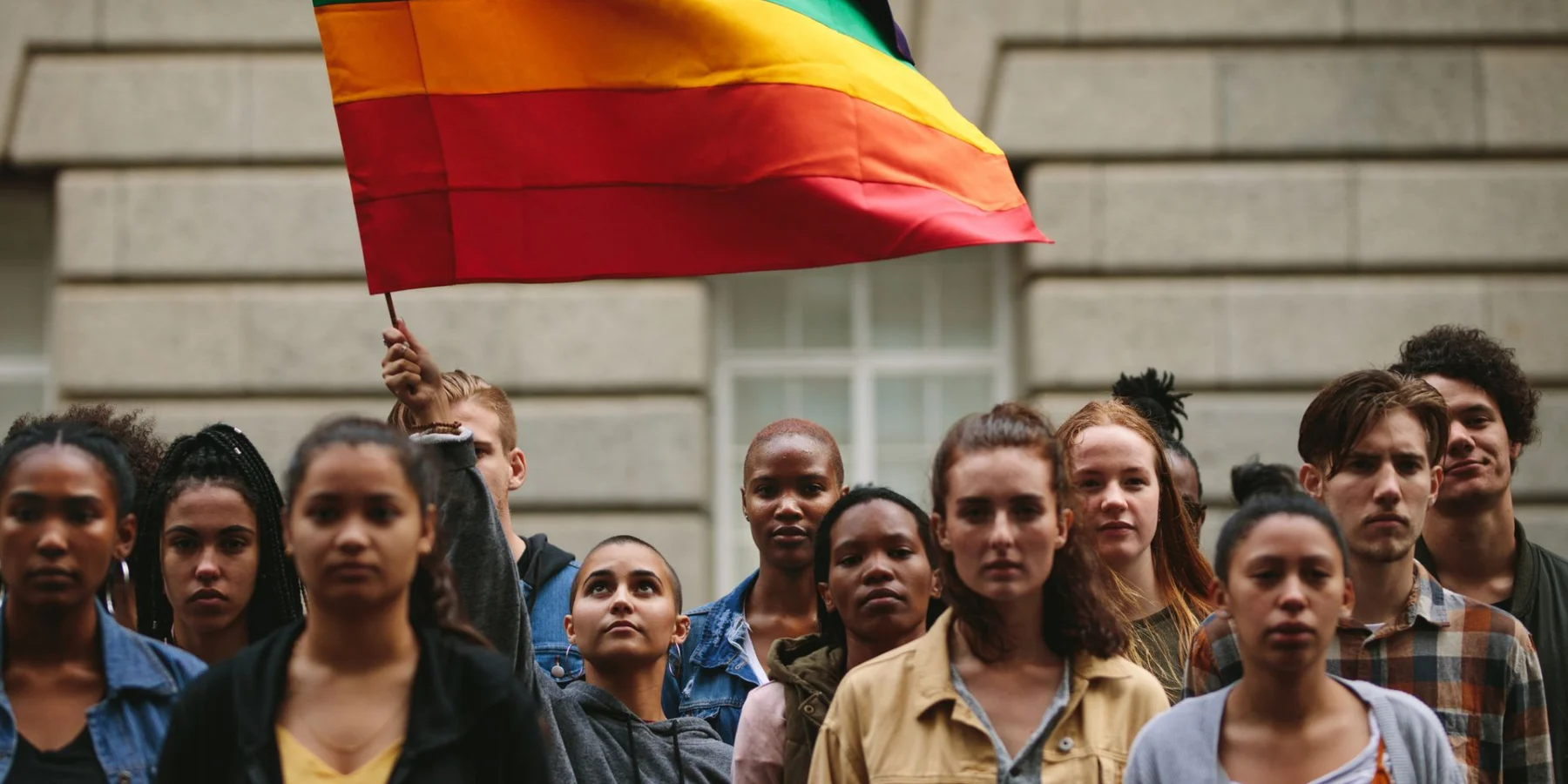
We donate to Rainbow Railroad with every booking
Rainbow Railroad helps LGBTQ+ people escape state-sponsored violence and persecution. A donation goes with every trip we sell, funded by us and never added to your price.

Start Planning Your Trip
Tell us where you would love to go, when you are thinking of traveling and what kind of trip you have in mind. One of our LGBTQ+ travel specialists will create a tailor-made itinerary designed around your destination, style and preferences.
One named specialist, first inquiry to homecoming. No call center, and nothing is charged until you decide to book.